Used Gold‑Mining Equipment Prices: A Practical Overview
If you are looking to start or expand a gold‑mining operation without the capital outlay required for brand‑new machinery, the secondary market offers a viable path. Across the most common categories—crushers, trommels, wash plants, dredges, and ancillary gear—used equipment typically sells for 30 % to 70 % of the price of a comparable new unit, with price variations driven by age, condition, capacity, brand reputation, and geographic location. For example, a well‑maintained 30‑ton per hour (tph) gold wash plant can be sourced for US$15,000–$35,000, whereas a comparable new plant from a leading OEM may cost US$45,000–$80,000. Similarly, a 10‑tph jaw crusher in good working order often lists between US$20,000 and $55,000, while a brand‑new model can exceed US$80,000. These figures, compiled from recent listings on MachineryTrader, MineEquip, and auction results from Ritchie Bros., illustrate that the secondary market can shave hundreds of thousands of dollars off the total equipment budget, provided buyers conduct diligent due‑diligence and factor in refurbishment, transport, and compliance costs.
1. Market Drivers Behind the Price Spectrum
Age and Operating Hours – Most sellers disclose total operating hours (e.g., “12,000 hrs” for a trommel). Machines with fewer than 5,000 hrs generally command a premium of 10‑20 % over older units, reflecting lower wear on wear‑parts such as liners and bearings.
Condition and Maintenance History – A unit that has been regularly serviced, with recent replacement of critical components (hydraulic pumps, wear plates, conveyor belts), can fetch up to 25 % more than a comparable machine lacking documentation. Sellers who provide a recent inspection report from a certified technician often see faster sales and higher offers.
Brand and Model Reputation – Established manufacturers—Metso, Terex, Caterpillar, and Powerscreen—retain higher resale values because spare‑parts availability and aftermarket support are more reliable. A used Metso 1500‑Series cone crusher, for instance, may list at US$45,000–$70,000, whereas a lesser‑known brand of similar capacity might be priced at US$30,000–$45,000. 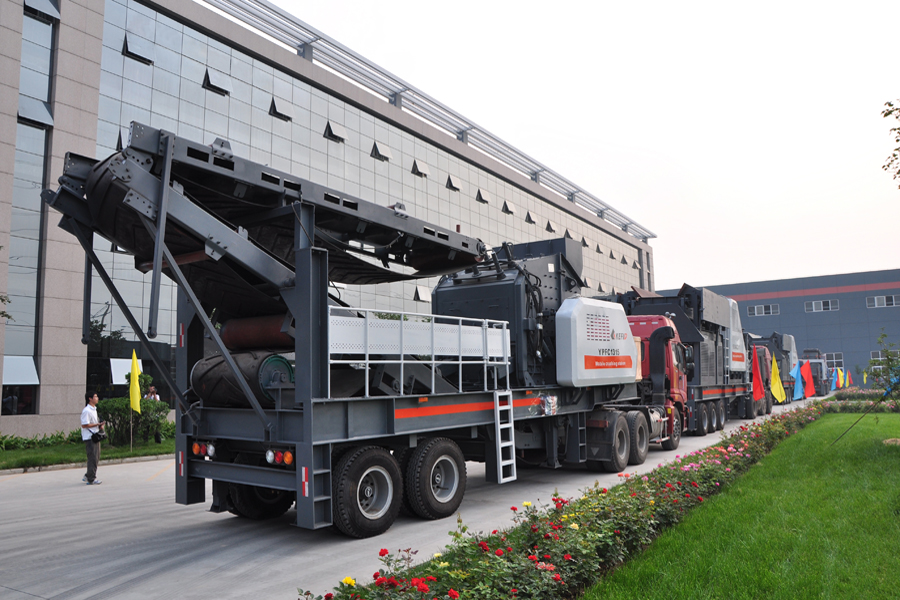
Capacity and Throughput – Equipment sized for larger operations (e.g., 50 tph wash plants) naturally carries a higher price tag, but the price‑per‑ton ratio often improves. A 50 tph plant can be purchased for US$45,000–$80,000 used, versus US$120,000–$180,000 new, delivering a cost‑per‑ton reduction of roughly 60 %.
Location and Shipping – Heavy equipment shipped internationally incurs freight, insurance, and customs duties that can add 10 %–25 % to the purchase price. Buyers located near major ports (e.g., Los Angeles, Rotterdam) typically enjoy lower logistics costs than those in land‑locked regions.
Market Timing – Gold price spikes stimulate demand for mining gear, compressing secondary‑market prices. Conversely, during periods of low gold prices, sellers may lower asking prices to move inventory, creating buying opportunities. Historical auction data from 2022‑2024 shows a 12 % price dip for used dredges when gold fell below US$1,800 per ounce.
2. Price Ranges by Equipment Category
| Equipment | Typical Used Price (USD) | Typical New Price (USD) | Capacity / Key Specs |
|---|---|---|---|
| Gold Wash Plant (incl. sluice, shaker, classifier) | $15,000 – $35,000 | $45,000 – $80,000 | 10‑50 tph; modular designs |
| Jaw Crusher | $20,000 – $55,000 | $80,000 – $120,000 | 5‑30 tph; 1,200 mm gape |
| Cone Crusher | $45,000 – $70,000 | $100,000 – $150,000 | 10‑30 tph; 1,200 mm feed |
| Trommel (rotary screen) | $5,000 – $15,000 | $15,000 – $30,000 | 5‑15 tph; 2‑3 m diameter |
| Dredge (small‑scale, suction) | $50,000 – $200,000 | $200,000 – $500,000 | 0.5‑5 cubic m/h; 2‑6 m depth |
| Gold Recovery Plant (CIL/CIP) | $80,000 – $250,000 | $250,000 – $600,000 | 5‑30 tph; leach tanks |
| Ancillary (vibrating feeders, conveyors, pumps) | $2,000 – $12,000 | $5,000 – $30,000 | Varies by size |
Sources: MachineryTrader.com listings (Jan‑Oct 2024), Ritchie Bros. auction results (2023‑2024), and industry price guides from Mining Equipment Handbook (2022 edition).
3. Where to Find Reliable Used Equipment
-
Online Marketplaces – Platforms such as MachineryTrader, EquipmentTrader, and eBay Business & Industrial host thousands of listings. Filters allow buyers to sort by year, hours, and location, while seller ratings give an early indication of reliability.
-
Specialized Mining Auctions – Companies like Ritchie Bros., IronPlanet, and Euro Auctions conduct regular live and online auctions for heavy mining gear. Auction catalogs provide detailed photographs, equipment histories, and often a pre‑auction inspection report.
-
Dealer Networks – Regional dealers (e.g., Gold Mining Equipment Ltd. in Nevada, Mining Solutions in South Africa) frequently refurbish and resell used units with limited warranties. Purchasing through a dealer can simplify logistics, as they often arrange shipping, installation, and after‑sales support.
-
Direct Mine Sales – When a mining operation shuts down or upgrades, it may sell its surplus equipment directly. Engaging a local broker familiar with the mining community can uncover such “off‑market” deals, often at a discount of 15‑30 % compared with public listings.
-
Classifieds and Industry Forums – Websites like Mining.com and GoldMiningForums.com have classified sections where owners post equipment for sale. While these listings may lack formal inspection, they can be a source of low‑cost, locally sourced gear.
4. Hidden Costs and Risk Mitigation
Even when the headline price appears attractive, buyers should budget for:
-
Transportation & Handling – Heavy equipment may require flat‑bed trucks, crane services, and road permits. For a 30‑ton crusher, shipping from a U.S. Midwest dealer to a remote Nevada site can exceed $8,000.
.jpg)
-
Refurbishment & Spare Parts – Wear‑parts (e.g., liners, hammers, screens) often need replacement after purchase. A typical budget of 10 %–15 % of the purchase price should be set aside for such upgrades.
-
Regulatory Compliance – Certain jurisdictions require equipment to meet environmental or safety standards (e.g., EPA noise limits, ISO 9001 certification). Modifications to meet these standards can add $2,000–$10,000 depending on the machine.
-
Inspection Fees – Engaging an independent third‑party inspector (e.g., SGS or Bureau Veritas) usually costs $1,000–$3,000 but can uncover hidden defects that would otherwise lead to costly downtime.
-
Warranty & Service Contracts – Some dealers offer limited warranties (90‑180 days) on used gear. Purchasing an extended service contract can mitigate the risk of unexpected breakdowns, typically costing 5 %–8 % of the equipment price annually.
5. Strategies for Getting the Best Deal
-
Benchmark Multiple Listings – Compare at least three comparable units (same capacity, similar hours) before committing. Price differentials often reveal over‑ or under‑priced items.
-
Negotiate Based on Refurbishment Needs – If wear‑parts are due, use documented replacement costs as leverage to lower the asking price.
-
Bundle Purchases – Buying a set of complementary machines (e.g., crusher + trommel + conveyor) from the same seller can yield a 5 %–10 % discount on the total package.
-
Leverage Seasonal Shipping – Shipping rates dip during off‑peak months (typically October–December). Planning purchases around these windows can reduce freight by up to 20 %.
-
Consider Financing Options – Some dealers partner with equipment financing firms that offer low‑interest loans for used gear, preserving cash flow for operational expenses.
6. Outlook for the Used Gold‑Mining Equipment Market
The secondary market is expected to remain robust through 2027. The International Council on Mining and Metals (ICMM) projects a modest increase in small‑scale gold production, especially in Africa and South America, where capital constraints favor used equipment. Simultaneously, the push toward greener mining practices is prompting owners to upgrade to more efficient, lower‑emission machines, creating a pipeline of relatively modern, well‑maintained equipment for resale.
In summary, purchasing used gold‑mining equipment can reduce capital expenditure by 30 %–70 %, but success hinges on thorough market research, realistic budgeting for ancillary costs, and careful evaluation of machine condition. By focusing on reputable sources, negotiating based on documented wear, and accounting for logistics and compliance, buyers can secure reliable machinery that supports profitable gold extraction while preserving financial flexibility.