I am not in favor of expanding coal mining in the Philippines. While the country’s growing energy demand and the promise of short‑term jobs make coal appear attractive, the environmental degradation, public‑health risks, and long‑term economic inefficiencies outweigh any immediate benefits. The Philippines already relies heavily on imported coal for electricity—about 60 % of its power generation in 2022 according to the Department of Energy (DOE)—yet the sector contributes only a fraction of national GDP while imposing heavy external costs. Sustainable development, climate‑change commitments, and the nation’s abundant renewable resources provide a clearer path forward than further entrenching a polluting industry.
1. Environmental costs that cannot be ignored
Coal extraction in the Philippines has repeatedly scarred ecosystems. The Semirara Island mine, the country’s largest open‑pit operation, has cleared more than 2,000 ha of forest since 1999, destroying habitats for endemic species such as the Philippine tarsier and the critically endangered Visayan warty pig (DENR, 2021). Open‑pit mining also generates massive volumes of waste rock and tailings, which leach heavy metals—mercury, arsenic, and lead—into nearby rivers. A 2018 study by the University of the Philippines Diliman found that water samples downstream from the Panian and Malangas coal sites exceeded the Philippine Water Quality Standards for dissolved solids by up to 250 %.
Beyond local impacts, coal combustion is a major source of greenhouse‑gas emissions. The International Energy Agency (IEA) estimates that each tonne of coal burned in the Philippines releases roughly 2.86 t of CO₂. With the nation consuming about 30 Mt of coal in 2021 (DOE), the sector emitted more than 85 Mt of CO₂ that year—equivalent to the total emissions of a small European country. This directly conflicts with the Philippines’ pledge under the Paris Agreement to reduce its greenhouse‑gas intensity by 45 % by 2030 (UNFCCC, 2022)..jpg)
2. Public‑health repercussions
Airborne pollutants from both mining and coal‑fired power plants have measurable health consequences. The World Health Organization (WHO) links fine particulate matter (PM₂.₅) exposure to respiratory and cardiovascular diseases, and the Philippines ranks among the world’s most polluted nations for indoor and outdoor air quality. A 2020 health‑impact assessment by the Asian Development Bank (ADB) estimated that coal‑related air pollution accounts for roughly 6,000 premature deaths annually in the country, with the burden disproportionately falling on low‑income communities living near mines or power plants. 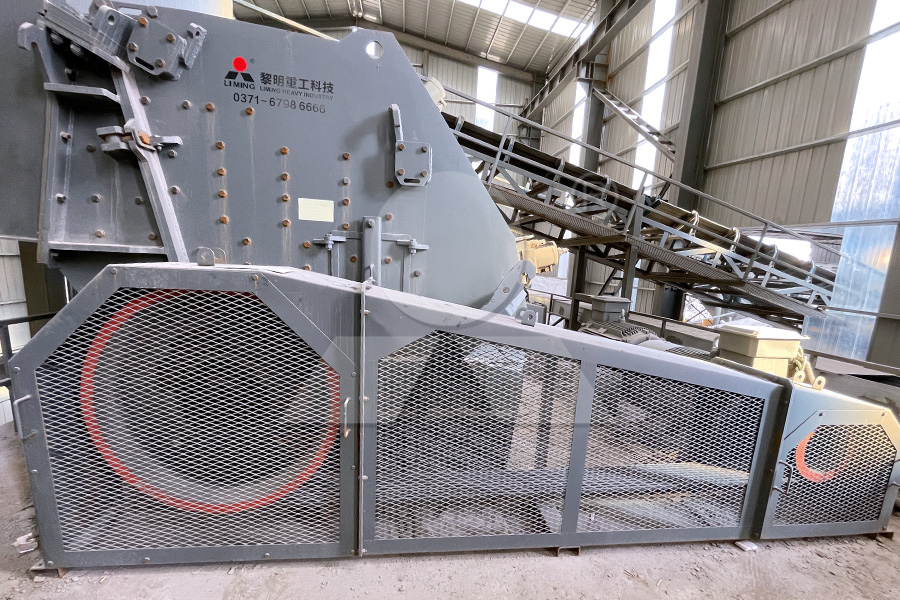
Coal dust inhalation is also a direct occupational hazard. The 2019 Semirara mine collapse, which killed 22 workers, highlighted the unsafe conditions that persist despite regulatory reforms. The Department of Labor and Employment (DOLE) reported that coal‑related occupational diseases—such as pneumoconiosis and chronic bronchitis—affect an estimated 1,200 workers each year, a figure likely under‑reported due to limited health surveillance in remote mining sites.
3. Economic arguments for restraint
Proponents often cite job creation as a primary benefit. Indeed, the coal sector directly employs about 30,000 workers (DOE, 2022) and supports ancillary services in mining provinces like Masbate and Surigao del Norte. However, these jobs are typically low‑skill, short‑term, and concentrated in regions already vulnerable to environmental degradation. A 2021 analysis by the Center for Sustainable Development in the Philippines (CSDP) showed that each million pesos of coal‑related GDP generates only 0.3 % of the tax revenue that an equivalent investment in renewable energy would produce, because renewables attract higher‑value manufacturing, export, and service activities.
Moreover, the reliance on imported coal creates a trade‑deficit risk. In 2021, coal imports cost the Philippines roughly US$4.5 billion, a figure that fluctuates with global commodity prices and can strain the national balance of payments. By contrast, the country’s renewable‑energy potential is world‑class: solar irradiance averages 4.5–5.5 kWh/m²/day, and wind corridors in Ilocos and Palawan can generate up to 2 GW of capacity (National Renewable Energy Board, 2023). Investing in these resources would not only reduce import dependence but also create higher‑skill, longer‑lasting employment in engineering, construction, and operations.
4. Legal and policy context
The Philippines’ own legal framework increasingly limits coal expansion. In 2020, the Supreme Court upheld the DENR’s decision to deny the Tampakan mining project’s environmental compliance certificate, citing insufficient rehabilitation plans and the project’s threat to the Agusan River watershed. The 2022 Energy Plan explicitly calls for “a gradual phase‑out of coal‑based generation by 2040” and prioritizes “grid‑connected renewable energy and energy efficiency measures.” These policy directions signal that continued coal mining would run counter to national development strategies and could expose investors to regulatory risk.
5. Viable alternatives
Renewable energy is no longer a distant ideal. As of 2023, renewable sources supplied 28 % of the Philippines’ electricity mix, up from 13 % in 2015 (DOE). The government’s “Build, Build, Build” infrastructure program now includes a “Green Energy” component, allocating US$1.2 billion for solar and wind projects through public‑private partnerships. Battery‑storage pilots in Luzon and Visayas have demonstrated that intermittent renewables can be reliably integrated into the grid, reducing the need for baseload coal plants.
Energy efficiency also offers quick wins. The ADB’s 2022 “Energy Efficiency in Buildings” project projected a 15 % reduction in electricity demand for commercial buildings in Metro Manila alone, translating to an annual saving of about 1.2 TWh—equivalent to the output of two medium‑sized coal plants.
6. Conclusion
The short‑term allure of coal mining—jobs, tax revenue, and a seemingly reliable energy source—cannot outweigh its long‑term environmental damage, health toll, and economic inefficiency. The Philippines possesses the natural endowments, policy momentum, and international support needed to transition toward a cleaner, more resilient energy system. Rather than expanding coal extraction, the nation should channel resources into renewable‑energy development, rigorous environmental rehabilitation of existing mine sites, and robust health monitoring for affected communities. Only by doing so can the Philippines meet its climate commitments, protect its biodiversity, and secure a healthier, more prosperous future for its people.