In the demanding world of aggregate production, where durability and output are paramount, one name consistently rises to the top: the Stone Crusher Shine King. This machine represents the pinnacle of engineering, designed to transform rugged, unyielding rock into precisely graded material with remarkable efficiency. Its robust construction and advanced crushing technology ensure not only superior performance under the most strenuous conditions but also a significant reduction in operational downtime. For quarry operators and construction professionals seeking to optimize their workflow and maximize return on investment, the Shine King is more than just equipment; it is a strategic asset. It stands as a testament to innovation, delivering the relentless power and reliability required to build the very foundations of modern infrastructure.
Maximize Your Quarry Output: How the stone crusher shine king Delivers Unmatched Crushing Efficiency
The core challenge in quarrying is converting blasted rock into saleable aggregate at the lowest cost per ton. The Shine King series of stone crushers is engineered to address this by optimizing the fundamental crushing process through superior mechanical design and material selection, directly translating to higher throughput and reduced operational expenditure.
Engineering for High Throughput & Material Integrity
At the heart of the Shine King's efficiency is its focus on maintaining consistent, high-volume material flow and preserving component integrity under extreme stress.
- Optimized Chamber Geometry: Each model's crushing chamber is computer-modeled to ensure an uninterrupted flow of material. The kinematics of the moving jaw or mantle are designed for a aggressive stroke at the inlet to draw material in, combined with high reduction ratios, minimizing bottlenecks and preventing choke-feeding.
- High-Manganese Steel Castings (Mn18Cr2 / Mn22Cr2): All wear parts—jaws, mantles, concaves, and liners—are cast from premium alloyed manganese steel. The specified grades work-harden upon impact, forming a continually renewing, ultra-hard surface layer that resists abrasion from silica and other abrasive constituents, while the tough core material absorbs impact energy without fracturing.
- Heavy-Duty Bearing Assemblies: Utilizing oversized, ISO-rated spherical roller bearings ensures reliable operation under fluctuating loads and high shock forces. This design provides greater radial and axial load capacity, directly contributing to crusher stability and extended service life, even in 24/7 operations.
Technical Specifications & Operational Adaptability
The Shine King range is not a one-size-fits-all solution. Its modular design allows for configuration to specific ore characteristics and production goals, backed by verifiable international standards.
| Model Series | Approx. Capacity Range (TPH)* | Max Feed Size (mm) | Recommended Application Hardness (Mohs) | Drive Power (kW) Range |
|---|---|---|---|---|
| SK-J (Jaw Crusher) | 50 - 1200 | 150 - 1200 | Up to 9 (Granite, Basalt) | 75 - 315 |
| SK-C (Cone Crusher) | 60 - 1000 | 50 - 300 | Up to 9 (Abrasive Ores, River Gravel) | 90 - 355 |
| SK-I (Impact Crusher) | 80 - 800 | 200 - 800 | Up to 7 (Limestone, Recycled Concrete) | 132 - 500 |
Note: Throughput (TPH) is dependent on feed material, size distribution, and closed-side setting (CSS).
- ISO 9001 & CE Certification: Manufacturing and quality assurance processes adhere to ISO 9001 standards. CE marking confirms compliance with EU safety, health, and environmental protection directives, ensuring design integrity and operational safety.
- Precision Adjustment Systems: Hydraulic or mechanical systems for setting adjustment allow operators to precisely control product gradation in minutes, without stopping the crusher in many models. This enables rapid adaptation to changing product specifications and maximizes yield of in-spec material.
- Intelligent Wear Monitoring: Integration points for condition monitoring systems (vibration sensors, temperature probes) allow for predictive maintenance, scheduling liner changes based on actual wear rather than fixed hours, preventing unscheduled downtime and secondary damage.
Direct Impact on Quarry Output Metrics
The technical features above deliver measurable results in a production environment:
- Increased Availability: Robust construction and premium components reduce failure frequency, pushing mechanical availability consistently above 95%.
- Lower Cost per Ton: Extended wear part life and reduced energy consumption per ton of crushed material directly lower operating costs.
- Consistent Product Gradation: Stable crushing chamber dynamics and precise adjustment ensure a consistent output curve, improving screening efficiency and reducing recirculation load.
- Adaptability: The ability to efficiently process a wide range of feed sizes and hardness allows a single Shine King unit to serve multiple phases of a quarry's life or adapt to varying deposit characteristics.
Built to Endure: The Heavy-Duty Construction That Ensures Longevity in Harsh Environments
The operational lifespan of a stone crusher is determined by its core structural integrity and component durability. Shine King crushers are engineered from the ground up to withstand continuous, high-impact loading and abrasive wear in quarrying and mining applications, where equipment failure leads to significant production and financial loss.
Material Science & Metallurgy
Critical wear parts, including jaws, mantles, concaves, and blow bars, are cast from proprietary high-grade manganese steel (Mn14Cr2, Mn18Cr2, and Mn22Cr2). These alloys combine high surface hardness with a work-hardening core. Under impact, the material's microstructure adapts, increasing surface hardness while retaining a tough, shock-absorbing inner layer to prevent catastrophic cracking.
Structural frames and housings are fabricated from high-tensile steel plate (Q345B or equivalent), with stress points reinforced using finite element analysis (FEA) during design. All major welds are performed to certified procedures and subjected to non-destructive testing (NDT) to eliminate fatigue initiation points.
Engineering for Extreme Duty
- Optimized Kinematics: The crushing chamber geometry, swing jaw motion, and eccentric throw are calibrated to maximize reduction efficiency while minimizing unnecessary wear and vibration, directly reducing cyclical stress on the frame and bearings.
- Bearing & Drive System: Oversized, heavy-duty spherical roller bearings, rated for far beyond nominal loads, ensure reliable operation under shock loads. The drive train utilizes high-torque motors coupled with durable V-belts or direct drives, protected by overload safety devices.
- Accessibility for Maintenance: Designs prioritize component access. Hydraulic adjustment systems for setting and clearing allow for rapid changes without manual intervention, while split designs for major assemblies reduce downtime for part replacement.
Technical Specifications & Compliance
All Shine King crushers are designed and manufactured in compliance with international standards for safety and quality (CE, ISO 9001). Performance is validated against measurable parameters critical for harsh environments:
| Parameter | Specification Range | Relevance to Harsh Environments |
|---|---|---|
| Feed Material Hardness | Up to 350 MPa (e.g., granite, basalt, abrasive ores) | Metallurgical and design specification for wear components. |
| Operating Capacity (TPH) | Model-specific, 50 - 1500+ TPH | Ensures the machine is not over-stressed at its rated throughput, extending life. |
| Main Bearing Size & Type | Model-specific, spherical roller series | Indicates load capacity and ability to handle uneven loading and contamination. |
| Drive Power (kW) | 75 - 400+ kW | Matched to duty cycle and material hardness to prevent under-powering, a major source of stress. |
This engineering philosophy results in a machine where longevity is not an accident but a calculated outcome of material selection, mechanical design, and rigorous validation. The focus is on total cost of ownership, where extended service intervals and higher mean time between failures (MTBF) directly lower operational cost per ton in the most demanding sites.
Precision in Every Crush: Advanced Technology for Consistent Particle Size and Quality
Precision particle size distribution is not an aspiration; it is a measurable output dictated by engineering tolerances, material integrity, and control systems. For mineral processing operations, consistency in product gradation directly impacts downstream efficiency, yield, and profitability. Our engineering philosophy integrates advanced technology at every subsystem to achieve this critical operational parameter.
Core Technological Pillars for Precision Crushing:
-
Dynamic Chamber Geometry & Intelligent Crushing Action: The crushing chamber is not a static cavity. Computer-optimized profiles and kinematics ensure a consistent nip angle and progressive compression throughout the wear cycle. This maintains the intended crushing action—be it inter-particle compression, impact, or attrition—for uniform size reduction from feed to discharge, regardless of liner wear stage.
-
Material Science for Wear Consistency: Inconsistent liner wear directly alters product gradation. We utilize proprietary alloy grades of austenitic manganese steel (Mn14Cr2, Mn18Cr2, and beyond) with controlled heat treatment. This produces a work-hardened microstructure that achieves optimal balance between surface hardness (for abrasion resistance) and core toughness (to withstand impact fatigue), ensuring the chamber geometry degrades predictably and minimally over extended campaigns.
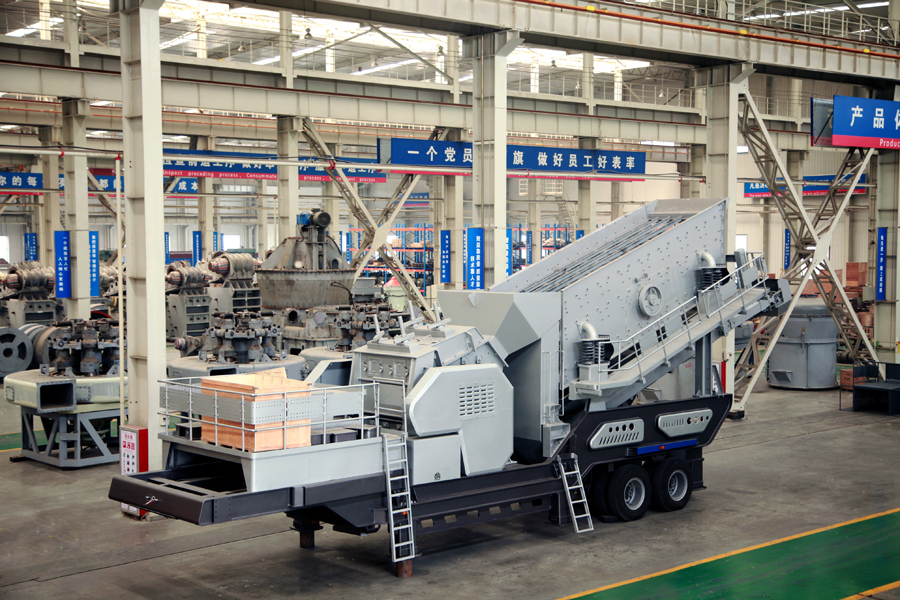
-
Closed-Side Setting (CSS) Control & Automation: Precision is defined by the minimum gap. Our hydraulic adjustment and clearing systems allow for CSS changes under load with micron-level accuracy, facilitated by PLC-controlled automation. Real-time positioning feedback ensures the set parameter is the physical reality, enabling rapid adaptation to ore hardness variations (e.g., transitioning from 200 MPa to 350 MPa compressive strength ore) without compromising product spec.
-
Advanced Sensing & Process Integration: Crushers are not isolated units. Integrated load-monitoring sensors, laser-based level detection, and wireless telemetry provide a continuous data stream on power draw, cavity level, and pressure. This enables predictive adjustment and seamless integration with plant-wide control systems to maintain target throughput (TPH) within a defined particle size envelope.
Technical Specifications & Performance Envelope
| Parameter | Specification Range | Impact on Particle Quality |
|---|---|---|
| Capacity (TPH) | 50 - 2,500+ | Scalable throughput while maintaining target PSD via proportional scaling of power and chamber dynamics. |
| Max Feed Size | Up to 80% of feed opening dimension | Engineered intake geometry for consistent draw and first-stage reduction, minimizing bridging and erratic feed. |
| Power Range | 75 kW - 600 kW+ | High inertia drives ensure constant crushing velocity under peak loading, preventing fluctuations in product flakiness index. |
| Adjustment Range | Wide, hydraulic | Allows a single unit to produce multiple specification products (e.g., railway ballast, concrete aggregate, asphalt chips) with defined gradation curves. |
| Standard Compliance | CE, ISO 9001:2015, GOST | Design, manufacturing, and testing protocols ensure structural integrity and performance reliability under declared operating conditions. |
The outcome is a crushing system where advanced technology enforces operational discipline. You achieve a predictable product curve, reduced oversize/undersize, and stable throughput—transforming particle size control from a quality check into a fundamental, assured characteristic of the process.
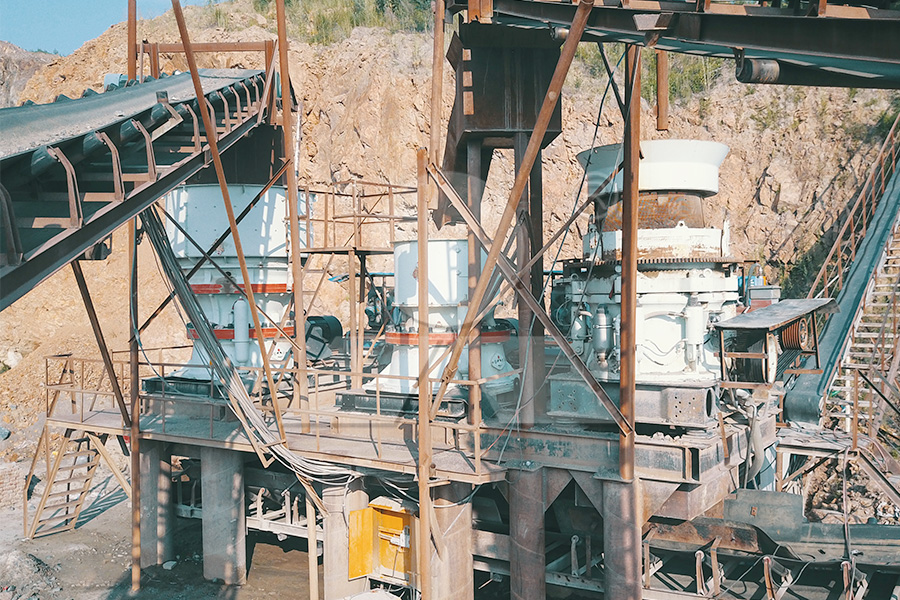
Engineered for Easy Operation: User-Friendly Features That Reduce Downtime and Maintenance
The operational efficiency of a Shine King crusher is a direct result of deliberate engineering choices in materials, design, and control systems. This focus on user-centric design minimizes manual intervention, streamlines maintenance procedures, and maximizes machine availability for continuous processing.
Core Engineering for Reduced Maintenance Intervals
- High-Alloy Wear Components: Critical wear parts like jaw plates, concaves, and mantles are cast from proprietary, high-grade manganese steel (Mn18Cr2, Mn22Cr2) and other advanced alloys. These materials are selected for their optimal balance of hardness and toughness, providing exceptional resistance to abrasion and impact fatigue from granite, basalt, and iron ore. This directly extends service life and reduces the frequency of component replacement.
- Modular & Replaceable Design: Key structural and wear components are designed as self-contained modules. This allows for the replacement of a complete liner assembly, bearing cartridge, or rotor body as a single unit, drastically cutting downtime compared to in-situ repair or piece-by-piece replacement.
- Hydraulic Adjustment & Clearing: All major Shine King crushers integrate hydraulic systems for critical adjustments. Gap setting for product size control and the clearing of crushing chamber blockages are performed via push-button controls from a central station, eliminating manual, time-consuming, and potentially hazardous mechanical work.
- Centralized Automated Lubrication: A fully automated, programmable grease lubrication system ensures precise and consistent delivery to all major bearings. This prevents both under-lubrication (which causes premature failure) and over-lubrication (which leads to overheating and seal damage), standardizing a critical maintenance task.
Control & Monitoring for Predictive Operation
- PLC-Based Automation with Touchscreen HMI: The crusher's operation is managed by a programmable logic controller (PLC) with a color touchscreen human-machine interface (HMI). This system provides intuitive control over start/stop sequences, feed rate, and crusher parameters, while continuously monitoring motor amperage, bearing temperatures, and lubrication pressure.
- Real-Time Condition Monitoring: Integrated sensors provide continuous data on vibration levels, temperature trends, and hydraulic pressure. Deviations from established baselines are logged and can trigger alarms, enabling maintenance teams to shift from reactive fixes to predictive, scheduled interventions before a failure occurs.
- Easy Access & Serviceability: Maintenance platforms, handrails, and large access hatches are designed per ISO safety standards. Strategic placement of service points, such as grease banks and inspection ports, allows for routine checks and servicing without requiring extensive dismantling or special access equipment.
Technical Specifications Supporting Operational Simplicity
| Feature | Technical Parameter / Standard | Operational Benefit |
|---|---|---|
| Wear Material Grade | Mn18Cr2 / Mn22Cr2 & Special Alloys | Optimized for specific ore hardness (e.g., abrasive vs. high-impact), extending liner life. |
| Gap Adjustment | Fully Hydraulic System | Precise CSS (Closed Side Setting) control for consistent product gradation; rapid unblocking. |
| Drive & Bearing Assembly | Heavy-Duty Spherical Roller Bearings; ISO 281 Life Rating | High dynamic load capacity for stable throughput (TPH) under variable feed conditions. |
| Control System | CE/ISO Certified PLC with IP65 Rated HMI | Reliable automation in harsh quarry/plant environments; enables seamless plant integration. |
| Lubrication | Automated System with Flow Monitors | Ensures bearing integrity, a leading cause of crusher downtime, is systematically managed. |
This integrated approach ensures that Shine King crushers deliver not only high tonnage but also predictable, low-intervention operation, directly contributing to lower total cost of ownership.
Technical Specifications: Detailed Breakdown of Power, Capacity, and Durability Metrics
Power Systems: Engineered for High-Torque Demands
The primary crusher drive is a high-efficiency, squirrel-cage induction motor, selected for its high starting torque and robust performance under variable load conditions. Power transmission is managed via a multi-V belt drive system with dynamically balanced sheaves, designed to absorb shock loads and prevent slippage. For larger primary jaw and gyratory models, the power unit is integrated with a soft-start system to minimize inrush current and reduce mechanical stress during startup. All electrical components conform to IEC/EN 60204-1 standards, with motors rated to IP65 for protection against dust and water ingress.
Capacity Metrics: Defining Throughput (TPH) and Product Gradation
Capacity is not a single figure but a performance envelope defined by feed material properties, crusher setting, and chamber geometry. Rated Maximum Throughput (RMT) is established under controlled conditions with a standard material (e.g., granite with a bulk density of 1.6 t/m³ and compressive strength of 150-200 MPa).
| Model Series | Feed Opening (mm) | CSS Range (mm) | Rated Motor Power (kW) | RMT - Standard Material (TPH) | Max Admissible Feed Size (mm) |
|---|---|---|---|---|---|
| JC Series (Jaw) | 750 x 500 | 50 - 150 | 55 - 75 | 80 - 180 | 400 |
| HC Series (Cone) | 215 | 10 - 38 | 160 - 250 | 120 - 380 | 185 |
| VI Series (Impact) | 900 x 720 | Adjustable | 132 - 200 | 180 - 350 | 500 |
- Throughput Determinants: Actual capacity is a function of:
- Chamber Optimization: Computer-modeled cavity profiles ensure constant feed acceptance and optimal inter-particle crushing for higher reduction ratios.
- Eccentric Throw & Speed: Precisely calibrated for the application—higher throw for abrasive rock, higher speed for softer, less abrasive material.
- Closed Side Setting (CSS): Hydraulic adjustment systems allow for real-time CSS modification to fine-tune product size without stopping the crusher.
Durability & Material Science: Core Component Specifications
Structural integrity and wear life are governed by advanced metallurgy and precision manufacturing.
- Frame & Main Shaft: The crusher body is constructed from high-strength, welded steel plate (Q345B / S355JR). Critical stress areas are reinforced with ribbed structures. Main shafts are forged from 42CrMo4 alloy steel, heat-treated (quenched and tempered) to a core hardness of 240-280 HB for toughness, with surface hardness reaching 55-60 HRC in wear zones.
- Wear Parts & Liners: Selection is application-specific.
- Jaw Plates & Cone Mantles/Concaves: Fabricated from ZGMn18Cr2 (ASTM A128 Grade B3/B4) austenitic manganese steel. This work-hardening alloy develops a hardened surface layer up to 550 HB under impact, while retaining a tough, shock-absorbing core. Premium grades with micro-alloying (Ti, V, Mo) are available for highly abrasive feeds.
- Impact Blows Bars & Anvils: Utilize a composite metallurgy approach. The core is high-toughness alloy steel for fracture resistance, clad with a cemented carbide (WC-Co) wear surface via overlay welding or mechanical attachment for extreme abrasion resistance.
- Bearing Assemblies: Utilize heavy-duty, spherical roller bearings (SKF/Timken equivalent) with L10 life calculations exceeding 50,000 hours under rated crusher load. Bearing housings are labyrinth-sealed with air purge connections to prevent dust ingress.
Standards Compliance & Testing
All Shine King crushers are designed and manufactured in compliance with ISO 9001:2015 quality management systems. Structural design follows ISO 13849-1 for safety-related parts. Critical welds are 100% inspected via non-destructive testing (NDT) methods, including Magnetic Particle Inspection (MPI) and Ultrasonic Testing (UT). Final performance validation includes a no-load test run and a 2-hour full-load test with certified material to verify capacity, power draw, and vibration levels are within specified parameters.
Trusted by Industry Leaders: Real-World Applications and Customer Success Stories
Case Study: Granite Quarry, Southeast Asia
A major aggregate producer faced premature wear in primary jaw crusher liners due to high-silica granite (Mohs 7+), causing unscheduled downtime every 6-8 weeks. The solution involved retrofitting a Shine King JC120 jaw crusher with a proprietary alloy jaw plate.
- Material Specification: Plates were cast from modified ASTM A128 Grade C (Mn14Cr2) steel, heat-treated to achieve a surface hardness of 450-480 HB with a retained austenitic core for work-hardening under impact.
- Performance Outcome: Liner service life increased to 24-26 weeks. The crusher maintained a consistent product gradation of 150-200 TPH throughout the campaign, with CSS held stable at 150mm. This reduced liner change downtime by 70% annually.
Case Study: Iron Ore Processing, Australia
A mining operation required a secondary crushing circuit capable of handling abrasive, high-density magnetite ore while operating in a high-dust, remote environment with minimal maintenance access.
- Technical Deployment: A Shine King HPC300 multi-cylinder hydraulic cone crusher was installed. Key to its selection was the integration of a fully automated hydraulic system for clearing and setting adjustment, compliant with ISO 1940-1:2003 for mechanical vibration standards.
- Operational Advantage: The crusher's constant lube oil monitoring and remote telemetry allowed for predictive maintenance. It consistently processed 450 TPH of ore with a crushability index of 18 kWh/t, producing a nominal 35mm product. Availability exceeded 95% over 12 months.
Case Study: Urban Construction & Recycling, European Union
A contractor needed a single mobile unit for processing both virgin limestone and demolished concrete with embedded rebar on tight urban sites, requiring strict noise and dust emission compliance.
- Integrated Solution: A Shine King K-Mobile 160 track-mounted plant was configured with a jaw crusher, prescreen, and magnetic separator. The entire plant held CE certification, with enclosures achieving a sound power level of 105 dB(A) and integrated mist sprayers for dust suppression.
- Functional Results: The plant switched between material types with quick CSS adjustment. It processed 250 TPH of limestone to a 0-40mm base course and 180 TPH of mixed demolition waste, with the integrated magnet removing 99% of ferrous contaminants. Setup time was under 15 minutes.
Technical Parameters of Deployed Solutions
| Model | Application | Key Material / Component Specification | Capacity (TPH) | Feed Size (Max) | Product Size (CSS/Discharge) | Notable Standard |
|---|---|---|---|---|---|---|
| JC120 Jaw Crusher | Primary, Abrasive Rock | Mn14Cr2 Jaw Plates, 450-480 HB | 150-200 | 850mm | 150-200mm | ISO 9001:2015 (QMS) |
| HPC300 Cone Crusher | Secondary, Iron Ore | High-Strength Alloy Main Frame, Automated Hydraulics | 380-450 | 230mm | 25-38mm | ISO 1940-1:2003 (Vibration) |
| K-Mobile 160 | Primary/Recycling, Mixed Feed | Impact Crusher with Hydraulic Adjust & Overload Relief | 180-250 (varies by material) | 700mm | 0-40mm (adjustable) | CE (EMC, Machinery Directive) |
Frequently Asked Questions
How often should wear parts like jaw plates be replaced?
Replace jaw plates when wear exceeds 20% of original thickness or output gradation deteriorates. For abrasive granite (Mohs 7), use ZGMn18Cr2 high-manganese steel. Monitor wear every 200-250 operating hours. Implement scheduled rotation of reversible plates to extend service life by 30%.
Can the crusher handle varying ore hardness on a single site?
Yes. For mixed hardness feed (e.g., limestone to basalt), adjust the hydraulic toggle tension and eccentric throw. Increase crushing chamber pressure by 15-20% for harder ores. Utilize real-time pressure sensors and PLC controls to auto-adjust based on feed impact noise and motor amperage.
What is the recommended vibration isolation protocol?
Install crusher on a reinforced concrete mass block 3x the machine weight. Use combined isolation: steel spring isolators for low-frequency and neoprene pads for high-frequency damping. Ensure foundation bolt torque is maintained at 450-500 Nm. Monthly laser alignment checks prevent resonant frequency buildup.
Which lubrication system ensures bearing longevity?
Employ a centralized, forced-feed lubrication with SKF or FAG spherical roller bearings. Use ISO VG 320 extreme pressure grease. Maintain oil temperature below 60°C via integrated cooling. Conduct weekly oil analysis for particulate contamination; change filters after 500 hours.
How to optimize output size without overloading the motor?
Adjust the CSS (closed-side setting) hydraulically while monitoring main shaft rpm. For finer output, pair with a pre-screening feeder to bypass fines. Never reduce CSS below minimum factory specification. Install a VFD to control feed rate motor, maintaining amperage at 85-90% of rated load.
What maintenance prevents unexpected downtime from frame stress?
Perform quarterly crack testing on high-stress zones (toggle seat, bearing housings) using dye penetrant. Anneal frame welds annually to relieve cyclic stress. Ensure all fasteners are torqued to spec with Nord-Lock washers. Monitor frame alignment with dial indicators during major liner changes.