In the dynamic world of construction and mining, efficiency and reliability are paramount. Sourcing a high-performance stone crusher machine is a critical decision that directly impacts project timelines and profitability. China has emerged as a global powerhouse in manufacturing these essential pieces of equipment, offering a compelling blend of advanced engineering, robust construction, and competitive value. From compact mobile units for on-site processing to massive stationary plants for large-scale aggregate production, Chinese manufacturers provide a vast and sophisticated array of solutions. This article delves into the key considerations, technological advancements, and market insights for procuring a stone crusher machine from China, empowering you to make an informed investment that drives your operational success forward.
Maximize Your Quarry Output with High-Efficiency Crushing Technology
High-efficiency crushing technology is defined by the precise engineering of mechanical forces and material composition to maximize throughput while minimizing operational wear and energy consumption. The core objective is to achieve a higher ratio of saleable product per unit of input energy and time, directly impacting your quarry's profitability.
The foundation of this efficiency lies in material science and robust design. Critical wear components, such as jaw plates, concaves, and mantles, are cast from advanced manganese steel alloys (e.g., ZGMn13, Mn18Cr2). These alloys work-harden under impact, creating a self-renewing wear surface that maintains sharp crushing edges longer, ensuring consistent product size and reducing change-out frequency. High-grade forged alloy steel is used for eccentric shafts and main frames, providing the structural integrity to handle peak loads from hard, abrasive ores like granite, basalt, and iron ore.
Adherence to international technical standards (ISO 9001, CE) is non-negotiable for reliable performance. These certifications validate the design, manufacturing, and testing protocols, ensuring machine safety, dimensional accuracy, and operational consistency. They are your assurance of a machine built to a globally recognized specification, not just a local price point.
Functional advantages of modern high-efficiency crushers include:
- Optimized Cavity Design: Computer-modeled crushing chambers ensure optimal nip angles and progressive crushing zones, reducing slippage and promoting a first-pass crush to boost throughput (TPH).
- Advanced Eccentric Motion: A steep toggle plate angle and aggressive eccentric throw combine to deliver a more powerful stroke at the feed opening, effectively breaking larger feed blocks and increasing capacity.
- Hydraulic Adjustment & Clearing: Integrated hydraulic systems allow for quick, precise CSS (Closed Side Setting) adjustments under load for real-time product gradation control. They also provide automatic overload protection by releasing tramp metal, minimizing downtime from uncrushable material.
- Direct Drive & Efficient Power Transmission: Modern crushers often utilize direct V-belt drives or gear couplings connected to high-efficiency motors, minimizing power loss compared to traditional indirect drives. This translates more engine kilowatts directly into crushing force.
- Intelligent Control Systems: PLC-based automation monitors main shaft speed, hydraulic pressure, and power draw, allowing for operational optimization and providing early diagnostics for preventative maintenance.
For operations requiring precise configuration, the following table outlines key technical parameters for primary and secondary crushing stages. These specifications are indicative of a well-engineered machine designed for high-volume output.
| Application Stage | Model Type (Example) | Max Feed Size (mm) | Capacity Range (TPH) | Recommended Ore Hardness (Mohs) | Key Wear Material Grade |
|---|---|---|---|---|---|
| Primary Crushing | Jaw Crusher (PE Series) | 1200 - 1500 | 200 - 1500 | ≤9 (Granite, Basalt) | Mn18Cr2 Jaw Plates |
| Secondary Crushing | Cone Crusher (HPY Series) | 200 - 350 | 100 - 1000 | ≤9 (Abrasives) | ZGMn13 Concave/Mantle |
| Tertiary/Quaternary | Multi-Cylinder Hydraulic Cone | 75 - 150 | 50 - 600 | ≤10 (Extreme Abrasives) | Mn18Cr2 with Ceramic Inserts |
Ultimately, maximizing output is a function of matching the crusher's engineered capabilities—its material composition, kinematic design, and drive efficiency—to your specific feed material and production targets. The correct machine operates at its design load consistently, producing a higher volume of in-spec aggregate with lower cost per ton over its operational lifespan.
Engineered for Extreme Loads: The Structural Integrity of Our Stone Crasher Machine
Structural integrity is non-negotiable for equipment subjected to cyclical high-impact loading and abrasive wear. Our crushers are engineered from the ground up to withstand these forces, ensuring operational longevity and reducing total cost of ownership through superior design and material selection.
Core Frame & Housing Construction
The main frame is a fabricated steel structure of welded and stress-relieved plates. Critical stress points are reinforced with high-rib configurations and additional wear liners. This design philosophy ensures dimensional stability under maximum load, preventing misalignment and premature bearing failure.
Critical Wear Component Material Science
Performance under extreme loads is dictated by the materials in the crushing chamber.
- Jaw Plates & Mantles/Concaves: Fabricated from premium ZGMn13 (Manganese Steel) or proprietary high-chromium cast iron alloys. The Mn-steel exhibits exceptional work-hardening properties; surface hardness increases from ~220 HB to over 500 HB under continuous impact, creating a progressively harder wear-resistant surface.
- Blow Bars & Impact Plates: Utilize composite metallurgy. A high-toughness alloy steel core absorbs impact energy to prevent fracture, while the outer wear layer is a high-chromium (26-30% Cr) cast iron for maximum abrasion resistance. This combination optimally balances fracture toughness and wear life.
- Shafts & Bearings: Forged from 42CrMo or similar high-strength alloy steel, heat-treated for optimal core toughness and surface hardness. They are supported by oversized, SPHERICAL ROLLER BEARINGS (ISO 15:2017 standard) selected for their self-aligning capability and high radial load capacity, essential for managing inevitable shock loads and minor frame deflections.
Engineering Standards & Validation
All structural designs comply with ISO 9001:2015 quality management systems and relevant CE machinery directives. Finite Element Analysis (FEA) is employed during the design phase to simulate stress distribution under peak load conditions, allowing for strategic reinforcement before manufacture. Dynamic load testing validates performance against calculated safety factors.
Operational Advantages for Mining & Quarrying
This engineered integrity translates directly into field performance:
- Adaptability to Ore Hardness: The material specifications allow for efficient processing of materials with compressive strengths exceeding 350 MPa, from granite to abrasive basalt and iron ore.
- Sustained TPH Capacity: Robust construction maintains optimal discharge settings and cavity geometry over longer periods, ensuring consistent throughput without degradation.
- Reduced Structural Fatigue: The stress-managed design mitigates crack propagation in the frame, directly extending the machine's service life in 24/7 operations.
- Lower Lifetime Cost: While the initial investment reflects this quality, the extended intervals between major overhauls and component replacement cycles result in a significantly lower cost per ton crushed.
Key Component Specification Overview
| Component | Primary Material | Key Property | Relevant Standard / Note |
|---|---|---|---|
| Main Frame | Fabricated Steel Plate (Q345B) | High Yield Strength, Welding Integrity | ISO 630-1; Stress-relieved post-weld |
| Jaw Plates | ZGMn13 / Modified Manganese Steel | Work-Hardening, Impact Absorption | GB/T 5680-2010 |
| Blow Bars | High-Chromium Cast Iron / Alloy Steel Composite | Abrasion Resistance & Fracture Toughness | Custom Composite Casting |
| Eccentric / Main Shaft | 42CrMo Alloy Steel | Fatigue Strength, Torsional Rigidity | Forged & Heat Treated per ISO 683-1 |
| Main Bearings | Spherical Roller Bearing | High Radial Load, Self-Aligning | ISO 15:2017 (Metric Series) |
Compare Models: Selecting the Right Stone Crasher for Your Project Needs
The selection of a stone crusher is a capital investment decision driven by engineering parameters, not just price. Chinese manufacturers offer a comprehensive range, but the key is matching the machine's core design to your material profile and operational targets. The primary division is between compression crushers (jaw, cone) for hard, abrasive rock and impact crushers (horizontal shaft impactor, vertical shaft impactor) for softer, less abrasive materials.
Core Crusher Types & Material Suitability
| Model Type | Primary Mechanism | Optimal Material Hardness (Mohs) | Max. Feed Size Range (mm) | Typical Product Shape | Dominant Wear Part Material |
|---|---|---|---|---|---|
| Jaw Crusher | Compression | 6 - 9 (Granite, Basalt, Quartzite) | 150 - 1200 | Slabby, angular | High Manganese Steel (Mn14, Mn18) |
| Cone Crusher | Compression | 6 - 9 (Abrasive, hard rock) | 50 - 300 | Cubic, uniform | Manganese Steel, Alloyed Mantle/Bowl Liners |
| Impact Crusher (HSI) | Impact & Attrition | 3 - 6 (Limestone, Concrete, Asphalt) | 200 - 800 | Uniform, cubic | High Chrome Cast Iron (Cr26, Cr28), Martensitic Steel |
| Hammer Crusher | Impact | 3 - 5 (Brittle, non-abrasive) | 200 - 600 | Irregular, fines | High Manganese or High Chrome Hammers |
Critical Selection Parameters Beyond Type
- Material Characteristics: Define the unconfined compressive strength (UCS), abrasiveness (SiO2 content), and moisture content of your feed material. A high-silica granite demands a robust jaw/cone with proper Mn-steel liners, while a wet, clayey material may necessitate a pre-screening or a different feed design.
- Capacity (TPH) & Product Gradation: Required throughput and final product sizes dictate the crusher's chamber design, eccentric throw (for cones), or rotor speed (for impactors). Specify your complete feed gradation curve and required product curves.
- Operational Configuration: Consider plant mobility (stationary, portable, or mobile track-mounted), feed method (direct dump or via feeder), and downstream processes. Closed-side setting (CSS) adjustment range and method (hydraulic vs. mechanical) are critical for consistent output.
Technical & Build Quality Assessment
When evaluating Chinese models, scrutinize these engineering aspects:
- Structural Integrity: The main frame should be fabricated from high-strength, low-alloy (HSLA) steel plate with full-penetration welds and strategic ribbing. Look for finite element analysis (FEA) documentation for stress distribution.
- Wear Part Metallurgy: This is non-negotiable. Verify the specific alloy grades.
- For jaws and cones: Demand Mn18Cr2 or superior manganese steel for work-hardening capability under impact.
- For impactors: Specify High-Chrome Cast Iron (Cr26+) for blow bars and wear plates to resist micro-abrasion.
- Bearing & Drive Selection: Main bearings should be internationally recognized brands (SKF, FAG, TIMKEN) sized for L10 life exceeding 50,000 hours under calculated loads. Drive sheaves and belts must be rated for peak torque, not just average load.
- Standard Compliance: Authentic CE marking requires a full technical file per the EU Machinery Directive. For mining, ISO 9001 for manufacturing and ISO 21873 for mobile crushers are relevant. Request the test certificates for critical welds and castings.
Functional Advantages by Crusher Type
-
Jaw Crushers (Primary)
- Highest possible reduction ratio for primary stage.
- Simple, robust design with minimal maintenance points.
- Effective with highly variable feed sizes and hard, blocky material.
-
Cone Crushers (Secondary/Tertiary)
- Produces the most consistent, in-spec cubicle product for asphalt and concrete aggregates.
- Efficient in high-tonnage, continuous operations with hard rock.
- Modern hydraulic systems allow for automatic overload protection and remote CSS adjustment.
-
Impact Crushers (Primary/Secondary)
- Superior product shape for softer materials, often eliminating the need for further shaping.
- High reduction ratio in a single stage.
- Adjustable rotor speed and apron gap allow for precise product control without liner changes.
Final Selection Protocol
- Sample Test: Provide a representative bulk sample (minimum 100kg) to the manufacturer for a crushing test. Analyze the output gradation, shape, and wear rate.
- Duty Cycle Analysis: Calculate the annual operating hours and expected wear part consumption. Model the total cost of ownership (TCO), not just the purchase price.
- Factory Audit: Inspect the manufacturer's foundry and machining lines. Confirm they produce their own critical wear parts and can guarantee material traceability.
- Reference Check: Contact existing clients with similar material and production goals. Inquire about actual availability, service support, and part longevity.
Technical Specifications: Precision Engineering for Reliable Performance
The core reliability of a Chinese stone crusher is engineered through material selection, adherence to international standards, and design optimized for continuous, high-impact duty. Performance is not incidental; it is a calculated outcome of precision manufacturing and robust construction.
Material Science & Core Component Integrity
Critical wear components are fabricated from high-grade materials to withstand extreme abrasion and impact fatigue.
- Jaws, Mantles, Concaves, Blow Bars: Manufactured from premium High Manganese Steel (Mn14, Mn18, Mn22) or Chrome Alloy Steel. These alloys work-harden under continuous impact, increasing surface hardness while retaining a tough, shock-absorbing core, thereby extending service life significantly over standard steels.
- Main Frame & Eccentric Shaft: The main frame is a heavy-duty, welded steel construction, often with reinforced ribbing. The eccentric shaft is a forged alloy steel component, heat-treated for supreme strength and fatigue resistance, ensuring precise, stable motion transmission under full load.
- Bearings: Utilize large-dimension, heavy-duty spherical roller bearings (e.g., SKF, TIMKEN, or equivalent). These are selected for high radial and axial load capacity, ensuring smooth operation, thermal stability, and longevity in dusty environments.
Engineering Standards & Certification
Manufacturing follows stringent quality protocols, with leading factories certified to ISO 9001:2015 for quality management systems. Crushers are designed and built to meet CE Marking requirements, indicating conformity with European health, safety, and environmental protection standards. This encompasses rigorous design reviews, material traceability, and factory acceptance testing (FAT) protocols.
Mining-Specific Performance Parameters
Design priorities focus on operational uptime, adaptability, and cost-per-ton efficiency in demanding quarry and mining applications.
- High Capacity & Throughput: Machines are engineered for optimal Tons Per Hour (TPH) output, balancing feed size, crushing chamber geometry, and power to maximize production. Capacities range from 50 TPH for mobile units to over 2000 TPH for large stationary primary crushers.
- Ore Hardness Adaptability: Crushing chamber profiles and machine configurations (e.g., jaw crusher for compressive strength, cone crusher for abrasive hardness, impactor for limestone) are tailored to material characteristics (compressive strength, abrasion index, silica content).
- Hydraulic Adjustment & Clearing: Modern crushers feature integrated hydraulic systems for safe, rapid adjustment of discharge settings and automatic clearing of chamber blockages, minimizing downtime and protecting the machine from tramp metal damage.
- Wear Part Optimization: Chamber designs and wear part profiles are computer-modeled (e.g., using DEM simulation) to ensure optimal nip angles, material flow, and crushing action, directly improving reduction ratio and wear part life.
Technical Parameter Overview
The following table outlines key specification ranges for primary crusher types, illustrating the engineering scope available.
| Crusher Type | Typical Feed Opening | Max Feed Size | Capacity Range (TPH) | Drive Power (kW) | Primary Application |
|---|---|---|---|---|---|
| Jaw Crusher | 250x400mm to 1500x2000mm | 210mm to 1200mm | 5 - 1600 | 15 - 400 | Primary crushing of hard, abrasive rock (granite, basalt). High compressive strength. |
| Cone Crusher | Fine/Medium/Coarse cavities | 75mm - 350mm | 45 - 2100 | 75 - 600 | Secondary/Tertiary crushing. High efficiency in mid-hard to very hard rock. |
| Impact Crusher | Varies by rotor size & design | 300mm - 800mm | 50 - 1500 | 90 - 500 | Primary/Secondary for low-abrasion rock (limestone, recycled concrete). Excellent cubical shape. |
| Heavy Hammer Crusher | Large feed inlet | Up to 1500mm+ | 100 - 3000 | 200 - 2000+ | Primary crushing of limestone & low-abrasive materials. Single-stage reduction capability. |
Functional Advantages of Precision Engineering
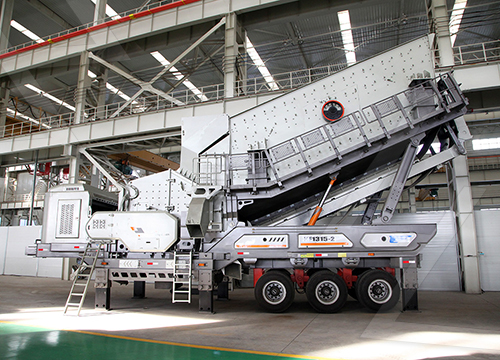
- Predictable Wear Life: Standardized, high-grade wear materials allow for accurate maintenance scheduling and cost forecasting.
- Interchangeability & Serviceability: Designs emphasize modular components and clear access points, reducing mean time to repair (MTTR).
- Dynamic Balancing: Rotors and shafts undergo high-precision dynamic balancing, minimizing vibration for smoother operation, reduced structural stress, and longer bearing life.
- Adaptable Configuration: Base machine designs are routinely customized with specific liners, drives, or feeding arrangements to match exact ore characteristics and plant layout.
Trusted by Global Contractors: Our Proven Track Record in Stone Crushing
Our machinery is engineered for continuous operation in the most demanding mining and quarrying environments. The core of our reliability lies in material selection and adherence to international engineering standards.
Material & Construction Integrity
- Critical Wear Parts: Jaws, concaves, and mantles are cast from high-grade manganese steel (Mn14Cr2, Mn18Cr2, Mn22Cr2). These alloys work-harden under impact, increasing surface hardness while retaining a tough, shock-absorbing core for extended service life against abrasive materials.
- Structural Frames: Fabricated from high-tensile steel plate with robotic welding and stress-relief annealing to prevent fatigue failure under cyclical loading.
- Bearing Housings: Machined from solid steel forgings to maintain precise alignment for heavy-duty spherical roller bearings, ensuring stability under peak load.
Certified Engineering & Performance Standards
All equipment is designed, manufactured, and tested to ISO 9001:2015 quality management systems. Key assemblies carry CE certification, validating compliance with EU safety and machinery directives. Performance metrics are verified against industry standards for noise, vibration, and dust emission control.
Operational Advantages for Large-Scale Contracting
- High Tonnage Throughput: Configurations range from 50 to over 1500 TPH (tonnes per hour), with plant design optimized for specific feed gradation and required product specification.
- Adaptive Crushing Chambers: Geometry is optimized for specific compressive strength ranges (e.g., <150 MPa for limestone, 150-250 MPa for granite, >250 MPa for basalt or abrasive ores), maximizing reduction ratio and minimizing recirculating load.
- Intelligent Drive Systems: Hydraulic adjustment and overload protection allow for real-time CSS (Closed Side Setting) control and automatic tramp iron release, minimizing downtime.
- Modular Plant Design: Pre-assembled modules for feeding, crushing, and screening reduce on-site civil works and commissioning time for fast project ramp-up.
Global Deployment Parameters
The following table outlines typical machine configurations deployed in recent international projects.
| Project Location | Primary Rock Type / Hardness (UCS) | Machine Model | Key Configuration | Avg. Output (TPH) | Primary Application |
|---|---|---|---|---|---|
| Australia | Iron Ore / 220-280 MPa | JC Series Jaw Crusher | Heavy-duty flywheel, reinforced frame | 650 | Primary crushing for pellet feed |
| Canada | Granite / 180-220 MPa | GP Series Cone Crusher | Coarse cavity, high stroke | 450 | Aggregate base course production |
| Saudi Arabia | Gabbro / 250-300 MPa | MP Series Cone Crusher | Extra coarse liner, high motor power | 850 | Railway ballast manufacturing |
| Chile | Copper Porphyry / 160-200 MPa | CI Series Impact Crusher | Heavy-duty rotor, 4-bar configuration | 600 | Tertiary crushing for heap leach |
This engineering-first approach, validated by documented performance across diverse geologies, provides the operational certainty required for fixed-price contracts and tight project schedules.
Frequently Asked Questions
How often should wear parts like jaw plates be replaced in Chinese stone crushers?
Replacement cycles depend on material hardness (Mohs 5-7 typically). For granite, high-manganese steel (ZGMn13Cr2) jaws last 80-150k tons. Monitor wear to 60% of original thickness. Use OEM-specified, heat-treated parts to prevent premature failure from improper metallurgy.
Can Chinese crushers handle varying ore hardness on the Mohs scale effectively?
Yes, with proper configuration. For hard rock (Mohs >7), specify a jaw crusher with a steeper nip angle and higher crushing force (≥250MPa). For softer stone, adjust eccentric shaft speed. Always verify the main frame is fabricated from Q345B steel for structural integrity under variable loads.
What are best practices for controlling excessive vibration in heavy-duty crushers?
Ensure proper foundation with vibration-damping pads. Imbalance often stems from worn bearings or uneven rotor wear. Use premium branded bearings (like SKF or FAG) and perform dynamic balancing on the rotor assembly. Regularly check all fastener torques to manufacturer's specs.
What lubrication system is critical for cone crusher longevity in Chinese models?
A closed-loop, forced-filtration system is essential. Maintain ISO VG 320 extreme pressure gear oil with strict temperature control (45-55°C). Key is ensuring the hydraulic adjustment system operates at 1.5-2.0 MPa to prevent metal-to-metal contact in the crushing chamber.
How do I ensure the electrical motor is correctly matched for a Chinese crusher's duty cycle?
Verify motor power exceeds the crusher's rated requirement by 15-20% for peak load tolerance. Use a soft starter or VFD (Variable Frequency Drive) to manage inrush current. Insist on motors with IP65 protection and Class F insulation for harsh, dusty quarry environments.
Are Chinese crusher frames robust enough for continuous, high-tonnage operations?
Quality units use welded steel frames from Q345B or stronger plate, stress-relieved. Critical is verifying weld seam integrity via non-destructive testing (NDT). Reinforcements at bearing housings and pivot points are mandatory. Always request a certified mill test report for frame materials.