In the dynamic world of mining, operational agility and rapid deployment are paramount for maintaining a competitive edge. This is where the innovative skid mounting portable crushing system emerges as a transformative solution. Engineered for robust performance in the most demanding environments, these integrated units combine formidable crushing power with exceptional mobility. By arriving on-site pre-assembled and ready for swift connection, they dramatically reduce setup times and infrastructure costs, allowing mining companies to efficiently process material directly at the source. This strategic approach not only optimizes logistics and lowers operational expenses but also enhances flexibility to follow mineral deposits. Embracing this technology represents a significant step forward in building a more responsive, efficient, and profitable mining operation.
Maximizing Mining Efficiency: The Power of Portable Crushing Systems
Portable crushing systems represent a paradigm shift from fixed-plant dogma, transforming operational efficiency by moving the crusher to the material. This eliminates the high-cost, high-risk cycle of trucking raw feed over long distances to a stationary primary. For a mining operation, efficiency is measured in throughput per unit cost and asset utilization. Skid-mounted portables deliver this by integrating the entire primary crushing circuit—feeder, crusher, discharge conveyor, and power unit—onto a single, rigid steel chassis. This engineered mobility allows the system to be positioned at the active mining face, drastically reducing haulage fuel consumption, cycle times, and loader wear.
The core efficiency gains are structural and material-scientific. These are not merely transportable plants; they are engineered for the dynamic stresses of relocation and high-impact crushing.
Key Functional Advantages for Mining Operations:
- Face-Following Capability: Direct feeding from the pit face reduces primary haulage distances to near zero, cutting diesel consumption and fleet requirements by up to 30% in typical scenarios.
- Rapid Site Redeployment: Pre-wired and pre-piped modules with heavy-duty lifting lugs allow movement between pits or benches in a matter of days using conventional heavy haul equipment, maximizing resource extraction agility.
- Optimized Feed and Reduction: Engineered with high-capacity vibrating grizzly feeders (VGF) to bypass fines and scalp oversize, ensuring the crusher chamber is only processing material within its optimal reduction range, preventing choke and minimizing wear.
- In-Pit Flexibility: Enables strategic placement for direct feeding into overland conveyor systems or secondary processing hubs, streamlining the entire material flow path from extraction to beneficiation.
The system's durability under punishing mining conditions is non-negotiable. Critical wear components are fabricated from premium, impact-resistant alloys. Jaw crusher jaws, cone mantles, and concaves are cast from 18% to 22% Manganese Steel (Mn14, Mn18, Mn22) or advanced Chrome-Molybdenum alloys (e.g., TeroX™ grades). These materials work-harden under continuous impact, developing a surface hardness exceeding 550 BHN while retaining a tough, shock-absorbing core to prevent catastrophic failure. Liners and cheek plates are designed for symmetrical or rotational wear utilization, extending service life and reducing downtime for replacements.
Compliance with international technical standards ensures structural integrity and operational safety. The skid frame is designed and fabricated in accordance with ISO 8528 for generator sets and relevant ISO 3834 standards for welding quality. Electrical systems and machine safety interfaces conform to CE directives and IEC 60204-1. This certified engineering provides the reassurance that the portable system is a robust, reliable asset.
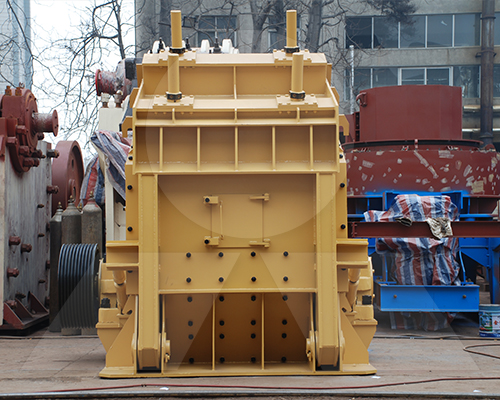
For mine planning, the selection is driven by geotechnical data and production targets. The following parameters are critical for system specification:
| Parameter | Specification Range | Mining Application Consideration |
|---|---|---|
| Primary Crusher Type | Jaw Crusher, Gyratory Crusher | Jaw: Ideal for abrasive, hard rock (e.g., granite, iron ore). Gyratory: Superior for high-tonnage, less abrasive feeds. |
| Feed Opening / Gap | 900mm x 600mm to 1500mm x 1200mm (Jaw) | Must accommodate maximum expected feed size from the blast pattern. |
| Capacity (TPH) | 300 - 1,500+ TPH | Matched to excavator/loader output and downstream plant capacity. Varies with ore density, hardness, and CSS. |
| Ore Hardness Adaptability | Compressive Strength: <175 MPa to >350 MPa | Crusher geometry and alloy grade must be selected for specific ore type (e.g., abrasive taconite vs. competent copper porphyry). |
| Drive System | Diesel-Electric or Direct Diesel | Diesel-electric offers superior torque control and fuel efficiency for variable loading; direct drive provides simplicity for high-inertia crushing. |
| Skid Dimensions (LxW) | ~15m x 5m to 25m x 7m | Dictates pad preparation requirements and maneuverability within the pit layout. |
Ultimately, the power of a skid-mounted portable system is its function as a strategic, high-availability tool. It decouples primary crushing from fixed infrastructure, allowing the mine plan to be driven by geology and resource sequencing, not plant location. This operational flexibility, grounded in heavy-duty engineering and material science, directly translates to a lower cost per ton mined—the definitive metric of mining efficiency.
Engineered for Extreme Environments: Durability and Reliability in Skid-Mounted Design
The skid-mounted portable crushing system is engineered as a unified, rigid structural platform to withstand the extreme mechanical stresses and environmental conditions inherent to mining operations. Its design philosophy prioritizes structural integrity and component longevity over the entire lifecycle, directly translating to reduced downtime and lower total cost of ownership in remote, demanding sites.
Core Structural and Material Integrity
The system's durability originates in its foundational engineering. The primary skid frame is constructed from high-tensile, low-alloy steel (conforming to standards such as ASTM A572 or equivalent), fabricated using robotic welding and stress-relieved to prevent fatigue cracking under dynamic loads. Critical wear components are specified based on a detailed analysis of the target ore's abrasion index (Ai) and compressive strength.
- Jaw Crushers & Primary Impactors: Utilize premium manganese steel (Mn14% to Mn22%) castings with optimized metallurgy for work-hardening capabilities, extending service life in high-abrasion applications.
- Cone Crusher Liners: Manufactured from specialized alloys (e.g., martensitic white iron with chrome content >20%) to handle extreme compressive forces and abrasive wear in secondary/tertiary crushing stages.
- Feed Hoppers, Skirtboards, and Chutes: Lined with replaceable AR400 or AR500 abrasion-resistant steel plate, minimizing material adherence and wear at transfer points.
Mining-Specific Design for Reliability
Reliability is engineered through design features that address common failure points in harsh environments. The integrated design eliminates flexible connections between major components, ensuring precise and permanent alignment of crusher, feeder, and conveyor interfaces. This prevents the premature wear, spillage, and vibration issues typical of modular setups.
- Sealed and Protected Drives: Motors, gearboxes, and bearings are housed within the skid structure, shielded from direct dust ingress and physical impact. Critical lube and hydraulic systems feature centralized, accessible points for servicing.
- Environmental Hardening: Electrical enclosures are rated to a minimum of IP65 for dust and water protection. Pneumatic and hydraulic lines are routed internally where possible, with external lines protected by armored conduit or guarding.
- Maintenance Accessibility: Strategic access platforms, walkways, and hinged guards are integrated into the skid design, allowing for safe and efficient liner changes, tension adjustments, and routine inspections without requiring external scaffolding.
Performance Assurance Through Engineering Standards
Every system is designed, manufactured, and tested to rigorous international standards, providing verifiable benchmarks for performance and safety.
| Compliance Area | Relevant Standard | Application in Skid-Mount Design |
|---|---|---|
| Structural Design | ISO 8525 (Continuous mechanical handling equipment) | Governs the design of the integrated structure for load distribution and dynamic stability. |
| Machine Safety | ISO 21873 (Building construction machinery) / CE Machinery Directive 2006/42/EC | Mandates integrated guarding, emergency stops, lock-out/tag-out points, and risk assessment documentation. |
| Welding & Fabrication | ISO 3834 / EN 1090 | Quality management requirements for fusion welding of metallic structures, ensuring weld integrity. |
| Electrical Systems | IEC 60204 (Safety of machinery) | Specifies requirements for electrical equipment, ensuring protection against shock, fire, and environmental factors. |
This engineered approach ensures the system delivers consistent Tonnage Per Hour (TPH) capacity, as validated during factory acceptance testing, and maintains operational availability exceeding 92% in typical mining duty cycles. The inherent adaptability of the design allows for the specification of components—from crusher chamber profiles to screen deck configurations—precisely matched to the ore hardness (e.g., granite, iron ore, copper porphyry) and desired product gradation.
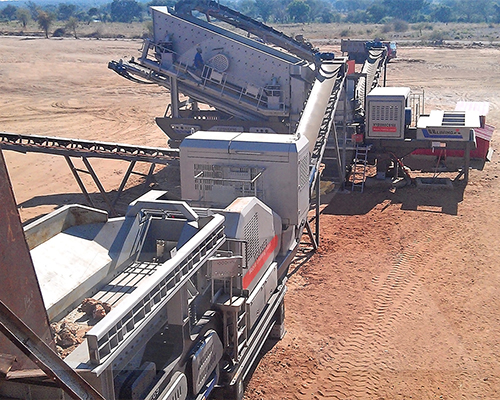
Seamless Integration and Rapid Deployment: How Our System Reduces Downtime
The core engineering principle behind our skid-mounted system is the pre-integration of all major crushing, screening, and material handling modules onto a single, rigid structural steel base frame. This eliminates the multi-week site assembly, alignment, and commissioning of traditional stationary plants. The system arrives at your site as a fully wired, piped, and factory-tested unit, requiring only connection to primary power, minimal ground leveling, and tie-downs.
Key Functional Advantages for Rapid Deployment:
- Pre-Engineered Foundation: Eliminates the need for complex, poured-in-place concrete foundations. The system is designed for deployment on compacted gravel or existing hardstand, with integrated jacking and leveling systems.
- Plug-and-Play Logistics: All inter-module conveyors, chutes, and walkways are permanently aligned. Electrical systems are housed in centralized, ISO-rated control cabinets with pre-terminated, color-coded cabling harnesses for rapid field connection.
- Unified Structural Dynamics: The heavy-duty, welded base frame (fabricated to ISO 8525 for structural integrity) ensures all components—from the primary jaw crusher to the final screen deck—maintain precise alignment during transport and operation, preventing the downtime associated with settling and misalignment.
Technical Specifications for Seamless Integration:
| Parameter | Specification | Impact on Downtime |
|---|---|---|
| Mobilization Timeline | Commissioning within 48-72 hours of site arrival. | Reduces non-productive period from weeks to days. |
| Primary Crusher Wear Material | Jaw/cone liners in premium 18-22% Manganese Steel (Mn18-22%) or application-specific alloys (e.g., T400/450 for abrasion). | Maximizes wear life in hard rock (e.g., granite, taconite) applications, extending campaign intervals between liner changes. |
| Drive System Integration | Direct-coupled or V-belt drives with laser-aligned bases; motors compliant with IEC/ISO standards. | Eliminates alignment checks post-transport; ensures optimal power transmission and bearing life. |
| Feed System Adaptability | Pre-engineered interfaces for direct dump hopper, feeder, or loader feed. Hopper walls lined with AR400 steel plate. | Allows quick tie-in to existing mine face haulage or processing stream with minimal material handling bottlenecks. |
The system’s design accommodates a throughput range of 150 to 800+ TPH, with crusher cavity profiles and screen media selected based on your specific ore characteristics (Abrasion Index, Work Index, moisture content). This ensures the plant is not just quickly deployed, but optimally configured from day one to handle your material’s hardness and abrasiveness without process-induced stoppages. All structural, mechanical, and electrical assemblies are certified to relevant CE and ISO standards (including ISO 21873 for mobile crushers), providing assurance of built-in safety and reliability, further mitigating operational risk and unplanned downtime.
Advanced Technical Specifications: Optimized Performance for Mining Operations
Core Structural & Material Engineering
The system's performance is fundamentally dictated by its material composition and structural design, engineered for the extreme abrasion and impact loads of mining environments.
- Primary Frame & Skid Structure: Fabricated from high-tensile, low-alloy steel (ASTM A572 Grade 50 or equivalent), the skid base provides a rigid, torsion-resistant platform. The integrated heavy-duty lifting lugs and transport tie-down points are designed to ISO 12480-1 standards for safe rigging and transport between sites.
- Wear Component Metallurgy: Critical wear parts are cast from proprietary austenitic manganese steels (e.g., 18% Mn, 2% Cr) and ultra-high-chrome white iron alloys (e.g., 27% Cr). These materials undergo controlled heat treatment to achieve optimal hardness (550-700 HB) and toughness, maximizing service life against highly abrasive iron ore, copper ore, and granite.
- Crusher Specifications: Jaw crushers feature a deep crushing chamber and an aggressive nip angle for high reduction ratios. Cone crushers utilize advanced crushing chamber profiles (e.g., coarse, medium, fine) and are equipped with hydraulic adjustment and overload relief systems (ASME B30.26 compliant) for consistent product size and uncrushable material protection.
Performance Parameters & Operational Adaptability
The system is configured not just for peak throughput, but for sustained, reliable operation across variable feed conditions typical of mining cycles.
| Parameter | Specification Range | Mining Operational Implication |
|---|---|---|
| Nominal Throughput (TPH) | 150 - 1,200+ TPH | Scalable capacity matched to primary excavation and hauling schedules, minimizing bottleneck risk. |
| Max Feed Size | Up to 900mm (Jaw) / 250mm (Cone) | Capable of accepting direct dump from large haul trucks (e.g., CAT 777, Komatsu HD785), reducing primary breaking needs. |
| Product Size Range | 40mm - 250mm (adjustable) | Directly produces feed material for downstream SAG mills or leach pads, enabling in-pit crushing and conveying (IPCC) configurations. |
| Power Plant | 300 kVA - 1.2 MVA (Diesel Electric) | Self-contained, high-efficiency gensets with Tier 4 Final/Stage V compliance for global deployment. Optional grid-tie connection. |
| Operating Weight | ~45 - 220 metric tons | Engineered for stability on prepared mine pads; weight distribution optimized for transportability with standard low-loaders. |
- Hardness & Abrasiveness Adaptability: Interchangeable liner profiles and alloy selections allow the crushing chamber to be optimized for specific ore characteristics (e.g., compressive strength, silica content, abrasion index).
- Dust Suppression & Containment: Integrated, high-pressure spray systems with solenoid control suppress dust at primary feed and discharge points, designed to meet MSHA 30 CFR Part 56/57 and similar global standards.
- Control & Telemetry: Centralized PLC-based control system with SCADA integration provides real-time monitoring of power draw, chamber pressure, and bearing temperatures. Capable of remote diagnostics and data logging for predictive maintenance scheduling.
Compliance & Certification Framework
All system design, manufacturing, and safety interfaces adhere to internationally recognized standards, ensuring operational integrity and personnel safety.
- Structural Design: Engineered and certified to ISO 12100 (Safety of Machinery) and FEM 1.001 standards for mobile equipment.
- Electrical Systems: Built to IEC 60204-1 standards, with components housed in IP65-rated enclosures. Full CE marking dossier available.
- Noise Emission: Designed to operate within ISO 4871 declared noise emission levels, typically below 85 dB(A) at 1 meter for critical components.
Proven Results and Industry Trust: Case Studies and Client Testimonials
Case Study: High-Abrasion Iron Ore Operation, Pilbara Region, Australia
Client Challenge: A tier-one miner required a primary crushing solution for a satellite deposit with a 5-year lifespan. The high-silica (Bond Work Index >18 kWh/t) ore was causing rapid wear on competitor units, leading to unsustainable liner change downtime and cost. A permanent plant was not economically viable.
Our Solution: Deployment of a Model PM-1212 Skid-Mounted Primary Jaw Crusher system, featuring:
- Wear Package: Jaw plates and side liners fabricated from 18% Manganese steel with TiC (Titanium Carbide) reinforcement via overlay welding in high-wear zones. Cheek plates utilize a hardened AR400 steel substrate.
- Structural Integrity: Main crusher frame is constructed from S355J2+N structural steel, with stress-relieving performed post-weld to prevent fatigue cracking under cyclic loading.
- Mobility & Setup: Fully skid-mounted with integrated hydraulic run-on jacks and lifting lugs. The system was transported in 3 modules and was operational within 72 hours of arrival on site.
Quantified Results (36-Month Period):
- Availability: Achieved 96.7% mechanical availability against a contract guarantee of 94%.
- Throughput: Consistently processed 550-580 TPH of ROM ore (nominal 500 TPH design capacity).
- Wear Life: Liner life extended by 140% compared to the client's previous setup, reducing change-out frequency from 6 to 14 weeks.
- Cost Saving: Total cost per tonne crushed reduced by an estimated 22%, factoring in liner costs, downtime, and labor.
Client Testimonials: Engineering Feedback
"The metallurgical specification of the wear parts was the differentiator. Our on-site metallurgist validated the Mn-steel grade and microstructure. The CE-certified design documentation, including FEA stress reports, gave our engineering team the confidence to approve rapid deployment."
– Head of Plant Engineering, Copper Mine, Chile
"We operate across varying ore bodies with different compressive strengths (80 MPa to 280 MPa). The hydraulic adjustment and overload relief system on the skid-mounted cone crusher allows our operators to adapt the crushing parameters in real-time, protecting the machinery and maintaining product gradation."
– Operations Superintendent, Gold Mining Conglomerate, West Africa
"The skid's structural design allowed for direct mounting onto our prepared platform without extensive concrete works. The integrated PLC with SCADA compatibility provided the necessary data (power draw, chamber pressure) for our predictive maintenance models, aligning with our ISO 55001 asset management standards."
– Maintenance Manager, Aggregate & Industrial Minerals Producer, Canada
Technical Performance Summary: Key Documented Advantages
The following functional advantages are consistently validated across multiple client deployments in hard rock mining:
- Rapid Deployment & Rigidity: Pre-assembled, pre-wired, and pre-tested skids minimize commissioning time. The rigid, unitary frame design ensures precise alignment of crusher, motor, and feeder under dynamic loading, critical for consistent gap setting and product sizing.
- Superior Wear Resistance: Utilization of premium alloy steels (Mn18Cr2, AR500) in wear components, selected based on ore abrasion index and impact energy. Optional ceramic liners for highly abrasive, low-impact applications.
- Adaptive Crushing Dynamics: Systems are engineered with sufficient installed power and hydraulic capacity to handle fluctuating feed sizes and hardness without stalling, ensuring rated TPH is achieved under real-world, non-ideal feed conditions.
- Regulatory & Safety Compliance: Designs are validated to relevant ISO 21873 (Mobile crushers) and machinery safety standards. All access platforms, guarding, and emergency stops are integrated at the factory, ensuring site compliance.
Performance Data Table: Model Variants for Mining Applications
| Model | Crusher Type | Feed Opening | Max. Power | Nominal Capacity* (TPH) | Typical Application Ore (Unconfined Compressive Strength) | Primary Skid Weight (approx.) |
|---|---|---|---|---|---|---|
| PM-1212 | Jaw Crusher | 1200mm x 1200mm | 250 kW | 450 - 650 | Iron Ore, Gabbro (180 - 250 MPa) | 58,000 kg |
| SC-800 | Cone Crusher | 300mm | 315 kW | 350 - 550 | Copper Porphyry, Granite (150 - 220 MPa) | 42,000 kg |
| HS-1416 | Horizontal Shaft Impactor | 1400mm x 1600mm | 500 kW | 600 - 900 | Limestone, Recycled Concrete (80 - 150 MPa) | 65,000 kg |
*Capacity range depends on feed gradation, bulk density, and closed-side setting. Values are for materials with a bulk density of 1.6 t/m³.
Comprehensive Support and Customization: Tailoring Solutions to Your Mining Needs
Our engineering philosophy is predicated on the principle that a crushing system is a capital investment, not a commodity. We provide end-to-end technical partnership, from pre-feasibility analysis through to commissioning and lifecycle support, ensuring the skid-mounted plant is a precise operational and economic fit for your deposit.
Pre-Installation Technical Collaboration
- Site & Ore Body Analysis: We conduct a thorough review of your geotechnical reports, ore hardness (Bond Work Index), abrasion index, and feed gradation to model crusher chamber kinematics and predict liner wear life.
- Flow Sheet Integration: Our process engineers work with your team to optimize the entire circuit, ensuring the primary skid unit is correctly sized for required TPH and product specification, preventing bottlenecks in downstream screening or conveying.
- Modular Configuration: The skid's structural design is adapted for your specific layout constraints, whether for tight-pit benching, underground portal placement, or tandem operation with mobile screens. We engineer for local seismic, wind, and foundation conditions.
Core System Customization & Material Specifications
| Customization Parameter | Technical Scope & Standards | Mining-Specific Rationale |
|---|---|---|
| Crusher Selection & Liner Metallurgy | Jaw: Fixed & moving jaws in 18-22% Mn-steel with optional Cr-Mo alloy backing plates. Cone: Mantle/bowl liners in high-grade manganese (Mn14, Mn18, Mn22) or TIC (Tungsten Carbide Insert) alloy for ultra-abrasive applications. | Maximizes uptime between liner changes. Material grade is selected based on silica content and compressive strength of the ore. |
| Structural Fabrication | Primary skid frame built from high-tensile S355JR/AR steel (ISO 630-2). Critical stress points are FEA-analyzed and reinforced. Welding procedures follow ISO 3834 and ASME Section IX. | Ensures structural integrity under dynamic loading and during transport over rough terrain. Certified welds prevent fatigue failure. |
| Drive & Power Package | Options include direct diesel-hydraulic, electric motor (IE3/IE4 efficiency class), or hybrid configurations. All drives are CE/ATEX certified for specified zone compliance. | Enables operation in remote, grid-less locations or integration into fixed-plant power infrastructure. Essential for safety in potentially explosive atmospheres. |
| Dust Suppression & Control | Integrated spray bar systems with solenoid control, designed to ISO 21832. Optional sealed crusher housings with negative pressure baghouse connections. | Critical for operator health, environmental compliance, and reducing wear from abrasive dust within mechanical components. |
Post-Deployment Support & Optimization
- Performance Audits & Wear Monitoring: We establish baseline metrics for throughput (TPH), power draw (kW), and product shape. Regular liner wear mapping allows for predictive maintenance scheduling, not reactive downtime.
- Remote Diagnostics & OEM Parts: Telematics packages provide real-time operational data. Using genuine OEM wear parts, cast from original patterns and metallurgical recipes, guarantees specified performance and protects crusher warranties.
- Capacity Upgrade Paths: The modular design allows for future capacity increases via crusher chamber upgrades, higher-power drive motors, or auxiliary pre-screening skids, protecting your investment against evolving mine plans.
Our commitment is to deliver a system engineered for your ore, your site, and your long-term production goals. The result is a portable asset that achieves target availability, minimizes cost-per-ton, and integrates seamlessly into your mining operation.
Frequently Asked Questions
How often should wear parts be replaced in a skid-mounted portable crusher?
Replace high-manganese steel jaw plates and cone liners every 500-1,500 operational hours, depending on ore abrasiveness (Mohs 5+). Monitor wear patterns. Using premium-grade steel like Hadfield’s 12-14% Mn, water toughened, optimizes service life. Implement predictive maintenance via laser scanning for thickness measurement.
Can this system handle varying ore hardness on different sites?
Yes. Configure the crusher cavity and eccentric throw for the target Mohs scale. For hard rock (Mohs 7-8), use a coarse setting and high chrome blow bars. For softer material, adjust to a finer setting. The hydraulic system allows on-the-fly CSS adjustments to maintain optimal throughput and product size.
What vibration control measures are critical for stable operation?
Integrate heavy-duty rubber shear mounts or coil spring isolators between the skid and crusher frame. Ensure the skid base is laser-leveled on compacted ground. Dynamic balancing of the rotor/mantle during assembly is mandatory. Monitor with tri-axial accelerometers, keeping velocity under 5 mm/s RMS.
What are the specific lubrication requirements for the main bearings?
Use ISO VG 320 extreme pressure (EP) grease for roller bearings (e.g., SKF or Timken). For circulating oil systems, maintain ISO VG 150-220 with anti-wear additives. Filter to 10 microns. Monitor oil temperature (max 80°C) and conduct quarterly spectrometric oil analysis to detect early wear metals.
How is the system adapted for extreme environments like high dust or cold?
Employ IP65-rated electrical enclosures with positive pressure purgers. For lubrication, use synthetic oils with wide viscosity index. In cold climates, integrate thermostatically controlled oil heaters and insulated hydraulic lines. Use centralized, automated grease systems to ensure lubrication in high-dust conditions.
What is the protocol for quick setup and relocation?
Utilize integrated lifting lugs and pre-routed hydraulic/pneumatic lines. The skid requires only 4-6 anchor bolts per major module. For relocation, disconnect quick-release couplings for power and hydraulics. Always verify frame alignment with laser levels after each move to prevent premature wear.