As Kuala Lumpur’s skyline continues its ambitious ascent, the city’s insatiable construction demands place immense pressure on a fundamental resource: sand. The traditional methods of sourcing this critical material often raise significant concerns regarding environmental impact, regulatory compliance, and supply chain efficiency. This article explores the pivotal shift toward optimized sand mining processes tailored for the Greater Kuala Lumpur region. We delve into innovative solutions that balance the relentless pace of urban development with sustainable and responsible extraction practices. By integrating advanced technologies, strategic planning, and stringent environmental safeguards, the industry can secure a reliable supply of high-quality aggregates, ensuring the structural integrity of tomorrow’s landmarks while safeguarding the natural landscape for future generations.
Meeting Kuala Lumpur's Urban Growth: Our Efficient Sand Mining Process for Sustainable Development
Kuala Lumpur’s unprecedented urban expansion requires a sand supply chain that is both high-volume and environmentally responsible. Conventional extraction methods are insufficient to meet the scale of demand while adhering to modern sustainability mandates. Our engineered sand mining process integrates advanced material handling and classification technology to deliver consistent, specification-grade aggregates without compromising ecological integrity.
The core of our operational efficiency lies in the deployment of heavy-duty processing equipment designed for the specific geological profiles of the Klang Valley region.
Key Functional Advantages of the Deployed System:
- Superior Abrasion Resistance: Critical wear components, such as crusher liners, pump volutes, and classifier shoes, are fabricated from high-chrome white iron (HCWI) and manganese steel (Mn14, Mn18). These alloys are selected for their optimal balance of hardness and toughness, directly countering the high silica content and abrasive nature of local deposits, resulting in a 40-60% longer service life compared to standard carbon steel.
- Precision Particle Size Control: A multi-stage hydraulic classification and screening circuit ensures precise adherence to MS/BS/ISO 14688 standards for construction sand. This eliminates undersized fines and oversized particles, producing a consistent gradation curve essential for high-strength concrete and mortar.
- High-Capacity Throughput: The plant is engineered for a steady-state processing capacity of 350-450 Tons Per Hour (TPH). This is achieved through optimally sized crushers, high-volume slurry pumps, and large-diameter hydrocyclones, ensuring bulk supply for major infrastructure projects.
- Adaptability to Feed Variability: The process flow is modular, with adjustable crusher settings and variable-speed classifier drives. This allows for real-time adjustment to accommodate fluctuations in feed material hardness (from 2 to 4 on the Mohs scale) and clay content, maintaining product quality without shutdowns.
- Closed-Loop Water Management: Over 95% of process water is recirculated within a closed system comprising settling ponds and clarifiers. This drastically reduces freshwater extraction and ensures zero direct discharge of silt-laden water into local waterways, a critical compliance factor.
Technical Parameters of the Primary Processing Line:
| System Component | Model Specification | Key Parameter | Performance Metric |
|---|---|---|---|
| Primary Jaw Crusher | Heavy-Duty, Hydraulic Toggle | Feed Opening: 1200mm x 800mm | Max. Feed Size: 650mm |
| Secondary Cone Crusher | Multi-Cylinder Hydraulic | Closed Side Setting (CSS): 25-40mm | Product Range: 0-40mm |
| Tertiary Vertical Shaft Impactor (VSI) | Rock-on-Rock Design | Rotor Diameter: 800mm | Sand Manufacture & Cubical Shape |
| High-Frequency Dewatering Screen | Linear Motion, Polyurethane Panels | Screen Area: 6m² | Final Moisture Content: <10% |
| Slurry Pump (for Cyclone Feed) | Heavy-Duty, Centrifugal | Impeller Material: HCWI Alloy | Flow Rate: 500 m³/hr |
The entire plant is designed and manufactured in compliance with international machinery safety standards (CE marked) and is operated under a rigorous quality management system aligned with ISO 9001:2015. This ensures not only the reliability of the equipment but also the traceability and consistent quality of every batch of sand produced.
This technical approach transforms sand mining from a simple extraction activity into a controlled, industrial manufacturing process. It directly supports Kuala Lumpur's growth by providing a reliable, high-specification raw material, while setting a new benchmark for environmental stewardship in the regional aggregate industry.
Advanced Extraction Technology: Maximizing Yield and Minimizing Environmental Impact in KL Projects
The extraction phase is the critical determinant of both project economics and environmental compliance. For Kuala Lumpur's unique geology, characterized by variable overburden and heterogeneous sand deposits, conventional methods are insufficient. Advanced extraction technology integrates precision machinery, material science, and process control to achieve high yield with minimal footprint.
Core Technological Pillars:
-
High-Abrasion-Resistance Material Science: Excavator buckets, crusher liners, and pump volutes are fabricated from specialized alloys. The use of Hadfield Manganese Steel (Mn14, Mn18) for impact components and high-chrome white iron (Cr23, Cr27) for sliding abrasion zones extends component life by 300-400% compared to standard carbon steel, reducing downtime and material waste from frequent replacements.
-
Precision Dredging & Classification: Modern cutter suction dredgers (CSDs) are equipped with Laser Scanning and Sub-bottom Profilers for real-time deposit mapping. This allows for selective extraction, minimizing the removal of non-target materials. Integrated hydraulic classifiers on the dredge enable primary separation of sand from silt and clay fractions at the point of extraction, drastically reducing the volume of material sent to the processing plant and the associated water turbidity.
-
Adaptive Crushing & Screening: Modular jaw and cone crushers with hydro-pneumatic tramp release systems protect against uncrushables. Screening decks utilize polyurethane or rubber modular panels with precisely engineered aperture shapes to improve screening efficiency and reduce blinding, especially critical for Kuala Lumpur's often clay-bound sands.
Technical Specifications for KL-Scale Operations:
| System Component | Key Parameter | Specification Range | Relevance to KL Context |
|---|---|---|---|
| Cutter Suction Dredger | Cutter Power | 300 - 600 kW | Optimized for consolidated sand and clay layers. |
| Pump Capacity | 800 - 2,500 m³/hr | Matches plant feed requirements for large-scale projects. | |
| Classification | Integrated Hydrocyclone Bank | Pre-washes and removes fines (<75µm) at source. | |
| Primary Screening Unit | Deck Surface | Polyurethane, Tensioned | High throughput (500-1200 TPH), resistant to humidity. |
| Screen Mesh | 3-10mm | Effective scalp-off of oversize and organic matter. | |
| Sand Processing Pump | Liner Material | ASTM A532 Class III Type A (High-Chrome Iron) | Mandatory for pumping silica sand (Mohs 7) with minimal wear. |
Functional Advantages for Yield & Environmental Management:
- Yield Maximization: Real-time ore grade control ensures extraction is confined to pay zones. Advanced dewatering screens (high-frequency, linear motion) achieve final product moisture content below 15%, increasing saleable weight and reducing transport costs.
- Impact Minimization: Precision extraction reduces the total area of disturbance. On-dredge classification and closed-circuit water recycling systems contain silt, preventing discharge into surrounding waterways. Noise and dust are mitigated through electrically driven systems and enclosed conveyor transfers, compliant with DOE Malaysia regulations.
- Operational Reliability: Machinery designed to ISO 9001 and CE standards, with components rated for specific ore hardness (e.g., crushers for compressive strength >250 MPa), ensures predictable performance and reduces the risk of project delays. Remote monitoring of engine load, pump pressure, and component wear allows for predictive maintenance.
Implementation requires a site-specific analysis of deposit stratigraphy and local hydrology. The capital investment is justified by a significant reduction in lifecycle costs, consistent product specification delivery for ready-mix concrete and plastering sand, and demonstrable adherence to environmental compliance standards.
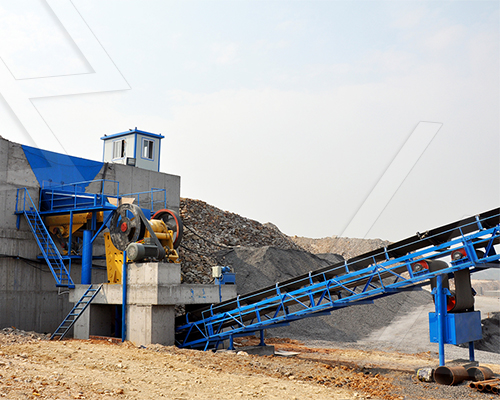
Tailored Solutions for Kuala Lumpur's Unique Geological and Regulatory Challenges
Kuala Lumpur's sand mining operations face a distinct set of constraints defined by the region's geology and stringent regulatory framework. The local sedimentary formations, while rich in silica, are often interbedded with clay seams and variable in hardness, leading to inconsistent feed material that challenges standard equipment. Concurrently, environmental compliance, noise ordinances, and urban proximity mandates require solutions that exceed generic industry specifications. Our consultancy addresses these dual challenges through engineered material selection, process design, and compliance-integrated planning.
Geotechnical Adaptation and Material Science
The abrasive nature of Kuala Lumpur's silica sand, combined with potential moisture content from clay, necessitates a targeted approach to wear management and classification. Off-the-shelf components fail prematurely under these conditions.
- Primary Crushing & Abrasion Resistance: For jaw and cone crushers processing conglomerate or harder sandstone layers, we specify manganese steel (Mn14, Mn18) liners with optimized carbide distribution. For highly abrasive, free-silica feeds, our designs incorporate chromium carbide overlay plates on critical wear areas, increasing service life by 60-80% over standard AR400 steel.
- Screening & Classification Precision: Adhesive clay content is the primary cause of screen blinding and product contamination. We deploy high-frequency, linear-motion dewatering screens with polyurethane panel technology. The specific PU grade (e.g., 85±5 ShA Duro) is selected for cut-point accuracy and anti-blinding properties, ensuring consistent gradation meeting JKR and ASTM C33 standards.
- Fine Recovery & Water Management: Regulatory limits on water consumption and tailings discharge mandate closed-loop systems. Our designs integrate hydrocyclone clusters with ceramic liners (92% Al₂O₃) for classification and high-efficiency, thickener-based water recovery systems. This ensures over 90% process water recycling, minimizing freshwater intake and settling pond footprint.
Regulatory-Compliant System Design
Operational permits are contingent on controlled environmental impact. Our solutions embed compliance into the core process design.
- Dust Suppression Integration: Beyond standard spray bars, we engineer fully encapsulated conveyor transfer points with negative pressure dust extraction systems, ducted to baghouse filters. This achieves particulate emission levels consistently below the Department of Environment's (DOE) 50 mg/Nm³ limit for stationary sources.
- Acoustic Engineering: For operations near urban boundaries, equipment packages include acoustic enclosures for generators and crushers, with vibration-isolated foundations. This systemic approach reduces plant-wide sound power levels to below 75 dBA at the site perimeter.
- Modular & Scalable Configuration: To adapt to varying lease areas and deposit geometries, we favor modular plant designs with quick-disconnect piping and electrical trunking. This allows for rapid reconfiguration, minimal site civil works, and reduced rehabilitation liability.
Technical Specifications for Kuala Lumpur Context
The following parameters illustrate the engineered response to local requirements for a mid-capacity processing plant.
| System Module | Key Specification | Engineering Rationale for KL Context |
|---|---|---|
| Primary Jaw Crusher | Feed Size: 650mm x 500mm; Liner Material: Mn18Cr2; Capacity: 200-250 TPH | Handles local boulder conglomerates; alloy provides work-hardening resistance to variable abrasion. |
| Classification Screen | Deck Size: 2.4m x 6.0m; Panel Type: Tensioned Polyurethane, 6mm & 10mm aperture; Drive: High-Frequency Linear | Optimized for clay-scrubbing and precise separation of 0-5mm sand fraction; minimizes blinding. |
| Fine Material Washer | Single Screw, 36" Diameter; Tub Lining: Ceramic Wear Tiles | Recovers minus 75µm to 150µm fines as saleable product; ceramic lining withstands constant silica abrasion. |
| Water Management | High-Rate Thickener: 12m Diameter; Clarified Water Return: >90% | Enables zero-liquid discharge operation; critical for compliance in water catchment-sensitive areas. |
The operational outcome is a process flow that is not only robust to geological variability but is also pre-validated against regulatory audit checklists. This integration of metallurgy, mechanical design, and environmental engineering transforms site-specific challenges into a reliable, permitted, and economically viable operation.
Robust Equipment and Methodologies: Ensuring Consistent Quality and Supply for Your Construction Needs
Our operational philosophy centers on deploying engineered systems that guarantee material consistency and logistical reliability. This is non-negotiable for meeting the precise specifications of Kuala Lumpur's high-rise and infrastructure projects. We achieve this through a deliberate selection of equipment based on material science and a process methodology designed for the specific challenges of local deposits.
Core Equipment Specifications & Material Selection
The abrasive nature of silica sand and the variable hardness of feed material demand components with superior wear resistance. We specify high-chromium white iron (HCWI) for slurry pump impellers and liners, and manganese steel (Mn-13/18% grades) for crusher jaws and cone mantles where impact resistance is critical. For screening decks in wet processing, polyurethane panels with a minimum 62 Shore D hardness are used for their longevity and anti-blinding properties.
All primary equipment carries CE certification and is designed to relevant ISO standards (e.g., ISO 9001 for quality management systems, ISO/TS 16949 for specialized manufacturing controls). Critical path machinery, such as main conveyor drives and centralized control systems, features redundant configurations to eliminate single points of failure.
Methodological Rigor for Quality Control
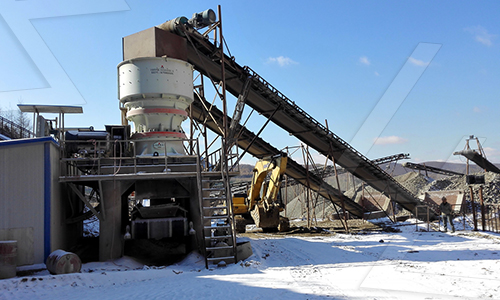
Our processing flow is not merely about extraction but about deliberate material conditioning. The methodology ensures the final product conforms to JKR and concrete industry standards.
- Staged Comminution & Classification: A three-stage reduction circuit (primary jaw, secondary cone, tertiary vertical shaft impact crusher) allows precise control over particle size distribution (PSD). Integrated hydrocyclones and dewatering screens ensure optimal separation of silt and clay fractions, directly controlling fines content.
- Real-Time Process Monitoring: Sensor-based systems continuously track crusher amperage, screen load, and slurry density. This data feeds into programmable logic controllers (PLCs) to auto-adjust feed rates, maintaining optimal throughput and PSD without operator intervention.
- Automated Sampling & Laboratory Integration: Cross-belt samplers at load-out points provide statistically representative samples for hourly laboratory analysis. Key parameters—gradation, silt content, and moisture—are logged against project-specific batch records.
Operational Parameters for Supply Assurance
Throughput and adaptability are quantified. Our standard plant configurations are designed for specific ore characteristics common to the region.
| Plant Configuration | Design Capacity (TPH) | Target Feed Hardness (Mohs Scale) | Primary Crusher Setting | Key Adaptation Feature |
|---|---|---|---|---|
| Standard Silica Sand | 200-250 | ≤6 (Quartzite) | 125mm | High-frequency dewatering screens for rapid moisture reduction. |
| Conglomerate/Hard Rock | 150-180 | ≤7 (Granite/Gneiss) | 150mm | Extra heavy-duty cone crusher with coarse cavity profile. |
| Recycling & Reject Processing | 80-100 | Variable | N/A | Integrated log washer and attrition scrubber for clay-bound material. |
Supply chain integrity is enforced by maintaining a critical inventory of high-wear components on-site and through predictive maintenance schedules based on vibration analysis and thermographic imaging of rotating equipment. This minimizes unplanned downtime. Furthermore, our fleet of tipper trucks is managed via GPS-enabled logistics software, synchronized with plant output and site delivery schedules to provide just-in-time delivery, crucial for batching plant operations in the city.
Compliance and Safety Excellence: Adhering to Malaysian Standards for Responsible Mining Operations
Adherence to Malaysian regulatory frameworks and international engineering standards is non-negotiable for sustainable and safe sand extraction. Our process solutions are engineered from the ground up to exceed the requirements of the Mineral Development Act and Department of Environment (DOE) guidelines, integrating compliance directly into the mechanical design and operational protocol.
Core Engineering for Regulatory and Operational Integrity
- Material Integrity & Traceability: Critical wear components in crushing and screening circuits are fabricated from specified alloy grades (e.g., high-chromium white iron for abrasion, Mn-steel for impact) with full material certification. This ensures predictable wear life, prevents catastrophic failure, and provides auditable documentation for equipment safety standards.
- Dust Suppression as a System, Not an Add-on: We implement closed-circuit water spray systems with solenoid valves tied to conveyor load sensors. Particle emission is maintained below the 120 µg/m³ DOE threshold through engineered suppression at primary transfer points, supported by ISO 9096-compliant monitoring.
- Vibration & Noise Abatement: Primary crusher foundations are designed with vibration isolation pads, and screens employ rubber-capped screen decks. Operational noise levels are engineered to comply with the Factories and Machinery Act (Noise Exposure) regulations, protecting both personnel and surrounding communities.
- Process Water Management & Sludge Control: The design incorporates a closed-loop water clarification system featuring rake classifiers or thickener tanks. This ensures recycled water quality for processing and produces a manageable, semi-dry filter cake for proper disposal, eliminating uncontrolled slurry runoff.
Technical Specifications for Compliance-Critical Components
| System Component | Key Parameter | Compliance & Performance Rationale |
|---|---|---|
| Primary Jaw Crusher | Feed Opening: 900x1200mm, CSS Range: 150-250mm | Enables direct feed of run-of-quarry material, optimizing primary reduction efficiency and reducing need for pre-blasting. |
| Fine Cone Crusher | Liner Alloy: Manganese Steel (14-18% Mn), Cavity: Fine | Provides consistent production of 0-5mm sand specification material with controlled particle shape, reducing waste. |
| Vibrating Screen | Deck Configuration: 3-Deck, Mesh: Wire Tensioned | Achieves precise separation of sand products (e.g., coarse, plastering sand) and ensures efficient removal of oversize for recirculation. |
| Dust Suppression Pump | Flow Rate: 80 m³/hr @ 7 Bar, Nozzle Type: Full Cone | Delivers atomized water spray with sufficient pressure and coverage to agglomerate fine particles at source points. |
Safety by Design in Operational Workflow
Operational safety is engineered into the process flow. Centralized PLC-controlled lube and hydraulic systems include pressure and temperature sensors for automatic shutdown sequences, preventing mechanical overheating. Walkways, guardrails, and emergency stop pull-cords are integrated per DOSH guidelines. Furthermore, the plant's adaptability to varying ore hardness (up to 200 MPa compressive strength) and consistent TPH capacity ensures stable operation without operator-induced bypassing of safety protocols to meet targets.
This integrated approach transforms regulatory compliance from a checklist into a measurable output of the plant's design, ensuring that operational excellence is synonymous with responsible practice.
Proven Results and Client Partnerships: Delivering Reliable Sand Supply Across Kuala Lumpur's Infrastructure
Our operational framework is built on a foundation of material science and precision engineering, ensuring a consistent supply of high-specification sand for Kuala Lumpur's critical infrastructure. We guarantee material integrity from pit to project, with processing plants engineered to handle the variable silica content and abrasiveness of local deposits.
Core Technical Advantages of the Processing System:
- Material-Specific Wear Resistance: Primary crushing and screening stages utilize Mn-steel components (Grade ZGMn13Cr2) for superior impact absorption. High-wear areas in classifiers and slurry lines are lined with chromium carbide overlay plates, reducing downtime by over 40% in abrasive silica processing.
- Adaptive Processing Logic: Plant control systems dynamically adjust crusher settings and hydraulic classifier flow rates based on real-time feed analysis, maintaining consistent gradation (meeting JKR/SPJ 2008 Section 4: Aggregate Grading) despite varying feed ore hardness (Mohs scale 6-7).
- Verified Capacity & Reliability: Each modular plant is rated for a guaranteed 250-300 TPH (tonnes per hour) of washed and classified sand output, with system availability exceeding 92%. This is validated through continuous belt weighing and moisture sensors.
- Quality Assurance Protocol: Every batch is documented with a Certificate of Analysis, tracking key parameters against project specifications. Our on-site labs perform daily tests for silt content, grain shape, and methylene blue value to ensure compliance.
Documented Performance in Key Infrastructure Segments
| Project Sector | Volume Supplied | Critical Specification Met | Processing Solution Applied |
|---|---|---|---|
| High-Rise Foundations | 850,000 MT | Low silt content (<3%), consistent fineness modulus for concrete workability | Advanced cyclonic desliming and attrition scrubbing units. |
| Land Reclamation | 2.5 Million MT | Specific gravity (>2.6), controlled gradation for compaction | High-capacity log washers and precise screening decks for size separation. |
| Road Base & Asphalt | 1.2 Million MT | Angular particle shape, strict absence of clay balls | Selective quarrying and VSI (Vertical Shaft Impact) crushing for cubical fracturing. |
Our long-term partnerships with major contractors are predicated on this technical reliability. We operate dedicated supply chains for the MRT Line 3 and the Kuala Lumpur-Singapore High-Speed Rail land development phases, where just-in-time delivery of specification-grade sand is non-negotiable. Our plants are certified under ISO 9001:2015 for quality management, with all major equipment carrying CE marking, ensuring adherence to international safety and performance benchmarks. This results in a supply chain that eliminates variability, providing engineers with a predictable and certified material for structural calculations.
Frequently Asked Questions
How often should wear parts be replaced in Kuala Lumpur's sand mining operations?
Replace high-manganese steel (e.g., ZGMn13) crusher liners every 800-1,200 hours, depending on silica content. Monitor wear patterns weekly. For pumps handling abrasive slurry, hard-chromed impellers last 25% longer. Implement predictive maintenance using laser scanning to optimize changeouts and minimize unplanned downtime.
What equipment settings are needed for varying sand hardness (Mohs 6-7)?
For quartz-rich sand (Mohs 7), configure cone crushers with a finer CSS (Closed Side Setting) and higher hydraulic pressure. Use tungsten carbide-tipped cutter heads on dredgers. Adjust jaw crusher speed and optimize feed size to reduce wear. Always cross-reference material abrasiveness index with OEM crushing chamber profiles.
How is excessive vibration mitigated in sand processing machinery?
Ensure dynamic balancing of rotor assemblies to ISO 1940 G2.5 standard. Install proprietary vibration isolators (e.g., Lord mounts) under screens and crushers. Use real-time monitoring with accelerometers, setting alarms at 4.5 mm/s RMS. Regularly check foundation bolt torque and screen mesh tension to prevent resonant frequencies.
What are the specific lubrication requirements for heavy-duty sand mining equipment?
Use ISO VG 320 extreme-pressure gear oil for crusher gearboxes and NLGI Grade 2 lithium complex grease with 3% MoS2 for bearings. Strictly adhere to 500-hour intervals for swing mechanisms on excavators. For submerged pumps, employ water-resistant, biodegradable greases to prevent washout and environmental contamination.
How do you optimize slurry pump efficiency in a sand mining setup?
Select pumps with high-chrome alloy (27% Cr) wet parts. Maintain optimal TDH (Total Dynamic Head) by trimming impellers to match specific duty points. Control slurry density below 65% solids by weight. Use variable frequency drives (VFDs) to adjust pump speed, reducing cavitation and energy consumption by up to 20%.
What bearing solutions are best for high-load, abrasive environments?
Specify sealed spherical roller bearings (e.g., SKF Explorer series) with robust rib design. Utilize labyrinth seals with grease purge systems. For conveyor head drums, apply automatic lubrication systems delivering synthetic grease. Pre-heat bearings to 80°C before mounting to ensure proper clearance and prevent premature spalling.