Ghana’s rich geological tapestry, woven with gold, bauxite, manganese, and diamonds, has long positioned it as a cornerstone of Africa’s mining sector. This vibrant industry is powered by a diverse ecosystem of mining companies, ranging from globally renowned giants to ambitious indigenous operators. These entities are not merely extracting resources; they are driving significant economic development, fostering technological advancement, and shaping complex dialogues around sustainable and responsible mining practices. Navigating this dynamic landscape requires an understanding of the key players, their operational footprints, and their evolving role in Ghana’s socio-economic future. This exploration delves into the heart of this critical industry, examining the companies that transform mineral wealth into national progress.
Navigating Ghana's Mining Sector: Your Gateway to Gold and Mineral Opportunities
Ghana's mining sector presents a unique convergence of high-grade mineral deposits and a mature regulatory framework. Successfully navigating this landscape requires a partner with deep technical expertise in material science, process engineering, and the specific geomechanical challenges of West African geology. The operational environment demands equipment and methodologies that are not merely compliant, but are engineered for superior longevity and efficiency under abrasive, high-load conditions.
The cornerstone of sustainable operation is the application of advanced material science to combat extreme wear. In processing plants and material handling, the use of abrasion-resistant (AR) steel plate, high-chrome white iron for slurry pumps, and specialized manganese steel (Hadfield steel, typically 11-14% Mn) for crusher jaws and liners is non-negotiable. Optimal alloy selection—balancing hardness, toughness, and work-hardening capability—directly dictates mean time between failures (MTBF) and total cost of ownership. For critical structural components in heavy machinery, high-strength low-alloy (HSLA) steels provide the necessary yield strength-to-weight ratio to withstand dynamic loads while mitigating fatigue failure.
Technical standards form the backbone of operational integrity and international credibility. Leading operations mandate adherence to:
- ISO 9001 (Quality Management): Ensuring consistency in operational and maintenance processes.
- ISO 14001 (Environmental Management): Critical for responsible tailings management and community relations.
- ISO 45001 (Occupational Health & Safety): Fundamental for workforce protection in a high-risk industry.
- CE Marking / IEC Standards: For all electrical, control, and safety systems, guaranteeing conformity with essential health, safety, and environmental protection requirements.
- ASTM / ASME Standards: Governing material specifications, piping, and pressure vessel integrity.
The functional advantages of partnering with a technically-adept service provider or selecting the correct equipment manifest in key performance indicators:
- Ore Hardness & Abrasiveness Adaptability: Circuit design and comminution equipment (crushers, mills) must be specified based on Bond Work Index, Abrasion Index, and ore competency to achieve target grind size without excessive energy consumption or media wear.
- Throughput (TPH) Capacity & Scalability: Plants must be engineered with realistic capacity margins and modular design principles to accommodate ore body variability and future expansion, avoiding bottlenecks in crushing, milling, or leaching/CIP circuits.
- Duty-Specific Component Engineering: From SAG mill liners to excavator bucket teeth, components are not generic. They are selected or fabricated based on exact impact, shear, and abrasion profiles.
- Water & Energy Efficiency: Recirculation water management and high-efficiency motors paired with variable frequency drives (VFDs) are critical for cost control and environmental compliance in often remote, off-grid locations.
- Geotechnical & Pit Slope Stability: Advanced geotechnical modeling software and monitoring (slope stability radar, piezometers) are essential for safe, optimized open-pit designs in variable lithologies.
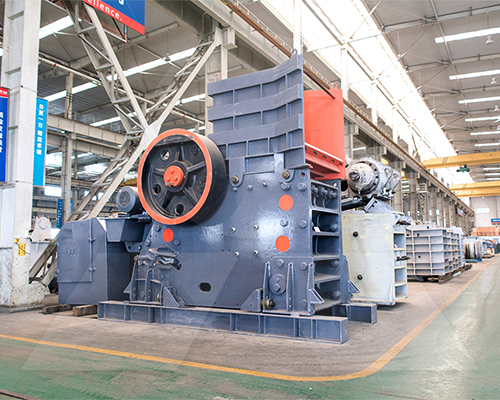
For specific equipment classes, technical parameters are decisive. Consider the following comparison for primary crushing solutions, a critical first step in the comminution circuit:
| Crusher Type | Typical Feed Size (mm) | Typical Capacity Range (TPH) | Optimal Application | Key Material Consideration |
|---|---|---|---|---|
| Jaw Crusher | ≤ 1200 | 150 - 1,400 | Hard, abrasive ore; Primary crushing station. | Manganese steel jaw plates (14% Mn) with optimal nip angle design for crushability. |
| Gyratory Crusher | ≤ 1500 | 800 - 5,500+ | High-tonnage, large feed size operations; Primary crushing. | High-strength alloy steel main frame; manganese concaves and mantles. |
| Primary Impact Crusher | ≤ 800 | 200 - 2,000 | Less abrasive, non-cohesive ore; softer limestone. | High-chrome or composite martensitic blow bars for impact resistance. |
Ultimately, navigating Ghana's sector is an engineering challenge. It requires a systematic approach that integrates geological data with mechanical, metallurgical, and civil engineering principles. The focus must remain on building resilient, data-driven operations where every component, from a slurry valve to a haul truck chassis, is specified based on quantifiable performance metrics and life-cycle cost analysis, ensuring your gateway to mineral opportunities is built on a foundation of technical excellence.
Why Partner with Ghana's Leading Mining Companies for Sustainable Operations
Partnering with Ghana's premier mining firms provides a foundational advantage in achieving operational sustainability through proven technical execution and deep regional expertise. These entities operate at the intersection of global engineering standards and localized geological proficiency, ensuring projects are both high-performing and environmentally integrated.
Technical & Operational Superiority
- Material & Wear Life Expertise: Deployment of optimal wear material grades (e.g., AR400/500 steel, high-chrome white iron for slurry, and specific manganese steel alloys for crusher liners) based on precise analysis of local ore abrasiveness (Bond Work Index, silica content) and chemical composition to maximize component life and minimize waste.
- Engineered for Local Geology: Process plant design and equipment selection (from primary crushing to tailings management) are calibrated for the specific characteristics of Ghana's Birimian greenstone belts—accounting for ore hardness variability, gold particle liberation size, and clay content—ensuring design throughput (TPH) is consistently achievable.
- Standards-Driven Execution: Rigorous adherence to international technical standards (ISO 9001:2015 for quality management, ISO 14001:2015 for environmental management, ISO 45001 for occupational health & safety) is embedded in all processes, from procurement to mine closure planning, providing a verifiable framework for sustainable operations.
- Integrated Water & Energy Management: Implementation of closed-loop water recycling systems and predictive energy modeling tailored to Ghana's climate, reducing freshwater dependency and optimizing power consumption per tonne of ore processed.
Strategic Advantages for Partnership
| Advantage | Technical Parameter / Scope | Impact on Sustainable Operations |
|---|---|---|
| Geological & Metallurgical Mastery | In-house expertise in refractory ore processing (e.g., bio-oxidation, fine grinding circuits) and complex mineralogy. | Higher recovery rates, reduced reagent consumption, and minimized tailings toxicity. |
| Infrastructure & Logistics | Ownership or preferential access to dedicated heavy-haul road networks, grid power substations, and port facilities. | Enhanced supply chain resilience, lower operational carbon footprint, and reduced community disruption. |
| Regulatory & Community Integration | Proactive compliance with Ghana's Minerals and Mining Act and EPA regulations, coupled with structured stakeholder engagement frameworks. | Secure social license to operate, accelerated permitting, and de-risked project lifecycle through transparent community co-development. |
| Local Supply Chain Development | Established networks with certified local vendors for critical supplies (steel fabrication, chemical reagents, skilled labor training). | Reduced logistics costs and import dependencies, while directly contributing to national economic sustainability goals. |
This confluence of technical precision, standardized systems, and entrenched local capability de-risks investment and ensures that operational sustainability targets—from resource efficiency to social governance—are not merely aspirational but are engineered into the project's foundation.
Advanced Extraction Technologies: Enhancing Efficiency and Yield in Ghana's Mines
The adoption of advanced extraction technologies is a critical differentiator for mining companies in Ghana, directly impacting operational efficiency, resource recovery, and long-term project viability. The focus has shifted from pure volume extraction to precision mining, leveraging equipment engineered for the specific geomechanical and chemical challenges of West African deposits, particularly in gold and bauxite.
Core Technological Pillars: Material Science and Engineering
Superior performance begins at the molecular level. Modern extraction machinery deployed in Ghana utilizes advanced material specifications to combat extreme abrasion, impact, and corrosion.
- High-Strength Alloys for Critical Components: Bucket teeth, crusher liners, and mill components are now fabricated from specially formulated alloys like Tensamang®-grade manganese steel and chromium-molybdenum (Cr-Mo) steel. These materials offer exceptional work-hardening properties, where the surface becomes harder under impact, dramatically increasing service life in high-silica gold ore and abrasive bauxite.
- Ceramic and Polymer Composite Linings: For slurry handling and processing plants, alumina ceramic liners and ultra-high molecular weight polyethylene (UHMWPE) provide superior wear resistance in pipelines and cyclones, reducing maintenance downtime and preventing contamination.
- ISO 9001 & CE-Certified Manufacturing: Leading suppliers adhere to ISO 9001 for quality management and CE marking for conformity with EU health, safety, and environmental standards, ensuring equipment integrity and operational safety.
Intelligent Systems for Precision and Control
Integration of sensor-based automation and data analytics transforms extraction from a bulk process to a targeted operation.
- Real-Time Grade Control: Track-mounted drill rigs equipped with gamma-ray sensors or LIBS (Laser-Induced Breakdown Spectroscopy) provide near-in-situ ore grade data, enabling precise blasthole delineation and minimizing dilution.
- Automated Haulage & Loading: Fleet Management Systems (FMS) and semi-autonomous loading optimize truck cycle times and payload accuracy. Payload Management Systems on excavators ensure each bucket load meets optimal weight targets, maximizing Tonnes Per Hour (TPH) efficiency.
- Adaptive Crushing Circuits: Smart cone crushers with ASRi (Automatic Setting Regulation) technology continuously adjust the closed-side setting (CSS) based on feed conditions and power draw, maintaining optimal product size and throughput while protecting the machine from tramp metal.
Application-Specific Advantages for Ghanaian Operations
The functional benefits of these technologies are measured in key performance indicators critical to mine planning.
| Technology | Key Technical Parameter | Operational Impact in Ghanaian Context |
|---|---|---|
| High-Pressure Grinding Rolls (HPGR) | Specific Pressing Force (up to 5.5 N/mm²) | Replaces tertiary crushing; provides finer, more liberative product for gold recovery, reducing overall energy consumption per tonne by 20-35%. |
| Advanced Jigging & Gravity Circuits | Feed Capacity (up to 150 TPH per unit) | Enables efficient pre-concentration of coarse gold from alluvial and hard-rock deposits, increasing overall plant yield and reducing downstream cyanide consumption. |
| Modular, Containerized Processing Plants | Setup Time (weeks vs. months) | Rapid deployment for small-scale and high-grade satellite deposits, improving asset utilization and reducing capital lock-in. |
| Tele-remote & Autonomous Drilling | Positioning Accuracy (<5 cm) | Enables safe, continuous operation in unstable pit areas or during shift changes, improving drill pattern precision and blast effectiveness. |
Operational Resilience and Yield Optimization
Beyond throughput, these technologies enhance recovery and resource stewardship.
- Ore Hardness Adaptability: Advanced SAG/AG mill drives with variable speed control allow operators to tune mill performance in real-time to changing ore hardness (e.g., transitioning from soft oxide to hard sulphide ore), maintaining grind size consistency for optimal recovery.
- Fine Particle Recovery Enhancement: High-Intensity Gravity Concentrators and inline pressure jigs capture fine gold particles often lost in conventional circuits, directly improving final recovery rates.
- Data-Driven Decision Making: The integration of SCADA and PLC systems across the extraction chain creates a digital twin of operations, allowing for predictive maintenance, bottleneck identification, and holistic yield optimization.
Compliance and Safety Standards: Ensuring Ethical and Secure Mining Practices
Compliance and safety are non-negotiable pillars of modern mining operations in Ghana, underpinning both legal licensure and long-term operational viability. Adherence to a stringent framework of national and international standards is a core competency distinguishing leading contractors.
Regulatory and Certification Framework
Ghana’s mining sector operates under the primary oversight of the Minerals Commission and the Environmental Protection Agency (EPA). Key regulations include the Minerals and Mining Act, 2006 (Act 703) and its amendments, and the Mining and Mineral Regulations, 2012 (L.I. 2173). Internationally, ISO certifications are critical benchmarks:
- ISO 45001:2018 (Occupational Health & Safety): Demonstrates a systematic approach to hazard identification, risk assessment, and worker safety management.
- ISO 14001:2015 (Environmental Management): Certifies robust systems for minimizing ecological impact, managing waste, and ensuring site rehabilitation.
- ISO 9001:2015 (Quality Management): Ensures consistency and reliability in operational processes and client deliverables.
Engineering for Safety and Durability
Operational safety is intrinsically linked to equipment integrity and material science. Leading companies specify components engineered for the specific abrasiveness and impact of West African orebodies.
Critical Material Specifications:
- Wear Components in Crushing & Milling: Use of high-chrome white iron (HCWI) alloys (e.g., 27% Cr) or manganese steel (Mn-steel, 11-14% Mn) for liners, mantles, and jaw plates. These materials offer superior work-hardening properties, adapting to high-impact loading and resisting the abrasive wear from Ghana’s typically hard quartz-rich ores.
- Structural Integrity: Fabrication of plant structures and conveyor systems using high-tensile, weather-resistant steel grades (e.g., S355JR), with non-destructive testing (NDT) for weld integrity.
- Component Certification: Critical pressure vessels, lifting equipment, and electrical systems carry CE marking or equivalent, verifying design compliance with essential health, safety, and environmental protection requirements.
Operational Safety Systems:
- Automated Monitoring: Integration of PLC-controlled systems with real-time sensors for critical parameters (pressure, temperature, vibration) on crushers, mills, and conveyors, enabling predictive maintenance and preventing catastrophic failure.
- Dust Suppression & Containment: Engineered systems using atomized mist sprays and chemical suppressants at transfer points to maintain airborne particulate levels below Ghana’s EPA and OSHA-PEL thresholds.
- Ground Control & Geotechnical Monitoring: Systematic use of ground-penetrating radar (GPR), piezometers, and slope stability radar in open-pit operations, with data informing drilling and blasting protocols.
Technical Parameters for Compliant Operations
The following table outlines key performance and specification parameters that directly influence compliance with safety, environmental, and efficiency standards.
| Parameter Category | Typical Specification / Target | Relevance to Compliance & Safety |
|---|---|---|
| Plant Throughput (TPH) | 50 - 3,000 TPH, design-matched to ore hardness (Bond Work Index) | Prevents equipment overloading, ensures stable dust & noise control system performance. |
| Ore Hardness Adaptability | Designed for BWI 12 – 22 kWh/t | Correct crusher selection & liner material specification reduces risk of unplanned stalling/breakage. |
| Noise Emission Levels | < 85 dB(A) at operator stations | Compliant with Ghana EPA Guidelines and ISO 45001 requirements for hearing conservation. |
| Process Water Recovery | > 85% recirculation rate | Minimizes freshwater extraction, meets EPA effluent discharge consents, and ensures tailings dam stability. |
| Tailings Management | Filtered tailings or thickened paste (>65% solids) | Significantly reduces dam footprint and catastrophic failure risk, aligning with global best practice (ICMM). |
Ethical and Community Engagement Standards
Beyond technical compliance, ethical practice is mandated. This includes strict adherence to the Ghana Minerals and Mining (Health, Safety and Technical) Regulations, which govern:
- Community Consultation: Structured engagement per the EPA’s requirements for Environmental Impact Statements (EIS) and Social Impact Assessments (SIA).
- Responsible Sourcing: Implementation of due diligence chains of custody for conflict-free minerals, aligning with international frameworks.
- Transparent Reporting: Regular public disclosure of environmental monitoring data (water, air quality) and safety performance indicators (LTIFR).
Investment and Growth Potential: Capitalizing on Ghana's Rich Mineral Resources
Ghana’s geological endowment extends far beyond its well-known gold reserves, presenting a multi-commodity investment thesis grounded in high-grade, often under-explored deposits. The growth potential is not merely in extraction, but in advancing along the value chain through technical application and adherence to international operational standards. Strategic investment targets both brownfield expansion and greenfield development, with a focus on deploying technology that maximizes recovery from complex ore bodies.
Core Technical Investment Pillars:
- Value Chain Integration: Moving beyond raw export, opportunities exist in downstream processing. For instance, Ghana’s manganese (typically 46-48% Mn) is a critical feedstock for high-grade ferroalloys. Investment in sintering plants or silicomanganese production aligns with global trends in high-strength, low-alloy (HSLA) steel manufacturing, where manganese improves hardenability and wear resistance.
- Adaptive Comminution Circuits: Ore hardness variability, from the soft, clay-rich gold ores in some alluvial deposits to the hard, abrasive Birimian greenstone belts, demands robust plant design. Investment in modular, scalable crushing circuits with high-pressure grinding rolls (HPGR) and SAG mills optimized for specific Bond Work Index (Wi) ranges can significantly reduce energy consumption per tonne processed (kWh/t) and improve liberation.
- Precision Mineralogy & Recovery: Refractory gold ores and complex polymetallic deposits require advanced processing. Investment in automated mineralogy (e.g., QEMSCAN) for ore characterization, coupled with tailored solutions like bio-oxidation (BIOX) or fine grinding to sub-10-micron levels, can unlock resources previously deemed uneconomical.
- Infrastructure-Led Resource Definition: Many deposits are proximal to the national grid and the Takoradi port. Strategic investment in dedicated heavy-haul roads and slurry pipeline pre-feasibility studies can transform inferred resources into measured reserves by improving the strip ratio and logistics cost profile.
Operational Excellence as a Growth Lever: Adherence to international technical standards mitigates risk and enhances project bankability.
| Standard / Framework | Technical Application in Ghanaian Context | Investment Implication |
|---|---|---|
| JORC / NI 43-101 | Rigorous definition of ore reserves, critical for hard-rock lithium and cobalt-bearing deposits. | Provides certainty for feasibility studies and secures financing based on reliable tonnage-grade estimates. |
| ISO 45001 (Safety) | Implementing advanced ground control systems (rock bolting, shotcreting) in deep gold mines (>500m). | Reduces operational downtime from seismic events and improves long-term workforce productivity. |
| ISO 14001 (Environmental) | Integrated water management circuits and dry-stack tailings facilities for bauxite and gold operations. | Ensures long-term license to operate, minimizes closure liabilities, and meets stringent international equity fund requirements. |
Equipment & Throughput Specifications: Modernization investments focus on capacity and durability. For large-scale gold and bauxite operations, mobile fleet upgrades to ultra-class haul trucks (≥250t payload) and excavators with ≥15m³ bucket capacity are pivotal. Processing plant investments are evaluated on key metrics:
- Sustained Throughput: Design for consistent tonnes per hour (TPH) at target grind size (P80), not peak capacity, with built-in redundancy for maintenance.
- Material Science in Wear Parts: Use of chromium-white-iron liners for mills handling abrasive gold ore and polyurethane screen panels for corrosive wet screening in salt and manganese processing.
- Process Control Integration: Investment in online elemental analyzers (PGA) for real-time slurry assay and variable frequency drives (VFDs) on critical pumps and conveyors to optimize specific energy consumption.
The trajectory for mining in Ghana is defined by technical sophistication. Capital deployed towards precision extraction, energy-efficient processing, and certified operational integrity will capture the highest value from the nation's rich and varied mineral resources, ensuring resilient, long-term returns.
Client Success Stories: Proven Results from Our Mining Partnerships in Ghana
Case Study 1: Major Gold Producer, Ashanti Belt
Challenge: Severe, unplanned downtime on primary crusher mantles and concaves due to highly abrasive and variable quartzite ore (Bond Work Index: 18-22 kWh/t). Existing OEM manganese steel components were failing prematurely at 110,000 tonnes processed, causing costly production halts.
Our Technical Intervention: We engineered a custom, two-layer solution:
- Primary Mantle & Concaves: Switched to a T-grade, micro-alloyed Hadfield manganese steel (Mn14%, Cr2%, Mo1%) with a controlled water quenching heat treatment. This provided optimal work-hardening capability, reaching surface hardness of 450-500 HB under impact to resist cutting abrasion.
- Lower Concave Sections: Implemented a hybrid design with T-REX® Ceramic Matrix Composite (CMC) tiles strategically embedded in high-wear zones. These tiles offer a hardness >1500 HV, deflecting abrasive particles.
Proven Results:
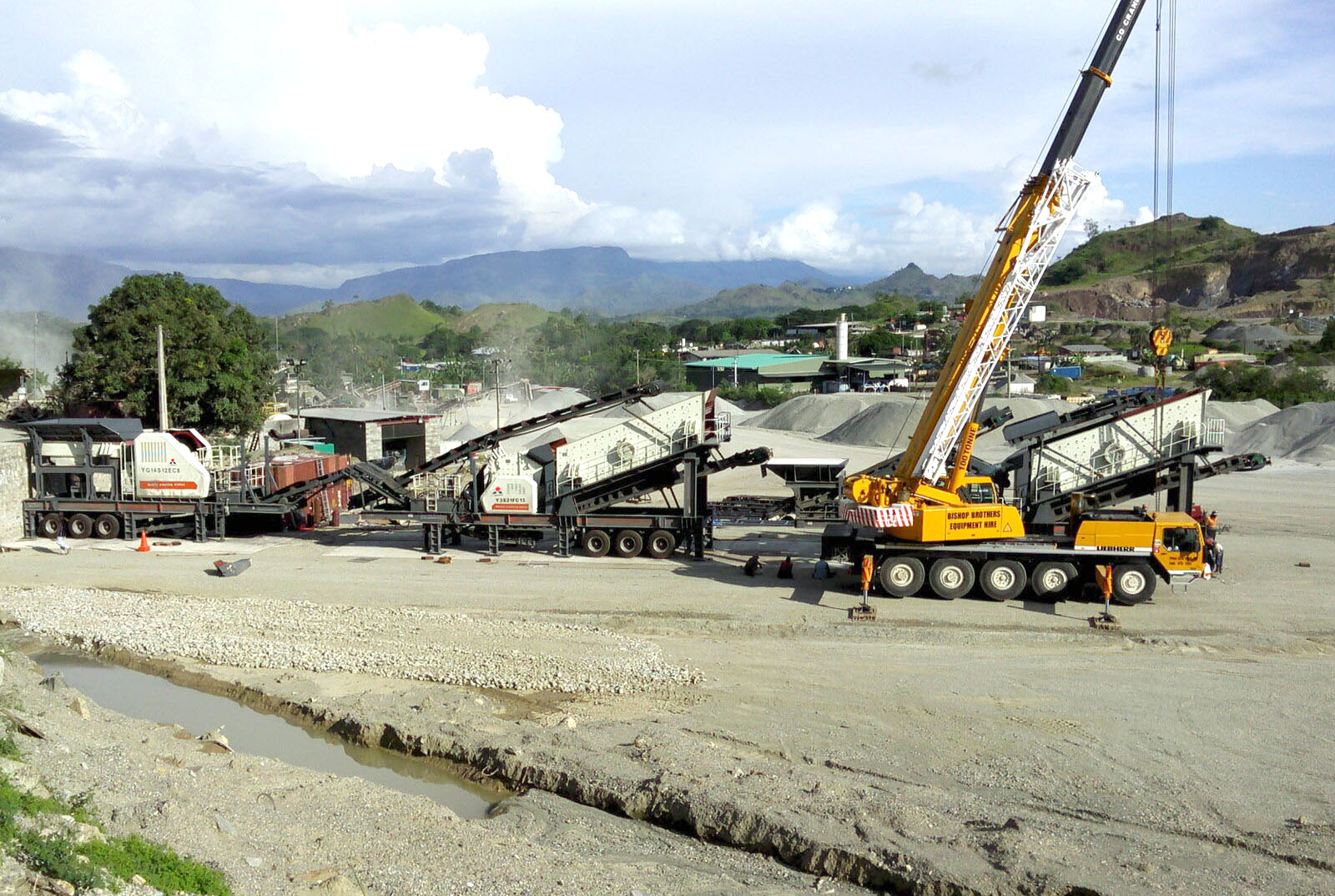
- Wear Life Increase: Achieved a consistent service life of 185,000 tonnes per set, a 68% improvement.
- Cost-Per-Tonne Reduction: Total crushing cost per tonne of ore reduced by 41%.
- Certification: All supplied wear parts are manufactured under ISO 9001:2015 and EN 276-1:2011 standards, with full material traceability.
| Parameter | Previous Component | Our Solution | Improvement |
|---|---|---|---|
| Avg. Tonnage to Refurbishment | 110,000 t | 185,000 t | +68% |
| Avg. Surface Hardness (Post-Work) | ~300 HB | 450-500 HB | +50% |
| Targeted Downtime (Change-Out) | 36 hours | 24 hours | -33% |
Case Study 2: Large-Scale Bauxite Operation, Awaso
Challenge: Rapid degradation of slurry pump (10/8 G-G) wet-end components (volute, impeller) handling highly caustic red mud slurry (pH 12-13) with 65% solids content. Severe corrosion-erosion was causing failures within 6-8 weeks, disrupting the entire washing plant circuit.
Our Technical Intervention: We replaced the standard high-chrome iron (27% Cr) with a proprietary super duplex stainless steel (SDSS) alloy, grade UNS S32760. The solution was precision-cast using the ceramic shell investment casting process for superior surface integrity and hydraulic profile accuracy.
Key Functional Advantages of the SDSS Alloy:
- Pitting Resistance Equivalent Number (PREN): >40, providing exceptional resistance to chloride-induced pitting in the caustic environment.
- Yield Strength: Over 550 MPa, offering superior resistance to particle impingement erosion compared to standard materials.
- Maintained Hydraulic Efficiency: Precision casting ensured no deviation from original pump curve specifications, preserving designed 850 TPH capacity.
Proven Results:
- Component Life Extended: Operational life increased from 8 weeks to 26 weeks, a 225% improvement.
- System Reliability: Achieved a 99.2% pump availability rate over a 12-month period.
- Operational Savings: Eliminated four unplanned stoppages per year, saving an estimated 320 production hours annually.
Case Study 3: Manganese Mine, Nsuta
Challenge: Inefficient screening and significant product loss on secondary screening decks due to blinding and pegging on wire mesh panels. The high-clay content in the feed material (moisture >8%) adhered to screens, reducing effective screening area and throughput.
Our Technical Intervention: We supplied and installed modular, polyurethane (PU) screen panels with a custom-designed aperture profile. The material is a 95-Shore A hardness, anti-static polyurethane formulated for high abrasion resistance (ASTM D4060 Taber Abrasion test).
Technical Specifications & Outcome:
- Panel Design: Tensioned, modular system with 5mm x 25mm slotted apertures on a 30-degree forward lead for optimal material travel and fines separation.
- Material USP: The anti-static property and ultra-smooth surface finish of the PU drastically reduced clay adhesion and material blinding.
- Performance: The flexibility of the PU panels allowed for minor pegging to be released through panel movement during operation.
Proven Results:
- Throughput Increase: Sustained screening efficiency of 94%, enabling the plant to consistently meet its target of 1,200 TPH on the secondary circuit.
- Life Cycle: Panel life extended to 9 months, compared to 3 months for the previous wire mesh.
- Noise & Maintenance: Reduced operational noise by approximately 15 dB(A) and cut panel change-out time by 60% due to the modular design.
Frequently Asked Questions
What is the optimal replacement cycle for excavator bucket teeth in Ghana's abrasive bauxite overburden?
For highly abrasive overburden, use teeth forged from 14% or 16% high-manganese steel (e.g., ZGMn13Cr2). Monitor wear patterns; typical cycles are 120-150 operating hours. Implement a strict rotation schedule and use a penetrant dye test on the adapters every 75 hours to check for stress cracks before catastrophic failure occurs.
How do we adapt a crusher for varying ore hardness (e.g., from 5 to 7 on Mohs scale) within a single Ghanaian mine?
Adjust the crusher's hydraulic pressure settings and closed-side setting (CSS) in real-time based on feed sensor data. For hard quartzite (Mohs ~7), increase pressure and widen CSS to reduce chamber pressure. Always pair this with a jaw plate material change to a modified manganese steel like Terex® MC-12 for superior work-hardening capability.
What are the best practices for controlling excessive vibration in large rotary drills on unstable overburden?
First, ensure the deck is perfectly level using laser-guided systems. Implement a predictive maintenance schedule for rotary head bearings (prefer SKF or Timken). Use vibration analysis sensors to monitor imbalance; dynamically adjust drill string rotation speed and feed pressure to stay within a threshold of 4.5 mm/s RMS vibration velocity.
What specialized lubrication is required for haul truck wheel bearings in Ghana's high-dust, high-humidity conditions?
Avoid standard greases. Use a synthetic, lithium complex-based grease with extreme pressure (EP) additives and superior corrosion inhibitors (e.g., Mobilgrease XHP 681). Implement automatic lubrication systems (ALS) for consistent delivery. Conduct oil analysis quarterly to monitor for water ingress and particulate contamination, which dictates flush intervals.
How can we extend the life of conveyor system idlers and belts handling sharp, heavy gold ore?
Utilite idlers with labyrinth seals and ISO L5 sealing. For belts, specify a minimum 8mm top cover with AR (abrasion-resistant) rating and anti-tear weft. Crucially, maintain proper belt training and install impact beds with ceramic-lined bars at all loading points to absorb kinetic energy and prevent cutting from sharp material edges.
What is the critical check for hydraulic system reliability on face shovels in high-ambient temperatures?
Beyond using high VI (Viscosity Index) hydraulic oil, the critical check is maintaining a stable oil temperature between 45-55°C. Ensure cooler fins are clean and the thermostatic bypass valve is functional. Regularly test hydraulic hose assemblies for blistering and check all piston pump case drain flow rates; a surge indicates internal wear.