In the competitive world of aggregate production and construction, efficiency and reliability are paramount. For operations seeking to enhance their material processing capabilities, the emergence of hot sale blue stone crushers represents a significant opportunity. These robust machines are engineered to deliver exceptional performance in reducing hard, abrasive blue stone into precisely graded aggregates for a wide range of applications. Their current popularity is driven by advanced features that prioritize durability, operational ease, and consistent output, making them a sound investment for maximizing productivity. This surge in demand highlights a clear industry trend toward equipment that combines proven strength with modern design, offering businesses a powerful solution to meet growing project demands and improve their bottom line.
Transform Your Quarry Operations with High-Efficiency Blue Stone Crushers
High-efficiency blue stone crushers are engineered to process dense, abrasive aggregates like basalt, gabbro, and andesite, which are characterized by high compressive strength (often exceeding 300 MPa) and high silica content. The core engineering challenge is achieving optimal reduction ratios while maintaining throughput and minimizing wear part consumption. Modern crushers address this through advanced chamber geometries, dynamic kinematics, and material science.
Critical Engineering & Material Specifications
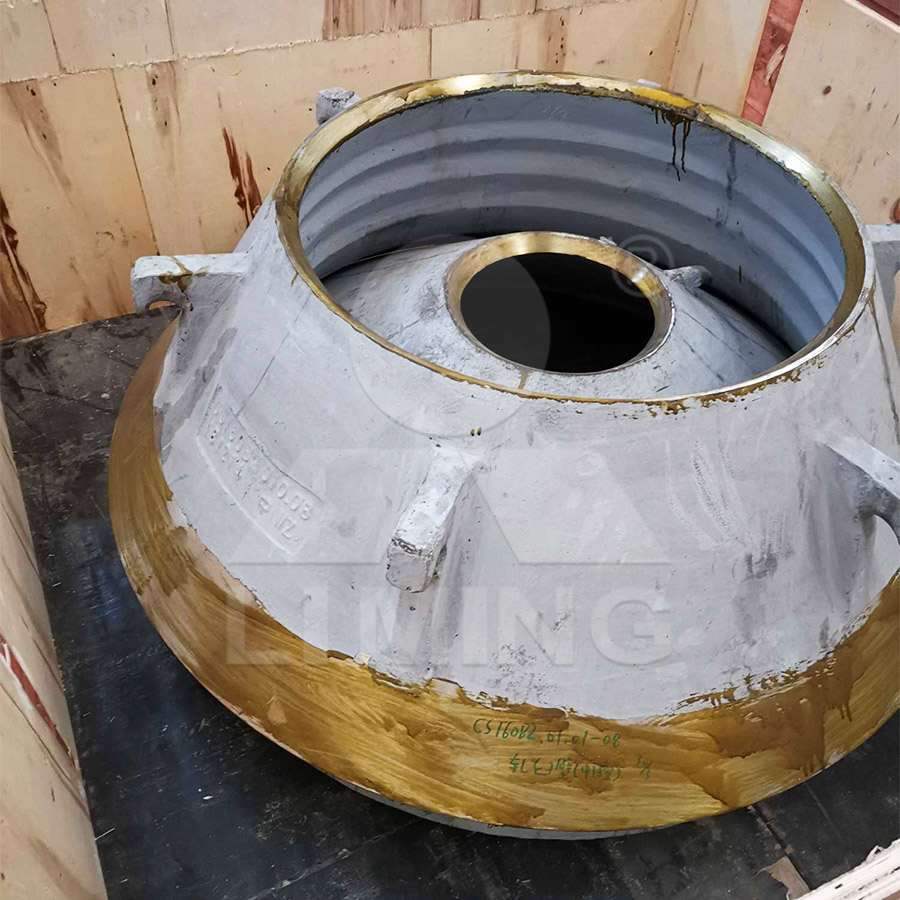
- Wear Part Metallurgy: Key components (jaws, mantles, concaves, blow bars) are cast from premium Mn-steel alloys (14%-18% Manganese) and high-chrome martensitic iron (Hi-Cr, 23%-27% Chromium). These materials work-harden under impact, creating an ultra-hard surface layer that resists the abrasive nature of blue stone, dramatically extending service intervals.
- Kinematic Optimization: Advanced crusher designs feature aggressive eccentric throws and steeper nip angles in jaw crushers, coupled with high-pivot points in cone crushers. This creates a more efficient crushing action, increasing the percentage of first-pass cubical product and reducing recirculating load.
- Adaptive Control Systems: Integrated PLC-based automation continuously monitors crusher load, power draw, and chamber pressure. Systems like ASRi (Automatic Setting Regulation) in cone crushers auto-compensate for wear and fluctuating feed conditions, maintaining a consistent product gradation and protecting the unit from overload.
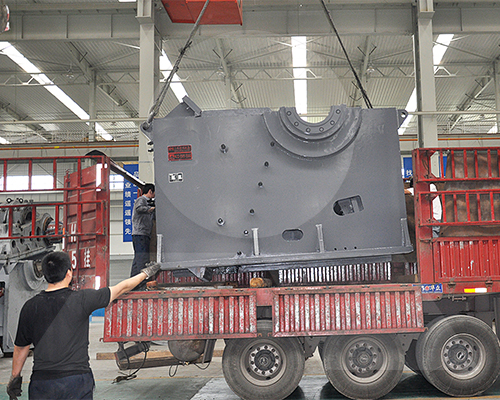
- Structural Integrity: Weld-free, heavy-duty frames manufactured from high-grade steel plate (Q345B or equivalent) ensure stability under peak loads. Finite Element Analysis (FEA) is used to optimize stress distribution, eliminating fatigue points for a longer operational lifespan.
Operational Advantages for Quarry Management
- Maximized Uptime: Modular wear part designs and hydraulic adjustment systems enable liner changes and CSS adjustments in hours, not days.
- Predictable Output: Consistent, in-spec aggregate production reduces downstream screening bottlenecks and improves overall plant balance.
- Reduced Operational Cost: Higher efficiency directly lowers cost-per-ton metrics through reduced energy consumption (kW per TPH) and extended wear part life cycles.
- Regulatory Compliance: Leading units are certified to international standards (ISO 9001 for quality management, CE Marking for EU market safety), ensuring adherence to global operational and safety protocols.
Technical Parameters for Primary & Secondary Crushing Stages
| Model Series | Crusher Type | Max. Feed Size (mm) | Capacity Range (TPH)* | Recommended Ore Hardness (MPa) | Key Feature |
|---|---|---|---|---|---|
| JC Series | Jaw Crusher | 850 - 1200 | 150 - 800 | Up to 350 | Deep "V" chamber, reinforced modular frame |
| HP Series | Cone Crusher | 185 - 330 | 90 - 1200 | Up to 400 | Multi-cylinder hydraulic, high stroke & speed |
| CV Series | Vertical Shaft Impact | 45 - 70 | 100 - 520 | Up to 350 | Rock-on-rock/rock-on-iron configurations |
*Capacity is dependent on feed material, gradation, and crushing chamber selection.
Engineered for Maximum Durability: The Robust Construction of Our Blue Stone Crushers
The core durability of our blue stone crushers is derived from a material science-led approach to component design and fabrication. We engineer for the extreme abrasion, high-impact shocks, and cyclical fatigue inherent in processing hard, abrasive blue stone (typically basalt, gabbro, or hard limestone with MOHs hardness up to 8). This is not merely heavy steel; it is strategically selected, processed, and assembled metallurgy.
Foundational Material Selection:
- High-Manganese Steel (Mn13, Mn18Cr2): Used for critical wear parts like jaw plates, cone mantles, concaves, and impact blow bars. This austenitic steel work-hardens under impact, its surface hardness increasing from ~220 HB to over 500 HB during operation, creating a continually renewing, ultra-wear-resistant surface layer.
- Alloyed High-Carbon Steel: For chassis, frames, and housings. We utilize quenched and tempered S355J2+ and similar grades, offering an optimal balance of high yield strength (≥355 MPa) for structural integrity and toughness to resist crack propagation.
- Precision Castings & Forgings: Key stress components like eccentric shafts and main frames are often forged or produced via lost-wax casting for superior grain structure and fatigue life compared to standard fabrications.
Engineering & Fabrication Standards:
All crushers are designed, manufactured, and tested to comply with international standards for safety and performance, including CE marking (meeting EU Machinery Directive 2006/42/EC) and relevant ISO standards (e.g., ISO 21873 for mobile crushers). Fabrication follows ISO 9013 for cutting and ISO 5817 for weld quality, with critical welds subjected to non-destructive testing (NDT).
Functional Advantages of This Construction:
- Extended Component Life: Optimized metallurgy reduces frequency of wear part replacement, directly lowering operating costs and increasing uptime.
- Structural Integrity Under Load: The robust frame and high-integrity assemblies prevent misalignment and bearing failure under peak loads, ensuring consistent product size.
- Adaptability to Ore Variability: The work-hardening nature of key components allows the crusher to handle fluctuations in feed material hardness and silica content without catastrophic wear.
- Sustained TPH Capacity: Durability ensures the rated throughput (e.g., 150-800 TPH range, model dependent) is maintained throughout the wear cycle, not just when components are new.
Technical Parameters: Core Component Specifications
| Component | Material Grade | Key Property | Standard/Process |
|---|---|---|---|
| Jaw Plates / Cone Liners | Mn18Cr2 / Modified Mn13 | Work-Hardening Depth: ≥15mm | ASTM A128; Precision Water-Jet Cutting |
| Main Frame & Eccentric | S355J2+ / 42CrMo4 | Yield Strength: ≥355 MPa / ≥650 MPa | ISO 5817 Welding; Ultrasonic Testing (UT) |
| Blow Bars (Impact Crushers) | High-Chrome Cast Iron (Cr26) / Ceramic Composite | Hardness: 650-700 HB | Lost-Foam Casting; Hyper-Eutectic Structure |
| Shafts & Bearings | 42CrMo4 / SKF/NSK Series | Dynamic Load Rating: Crusher-Duty Specified | ISO 281 Bearing Life Calculation |
This engineered robustness translates directly to operational reliability in demanding quarry and mining applications, providing a lower total cost of ownership by maximizing service intervals and crushing efficiency.
Precision Crushing Technology for Superior Aggregate Quality and Consistency
Precision in crushing is not merely a function of machine assembly but a result of engineered material selection, controlled kinematics, and adherence to rigorous operational standards. For blue stone and similar abrasive, high-hardness ores, achieving superior aggregate cubicity and consistent gradation is a direct function of the crusher's core mechanical and metallurgical design.
The foundation of this precision lies in the application-specific metallurgy of wear components. Critical parts like mantles, concaves, jaw plates, and blow bars are cast from advanced manganese steel (Mn14, Mn18, Mn22) and proprietary alloy grades. These materials are selected for their optimal balance of hardness and toughness, undergoing heat treatment processes that create a work-hardening surface. Under continuous impact, the microstructure of these alloys adapts, increasing surface hardness to withstand blue stone's abrasiveness while retaining a ductile core to resist catastrophic fracture. This translates to extended service life, stable crushing chamber geometry over longer periods, and consistent product size distribution.
Operational precision is governed by the crusher's chamber design and control systems. Modern cone crushers feature hydraulically adjustable settings (CSS) that can be fine-tuned under load, allowing real-time compensation for wear and immediate adjustment of product size. Intelligent automation systems monitor key parameters—main shaft position, hydraulic pressure, power draw, and feed rate—to maintain peak performance and protect the machine from uncrushable material.
Functional Advantages of Precision-Engineered Crushers:
- Superior Particle Shape: Optimized crushing chamber geometry and controlled impact velocities produce aggregates with high cubicity and low flakiness index, essential for high-strength concrete and stable road bases.
- Gradation Consistency: Hydraulic setting adjustment and stable wear profiles ensure the output product curve remains within specified tolerances (e.g., ASTM C33, EN 12620) over entire wear life cycles.
- Enhanced Yield of Premium Fractions: Precision crushing maximizes the production of in-spec, high-value chips and reduces the generation of undersize filler material or oversize requiring re-crush.
- Adaptability to Ore Variability: Adjustable stroke, speed, and cavity design allow a single unit to process varying feed hardness and size without sacrificing product quality.
| Technology Parameter | Impact on Aggregate Quality & Consistency |
|---|---|
| Crushing Chamber Design | Dictates the number of compression stages and particle-on-particle attrition, directly influencing cubicity and fines generation. |
| Eccentric Throw & Speed | Controls the kinetic energy and frequency of compression cycles, affecting capacity and the fracture method (cleavage vs. abrasion). |
| Closed Side Setting (CSS) Control | The primary determinant of top product size; hydraulic adjustment enables micron-level precision for consistent output. |
| Tonnage per Hour (TPH) Optimization | Systems balance feed rate with crusher load to prevent chamber overload (causing poor shape) or underload (reducing efficiency). |
Compliance with international standards such as ISO 21873 for mobile crushers and CE marking for safety is a baseline. The true technical benchmark is the machine's ability to maintain specified performance metrics—TPH, product gradation, and power consumption—while processing the variable compressive strength (typically 150-300 MPa) and high silica content of blue stone. This is achieved through a synergy of robust structural design (finite element analysis-optimized frames), precision machining of bearing seats and gears, and intelligent control logic that acts as a real-time process guardian.
Optimized Performance Specifications for Heavy-Duty Industrial Applications
Optimized Performance Specifications for Heavy-Duty Industrial Applications
The core of a reliable blue stone crushing operation is a machine engineered to withstand extreme cyclical loading and abrasive wear. Performance optimization is not a marketing term but a precise engineering outcome derived from material selection, mechanical design, and adherence to international operational standards.
Material Science & Construction Integrity
- Primary Wear Components: Jaws, mantles, concaves, and impact blow bars are fabricated from premium Austenitic Manganese Steel (Mn14Cr2, Mn18Cr2) or proprietary high-chrome martensitic alloys. These materials offer superior work-hardening properties, where the surface hardness increases under impact, creating a continually renewing wear-resistant layer that extends service life in high-abrasion scenarios.
- Structural Frame: The crusher base and main frame utilize high-tensile carbon steel plate (Q345B equivalent or superior), fabricated with robotic welding and stress-relief annealing to eliminate internal stresses. This ensures dimensional stability under maximum load, preventing frame fatigue and misalignment.
- Bearing & Drive Assembly: Heavy-duty spherical roller bearings (SKF, TIMKEN, or equivalent) with L10 life calculations exceeding 100,000 hours under crusher duty conditions. Drive systems are sized with a minimum service factor of 2.0 to handle peak torque during startup and tramp iron events.
Technical Standards & Certification
All critical design and manufacturing processes comply with ISO 21873-1:2015 (Building construction machinery and equipment) for mobile crushers and ISO 9001:2015 for quality management. For the European and global markets, full CE marking is achieved, with machinery meeting the essential health and safety requirements of the EU Machinery Directive (2006/42/EC). Electromagnetic compatibility (EMC) and low-voltage directives are integrated for electrical system reliability.
Mining-Specific Functional Advantages
- Adaptive Crushing Geometry: Chamber profiles are computationally optimized for blue stone (typically basalt, gabbro, or dense limestone with UCS ranging 150-300 MPa), maximizing reduction ratio and producing a consistent, cubical product to minimize downstream processing costs.
- Tramp Iron Protection & Hydraulic Clearing: Automated hydraulic adjustment and clearing systems prevent downtime from uncrushable material. The system allows rapid release and reset, restoring production in minutes rather than hours.
- Intelligent Wear Management: Real-time monitoring of key parameters (power draw, hydraulic pressure, chamber level) allows for predictive wear part management and optimization of feed strategy for varying ore hardness.
- High-Density Component Layout: A compact, robust design lowers the machine's center of gravity, enhancing stability for mobile plant configurations and reducing structural loading in stationary installations.
Performance Parameter Benchmarks
The following table outlines standard optimized configurations for primary and secondary crushing roles in heavy-duty blue stone applications.
| Model Class | Recommended Feed Size (Max) | Closed Side Setting (CSS) Range | Capacity (TPH)* | Installed Power | Approx. Weight (Tonnes) | Primary Application |
|---|---|---|---|---|---|---|
| Heavy-Duty Jaw Crusher | 1200mm | 150mm - 300mm | 450 - 850 | 200 - 315 kW | 45 - 70 | Primary Crushing, Quarry Run |
| High-Capacity Cone Crusher | 350mm | 25mm - 70mm | 300 - 650 | 250 - 400 kW | 30 - 55 | Secondary/Tertiary, Aggregate shaping |
| Horizontal Shaft Impactor (HSI) | 800mm | Adjustable via hydraulics | 400 - 750 | 300 - 500 kW | 35 - 60 | Primary/Secondary for less abrasive blueschist |
Note: Capacity (TPH) is variable based on stone hardness (Bond Work Index), feed gradation, and moisture content. Figures are for basalt (UCS ~200 MPa) with a bulk density of 1.6 t/m³.
Built to Last: Advanced Materials and Maintenance Features for Long-Term Reliability
The long-term operational viability of a blue stone crusher is a direct function of its material integrity and maintenance philosophy. These machines are engineered not merely for initial performance but for sustained throughput and availability in demanding quarry and mining environments. Reliability is engineered in from the metallurgy up.
Core Material Science & Construction
The primary wear zones are constructed from advanced, impact-hardening manganese steel (Mn14, Mn18, and Mn22 grades). This austenitic steel does not achieve its maximum hardness initially; instead, it work-hardens under continuous impact, its surface hardness increasing from approximately 220 HB to over 500 HB during service. This creates a surface that becomes progressively more resistant to abrasion while retaining a tough, shock-absorbing core.
Critical structural components, such as the main frame and eccentric shaft, are fabricated from high-strength, low-alloy (HSLA) steel. This provides an optimal strength-to-weight ratio and superior fatigue resistance, ensuring dimensional stability under cyclical loading exceeding 200-300 MPa.
- Jaw Plates / Cone Mantles & Concaves: Premium manganese steel castings with optimized cavity design for maximum feed size and desired output gradation.
- Rotors (for impact crushers): Forged or cast alloy steel, dynamically balanced to G6.3 grade or better, with bolt-on wear blocks made of chromium carbide overlay or similar high-wear material.
- Bearings: Oversized, heavy-duty spherical roller bearings (e.g., SKF, TIMKEN) are specified for high radial and axial load capacity, with integrated labyrinth seals and grease purging systems to exclude dust.
Engineering for Serviceability & Uptime
Maintenance features are designed to minimize downtime and reduce the technical burden of routine service. The goal is to turn complex procedures into straightforward, tool-based tasks.
- Hydraulic Adjustment & Clearing: Integrated hydraulic systems allow for remote adjustment of the crusher's closed-side setting (CSS) for precise product control and provide instant clearing of a stalled chamber, reversing tramp metal events in minutes without manual intervention.
- Modular Wear Part Design: Key wear components utilize a modular, bolt-on design. Liners, impact blocks, and tip holders can be replaced segmentally or in sets without requiring major disassembly of the crusher structure.
- Centralized Greasing & Condition Monitoring: A single-point, automated lubrication system services all major bearings. Ports for vibration sensors and temperature probes are standard, enabling predictive maintenance strategies and preventing catastrophic bearing failure.
Technical Specifications for Reliability
The following parameters are foundational to the crusher's durable design and are verified against international standards.
| Feature | Technical Standard / Specification | Functional Impact on Reliability |
|---|---|---|
| Structural Welding | ISO 3834, EN 1090, performed by certified welders | Ensures integrity of load-bearing frames under dynamic stress, preventing crack propagation. |
| Dynamic Balance | ISO 1940-1 G6.3 Grade (Standard), G2.5 (Optional) | Minimizes vibrational forces, protecting bearings and foundations, critical for rotor-based crushers. |
| Bearing Life (L10) | Calculated per ISO 281 | Design life typically exceeds 50,000 hours at rated load, ensuring years of operation before planned replacement. |
| Drive Guarding & Safety | CE Marked, compliant with MD 2006/42/EC | Integrated, non-removable guards and safety interlocks protect both the machine and personnel. |
Operational Adaptability
Reliability is also defined by consistent performance across variable feed conditions. These crushers are designed to handle the inherent hardness (typically 4-6 Mohs for blue stone/blue metal) and abrasiveness of the material without performance degradation. Key capacities (TPH - Tons Per Hour) are guaranteed for a defined feed size and hardness, with power and structural margins built in to handle occasional oversize or fluctuating feed gradation. The robust design ensures that peak loads from uncrushable material, managed by the hydraulic clearing system, do not cause cumulative damage to the core mechanism.
Trusted by Industry Leaders: Our Commitment to Quality and Customer Support
Our crushers are engineered to be the operational core of your aggregate or mining site. Trust is earned through demonstrable performance under load and unwavering support. This commitment is materialized in every component and codified in our service protocols.
Material Integrity & Engineering Standards
- Critical Wear Parts: Jaws, concaves, and mantles are cast from proprietary high-grade manganese steel (Mn18Cr2/Mn22Cr2) and alloy steels, optimized for work-hardening against the high silica content and abrasive nature of blue stone (basalt, gabbro). This ensures sustained crushing efficiency and reduced lifetime cost-per-ton.
- Structural Fabrication: Main frames and housings are constructed from high-tensile steel plate, with critical stress points reinforced. All welds are performed to certified procedures and undergo non-destructive testing (NDT).
- Certified Quality Management: Our manufacturing processes are ISO 9001 certified, with final products bearing CE marking, affirming compliance with EU safety, health, and environmental protection directives.
Performance-Driven Design for Mining & Quarrying
Our machines are not generic crushers; they are configured for the specific challenges of primary and secondary reduction of hard, abrasive rock.
- High-TPH Capacity & Consistent Gradation: Engineered for optimal stroke, speed, and chamber geometry to maximize throughput (TPH) while maintaining a well-graded, cubical product output, critical for asphalt and concrete specs.
- Adaptability to Ore Characteristics: Adjustable crushing parameters (e.g., CSS, throw, speed) allow fine-tuning for variations in feed size, hardness (Mohs scale 6-8), and required reduction ratio.
- Designed for Uptime: Centralized automated lubrication systems, hydraulic clearing, and chamber relief systems protect the crusher from tramp metal and uncrushables, minimizing unscheduled downtime.
Global Customer Support & Service Infrastructure
Our partnership extends beyond delivery. We provide lifecycle support through a structured global network.
| Support Pillar | Technical Scope & Service Offering |
|---|---|
| Pre-Sales Engineering | Site analysis, feed material review, and machine configuration for optimal plant flow and CAPEX efficiency. |
| Commissioning & Training | On-site supervision of installation, performance testing, and comprehensive operator/maintenance training. |
| Parts & Logistics | Guaranteed availability of genuine wear and mechanical parts through regional stockpiles, with tracked logistics. |
| Remote Diagnostics & Tech Support | 24/7 access to engineering support for troubleshooting, performance optimization, and operational guidance. |
| Field Service & Maintenance | Scheduled and emergency service by factory-trained engineers, including wear part inspection and liner change-out supervision. |
This integrated approach to quality and support ensures your blue stone crusher delivers a lower total cost of ownership and stands as a reliable asset for the duration of its service life.
Frequently Asked Questions
What is the expected service life of wear parts like jaw plates in your blue stone crushers?
Our high-manganese steel jaw plates (ZGMn13Cr2) undergo water toughening heat treatment, optimizing hardness and toughness. In granite (Mohs 6-7), expect 45,000-60,000 tons before replacement. Life varies with feed size and abrasiveness; we provide a wear curve chart for precise planning.
How does your crusher handle variations in material hardness, from limestone to basalt?
The crusher features an adjustable hydraulic wedge system for quick CSS changes and overload protection. For harder ores like basalt, we recommend a slower flywheel speed and specific jaw plate tooth profile. The main frame is high-strength cast steel to withstand elevated stress.
What vibration mitigation measures are engineered into your stationary crusher design?
The base frame is a single-piece steel casting with integrated vibration-damping pads. Eccentric shaft bearings are premium SKF or FAG spherical roller bearings, precision-balanced. A flywheel counterweight minimizes inertial vibration, ensuring stable operation below 6.5 mm/s RMS.
What is the lubrication system specification and maintenance interval?
It features a centralized, forced-feed lubrication system with a high-pressure pump for the bearings. Use ISO VG 320 extreme pressure gear oil. Grease nipples are provided for toggle plates. Check oil temperature and contamination weekly; complete oil change is recommended every 500 operating hours.
Can your crusher's discharge setting be adjusted under load?
Yes. The hydraulic toggle cylinder system allows fully adjustable discharge settings under full load via a push-button control panel. This enables real-time product size correction and automatic clearing of chamber blockages without stopping production, maximizing uptime.
How is the dynamic force from crushing action managed in the main bearing assembly?
The crusher utilizes oversized, double-row spherical roller bearings with a high dynamic load rating. The bearing housing is a steel-encased design with precise machining for perfect alignment. This, combined with our forced-feed lubrication, manages radial and axial loads, preventing premature fatigue failure.