Beneath the surface of our modern world lies a critical, often unseen industry: gravel mining. As the foundational material for construction, infrastructure, and development, gravel is quite literally the bedrock of progress. Extracting this essential aggregate efficiently, sustainably, and safely requires a sophisticated arsenal of specialized machinery. From powerful excavators and robust haul trucks to precise crushing and screening plants, gravel mining equipment represents a fascinating convergence of raw power and engineering precision. This equipment not only defines the scale and productivity of an operation but also its environmental footprint and economic viability. Understanding these machines—their capabilities, innovations, and applications—is key to appreciating how this vital industry builds the landscapes we live in.
Maximizing Site Productivity: How Our Gravel Mining Equipment Transforms Operations
Site productivity is governed by the efficiency of the primary reduction circuit and the operational uptime of material handling systems. Our equipment engineering prioritizes these factors through advanced material science, adherence to rigorous international standards, and designs optimized for high-volume, abrasive feed.
Core Engineering for Uninterrupted Operation
The primary point of productivity loss is unscheduled downtime due to wear or component failure. We mitigate this through:
- Advanced Wear Material Specifications: Critical wear components, such as jaw plates, concaves, and blow bars, are cast from proprietary high-chrome martensitic steel or manganese steel (Mn14, Mn18, Mn22) alloys. These materials work-harden under impact, increasing surface hardness in operation to match the abrasiveness of the feed material, from soft limestone to hard, siliceous gravels.
- Structural Integrity & Standards: Main frames are fabricated from high-tensile steel plate with fully stress-relieved welds. All equipment is designed and manufactured to ISO 21873 for mobile crushers, ISO 9001 for quality management, and carries full CE certification where applicable, ensuring structural reliability under cyclical loading.
- Intelligent Chamber Design: Crusher cavities are geometrically optimized via DEM (Discrete Element Modeling) simulation to ensure optimal nip angles, throw, and crushing action. This maximizes the reduction ratio per pass, directly increasing throughput (TPH) while minimizing recirculating load and power draw per ton.
Functional Advantages That Drive Output
- High Capacity in Primary & Secondary Roles: Jaw crushers feature deep crushing chambers and aggressive kinematics for high tonnage primary breaking. Cone crushers utilize high eccentric throw and multi-cylinder hydraulic systems to maintain consistent product gradation and cube shape at peak TPH.
- Adaptability to Variable Feed Conditions: Hydraulic adjustment systems allow for real-time CSS (Closed Side Setting) changes under load (cone crushers) or safe clearing of tramp metal (jaw crushers), preventing stalls and maintaining flow.
- Integrated Material Flow: Vibrating grizzly feeders with adjustable bypass chutes optimize scalping efficiency. Screenbox designs on mobile units feature high-acceleration exciters and tailored screen media to prevent blinding and ensure precise product separation.
- Service-Driven Design: Strategic placement of service platforms, centralized lubrication points, and hydraulically assisted wear part replacement (e.g., wedge systems for jaw plates) reduce routine maintenance and component change-out times from hours to minutes.
Technical Parameters: Representative Capacity Ranges
The following table outlines the operational envelope of key equipment classes under standard conditions (bulk density ~1.6 t/m³, material compressive strength <200MPa).
| Equipment Class | Model Series | Approx. Feed Size (Max) | Capacity Range (TPH) | Key Application Note |
|---|---|---|---|---|
| Primary Jaw Crusher | J-Series | 900mm - 1200mm | 350 - 1,200 | High reduction ratio for primary blast feed. |
| Secondary Cone Crusher | C- Series | 250mm - 350mm | 150 - 800 | Hydroset control for consistent product shape & size. |
| Horizontal Shaft Impactor | I-Series | 600mm - 800mm | 300 - 900 | Optimal for softer, less abrasive materials; high reduction. |
| Mobile Screening Unit | S- Series | N/A | Up to 800 | 2 or 3-deck configurations; high G-force screening action. |
Operational Transformation: The culmination of these engineering principles is a measurable shift in site KPIs. Operators achieve higher sustained throughput with lower cost per ton, as durability reduces spare part consumption and intelligent design slashes non-productive machine hours. This transforms operations from a cycle of reactive maintenance to predictable, high-yield production.
Engineered for Extreme Durability: Built to Withstand Harsh Mining Environments
The operational lifespan and total cost of ownership of gravel mining equipment are dictated by its fundamental resistance to abrasion, impact, and fatigue. Our engineering philosophy prioritizes material integrity and structural design over superficial features, ensuring machinery survives where lesser equipment fails. This is achieved through a multi-faceted approach grounded in metallurgy, certified design standards, and purpose-built configurations.
Core Material Science & Construction
- High-Stress Component Armor: Critical wear zones—such as crusher jaws, cone mantles, screen decks, and bucket lips—are fabricated from air-quenched, high-grade manganese steel (Mn14%, Mn18%, Mn22%). This austenitic steel work-hardens upon impact, increasing its surface hardness from ~220 HB to over 500 HB while retaining its core toughness, creating a self-renewing wear surface.
- Structural Integrity: Main frames, booms, and chassis are constructed from low-alloy, high-tensile steel (e.g., ASTM A572 Grade 50 or equivalent). These materials provide an optimal strength-to-weight ratio, resisting plastic deformation and crack propagation under cyclical loading. Critical welds are performed using submerged arc welding (SAW) processes and undergo non-destructive testing (NDT).
- Specialized Alloys for Specific Threats: For highly abrasive, silica-rich deposits, we integrate chromium carbide overlay plates or ceramic-lined chutes in transfer points, reducing wear by a factor of 4-6x compared to standard AR400 steel.
Certified Engineering & Validation
All structural designs adhere to ISO 21873 for mobile crushers, ISO 13333 for excavators, and relevant CE machinery directives. Dynamic Finite Element Analysis (FEA) is employed to simulate decade-long stress cycles, identifying and reinforcing potential failure points before fabrication. Vibration and load testing validate performance against calculated safety factors.
Mining-Specific Functional Advantages
- Adaptive Geometry: Crusher chamber profiles and screen media apertures are optimized not just for granite or limestone, but for highly variable, often wet, glacial till or river-run aggregate, preventing packing and ensuring consistent Tons Per Hour (TPH) output.
- Sealed & Pressurized Systems: Labyrinth seals and positive-pressure systems protect crusher bearings, hydraulic cylinders, and engine compartments from pervasive silica dust and water ingress, a primary cause of premature failure.
- Modular Wear Assemblies: Liners, tips, and wear parts are designed as modular, symmetrical components. This allows for rotation/replacement in the field, extends service intervals by utilizing all material, and reduces downtime to hours instead of shifts.
Key Durability Parameters by Machine Type
| Component / System | Material / Standard | Key Performance Metric | Mining Environment Benefit |
|---|---|---|---|
| Jaw Crusher Wear Liners | Mn18% Steel, ASTM A128 | Avg. Wear Life: 600,000 - 900,000 MT of abrasive gravel | Withstands un-crushable material (tramp steel) events without catastrophic failure. |
| Cone Crusher Mantle & Concave | Mn22% Steel with proprietary heat treatment | TPH Consistency: Maintains rated output within 10% until final 20% of liner life. | Sustained performance in processing hard, abrasive igneous rocks. |
| Vibrating Screen Side Plates & Decks | High-Yield Strength Steel (355 MPa Min.) / Polyurethane Mod. Panels | Vibration Frequency: 900-1000 RPM at 6-8mm amplitude. | Resists fatigue cracking from constant high-cycle loading; panels resist blinding. |
| Excavator & Loader Bucket | HB450 Wear-resistant steel on leading edges | Bucket Fill Factor: Maintains >95% in cohesive, wet materials. | Reinforced throat and corner wear plates resist deformation from prying and rock impact. |
| Dust & Water Protection | IP66/67 Rating for electrical components; Positive pressure to 5 Pa. | Bearing & Engine Life: Increases service life by 30-40% in high-dust conditions. | Enables reliable operation in quarry precipitation and wash plant adjacency. |
Ultimately, durability is a system-wide property. It is the integration of these material choices, certified design principles, and purpose-driven features that delivers equipment capable of meeting the demands of a 24/7 mining schedule, minimizing unscheduled downtime, and protecting your capital investment over its full lifecycle.
Precision Material Processing: Advanced Technology for Consistent Gravel Quality
Precision in gravel processing is not merely a quality metric; it is the fundamental determinant of operational profitability and product marketability. Consistent gradation and elimination of contaminants directly impact the structural integrity of concrete, asphalt, and drainage applications. Modern processing systems achieve this through an engineered integration of robust material science, intelligent control systems, and application-specific machine design.
The core of precision processing lies in the wear components subjected to constant abrasion and impact. Standard carbon steel is insufficient for sustained, high-tonnage operations.
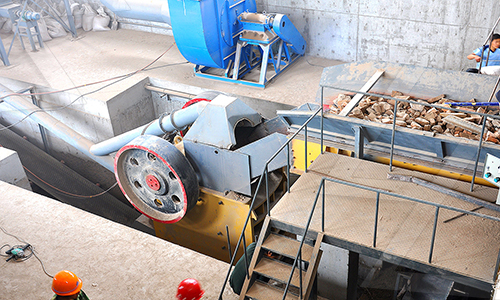
- High-Manganese Steel (Mn14, Mn18) Crusher Jaws & Concaves: These alloys work-harden under impact, developing a hardened surface layer while retaining a tough, ductile core that resists catastrophic cracking. This provides exceptional service life in primary and secondary crushing of hard, abrasive feeds.
- Chromium Alloy Castings for Tertiary/Quaternary Stages: For final shaping and sand production, components like Vertical Shaft Impactor (VSI) rotors, anvils, and cone crusher mantles utilize high-chrome white iron (e.g., 27% Cr). This material offers superior abrasion resistance for processing already-reduced, highly abrasive material to precise cubical specifications.
- Polyurethane and Rubber Screening Media: Selected for specific duty, these materials offer defined wear life, noise reduction, and resistance to blinding. High-tensile, modular polyurethane panels provide excellent abrasion resistance for small, sharp aggregates, while rubber is preferred for damp, sticky feeds or larger rock sizes.
System intelligence transforms individual machines into a cohesive, self-optimizing circuit. Programmable Logic Controller (PLC)-based automation is now standard for ensuring consistency.
- Crusher Automation Systems: Hydroset mechanisms in cone crushers and automatic setting regulation in jaw crushers maintain a predefined discharge gap in real-time, compensating for wear and feed variations to hold product size.
- Integrated Weightometers and Belt Scales: Provide continuous tonnage (TPH) data to the control system, enabling automatic feed rate optimization to prevent crusher choke or stall, maximizing throughput without sacrificing product spec.
- Camera-Based Particle Size Analysis: Advanced systems use on-belt or chute-mounted cameras with machine vision software to provide real-time feedback on product size distribution, allowing for closed-loop adjustment of crusher settings and screen deck configurations.
The selection of processing technology is dictated by the geological source material and the required end products. A one-size-fits-all approach is ineffective.
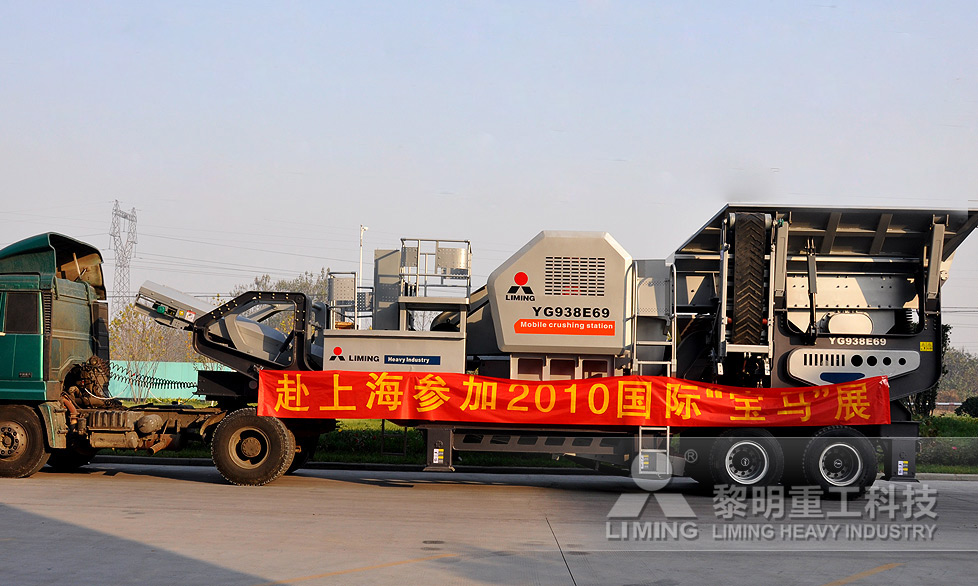
| Processing Stage | Key Equipment | Primary Function | Critical Technical Parameters |
|---|---|---|---|
| Primary Reduction | Jaw Crusher, Gyratory Crusher | High-volume size reduction of run-of-quarry rock. | Feed Size: Up to 1500mm. Capacity: 500 - 2,500+ TPH. USP: High reduction ratio, ability to handle uncrushable material via hydraulic relief. |
| Secondary Crushing | Cone Crusher, Impact Crusher | Further reduction and initial shaping for feed to final stages. | Closed Side Setting (CSS): 20-60mm. Capacity: 200 - 1,200 TPH. USP: Pre-screening ("scalping") of fines to increase efficiency and wear life. |
| Tertiary/Quaternary & Sand Manufacture | Cone Crusher, Vertical Shaft Impactor (VSI) | Production of precisely shaped aggregates and manufactured sand. | Product Shape: Cubicity index control. Fines Management: Air classification or washing integration. USP: Ability to tune rotor speed/anvil configuration for specific product gradation. |
| Size Separation | Vibrating Screens (Linear, Circular) | Sorting of crushed material into precise product fractions. | Screen Deck Media: Wire mesh, polyurethane, rubber. USP: High-G-force action for efficient separation of damp, sticky materials; multiple deck configurations for parallel product streams. |
Adherence to international mechanical and electrical safety standards is non-negotiable. Reputable equipment carries CE marking (for the EU market) and is designed to ISO standards (e.g., ISO 21873 for mobile crushers). This ensures structural integrity, safe guarding, and predictable performance, reducing long-term liability and downtime. The ultimate goal is a processing plant engineered for a specific ore hardness and product slate, delivering consistent specification material at the lowest sustainable cost per ton.
Operational Efficiency and Cost Savings: Reducing Downtime and Fuel Consumption
Operational efficiency in gravel mining is fundamentally governed by the interplay between equipment durability and power system intelligence. The primary cost drivers are unplanned downtime for component replacement and excessive fuel consumption from inefficient material processing. Modern engineering directly targets these through advanced metallurgy and precision system design.
Core Engineering for Reduced Downtime:
Downtime is mitigated by specifying components that exceed the abrasive demands of the feed material. This is not merely about using "hard" steel, but about applying materials with optimal toughness-to-hardness ratios for specific crushing stages.
- Primary Jaw & Impact Crusher Wear Parts: Utilization of modified manganese steel (Mn14Cr2, Mn18Cr2) with micro-alloying elements. These alloys work-harden under impact, forming a continually renewing, ultra-hard surface layer (up to 550 BHN) that resolves the abrasion-fatigue compromise, extending service life by 30-50% over standard Mn-steel in high-impact, high-abrasion primary crushing.
- Cone Crusher Liners & Screen Decks: Application of multi-alloy white iron (e.g., 15% Cr, 20% Cr with Ni/Mo additions) or boron steel for secondary/tertiary stages where constant, high-pressure abrasion dominates. These materials maintain structural integrity under extreme compressive stress, preventing premature crack propagation.
- Structural Integrity & Standards: Main frames and crusher bodies are fabricated from high-yield strength steel (Q345B, ASTM A572) and are stress-relieved. Compliance with ISO 21873 for mobile crushers and CE machinery directives ensures design validation for cyclic loading, preventing catastrophic frame fatigue.
System Design for Fuel Economy:
Fuel consumption is a direct function of parasitic hydraulic loss, engine load management, and the efficiency of the crushing chamber itself.
- Direct-Drive & Hybrid Power Trains: Electrification of conveyors and screens via direct electric drives eliminates hydraulic inefficiencies. Hybrid systems use diesel for mobility and grid/solar power for stationary processing, cutting fuel use by up to 40% in fixed-period operations.
- Load-Sensing Hydraulics & Tier 4 Final Engines: Advanced hydraulics modulate flow and pressure to exact demand, unlike constant-flow systems. Paired with electronically managed Tier 4 Final/Stage V engines, power is mapped to the real-time workload, avoiding high-rev, low-load fuel waste.
- Chamber Optimization & Variable Speed Control: Crushers with optimized kinematics (e.g., steeper nip angles, non-choking profiles) reduce the number of compression cycles required per ton. Variable frequency drives (VFDs) on feeders and conveyors allow precise material feed matching to crusher cavity level, preventing energy-intensive empty running or overload stalls.
Technical Parameters for Efficiency Specification:
Selecting equipment requires analyzing these interdependent parameters against your site's specific material (Abrasion Index, SiO2 content) and output goals.
| Parameter | Impact on Efficiency | Specification Focus |
|---|---|---|
| Throughput (TPH) vs. Power Draw | Measures true energy efficiency (tons/kWh). A lower ratio indicates wasted energy. | Compare crusher motor power against certified TPH capacity for your target product size and material hardness. |
| Wear Part Life (Hours/Tons) | Directly dictates maintenance intervals and operating cost per ton. | Demand wear life guarantees based on provided feed material analysis, not generic estimates. |
| Closed-Side Setting (CSS) Adjustment Range | Wider range allows single-machine adaptation to changing product specs, avoiding bypass or re-crushing. | Look for hydraulic or automated CSS adjustment for cone/jaw crushers to enable quick in-field changes. |
| Plant Automation Level | Automated regulation of feed rate, crusher load, and conveyor sequencing optimizes the entire system flow. | Prioritize PLC systems with cavity level sensors and interlocked conveyor controls to maintain peak efficiency. |
Ultimate cost-per-ton reduction is achieved when material-specific wear resistance and intelligent system design converge. This engineering approach transforms fuel and maintenance from volatile cost centers into predictable, minimized variables.
Technical Specifications and Customization Options for Your Specific Needs
Core Technical Specifications
Our equipment is engineered to the highest international standards, with ISO 9001 quality management and CE certification underpinning all manufacturing processes. The operational envelope is defined by key parameters that must align with your deposit's characteristics.
Primary Crushers (Jaw & Gyratory)
- Feed Opening & CSS: Ranges from 600mm x 900mm to 1500mm x 2000mm for jaw crushers, with a Closed Side Setting (CSS) adjustable between 75mm to 250mm to control top product size.
- Capacity: Throughput (TPH) is a function of crusher model, CSS, and feed material hardness (CWI). Capacities span 150 to 2,000+ TPH.
- Drive & Power: Direct hydraulic or V-belt drives with motors from 75 kW to 450 kW, designed for high-torque start-up under load.
Secondary & Tertiary Crushers (Cone & Impact)
- Chamber Design: Multiple liner profiles (standard, fine, coarse) to optimize the reduction ratio (typically 4:1 to 6:1) and product shape.
- Speed & Throw: Variable crusher speed and eccentric throw settings to fine-tune output gradation for specific aggregate specifications (e.g., road base, concrete aggregate).
Vibrating Screens
- Deck Configuration & Aperture: Single, double, or triple-deck designs. Screen media options include high-tensile woven wire, polyurethane, or rubber, with apertures from 5mm to 150mm.
- Vibration Mechanism & G-Force: Linear or circular motion mechanisms generating 4.5 to 6.5 G's for efficient stratification and material separation.
Material Specifications & Wear Components
| Component | Standard Material | Premium/High-Abrasion Option | Key Property & Benefit |
|---|---|---|---|
| Jaw Plates / Mantles / Concaves | ASTM A128 Manganese Steel (Mn14%) | High Chrome White Iron (26-28% Cr) or Manganese Steel with micro-alloying (Mn18%) | Work-hardens under impact; superior fatigue resistance for crushing hard, abrasive gravel (Abrasion Index >0.6). |
| Screen Decks / Liners | AR400 Steel | Polyurethane Modulus or Hardox 500 | Polyurethane offers superior noise reduction & clog resistance; Hardox provides optimal strength-to-weight for heavy impact zones. |
| Conveyor Belt Scrapers | Tungsten Carbide Tips | Ceramic-Embedded Polyurethane | Maintains cleaner belt, reducing carryback. Ceramic offers extreme wear life in high-silica environments. |
Customization for Site-Specific Challenges
We do not supply generic machinery. Every system is configured based on a geotechnical analysis of your feed material.
- Ore Hardness & Abrasiveness: Crusher cavity profiles, liner metallurgy, and rotor designs are selected based on your material's Bond Work Index (BWI) and Silica (SiO2) content. For highly abrasive deposits, we implement cascading feed systems and premium alloy components to extend mean time between failures (MTBF).
- Feed Gradation & Moisture Content: For sticky, high-clay material, we specify grizzly feeders with stepped grizzly bars, non-blinding screen media, and integrated water spray bars. Crushers may be fitted with hydraulic clearing systems to reduce downtime from packing.
- Target Product Specification: The entire crushing circuit flow—including crusher types, screen deck layouts, and conveyor routing—is engineered to maximize yield of your most valuable product fractions (e.g., 3/4" chip, manufactured sand).
- Mobility & Setup: Options range from stationary plants with deep-foundation engineering to semi-mobile skid-mounted frames and fully mobile tracked units with hydraulic set-up for rapid relocation within a site.
- Dust Suppression & Noise Control: Integrated baghouse filter systems, fully-enclosed conveyor transfers, and water spray manifolds with solenoid control can be engineered to meet stringent local environmental regulations.
Proven Reliability and Support: Backed by Industry-Leading Warranty and Service
Our equipment's structural integrity is engineered for the extreme abrasion and impact forces of gravel mining. Critical wear components, such as jaw crusher plates, cone mantles, and screen decks, are cast from proprietary high-grade manganese steel (Hadfield steel, 12-18% Mn) and ultra-hard alloys. These materials work-harden under continuous impact, increasing surface hardness while retaining a tough, shock-absorbing core, thereby extending service life in highly abrasive silica-rich environments.
Functional Advantages of the Design:
- Modular Wear Part Design: Key wear components are segmented, allowing for individual replacement without dismantling major assemblies. This minimizes downtime and reduces long-term parts inventory costs.
- Sealed & Lubricated Bearing Housings: Heavy-duty, labyrinth-sealed housings with automated grease systems protect critical bearings from dust and water ingress, the primary cause of premature bearing failure in quarry conditions.
- Adaptive Crushing Chambers: Computer-modeled chamber profiles and adjustable eccentric throws enable optimization for varying feed sizes and product gradations, maintaining target Tons Per Hour (TPH) capacity across different ore hardness levels (as measured on the Mohs or Protodyakonov scale).
- Unibody Frame Construction: Main frames are fabricated from high-yield-strength steel plate, stress-relieved to eliminate internal tensions, ensuring alignment integrity under cyclical loading.
All machinery is manufactured under ISO 9001 quality management systems and certified to applicable CE and other regional safety directives for stationary and mobile processing plants.
Support & Warranty Structure
Our industry-leading support is a function of transparent terms and a globally structured service network. The warranty is not merely a time-based promise but is underpinned by documented performance expectations.
| Warranty & Service Component | Technical & Service Scope |
|---|---|
| Core Warranty Period | 24 months from commissioning or 2,500 operational hours, whichever occurs first. Covers defects in material and workmanship on major assemblies (frame, drives, crusher bodies). |
| Wear Parts Guarantee | Performance guarantee on genuine wear parts: guaranteed minimum tonnage throughput for specified feed material (e.g., 500,000 tons for a primary jaw plate set in granite < 200 MPa compressive strength). |
| Field Service & Diagnostics | Priority dispatch of certified field engineers. Support includes vibration spectrum analysis, thermal imaging of electrical components, and hydraulic pressure profiling for pre-failure diagnostics. |
| Lifecycle Parts Inventory | Guaranteed availability of legacy parts for the machine's operational lifecycle, with strategic stocking at regional hubs to ensure ≤72-hour shipment for critical path components. |
Reliability is validated through continuous data collection from our telematics platform, which monitors real-time parameters like power draw, crushing pressure, and bearing temperature. This data informs our Predictive Maintenance Alerts, enabling planned interventions that prevent unplanned stoppages. Our engineering support team provides site-specific optimization reports, analyzing operational data against design TPH and product yield targets to ensure your plant operates at peak efficiency.
Frequently Asked Questions
What is the optimal replacement cycle for crusher wear parts in abrasive gravel?
Monitor liner thickness; replace jaw plates at 60-70% wear. For high-silica gravel (Mohs 7), use Trellex or ESCO premium 18% manganese steel with work-hardening properties. Cycle depends on throughput (e.g., 500-800 hours). Implement ultrasonic thickness gauging for predictive maintenance, avoiding catastrophic failure.
How do I adapt a cone crusher for varying ore hardness (e.g., granite vs. limestone)?
Adjust the hydraulic setting and eccentric throw. For hard granite (Mohs 6-7), use a finer CSS and higher horsepower. For soft limestone, increase throughput with a coarser setting. Always verify main frame bushing (e.g., bronze vs. copper-lead) and lube oil viscosity (ISO VG 320 for high load) are specified for the operating pressure.
What are best practices for controlling harmful vibration in vibrating screens?
Ensure dynamic balancing of the exciter assembly. Use SKF or FAG spherical roller bearings with C4 clearance. Check spring isolation (rubber vs. coil) and mounting torque monthly. For high-frequency screens, implement a vibration analyzer to detect imbalances early, keeping amplitude within 4-5mm to prevent structural fatigue cracks.
What specialized lubrication is required for gravel mining equipment in dusty environments?
Use synthetic, adhesive lubricants with extreme pressure (EP) additives. For bearings, specify NLGI 2 grease with solid lubricants (molybdenum disulfide). Implement automated, centralized lubrication systems (e.g., Lincoln or Graco) with sealed fittings. Change hydraulic fluid per OEM intervals, using high-filtration (10-micron) to combat silica contamination.
How do I optimize fuel efficiency and power for a gravel pit's loaders and haul trucks?
Match gear selection to load. For loaders, use automatic bucket positioners to reduce cycle time. Maintain optimal tire pressure (check weekly) and implement regenerative hydraulics. For engines, adhere to strict DPF/SCR maintenance and use telematics to monitor idle time and real-time fuel consumption, targeting loads above 80% of rated capacity.
What is the critical maintenance check for hydraulic systems on excavators used in gravel mining?
Daily, check for leaks and hose abrasion. Weekly, test pump pressure (e.g., 350 bar) and fluid temperature (<82°C). Use high-quality anti-wear hydraulic fluid (ISO 46). Annually, flush the system and replace filters. Pay special attention to cylinder rod seals; pitting from silica dust requires immediate seal kit replacement to prevent internal contamination.