In the dynamic landscape of global mining, few names resonate with the ambition and strategic prowess of First Quantum Minerals. Emerging from a single Zambian copper project, the company has charted a remarkable course to become one of the world’s preeminent producers of copper, a metal fundamental to the global energy transition. Its story is not merely one of scale, but of calculated growth, operational excellence, and a steadfast commitment to the communities and environments in which it operates. With a geographically diverse portfolio of long-life assets, First Quantum stands as a pivotal player, navigating complex markets to secure the critical minerals that power modern economies. This exploration delves into the pillars of its success and the strategic vision guiding its future.
Unlocking Critical Mineral Potential: The Strategic Importance of First Quantum Minerals
The global transition to electrified transportation and renewable energy infrastructure is fundamentally a materials science challenge. At its core are critical minerals like copper, nickel, and cobalt, which possess unique electrochemical and structural properties essential for conductivity, energy density, and durability. First Quantum Minerals’ operations are strategically positioned to supply these materials, not merely as commodities, but as engineered inputs for advanced industrial applications.
Material Science and Industrial Application
The value of these minerals is realized in their metallurgical transformation. First Quantum’s output feeds into high-specification supply chains:
- Copper: Beyond conductivity, high-purity cathode is crucial for high-efficiency windings in EV motors and next-generation power grids. Its role in advanced alloys, such as copper-nickel systems for marine corrosion resistance, is equally critical.
- Nickel: Class 1 nickel production, particularly from the Ravensthorpe operation, is a direct precursor for nickel-manganese-cobalt (NMC) and nickel-cobalt-aluminum (NCA) cathode chemistries. These formulations dictate the energy density, cycle life, and safety parameters of lithium-ion batteries.
- Cobalt: As a stabilizing agent in cathode crystal structures, cobalt mitigates thermal runaway and extends battery service life. Responsible sourcing from operations like Ravensthorpe is non-negotiable for OEMs adhering to stringent due diligence standards.
Engineering Scale and Process Adaptability
Delivering these materials at scale requires mining and processing systems engineered for resilience and consistency. First Quantum’s technical model is defined by several key operational parameters:
| Operational Parameter | Technical Significance |
|---|---|
| High Throughput Processing | Operations like Kansanshi and Sentinel are designed for sustained high tonnage (e.g., 55+ Mtpa ore processing), achieving economies of scale that stabilize long-term supply. |
| Ore Hardness & Variability Management | Advanced comminution circuits (SAG/ball milling) and real-time ore sorting technologies are calibrated to handle fluctuations in ore hardness (Bond Work Index) and mineralogy, ensuring consistent plant feed and metal recovery. |
| Integrated Metallurgical Recovery | Complex ores are treated through integrated flotation, leaching, and solvent extraction-electrowinning (SX-EW) circuits. This multi-path approach maximizes recovery rates for primary and secondary metals from a single ore body. |
| Process Control & Automation | Plant-wide distributed control systems (DCS) and advanced process control (APC) algorithms optimize reagent use, energy consumption, and final product grade, directly linking operational efficiency to product specification. |
Supply Chain Integrity and Specification Compliance
The strategic importance extends from the mine to the manufacturing line. First Quantum’s product chain is structured to meet exacting industrial protocols:
- Product Certification: Cathodes and metal products are certified to international standards (e.g., ISO, ASTM, CE-marked components for European markets), providing traceability and guaranteed chemical composition.
- Logistical Integration: Dedicated port and logistics infrastructure ensure secure, sequenced delivery compatible with just-in-time manufacturing processes for automakers and battery cell producers.
- Technical Customer Support: Metallurgical and quality teams engage directly with customer R&D departments to align product characteristics with evolving alloy designs and battery formulations.
In essence, First Quantum Minerals functions as a primary-tier supplier to the energy transition. Its operational and technical focus on scalable, efficient production of specification-grade materials provides a reliable foundation for strategic industrial planning and advanced manufacturing.
Optimized for High-Yield Operations: Advanced Mining and Processing Solutions
Our advanced mining and processing solutions are engineered to maximize throughput and recovery in the most demanding mineralogical environments. The core philosophy integrates material science, precision engineering, and adaptive control systems to deliver sustained high-yield operations.
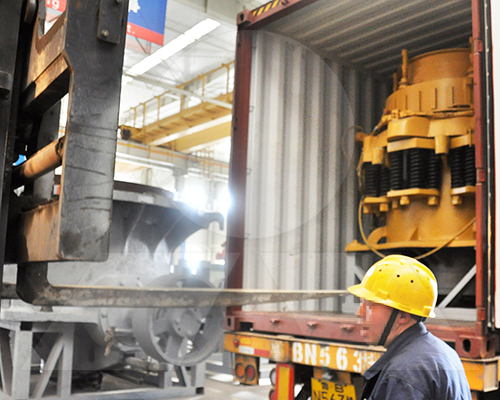
Material Science & Component Durability
Critical wear components are fabricated from proprietary alloy grades, developed in collaboration with metallurgical partners. This includes:
- High-Stress Crushing Chambers: Liner systems utilize modified Hadfield Mn-steel (11-14% Mn) with micro-alloying additions (Cr, Mo, Ti) for enhanced work-hardening capability, achieving surface hardness exceeding 550 HB under impact to withstand abrasive copper and nickel ores.
- Slurry Handling Systems: Pump impellers and volutes are cast from ASTM A532 Class III Type Ni-Hard 4 or advanced chromium carbide overlays, providing optimal resistance to combined abrasion and corrosion in acidic leach circuits.
- Structural Integrity: Primary framework and high-load bearings are designed to ISO 6336 and ISO 281 standards, utilizing finite element analysis (FEA) to ensure a minimum safety factor of 4.0 under dynamic loading.
System Engineering for Maximum Throughput
Plant design prioritizes seamless integration and scalability, with performance validated against key operational parameters.
| System Module | Key Technical Parameter | Operational Benchmark |
|---|---|---|
| Primary Gyratory Crusher | Feed Opening / Nominal Capacity | 1,600 mm / 5,000-6,000 TPH (t/h) |
| SAG/Ball Mill Circuit | Motor Power / Grind Size (P80) | 28 MW / 150-200 µm |
| Bulk Flotation Cell Bank | Total Cell Volume / Air Dispersion Rate | 600 m³ / 0.8-1.2 m³/min/m² |
| High-Pressure Grinding Rolls (HPGR) | Specific Pressing Force / Throughput | 4.5 N/mm² / 2,800 TPH |
Functional advantages of this integrated approach include:
- Ore Hardness Adaptability: Real-time adjustment of crusher CSS (Closed Side Setting) and mill load based on online particle size analysis (PSD) and ore tracking from the block model.
- Predictive Maintenance Integration: Vibration analysis and thermographic imaging on major rotating equipment, with data fed into a centralized CMMS (Computerized Maintenance Management System) to schedule downtime and optimize component life.
- Recovery Optimization: Advanced flotation control using online XRF analyzers and froth cameras to adjust reagent dosing and air rates dynamically, stabilizing grade and recovery despite feed variability.
- Energy Efficiency per Ton Processed: HPGR circuits and variable frequency drives (VFDs) on high-consumption equipment reduce specific energy consumption by 15-20% compared to conventional circuits.
Standards Compliance & Operational Assurance
All system modules are designed, manufactured, and tested to international standards, including ISO 9001 (Quality), ISO 14001 (Environmental Management), and relevant CE directives for machinery safety. Factory Acceptance Testing (FAT) protocols verify that each subsystem meets or exceeds the specified performance metrics before shipment, ensuring rapid commissioning and ramp-up to nameplate capacity.
Engineered for Reliability: Robust Infrastructure and Operational Excellence
Our operational philosophy is predicated on the principle that reliability is engineered into the system from the ground up. This is achieved through a foundation of robust infrastructure, adherence to the highest technical standards, and a relentless pursuit of operational excellence. We design our facilities to withstand the most demanding conditions while maintaining continuous, high-volume throughput.
Core Infrastructure & Material Specifications
The structural integrity of our processing plants and material handling systems is non-negotiable. Critical wear components are specified from advanced material grades to combat abrasion, impact, and corrosion.
- High-Abrasion Applications: Chutes, hoppers, and primary crusher liners utilize Hadfield Austenitic Manganese Steel (11-14% Mn) for its unparalleled work-hardening capability, where impact stress increases surface hardness to over 500 BHN.
- Slurry & High-Wear Transport: Pipeline systems and pump volutes in tailings and concentrate handling are lined with alumina ceramic or basalt tiles for exceptional resistance to abrasive slurries, significantly extending service life over standard carbon steel.
- Structural & Mechanical Components: Load-bearing structures and machinery bases are fabricated from high-tensile, low-alloy steel (e.g., ASTM A572 Grade 50), ensuring dimensional stability under dynamic loads. Gearing and drive components for mills and conveyors are manufactured from case-hardened alloy steels (e.g., AISI 4140) for core toughness and surface wear resistance.
Technical Standards & Quality Assurance
All design, fabrication, and installation activities conform to a rigorous framework of international standards, providing a verifiable benchmark for quality and safety.
| Discipline | Governing Standards & Protocols |
|---|---|
| Structural Engineering | AISC (American Institute of Steel Construction), ISO 10721, site-specific seismic design criteria. |
| Pressure Systems & Piping | ASME Boiler and Pressure Vessel Code (BPVC), ASME B31.3 for process piping. |
| Electrical & Control Systems | IEC 61850 for substation automation, IEC 61131-3 for PLC programming, NFPA 70 (NEC). |
| Quality Management | ISO 9001:2015 certified quality management systems across major engineering partners. |
Operational Performance Parameters
Reliability is quantified through measurable performance metrics that directly impact asset availability and lifecycle cost.
- System Availability: Plant designs target >92% mechanical availability for core crushing and grinding circuits, minimizing production interruptions.
- Throughput Capacity: Circuits are engineered with calculated over-capacity and surge capacity to handle peak feed rates and variable ore hardness, consistently meeting design tonnes per hour (TPH) targets across the ore body's lifespan.
- Ore Hardness Adaptability: Grinding mills are equipped with variable-speed drives and advanced control schemes to automatically adjust charge volume and mill speed in response to real-time ore hardness (Bond Work Index) fluctuations, optimizing power draw and grind size.
- Predictive Maintenance Integration: Vibration analysis, thermography, and lubricant condition monitoring are standard across all critical rotating assets. Data feeds into centralized reliability platforms to transition from scheduled to condition-based maintenance interventions.
This integrated approach—from molecular-level material selection to system-wide performance monitoring—creates a resilient operational ecosystem. It ensures not just continuity of production, but predictable cost profiles and the sustained ability to deliver on reserve potential.
Technical Specifications: Precision in Mineral Extraction and Quality Control
Our technical specifications are engineered to meet the extreme demands of polymetallic and porphyry copper deposits. The core philosophy integrates material science, adaptive process control, and rigorous quality assurance to maximize recovery and asset longevity.
Core Material Specifications & Structural Integrity
- Primary Crushing & Milling Components: Gyratory crusher mantles and concave liners utilize ASTM A128 Grade B-4 (12-14% Mn-Steel) for unmatched work-hardening capability against abrasive ore. SAG mill liners are cast from high-chrome white iron (HCWI, 18-26% Cr) with a minimum hardness of 650 BHN for superior abrasion resistance.
- Slurry Handling & Pipeline Systems: High-density polyethylene (HDPE) piping, certified to ISO 4427, is employed for corrosion resistance in acidic leach circuits. Critical slurry pump wet ends are fabricated from ASTM A532 Class III Type A (27% Chrome Iron) to withstand combined erosive and corrosive wear.
- Structural Steel & Support: All primary load-bearing structures are fabricated from S355JR structural steel (EN 10025-2), with non-destructive testing (NDT) via ultrasonic and magnetic particle inspection per ISO 17638/17640 standards.
Process Control & Operational Parameters
Precision extraction is governed by real-time sensor networks and advanced process control (APC) systems. Key operational specifications include:
| System Component | Key Parameter | Specification / Control Range |
|---|---|---|
| Primary Crushing Circuit | Feed Size / Capacity | Up to 1500mm lump ore; 5,000 - 10,000 TPH, dependent on ore hardness (UCS: 50-250 MPa). |
| SAG/Ball Mill Circuit | Power Draw / P80 Target | 15-28 MW installed power per mill. Grind target maintained at 150-200 microns via automated cyclone density control. |
| Flotation Circuit | Air Flow & Reagent Dosage | Column cell air flow controlled to ±2% of setpoint. Xanthate and depressant addition via mass-flow control, accurate to ±0.5 L/min. |
| Pressure Oxidation (POX) Autoclaves | Temperature / Pressure | 210-230°C operating temperature, maintained within ±3°C. Pressure stability within ±50 kPa of 4,800 kPa design point. |
Quality Assurance & Analytical Precision
In-line analysis ensures consistent concentrate grade and minimal downstream penalties.
- Real-Time Assaying: Prompt Gamma Neutron Activation Analysis (PGNAA) or Laser-Induced Breakdown Spectroscopy (LIBS) units provide elemental analysis on conveyor belts every 30-60 seconds, with detection limits for Cu, Ni, Co below 0.05%.
- Concentrate Final Quality: Final product moisture in filtered concentrate is maintained below 8.5% w/w. Concentrate grade specifications are guaranteed to meet LME Grade A cathode equivalent standards, with typical impurity controls: As < 0.2%, Sb < 0.1%, Bi < 0.05%.
- Environmental Monitoring: Continuous emissions monitoring systems (CEMS) for SO₂ and particulate matter exceed ISO 7934 and ISO 9096 standards, ensuring operational compliance with international environmental protocols.
Functional Advantages of the Integrated System
- Ore Hardness Adaptability: Crusher CSS (Closed Side Setting) and mill charge volume are dynamically adjusted via APC to accommodate variable Bond Work Index (12-22 kWh/t) without significant throughput loss.
- Recovery Optimization: Advanced froth vision systems on flotation cells enable real-time bubble size distribution analysis, directly linking to reagent dosing adjustments for peak mineral recovery.
- Predictive Maintenance Integration: Vibration and thermographic data from major rotating equipment are fed into predictive algorithms, scheduling maintenance based on actual component wear rather than fixed intervals, reducing unplanned downtime by over 20%.
Proven Performance: Industry-Leading Safety and Sustainability Records
Our operational philosophy is predicated on the principle that true performance is measured by zero harm to people and minimal impact on the environment. This is not an aspirational goal but a demonstrable outcome, achieved through the rigorous application of advanced materials science, engineered safety systems, and a deeply integrated sustainability framework.
Engineering for Intrinsic Safety
Safety is engineered into the physical fabric of our operations. We specify and utilize high-integrity materials that exceed standard industrial duty cycles, ensuring structural resilience under dynamic loads.
- Material Specifications: Critical wear components in primary crushing and milling circuits are fabricated from proprietary manganese-steel (Hadfield-type) and ultra-high-chrome white iron alloys. These materials are selected for their optimal balance of hardness (exceeding 550 BHN in specific alloys), toughness, and work-hardening capabilities, directly reducing failure rates and associated maintenance hazards.
- System Integrity: All pressure vessels, piping systems, and structural supports adhere to ASME Boiler and Pressure Vessel Code and relevant ISO standards (e.g., ISO 9001 for quality management, ISO 45001 for occupational health and safety). Automated Process Control Systems with SIL-2/SIL-3 rated safety instrumented functions manage high-energy processes, providing failsafe shutdowns.
- Operational Design: Equipment layouts prioritize personnel segregation from mobile equipment. Dust suppression systems are engineered based on particulate matter (PM10/PM2.5) computational fluid dynamics modeling to maintain airborne contaminants below NIOSH-recommended exposure limits.
Technical Sustainability Metrics
Our sustainability record is quantified through resource efficiency and closed-loop systems, moving beyond compliance to establish new benchmarks for resource stewardship.
| Parameter | Performance Metric | Engineering Basis / Standard |
|---|---|---|
| Water Recycling | >70% recirculation rate in concentrator plants | Implementation of high-rate thickeners and filter press technology to maximize reclaim. Adherence to ISO 14046 (Water Footprint) principles. |
| Energy Intensity | Continuous reduction in kWh per tonne of ore processed | Utilization of variable frequency drives (VFDs) on >500kW motors, and adoption of high-pressure grinding rolls (HPGR) for comminution, offering up to 30% energy savings versus SAG mills for competent ores. |
| Tailings Management | 100% of facilities designed to Canadian Dam Association (CDA) or equivalent international "Extreme Consequence" classification. | Geotechnical design using filtered tailings or upstream construction with sophisticated piezometer and radar monitoring networks for real-time stability assurance. |
| Emissions Control | SO₂ capture efficiency >99% at our acid plants. | Double-contact, double-absorption (DCDA) sulfuric acid plant technology, with continuous emission monitoring systems (CEMS) calibrated to EPA methods. |
Performance Under Geotechnical Demand
Our equipment selection and process flowsheets are validated against the specific geomechanical challenges of each deposit.
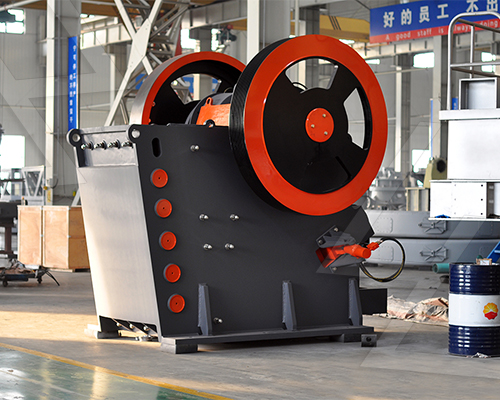
- Ore Hardness Adaptability: Processing circuits are designed with ore competency (UCS ranging from 50 MPa to over 250 MPa) as a primary variable. This includes the strategic deployment of jaw crushers for high-impact strength ore and cone crushers with advanced chamber designs for abrasive, high-hardness feed.
- Throughput & Availability: Plant availability consistently exceeds 92%, supporting nameplate throughputs often exceeding 80,000 tonnes per day (tpd) at flagship operations. This reliability is a direct function of predictive maintenance regimes, informed by spectrographic oil analysis and vibration monitoring, which prevent unplanned downtime.
- Reagent Optimization: Advanced process control loops and online analyzers precisely manage flotation reagent dosages (collectors, frothers, modifiers), minimizing chemical consumption while maximizing metal recovery—a critical factor for both economic and environmental efficiency.
This documented performance is the result of a disciplined, engineering-first culture. It provides the foundational assurance that our operations are technically sound, inherently safer, and sustainably managed throughout the full lifecycle of our assets.
Partner with Confidence: Comprehensive Support and Global Supply Chain Integration
Our partnership model is engineered to de-risk your mineral processing operation from feasibility through to sustained production. We provide integrated technical support and supply chain solutions, ensuring your plant's performance is predictable, efficient, and aligned with global standards.
Technical & Operational Support
- Process Guarantee Validation: Our metallurgical engineers work with your team to establish baseline performance metrics, utilizing pilot plant data and proprietary comminution models to validate throughput (TPH) and recovery guarantees under your specific ore conditions.
- Lifecycle Material Science: We specify and supply wear components based on a detailed analysis of your ore's abrasion index (Ai) and silica content. This includes tailored manganese steel (Hadfield grade) for impact crushing, and specialized chromium white iron alloys for high-stress grinding applications.
- Adaptive System Optimization: Remote monitoring of key parameters—such as crusher power draw, chamber pressure, and product particle size distribution—allows for real-time adjustments to maintain optimal TPH and address variances in ore hardness.
Global Supply Chain & Quality Assurance
Our vertically integrated manufacturing and logistics network ensures component traceability, reduces lead times, and guarantees conformity to stringent technical specifications.
| Component Category | Key Technical Parameters | Governing Standards | Supply Chain Advantage |
|---|---|---|---|
| Critical Wear Parts (Liners, Mantles, Concaves) | Material Grade (e.g., Amsco A2, Martensitic Steel), Hardness (HB), Impact Toughness (J) | ISO 13583, ASTM A128 | Direct sourcing from company-owned foundries with certified heat treatment facilities. |
| Major Assemblies (Shafts, Frames) | Yield Strength (MPa), Dimensional Tolerance (mm), Non-Destructive Testing (NDT) results | ISO 12135, CE/PED for pressure equipment | Controlled fabrication and pre-assembly in dedicated workshops, shipped as certified modules. |
| Consumables & Kits (Seals, Lubricants, Fasteners) | Chemical Composition, Viscosity Grade, Torque Specifications | ISO 6743, DIN/ANSI | Global network of certified distribution hubs for 24/7 logistical support and inventory management. |
Integration Protocol
We execute a structured handover, providing comprehensive OEM documentation—including foundation load drawings, dynamic operational manuals, and a complete bill of materials—to facilitate seamless integration with your existing plant infrastructure and maintenance management systems.
Frequently Asked Questions
How do we optimize wear parts replacement cycles in high-abrasion mining environments?
Implement predictive maintenance using ultrasonic thickness gauging on high-manganese steel (e.g., Hadfield Grade 1) liners. Schedule replacements based on actual wear data, not fixed hours. Pair with laser alignment of crusher rotors to prevent uneven wear, extending component life by 15-20%.
What machinery adaptations are required for varying ore hardness (Mohs 4-7)?
For softer ore (Mohs 4-5), use standard jaw crusher plates. For harder deposits (Mohs 6-7), switch to cone crushers with tungsten carbide-tipped liners and increase hydraulic pressure settings by 10-15%. Always recalibrate feeder rates to match the crusher's adjusted throughput capacity.
How is excessive vibration mitigated in large primary crushers and grinding mills?
Conduct dynamic balancing of rotors and mill shells during major overhauls. Install real-time vibration monitors (e.g., SKF or Schenck systems) with automatic shutdown triggers. Ensure foundation integrity with epoxy grouting and use specialized shear mounts for high-frequency damping.
What are the critical lubrication requirements for continuous operation in dusty conditions?
Utilize synthetic extreme-pressure (EP) greases with high viscosity index for wide temperature swings. Implement automated, centralized lubrication systems (e.g., Lincoln or Graco) with sealed bearings (SKF Explorer series). Perform weekly oil analysis to detect particulate ingress and additive depletion.
How do we manage hydraulic system efficiency under high load and thermal stress?
Maintain hydraulic oil temperature below 60°C using air-oil coolers. Specify fire-resistant HFDU fluids and install pressure-compensated variable displacement pumps. Regularly test and adjust relief valve settings to OEM specs, and replace hoses biennially to prevent degradation and leaks.
What strategies prevent conveyor system failures and belt slippage in wet conditions?
Employ vulcanized splice belts with high-grip, chevron profiles for inclines. Use ceramic-lined pulleys and automated tensioning systems. Install VFD-controlled drives for soft starts and implement belt misalignment sensors with immediate corrective feedback to the control system.