Characteristics of Quarrying in Nigeria
Quarrying is a significant economic activity in Nigeria, providing raw materials for construction, infrastructure development, and industrial use. The sector is shaped by geological, environmental, regulatory, and socio-economic factors. Below are the key characteristics of quarrying in Nigeria:
1. Dominance of Granite and Limestone
Nigeria’s quarrying industry primarily focuses on granite and limestone due to their abundance and high demand for construction. Granite is widely extracted in states like Ogun, Ondo, and Edo, while limestone quarries are concentrated in Benue, Cross River, and Sokoto due to sedimentary deposits (Mallo, 2017). These materials are essential for cement production, road construction, and building projects. 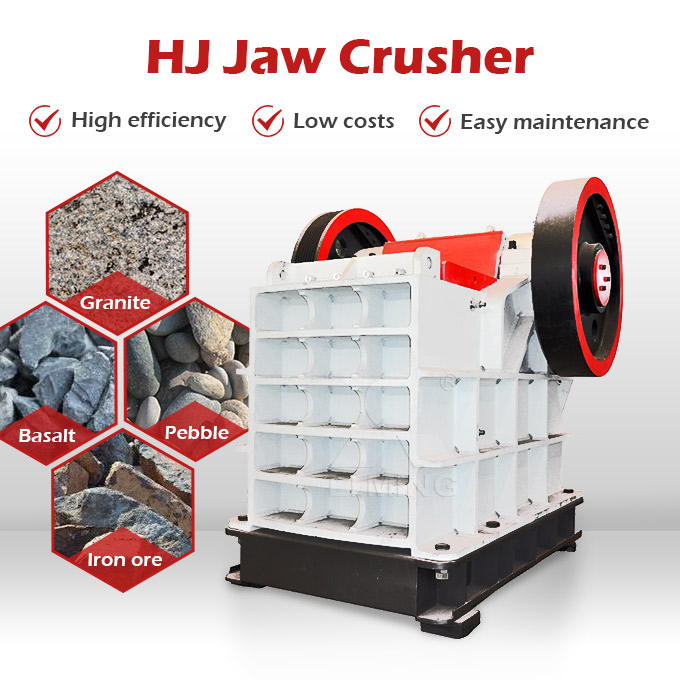
2. Small-Scale and Informal Operations
A large portion of quarrying activities is dominated by small-scale operators who often lack modern equipment or proper licensing. Many quarries operate informally, leading to unregulated extraction practices (Adekoya et al., 2014). This results in inefficiencies, safety hazards, and environmental degradation.
3. Environmental Degradation
Quarrying in Nigeria has been linked to deforestation, soil erosion, water pollution, and landscape alteration. Blasting activities generate dust and noise pollution, affecting nearby communities (Ezeaku & Ezeaku, 2016). In some cases, abandoned quarries become hazardous sites without proper reclamation efforts.
4. Regulatory Challenges
Despite regulations by the Federal Ministry of Mines and Steel Development (MMSD), enforcement remains weak due to corruption and inadequate monitoring (Oramah et al., 2015). Illegal mining persists alongside licensed operations, undermining sustainable resource management.
5. Employment Generation
The quarry sector provides employment opportunities for local populations, including laborers, machine operators, and transporters. However, working conditions are often poor with minimal safety standards (Aigbedion & Iyayi, 2007).
6. Dependence on Local Demand
Most quarry products are consumed domestically due to high demand from Nigeria’s growing construction industry. Exportation is limited by logistical challenges and competition from neighboring countries with more advanced mining sectors (Nwakaudu et al., 2018). .jpg)
Conclusion
Quarrying in Nigeria plays a crucial role in economic development but faces challenges such as environmental harm, weak regulation, and informality. Strengthening policies on sustainable mining practices could enhance productivity while mitigating negative impacts on ecosystems and communities.
References
- Adekoya et al. (2014). Environmental Impact of Artisanal Mining in Southwestern Nigeria.
- Aigbedion & Iyayi (2007). Environmental Effect of Mineral Exploitation in Nigeria.
- Ezeaku & Ezeaku (2016). Impact of Quarrying on Landforms in Southeastern Nigeria.
- Mallo (2017). Geological Survey of Granite Deposits in Northern Nigeria.
- Nwakaudu et al. (2018). Challenges of Quarry Operations in Southern Nigeria.
- Oramah et al. (2015). Regulatory Gaps in Nigerian Mining Sector.