In the dynamic world of infrastructure and railway development, securing a reliable source of high-quality ballast is paramount. A dedicated ballast crusher plant represents a strategic investment, transforming raw quarry rock into precisely graded aggregates that form the stable foundation for rail networks and major construction projects. For businesses looking to expand their operational capacity or enter this essential market, the opportunity to acquire a complete, ready-to-operate ballast crushing plant for sale is a significant advantage. This turnkey solution not only ensures consistent product specification and supply chain control but also unlocks substantial long-term value and project autonomy. Exploring the available options requires a keen understanding of plant capabilities, throughput, and the robust engineering required to meet stringent industry standards.
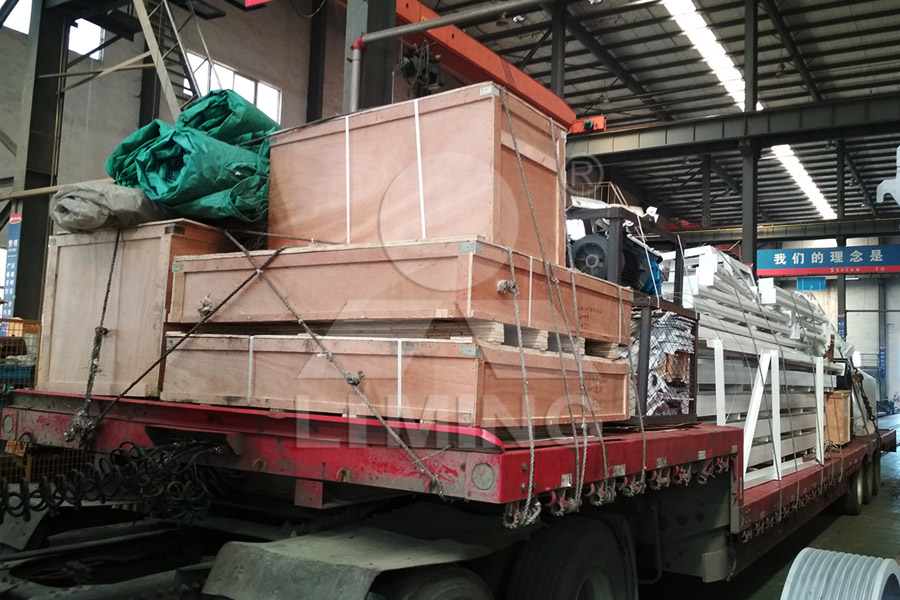
Maximize Railway Construction Efficiency with Our High-Capacity ballast crusher plant for sale
High-capacity ballast production is a non-negotiable requirement for modern railway construction timelines. Our plants are engineered to deliver consistent, specification-grade aggregate by integrating advanced comminution technology with robust material science, directly impacting project efficiency through reduced downtime and superior product yield.
The core of crushing efficiency lies in component durability and process design. Critical wear parts, including jaws, concaves, and blow bars, are cast from proprietary high-grade manganese steel (Mn14Cr2, Mn18Cr2, and Mn22Cr2 alloys). These materials work-harden under impact, developing a surface hardness exceeding 550 HB while retaining a tough, shock-absorbing core. This metallurgical specification directly translates to a lower cost-per-ton in highly abrasive granite, basalt, or trap rock applications.
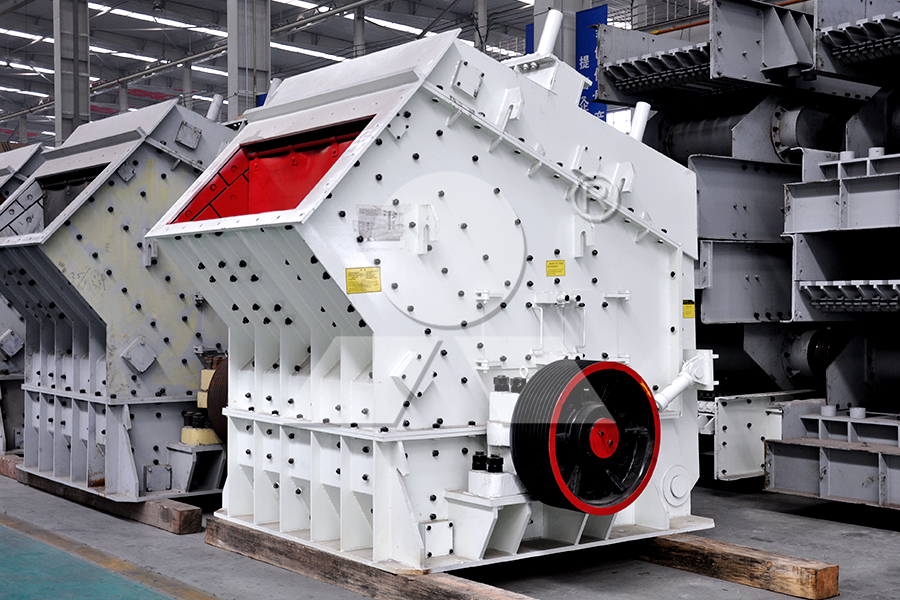
Functional advantages are realized through integrated system design:
- Adaptive Crushing Chambers: Geometry is optimized for ballast-specific size reduction, maximizing the "rock-on-rock" principle in secondary/tertiary stages to produce low-flakiness, cubical product essential for track stability.
- Intelligent Load Management: Hydraulic adjustment and overload protection systems (e.g., tramp release cylinders) respond instantaneously to uncrushable material, preventing catastrophic downtime and protecting the drive train.
- High-Density Particle Flow: Layered vibrating screens with wire mesh or polyurethane panels ensure precise separation. Oversize material is automatically recirculated, creating a closed-loop process that optimizes crusher fill and power draw.
- Mobility with Fixed-Plant Stability: Track-mounted or modular wheeled chassis provide rapid site relocation, while featuring heavy-duty substructures, plant-wide walkways, and centralized lubrication points for stable, industrial-grade operation.
Compliance with international mechanical and safety standards (ISO 9001, CE) is foundational. Performance is quantified by measurable parameters, with plant capacities spanning from 150 to over 800 TPH. Key selection criteria must match feed material to crusher type.
| Parameter | Primary Jaw Crusher | Secondary Cone Crusher | Tertiary Impact Crusher (for shaping) |
|---|---|---|---|
| Typical Feed Size | 0 - 750 mm | 0 - 250 mm | 0 - 120 mm |
| Target Product | 150 - 250 mm | 40 - 80 mm | 19 - 40 mm (Final Ballast) |
| Optimal Material Hardness | Very High (Abrasive) | High to Very High | Medium to High |
| Key Advantage | High reduction ratio, ruggedness | Consistent gradation, wear control | Superior cubical shape |
Ultimate efficiency is achieved through system synchronization. A well-designed plant balances the capacity of each stage, ensuring the primary crusher is not starved and tertiary units are not overloaded. Our designs include integrated feed management via apron feeders and stockpile conveyors to buffer material flow, allowing the crushing circuit to operate continuously at its peak volumetric and power efficiency. This holistic engineering approach guarantees the reliable output of railway ballast that meets AREMA, ASTM, or regional rail specifications for angularity, durability, and gradation.
Engineered for Extreme Loads: The Structural Integrity of Our ballast crusher plant for sale
The structural integrity of a ballast crusher plant is the non-negotiable foundation of its operational lifespan and cost-efficiency. Our plants are engineered from the ground up to withstand the relentless, high-impact forces of processing hard, abrasive railway ballast rock, ensuring sustained throughput and minimal structural fatigue over decades of service.
Core structural components, including the primary crusher frame, feeder supports, and conveyor chassis, are fabricated from high-tensile, low-alloy steel (ASTM A572 Grade 50 or equivalent). This material provides an optimal strength-to-weight ratio, resisting deformation under cyclical loading. For critical wear parts subject to direct rock-on-metal contact, we specify premium manganese steel (Hadfield Grade, 11-14% Mn). This austenitic steel work-hardens under impact, increasing its surface hardness in service to form a durable, self-renewing wear layer that far outlasts conventional materials.
The design philosophy adheres to rigorous international standards for heavy machinery. The entire plant structure is validated against dynamic load factors per ISO 8525 and carries CE marking, confirming compliance with EU safety, health, and environmental protection directives. Finite Element Analysis (FEA) is employed during the design phase to simulate extreme load conditions, identifying and reinforcing potential stress concentration points before fabrication.
Functional Advantages of the Design:
- High-Capacity Endurance: Structures are calculated to support peak loads exceeding nominal TPH capacity, preventing performance degradation during surge conditions or when processing denser ore.
- Adaptability to Material Hardness: The combination of a resilient Mn-steel wear system and a rigid, shock-absorbing frame allows the plant to efficiently process ballast with compressive strengths exceeding 250 MPa without compromising component life.
- Modular Robustness: Individual modules (crushing, screening, conveying) feature integrated, heavy-duty cross-bracing and welded construction, ensuring alignment and stability during transport, setup, and operation, even on semi-permanent foundations.
- Maintenance Accessibility: Structural integrity is paired with strategic access platforms and removal points, designed to facilitate safe inspection and part replacement without compromising the frame's strength.
For specific plant configurations, the structural parameters are defined as follows:
| Component | Key Structural Parameter | Standard Range | Notes |
|---|---|---|---|
| Primary Crusher Support Frame | Steel Plate Thickness | 25-40 mm | Grade 50 steel; thickness scales with crusher model size. |
| Vibrating Grizzly Feeder Deck | Deck Material & Profile | 15-20 mm Mn-steel, bolted replaceable liners | Designed for direct impact from loader buckets. |
| Main Conveyor Truss | Longitudinal Beam Section | HE 180-240 | Hot-rolled European standard beams for maximum rigidity. |
| Plant Walkways & Platforms | Flooring Type | Checkered steel plate (5 mm min.) | Full perimeter guarding integrated into structure. |
This engineered approach translates directly to operational reliability. The plant maintains precise alignment of crushing and screening components, ensuring consistent product gradation for railway specifications. The robust construction mitigates vibration transmission, protecting auxiliary systems and reducing downtime for structural repairs. Ultimately, the investment in foundational integrity secures your asset's productivity and protects your total cost of ownership against the extreme demands of ballast production.
Precision-Graded Aggregates: How Our ballast crusher plant for sale Meets Railway Specifications
Railway ballast is a precision-engineered material, not merely crushed rock. Its function—providing drainage, distributing load, and maintaining track geometry—demands strict adherence to particle size distribution, shape, and durability. Our ballast crusher plants are engineered to produce aggregates that consistently meet or exceed international railway specifications such as AREMA, EN 13450, and local rail authority standards.
The core of compliance lies in the crushing circuit design and material selection. A typical configuration for high-spec ballast production includes:
- Primary Jaw Crusher: Utilizes high-grade manganese steel (Mn14Cr2/Mn18Cr2) jaws to accept run-of-quarry feed and deliver initial reduction. The deep crushing chamber and optimized nip angle ensure consistent feed to secondary stages.
- Secondary Cone Crusher: A high-precision cone crusher is critical. Our plants employ robust cone crushers with hydraulic adjustment and overload protection to maintain tight closed-side settings (CSS), producing the required cubical product shape and minimizing flaky or elongated particles.
- Tertiary Impact Crusher (VSI): For final shaping and fines control, a Vertical Shaft Impactor (VSI) is often integrated. This rock-on-rock crushing action further enhances particle cubicity and surface texture, improving interlock and stability.
Key Technical Parameters for Ballast Production:
| Parameter | Specification Range | Engineering Rationale |
|---|---|---|
| Feed Size | Up to 800mm | Determines primary crusher selection (e.g., Jaw Crusher inlet dimensions). |
| Product Gradation | 20mm - 65mm (adjustable) | Controlled via secondary/tertiary crusher CSS and screen deck configuration to match target spec (e.g., 31.5mm - 50mm). |
| Flakiness Index | < 20% | Achieved through staged compression crushing (cone) and final shaping (VSI). Critical for compaction and load-bearing. |
| Los Angeles Abrasion (LAA) | < 20% Loss | Directly correlated to crusher liner material (high-toughness alloys) and rock-on-rock crushing principles to produce durable, fracture-resistant aggregate. |
| Plant Capacity (TPH) | 150 - 800+ TPH | Scalable based on primary crusher model, conveyor widths, and screen surface area. Designed for continuous, high-tonnage operations. |
Functional Advantages of the Plant Design:
- Adaptability to Ore Hardness: Crusher models are selected based on the compressive strength (MPa) and abrasiveness (SiO2 content) of the parent rock. Liner profiles and alloy grades are specified accordingly, from standard manganese to modified alloys for highly abrasive formations.
- Precision Screening: Multi-deck, high-frequency vibrating screens with precise aperture control ensure strict adherence to upper and lower size limits, removing undersize fines and oversize rock for re-crushing.
- Dust Suppression Integration: Closed-loop water spray systems at transfer points and screens mitigate dust, a critical factor for worksite safety and environmental compliance.
- Mobility & Rapid Deployment: Modular designs with heavy-duty trailer assemblies allow for site relocation with minimal downtime, essential for linear projects like railway construction.
The plant's control system integrates variable frequency drives (VFDs) on feeders and conveyors to regulate feed rate, preventing crusher overload and ensuring optimal cavity level for consistent product gradation. All major components carry CE/ISO certification, with structural designs calculated for dynamic loads and fatigue life. This results in a production system that delivers precision-graded ballast with the mechanical properties required for long-term track integrity and reduced maintenance cycles.
Operational Excellence: Low-Maintenance Design and Energy Efficiency in Our ballast crusher plant for sale
Operational excellence in a ballast crusher plant is engineered through a deliberate focus on material durability, mechanical simplicity, and power system optimization. This directly translates to reduced downtime, lower operating costs, and predictable output over the plant's lifecycle.
Low-Maintenance Design Philosophy
The core of our maintenance strategy is the selection and application of wear-resistant materials in critical stress zones. We move beyond generic "high manganese steel" to specify alloy grades based on specific crushing chamber roles.
- Chamber Liners & Jaw Plates: Fabricated from modified Mn-18Cr2 or Mn-22Cr2 alloys. The elevated chromium content significantly increases yield strength and work-hardening capability, providing superior resistance to the abrasive wear from granite, basalt, and quartzite.
- Cone Crusher Mantles & Concaves: Utilize a multi-alloy approach. Mantles may use a tough, shock-resistant grade, while concaves are cast from a higher-abrasion-resistance alloy. This ensures balanced wear and prevents premature failure of either component.
- Rotor Tips & Anvils (for VSI configurations): Employ tungsten carbide-tipped or high-chrome iron castings for maximum longevity when shaping cubical aggregate, directly impacting product spec compliance.
- Bearing Selection: Heavy-duty, spherical roller bearings with L10 life calculations exceeding 100,000 hours under defined load conditions are standard. These are housed in labyrinth seal arrangements with grease purge systems to exclude dust and contaminants.
- Modular Wear Part Design: Key wear components are designed as modular assemblies. This allows for faster replacement using standard site tools, turning a multi-hour downtime event into a sub-one-hour procedure.
Energy Efficiency & Drive System Integration
Energy consumption is the single largest operational cost. Our plants are designed to minimize specific energy consumption (kWh per tonne of ballast).
- Direct Drive Crushers: Elimination of V-belts and sheaves on primary crushers reduces transmission losses by approximately 3-5%. Direct coupling of high-inertia motors to the crusher drive shaft provides smoother operation under load fluctuation.
- Variable Frequency Drives (VFDs): Strategically applied to secondary cone crushers and screens. VFDs allow the motor speed to match the real-time feed conditions, preventing no-load power draw and optimizing crushing chamber geometry for the presented material. This can yield energy savings of 15-25% on these units.
- High-Efficiency IE3/IE4 Class Motors: All major drives are fitted with premium efficiency motors as standard, ensuring minimal electrical loss at the power conversion stage.
- System-Level Optimization: The plant control system is programmed with interlock logic to sequence conveyor startups/shutdowns and regulate feeder speeds based on crusher amp draw, preventing choke feeding or idle running of downstream equipment.
Technical Specifications & Performance Guarantees
Performance is quantified against industry standards. Our plants are designed and manufactured under a certified ISO 9001:2015 quality management system, with crushers bearing CE marking in compliance with the Machinery Directive 2006/42/EC.
| Parameter | Specification Range | Industry Impact |
|---|---|---|
| Plant Capacity (TPH) | 50 - 600+ | Scalable configuration to match reserve life and production targets. |
| Max Feed Size | Up to 800mm (Primary) | Determines required front-end loading equipment and primary crusher selection. |
| Product Gradation | 0-5mm, 5-20mm, 20-40mm, 40-80mm | Pre-set crushing stages and screen decks ensure consistent RAILWAY BALLAST (e.g., 40-80mm) and other commercial aggregates. |
| Adaptable Crushing Chamber Designs | Multiple cavity profiles available (Coarse, Medium, Fine) | Allows the same crusher frame to be optimized for different ore hardness (e.g., compressive strength from 150 MPa to 350 MPa) or product shape requirements. |
| Overall Drive Power | 150 kW - 1200 kW | Total connected power is engineered for peak efficiency, not maximum draw. |
The operational data from installed plants consistently shows a reduction in wear part consumption per 10,000 tonnes processed and a measurable decrease in specific energy consumption versus traditional, non-integrated designs. This engineering rigor provides a calculable return on investment through total cost of ownership, not merely initial capital expenditure.
Technical Specifications: Core Components and Performance Metrics of Our ballast crusher plant for sale
Primary Crushing Module: Jaw Crusher
The heavy-duty jaw crusher forms the plant's primary reduction core. Constructed from high-grade manganese steel (Mn14Cr2/Mn18Cr2), the jaw plates offer superior wear resistance against highly abrasive ballast rock (typically granite, basalt, or quartzite). A robust, fabricated steel frame ensures structural integrity under cyclic loading. The crusher features a deep crushing chamber and an optimized nip angle to maximize feed size acceptance and throughput while reducing bridging.
- Functional Advantages:
- High Manganese Steel Wear Parts: Replaceable jaw plates and cheek plates with proven metallurgy for extended service life in abrasive environments.
- Heavy-Duty Roller Bearings: Utilize oversized, labyrinth-sealed bearings to handle high radial and axial forces, ensuring reliability and thermal stability.
- Adjustable Discharge Setting: Hydraulic or mechanical shim adjustment system allows for precise control of product size, critical for meeting specific ballast gradation standards (e.g., AREMA, RSSB).
- Robust Eccentric Shaft: Forged from high-quality alloy steel, heat-treated for fatigue strength, providing the necessary inertia for crushing hard rock.
Secondary/Tertiary Crushing Module: Cone Crusher or Impact Crusher
For producing precisely shaped cubical aggregates essential for railway ballast, the plant integrates either a hydraulic cone crusher or a horizontal shaft impact (HSI) crusher. Cone crushers are specified for harder, more abrasive ores, utilizing a combination of high chrome iron and manganese steel liners. HSI crushers are employed for slightly less abrasive rock where superior particle shape is paramount, featuring monolithic or composite alloy blow bars.
-
Functional Advantages (Cone Crusher):
- Advanced Liner Profiles: Computer-optimized cavity designs balance throughput, product shape, and liner wear.
- Hydraulic Control System: Provides overload protection (tramp release), automatic setting adjustment (ASRi-type systems), and chamber clearing for reduced downtime.
- Multi-Point Lubrication: Ensures consistent lubrication to critical internal bearings and gears.
-
Functional Advantages (HSI Crusher):
- High-Inertia Rotor: Fabricated from heavy steel plate with welded wear protection, designed for high tip speed and crushing energy.
- Quick-Wear Part Change: Hydraulic or mechanical assist systems for opening the crusher and replacing blow bars and impact plates without disassembling the rotor.
- Adjustable Primary & Secondary Curtains: Allows fine-tuning of product gradation and shape control.
Screening and Classification Module: Vibrating Screens
High-capacity, multi-deck inclined or horizontal vibrating screens are critical for size separation. Screen decks are clad with high-tensile, abrasion-resistant wire mesh or modular polyurethane panels. The vibrator assembly employs double-bearing technology with externally mounted, grease-lubricated vibrators for easy maintenance and consistent screen motion.
- Functional Advantages:
- Deck Flexibility: Configurable with various aperture sizes and panel types (wire, polyurethane, rubber) to achieve exact ballast specification fractions (e.g., 28-50mm, 31.5-63mm).
- High G-Force Vibration: Ensures efficient stratification and separation of sticky or damp material, preventing blinding and maintaining screening efficiency.
- Modular Screen Media: Allows for rapid panel replacement, minimizing downtime for screen cloth changes.
Structural and Conveying System
The plant is built on a heavy-duty chassis with reinforced cross members. The conveyor system features impact-resistant idlers at feed points, vulcanized belt splices, and head/tail drums sized for the required belt tension and horsepower. Drive units are sized with ample service factor for continuous operation under load.
Performance Metrics & Specifications
| Component | Key Parameter | Specification / Metric | Note |
|---|---|---|---|
| Overall Plant | Design Capacity (TPH) | 50 - 600 TPH | Dependent on feed material hardness (e.g., UCS 150-350 MPa) and final product size. |
| Power Configuration | Electric (Standard) / Diesel-Electric (Optional) | Compliant with CE, ISO 9001 standards for machinery safety and quality management. | |
| Feed Opening (Jaw) | 500x750mm up to 1500x1800mm | Accepts run-of-quarry rock. | |
| Jaw Crusher | CSS Range | 40 - 200 mm | Closed Side Setting defines max product size from primary stage. |
| Drive Power | 55 - 250 kW | Sized for peak load and material density. | |
| Cone/Impact Crusher | CSS / App. Setting | 8 - 40 mm (Cone) / Adjustable Curtains (Impact) | Fine setting for final product shaping and sizing. |
| Drive Power | 90 - 400 kW | Matched to duty and reduction ratio. | |
| Vibrating Screen | Deck Size & Count | Up to 2400x6000mm, 2-3 Deck | Provides sufficient screening area for required efficiency. |
| Screening Efficiency | > 95% | For defined separation sizes under rated capacity. | |
| Product Quality | Particle Shape (Flakiness Index) | Typically < 20% | Achieves cubical aggregate essential for ballast interlock and stability. |
| Gradation Control | Meets AREMA #24, #25, #3, #4A; RSSB; Local Standards | Screens configured to match required specification envelopes. |
Operational USPs
- Material Adaptability: Engineered to process high-silica-content, abrasive igneous and metamorphic rock common in railway ballast quarries.
- Throughput Stability: Component selection and plant layout are calculated to prevent bottlenecks, ensuring sustained TPH output at target product size.
- Serviceability: Designed with maintenance access in mind: centralized lubrication points, walkways, and modular component design for faster wear part replacement.
Proven Reliability: Case Studies and Industry Certifications for Our ballast crusher plant for sale
Our ballast crusher plants are engineered for continuous, high-volume production in demanding quarry and mining environments. Reliability is not an abstract claim but a documented outcome of material selection, design precision, and adherence to international operational standards.
Core Engineering & Material Specifications
The structural integrity of our plants begins with the wear components. Critical elements like jaw plates, cone mantles, and blow bars are cast from proprietary high-grade manganese steel (Mn18Cr2, Mn22Cr2) and chromium alloys. These materials are selected for their work-hardening properties, where impact stress increases surface hardness, thereby extending service life under repeated, high-impact loading from abrasive ballast rock (typically granite, basalt, or quartzite).
All core crushing units (jaws, cones, impactors) and structural fabrications comply with ISO 9001:2015 quality management systems and carry CE marking, confirming conformity with EU safety, health, and environmental protection directives. This ensures consistent manufacturing processes and component traceability.
Documented Performance in Varied Geology
Our plants are deployed across diverse geological formations, from highly abrasive trap rock to dense granite. Performance is quantified through measurable outputs.
| Project Reference | Primary Rock Type | Avg. Feed Size (mm) | Required Product (mm) | Sustained TPH | Key Plant Configuration |
|---|---|---|---|---|---|
| Quarry Operations, Norway | Granite (UCS: 180-250 MPa) | 0-700 | 22-63 (Rail Ballast) | 450 | Primary Jaw Crusher (JC150) + Secondary Cone Crusher (CC300) |
| Aggregate Producer, Canada | Basalt (UCS: 200-300 MPa) | 0-600 | 25-50 (Rail Ballast) | 520 | Grizzly Feeder + Primary Impact Crusher (IC140) + Screening Tower |
| Infrastructure Project, Australia | Quartzite (Abrasive Index: 0.8) | 0-500 | 31.5-63 | 380 | Mobile Jaw & Cone Combination Unit (MC250) |
Functional Advantages for Operational Reliability
- Adaptive Crushing Chambers: Hydroset or hydraulic adjustment systems on cone crushers allow real-time CSS (Closed Side Setting) changes to compensate for wear and maintain consistent product gradation without downtime for shim adjustments.
- Intelligent Load Management: PLC-controlled systems with ASRi (Automatic Setting Regulation) technology monitor crusher load and power draw, automatically adjusting feed rates and settings to prevent overloads and optimize throughput.
- Modular, Heavy-Duty Construction: Plant modules feature reinforced chassis and high-stress point reinforcements to withstand dynamic loads and vibration, enabling rapid relocation and setup with minimal structural fatigue.
- Dust Suppression & Noise Abatement: Integrated spray systems and acoustic enclosures are engineered to meet stringent site-specific environmental regulations (e.g., ISO 14001 considerations), reducing particulate emissions and operational noise.
This engineering philosophy results in a ballast crusher plant that delivers predictable maintenance cycles, lower cost per tonne, and uninterrupted production essential for critical infrastructure timelines.
Frequently Asked Questions
What is the typical wear parts replacement cycle for a ballast crusher jaw plate?
Replacement cycles depend on abrasiveness (Mohs 5-7+). For high-silica ballast, expect 90-120 days for standard manganese steel. Using ZGMn13Cr2 or modified TIC insert alloys can extend life by 40%. Monitor plate thickness; replace at 60% wear to protect the crusher body from damage.
How does the plant adapt to varying ballast rock hardness (e.g., granite vs. limestone)?
Configure crusher cavity and eccentric throw. For hard granite (Mohs 6-7), use a smaller discharge setting and slower speed. For softer limestone (Mohs 3-4), increase speed and open setting. Always pair with a primary scalper to remove fines, reducing abrasive wear and optimizing throughput.
What vibration mitigation is critical for long-term structural integrity?
Isolate crusher foundations with anti-vibration pads or springs. Ensure dynamic balancing of the rotor post-wear part replacement. Use real-time vibration sensors (e.g., SKF or SPM instruments) on bearings. Maintain shaft alignment within 0.05mm tolerance to prevent resonant frequency buildup.
What are the lubrication system requirements for a ballast cone crusher?
Use ISO VG 320 extreme pressure gear oil. Automated, temperature-controlled systems with dual filters are mandatory. Maintain oil cleanliness to ISO 4406 18/16/13. For bearings, specify premium brands like SKF or Timken with grease purging ports. Check oil analysis monthly for wear metals.
How is the final product shape (cubicity) controlled for railway ballast specs?
Cubicity is achieved in the secondary/tertiary stage. Use a cone crusher with a multi-cylinder hydraulic system (e.g., 16-18 MPa setting pressure) to adjust the CSS under load. Pair with a vertical shaft impactor for final shaping to meet EN 13450/AS 2758.7 flakiness index.
What is the key to minimizing unplanned downtime in a ballast crushing circuit?
Implement a predictive maintenance regime. Use ultrasonic thickness gauges on liners and infrared thermography on motors and bearings. Stock critical spares: main shaft sleeves, hydraulic cylinders, and drive belts. Train operators to recognize abnormal sound and pressure gauge readings.