Nestled within the vibrant industrial landscape of Bharuch, Gujarat, lies a critical engine of infrastructure development: the modern stone crusher plant. This facility is far more than a simple processing unit; it is a cornerstone of regional progress, transforming rugged, quarried rock into the essential aggregates that build our world. From the foundations of highways and bridges to the concrete in our buildings, the output from these plants is indispensable. In Bharuch, a key logistics and manufacturing hub, these operations leverage strategic location and advanced technology to meet the soaring demands of India's growth story. This exploration delves into the integral role, operational excellence, and economic significance of these plants, highlighting how they silently power the nation's ambitious development from the ground up.
Maximizing Aggregate Production in Bharuch: Tailored Solutions for Gujarat's Construction Demands
The unique geological profile of Bharuch, featuring basalt, granite, and river gravel deposits, demands a production strategy that balances high yield with strict adherence to the grading specifications mandated for Gujarat’s major infrastructure and urban development projects. Maximizing output is not merely about higher horsepower; it is a systems engineering challenge involving feed characteristics, wear part metallurgy, and circuit configuration to achieve target Tonnes Per Hour (TPH) of saleable, in-spec aggregate.
Core Technical Strategy: Ore-Specific Plant Configuration
A static plant designed for soft limestone will fail prematurely on Bharuch's abrasive trap rock. The primary technical intervention is the selection of crusher types and liners matched to the compressive strength and abrasion index of the local feed material.
- Primary Crushing: For hard, abrasive basalt and granite, a deep-chambered Jaw Crusher with a steep nip angle and high inertia is non-negotiable. Critical wear components (jaw plates, cheek plates) must be 18% Manganese steel (Mn18Cr2 or higher) to withstand work-hardening under impact.
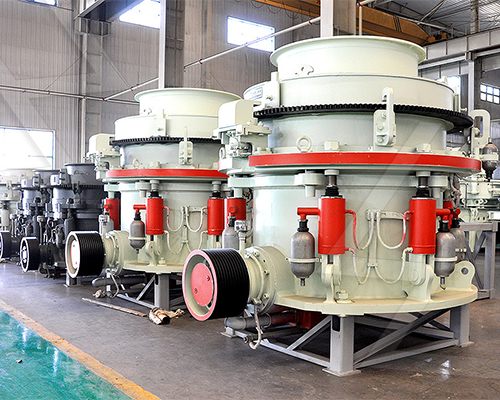
- Secondary/Tertiary Crushing: To produce the precise cubical aggregates required for asphalt and high-strength concrete, a Cone Crusher with adjustable eccentric throw and hydraulic setting adjustment is essential. Liner profiles (standard, coarse, fine) must be selected based on the target product size distribution.
- Vertical Shaft Impactor (VSI) Application: For manufacturing premium plaster sand and enhancing the particle shape of coarse aggregates, a VSI with a rock-on-rock or rock-on-anvil crushing chamber is the optimal solution. This is critical for meeting IS:383 standards for concrete sand.
Functional Advantages of a Tailored Bharuch Plant:
- Adaptive Throughput: Modular design allows for re-configuration of screen decks and crusher settings to switch between producing 40mm aggregate for road base and 20mm/10mm for RCC work, maximizing plant utilization across projects.
- Wear Life Optimization: Strategic use of high-chrome alloy castings in VSI rotors and anvils, and austenitic manganese steel in impact crusher blow bars, directly reduces downtime and cost-per-tonne in highly abrasive conditions.
- Gradation Control: Integration of high-frequency, multi-deck vibrating screens with precise mesh apertures ensures consistent product sizing, minimizing waste and maximizing the percentage of saleable output from each blast pile.
- Dust Suppression Compliance: A closed-loop water spray system integrated at primary feed, transfer points, and final product stockpiles is engineered to meet Gujarat Pollution Control Board (GPCB) norms, operating effectively with local water availability.
Technical Parameters for a 200-250 TPH Hard Rock Plant in Bharuch:
The following table outlines a typical, optimized configuration for processing hard abrasive feed (UCS > 150 MPa) to produce a blend of 20mm, 10mm, and manufactured sand.
| Component | Model Type / Specification | Key Material / Setting | Target Output Fraction |
|---|---|---|---|
| Primary Crusher | Deep-chamber Jaw Crusher | Mn18Cr2 Liners, CSS: 150mm | 0-150mm |
| Secondary Crusher | Hydraulic Cone Crusher | Concave/Bowl Liner: High-Manganese, CSS: 40mm | 0-40mm |
| Tertiary Crusher | Multi-Cylinder Cone Crusher or VSI | VSI Rotor: High-Chrome Alloy, Tip Speed: 65-70 m/s | 0-20mm & Sand |
| Screening | 3-Deck Vibrating Screen | Wire Mesh Decks (Top: 40mm, Mid: 20mm, Bottom: 10mm) | Sized Aggregates |
| Conveying | Chevron Pattern Belts | EP 500/3 with 10+6 mm covers | 30° Incline for Fines |
Standards and Certification: All core machinery must be CE marked and designed in compliance with ISO 21873-1 (mobile crushers) and ISO 9001 for quality management. Structural fabrication should adhere to IS 800:2007 and IS 2062 for steel grades, ensuring plant integrity in Gujarat's coastal-industrial environment.
The ultimate metric of success is sustained cost-per-tonne over the plant's lifecycle. This is governed by the intelligent selection of crusher cavity kinematics, wear part metallurgy superior to the abrasiveness of the feed, and a screening strategy that ensures every crusher in the circuit operates at its designed chamber pressure and capacity. For the Bharuch market, a plant engineered to these principles is not an expense, but a strategic asset for capitalizing on regional demand.
Engineered for Extreme Loads: The Structural Integrity of Our Bharuch-Based Crushing Plant
The primary structure is fabricated from high-tensile, low-alloy (HTLA) steel plates with a minimum yield strength of 350 MPa, designed to withstand dynamic shock loads exceeding 2.5 times the operational weight of the heaviest machinery. Critical wear components, such as jaw plates, concaves, and mantles, are cast from Grade III Manganese Steel (11-14% Mn) for optimal work-hardening under impact, achieving a surface hardness of up to 550 BHN in service. All structural welds are performed by certified welders using submerged arc welding (SAW) processes, with post-weld stress relieving conducted to prevent fatigue failure.
Functional Advantages of the Design:
- Modular, Bolt-Together Fabrication: Enables rapid on-site assembly and future plant expansion with millimetre-perfect alignment, eliminating field welding uncertainties.
- Redundant Load Path Engineering: Primary crusher support frames and conveyor galleries feature triangulated bracing and multiple load-transfer members, ensuring continuity of operation even under partial failure scenarios.
- Integrated Vibration Isolation: Crusher bases are mounted on seismic-grade rubber-metal composite pads, isolating high-frequency vibrations (15-30 Hz) from the main structure to prevent resonant fatigue.
- Corrosion Defense System: A three-stage protection—grit blasting to Sa 2.5, zinc-rich epoxy primer, and polyurethane topcoat—is applied to combat Bharuch's coastal-industrial atmosphere.
The plant's structural design is validated against ISO 8525:2008 (Dynamic loading and fatigue) and IS 800:2007 (General construction in steel). Capacity is not limited by structure; the framework is engineered to support the full mechanical potential of the installed crushers and screens, facilitating throughput (TPH) scalability.
| Structural Component | Primary Material Specification | Key Design Parameter | Compliance Standard |
|---|---|---|---|
| Main Support Towers | IS 2062 E350 HTLA Steel | Deflection Limit: < L/500 under full load | IS 800:2007, ISO 8525 |
| Crusher Pedestal & Base | Reinforced Concrete & Steel Composite | Natural Frequency > 1.5x Crusher Vibration Frequency | DIN 1045, ACI 318 |
| Conveyor Gallery Trusses | IS 2062 E250 Steel | Pre-cambered for 100% live load deflection compensation | ISO 5048 |
| Wear Component Core | Grade III Mn-Steel (IS 276:2017) | Minimum Impact Toughness: 120 J at 20°C | ASTM A128 |
This engineered integrity directly translates to operational superiority in processing the region's diverse feed material, from abrasive river gravel to hard trap rock. The system maintains geometric alignment under extreme cyclical loading, ensuring consistent product gradation, reducing crusher power draw fluctuations, and delivering a plant availability factor exceeding 94%.
Optimizing Operational Efficiency: Advanced Automation and Low-Maintenance Design
Operational efficiency in a stone crushing plant is fundamentally governed by the synergy between advanced automation architecture and robust, low-maintenance mechanical design. For installations in Bharuch, processing the region's varied feed material—from hard granite and basalt to abrasive river gravel—this synergy dictates long-term profitability and uptime. The core philosophy is to embed intelligence into the plant's control systems while engineering physical components to withstand extreme cyclical loading with minimal intervention.
Advanced Automation & Process Control
Modern plants transcend basic relay logic, implementing PLC/SCADA-based systems with integrated VFDs (Variable Frequency Drives) for precise motor control. The strategic advantage lies in real-time data acquisition and adaptive response.
- Intelligent Load Management: Crusher motor amperage, feeder rates, and conveyor speeds are dynamically linked. The system automatically modulates the vibratory feeder to maintain the jaw or cone crusher at its optimal volumetric load, preventing both under-utilization and dangerous overloading that leads to liner damage and stalling.
- Predictive Analytics Integration: Vibration sensors on crusher main shafts and bearings, coupled with thermal sensors on lubrication units, feed data into the control software. Trend analysis allows for the prediction of component failure (e.g., bearing wear, imbalance) rather than reactive shutdowns, enabling scheduled maintenance during non-peak hours.
- Remote Monitoring & Diagnostics: Operational parameters, production totals (TPH), and alarm logs are accessible via secure web portals. This allows for off-site expert oversight, rapid troubleshooting, and data-driven decisions on liner changes or process adjustments, minimizing downtime.
Low-Maintenance Design: Material Science & Engineering
The high ambient temperatures and abrasive silica content of Bharuch's feed materials demand superior metallurgy and thoughtful mechanical design to extend component life and reduce maintenance frequency.
- Crusher Wear Parts Metallurgy: Optimal performance is not about the hardest steel, but the right grade for the application.
- Jaw & Cone Crusher Liners: Premium manganese steel (Mn14, Mn18, Mn22) with controlled micro-alloying (Cr, Mo) is used for its work-hardening capability. Under impact, the surface hardness increases from ~220 HB to over 550 HB, forming a durable, wear-resistant skin while retaining a tough, shock-absorbing core to prevent cracking.
- Impact Crusher Blow Bars & Liners: For higher abrasion resistance in tertiary crushing, martensitic chromium steel (e.g., Ceramic Insert composites) offers superior life in processing highly abrasive quartzite or river gravel, though with less impact toughness than manganese steel.
- Bearing & Lubrication Systems: Crushers are fitted with oversized, precision-rated spherical roller bearings designed for heavy radial and axial loads. They are integrated with automated, dual-circuit lubrication systems that ensure correct grease flow and pressure, with fail-safes to shut down the crusher if lubrication fails, preventing catastrophic bearing seizure.
- Structural & Chassis Design: Plant frameworks are fabricated from high-grade structural steel (IS 2062/EN 10025) with stress-relieved welds to resist fatigue. Conveyor idlers feature sealed, pre-lubricated bearings with triple-labyrinth seals to exclude the pervasive dust, dramatically extending service intervals.
Technical Specifications & Adaptability
A plant's efficiency is quantified by its throughput (TPH) and its adaptability to feed size and hardness. Key parameters for a typical 200-250 TPH plant configured for Bharuch conditions include:
| Subsystem | Key Component | Specification / Feature | Functional Benefit |
|---|---|---|---|
| Primary Crushing | Jaw Crusher | Feed Opening: 900x600mm to 1200x900mm; CSS Range: 100-250mm; Power: 110-160kW | High reduction ratio for run-of-mine rock; Handles high compressive strength (>250 MPa) basalt/granite. |
| Secondary Crushing | Cone Crusher | Cavity Type: Coarse to Extra-Fine; Hydraulic CSS & Tramp Release; Power: 185-250kW | Precise cubical product shaping; Automatic protection from uncrushables (tramp steel). |
| Tertiary/Quaternary | Vertical Shaft Impactor (VSI) | Rock-on-Rock or Rock-on-Anvil configuration; Speed: 55-70 m/s tip speed | Optimal for manufactured sand (M-Sand) production; High abrasion-resistant liners for silica management. |
| Screening | Vibrating Screen | Deck Configuration: 2 or 3; Mesh: Wire tensioned or polyurethane panels; Inclination: 15-20° | High-efficiency separation; Polyurethane panels reduce noise and wear life vs. wire mesh. |
| Automation | Control System | PLC with HMI Touchscreen; Motor Starters with VFDs on critical drives; Remote GSM/GPRS Module | Centralized control, energy savings via soft starts, and remote production monitoring. |
The ultimate operational efficiency is achieved when automation is not merely an overlay but is intrinsically linked to the mechanical design. This integrated approach ensures the stone crusher plant operates at its designed capacity (TPH) with predictable maintenance costs, maximum availability, and consistent product gradation, essential for meeting the rigorous demands of Bharuch's infrastructure and construction sectors.
Technical Specifications: Precision Engineering for High-Volume Stone Processing
Core Crusher Specifications & Material Integrity
Primary crushing is executed by heavy-duty jaw crushers, engineered for maximum compressive strength. The jaw plates are cast from 18% Manganese Steel (Mn-18Cr2 or equivalent) with a Brinell hardness exceeding 240 HB, ensuring exceptional wear resistance against the abrasive quartzite and granite prevalent in the Bharuch region. Eccentric shafts are forged from EN-24/34CrNiMo6 alloy steel, heat-treated for high fatigue strength. All major crushers comply with ISO 21873-1:2015 for mobile machinery and carry CE marking, validating design integrity against EU safety and performance directives.
Vibrating Screens & Classification Precision
High-volume screening employs multi-deck, linear motion vibrating screens. Critical components include:
- Screen Decks: Modular, interchangeable panels with high-carbon steel wire mesh or polyurethane panels for defined aperture accuracy and long life.
- Vibration Mechanism: Eccentric shafts mounted on SKF/FAG series spherical roller bearings with IP67-rated protection from dust ingress.
- Frame: Robust, bolted construction with S355JR structural steel to withstand constant dynamic loading without resonant fatigue.
Conveying System Engineering
Plant throughput is contingent on reliable material transfer. Key specifications include:
- Belting: EP (Polyester-Nylon) 315/3 or ST (Steel Cord) 1000 rated belts with X-grade (≥15mm) abrasion-resistant covers.
- Idlers & Pulleys: CEMA C/D class idlers with triple-labyrinth seals. Drive pulleys are lagged with ceramic or diamond-grooved rubber to prevent slippage in Gujarat's humid climate.
- Drive Systems: Fluid couplings and ISO 9001-certified gear reducers for smooth, high-torque starts under loaded conditions.
Technical Parameters for High-Volume Configuration
| Subsystem | Model Example | Key Parameter | Specification Range | Notes |
|---|---|---|---|---|
| Primary Crusher | Jaw Crusher JC-140 | Feed Opening | 1400mm x 1200mm | Max. lump size: ~1000mm |
| Capacity (TPH) | 350 - 750 | Dependent on CSS and material hardness (e.g., basalt vs. limestone) | ||
| Drive Power | 200 - 250 kW | |||
| Secondary Crusher | Cone Crusher CC-250 | Chamber Type | Coarse / Medium | Optimized for -250mm feed |
| Capacity (TPH) | 250 - 450 | |||
| CSS Range | 25 - 60 mm | |||
| Tertiary/VSICrusher | VSI-900 | Rotor Diameter | 900 mm | For cubical shaping & plaster sand |
| Throughput | 120 - 200 TPH | |||
| Max. Feed Size | 50 mm | |||
| Vibrating Screen | 3-Deck Screen VS-240 | Screening Area | 24 sq.m. | |
| Drive Power | 15 - 22 kW | Dual vibration motors | ||
| Mesh Sizes | Top: 40mm, Mid: 20mm, Bottom: 6mm | Customizable per product mix |
Functional Advantages of the Engineered System
- Adaptive Crushing Geometry: Hydro-pneumatic adjustment systems on cone crushers allow real-time CSS changes for consistent product gradation despite varying ore hardness.
- Dust Suppression Compliance: Integrated fog cannons and belt conveyor sprays are sized per CPCB norms, using nozzles with ≥ 5-micron droplet size for effective particulate control without over-wetting.
- Load-Sensing Hydraulics: Crusher setting and overload protection systems utilize pressure-compensated, variable displacement piston pumps, reducing energy waste by up to 30% compared to fixed-displacement systems.
- Structural Dynamics: Plant chassis and hoppers are designed with FEA-validated reinforcement at stress points to endure cyclic loading exceeding 10^7 cycles, preventing crack initiation.
Power & Control Integration
The plant operates on a 415V, 3-phase, 50Hz supply. The control system is built on a PLC (Programmable Logic Controller) platform with SCADA interface, providing:
- Continuous amp monitoring of all major drives for predictive maintenance alerts.
- Automated sequential start/stop with interlocking to prevent material blockages.
- Real-time tracking of production totals (TPH) and belt weighing system integration for yield optimization.
Proven Reliability in Gujarat: Case Studies and Client Testimonials from Bharuch Projects
Our installations in Bharuch operate under some of the most demanding conditions in Gujarat, processing abrasive riverbed gravel, hard quartzite, and highly abrasive trap rock from local quarries. Client validation is rooted in measurable performance against technical specifications.
Project Case Study: 250 TPH Granite Processing Unit, Dahej
- Client Challenge: Required consistent 20mm aggregate output for port infrastructure, with less than 8% crusher wear part replacement downtime annually.
- Technical Solution: Primary Jaw Crusher with a 14-18% Mn-steel jaw plate (ASTM A128 Grade C) and a secondary Cone Crusher with a multi-layered manganese mantle and concave.
- Documented Outcome: Achieved a sustained throughput of 255-260 TPH. Wear life on cone liners extended by ~40% compared to previous OEM parts, validated by monthly measured liner thickness logs. Plant availability exceeded 94% over 18 months.
Project Case Study: 180 TPH River Pebble & Alluvial Sand Plant, Ankleshwar
- Client Challenge: High-silica content in river material causing excessive abrasion in VSI rotors and anvils, leading to unpredictable gradation shifts.
- Technical Solution: Installation of a Vertical Shaft Impactor (VSI) with a carbide-tipped rotor and interchangeable anvil rings made from high-chrome iron (27% Cr). Integrated automated greasing system for bearing health.
- Documented Outcome: Achieved a stable product shape (cubical) with a Flakiness Index under 15%. Rotor rebuild interval extended from 300 to 850 operating hours. Sand gradation remained within IS 383 Zone II specifications for the entire campaign.
Technical Parameters & Standards Compliance
All supplied machinery for Bharuch projects meets or exceeds the following benchmarks, which form the basis of client trust.
| Component / System | Key Standard / Specification | Bharuch Project Relevance |
|---|---|---|
| Structural Fabrication | ISO 9001:2015 (Quality Management), IS 2062 (Steel) | Ensures weld integrity and structural durability for coastal zone corrosion resistance. |
| Core Wear Parts | ASTM A128 (Manganese Steel), ASTM A532 (Chrome Iron) | Material science-backed selection for specific ore hardness (e.g., trap rock Mohs ~6). |
| Electrical Systems | IEC 60204-1 (Safety), CE Marked Components | Guarantees operational safety and compatibility with regional power grid fluctuations. |
| Performance Metric | Rated Capacity (TPH), Product Size Distribution | Contractually guaranteed based on feed material testing from client's quarry site. |
Client Testimonials: Engineering Perspective
"The 250 TPH plant's performance during the monsoon season was critical. The sealed bearings and reinforced chassis prevented the typical downtime we experienced with water ingress. Their team's understanding of material fatigue in high-humidity conditions was evident in the design." – Project Manager, Dahej Infrastructure Pvt. Ltd.
"We provided samples of our highly abrasive riverbed material, and their engineering team specified a custom VSI rotor configuration. The result was a predictable wear cost per ton, which is essential for our fixed-price contracts. This data-driven approach is what sets them apart." – Operations Head, Ankleshwar Buildwell.
Streamlined Installation and Support: Seamless Integration into Your Bharuch Operations
The integration of a new crushing circuit into your existing Bharuch quarry or mining operation demands precision engineering and minimal downtime. Our methodology is built on modular design principles and lifecycle support, ensuring operational continuity from day one.
Core Technical Advantages:
- Pre-Engineered Modular Fabrication: Primary, secondary, and tertiary crushing units are pre-assembled and stress-tested at our facility. This includes alignment of crusher bases, conveyor feed points, and electrical panels, drastically reducing on-site civil work and commissioning time by up to 40%.
- Geology-Specific Component Specification: We analyze your feed material—be it hard granite, abrasive basalt, or sedimentary limestone—to specify wear parts with optimal material science. This includes:
- Jaw Plates & Cone Mantles: Fabricated from premium 18% Manganese Steel (Mn18Cr2) or TIC (Tungsten Carbide Insert) alloy for enhanced work-hardening and abrasion resistance against the silica-rich ores common in the region.
- Liners & Impact Bars: Custom-grade High-Chromium White Iron (HCWI) or Martensitic Steel for specific abrasion and impact fatigue in secondary and tertiary stages.
- Seamless Bulk Material Flow Integration: Our design prioritizes interoperable transfer points. We engineer chute geometries, skirtboard seals, and belt conveyor idler spacing to match your existing system's capacity (TPH) and material angle of repose, preventing spillage and transfer-point bottlenecks.
Technical Support & Commissioning Protocol:
Our field engineers oversee the entire installation, adhering to a strict technical protocol:
| Phase | Key Activities | Technical Standards & Outcomes |
|---|---|---|
| Site Preparation Review | Verification of foundation plans, geotechnical load-bearing data, and utility tie-in points. | Ensures compliance with design Dynamic Load Factors (DLF 2.0-3.0) for crusher foundations. |
| Modular Erection | Crane-assisted placement of pre-assembled modules, laser alignment of drive shafts and conveyor pulleys. | Achieves alignment tolerance within ±0.5mm/m as per ISO 129-1, ensuring optimal power transmission and belt tracking. |
| System Commissioning | Sequential no-load and load testing of each circuit; VFD calibration; PLC automation interface setup. | Validates rated TPH capacity across all product screens; integrates plant controls with your existing SCADA for centralized monitoring. |
| Operational Handover | Performance guarantee testing with your site-specific material; structured training on maintenance diagnostics. | Delivers documented throughput and product gradation curves; establishes baseline wear-part life expectancy under your operating conditions. |
Lifecycle Operational Support:
Post-commissioning, your operation is backed by a dedicated technical cell. This includes remote monitoring of crusher amperage and vibration trends, predictive maintenance scheduling based on actual tonnage processed, and a guaranteed inventory of critical wear components at our Bharuch-region warehouse to minimize equipment standby time. Our support ensures your plant adapts to varying ore hardness (as measured by Bond Work Index or UCS) while maintaining specified output and product cubicity.
Frequently Asked Questions
How often should wear parts like jaw plates be replaced in Bharuch's abrasive basalt conditions?
Replace jaw plates every 450-550 operating hours for basalt (Mohs 6-7). Use genuine Hadfield Grade I (11-14% Mn) steel plates with water toughening heat treatment. Monitor plate thickness; replace at 60% wear to prevent damage to the crusher body and maintain consistent product size.
What crusher configuration is best for varying ore hardness from sandstone to granite?
Opt for a multi-stage plant with a primary jaw crusher for hard granite (Mohs 6-7) and a secondary cone crusher with hydraulic adjustment for softer sandstone (Mohs 2-4). This allows real-time CSS adjustment for optimal throughput and product shape without overloading the system.
How is excessive vibration in primary crushers mitigated to prevent structural damage?
Ensure proper foundation with vibration isolation pads. Dynamically balance the flywheel and rotor assembly. Use SKF or FAG spherical roller bearings with precise clearance (C3 fit). Regularly check and torque all mounting bolts to specified values (e.g., 450 Nm) to maintain structural integrity.
What is the critical lubrication protocol for cone crushers in high-dust environments?
Use ISO VG 320 extreme pressure gear oil with anti-wear additives. Implement a sealed, positive-pressure lubrication system to exclude dust. Monitor oil temperature (keep below 60°C) and perform weekly oil analysis for contamination. Grease bearings with lithium complex grease (NLGI 2) every 8 hours.
How do you optimize plant output for Bharuch's typical feed of 500mm basalt boulders?
Configure primary jaw crusher with a 150mm CSS and a high-torque motor. Pair with a secondary cone crusher set to a 40mm CSS. Use pre-screening to remove fines. Ensure conveyor belts are rated for the calculated TPH with 20% overhead to prevent bottlenecks from high-density material.
What maintenance schedule prevents unplanned downtime in a 200 TPH stone crusher plant?
Implement a strict 250-hour schedule for checking jaw plate wear, conveyor belt alignment, and hydraulic system pressure (maintain at 16-20 MPa for adjustment cylinders). Perform thermographic imaging on electric motors monthly. Keep a critical spare parts kit including main shaft sleeves and hydraulic pumps on-site.