Nestled at the heart of the Arabian Gulf, Bahrain's ambitious infrastructure and development projects demand a robust and reliable supply of construction aggregates. The bedrock of this supply chain lies within the nation's quarries, where the efficiency and sophistication of extraction and processing equipment directly influence project timelines, costs, and quality. From powerful primary crushers that reduce massive limestone formations to precise screening plants that ensure gradation specifications, the machinery operating in Bahrain's quarries represents a critical technological frontier. This article delves into the essential equipment driving this vital sector, exploring the innovative solutions and heavy-duty machinery that transform raw geological resources into the foundational materials shaping Bahrain's evolving skyline and connecting its communities.
Maximizing Aggregate Production in Bahrain's Harsh Conditions
Bahrain's unique geology and climate present a distinct set of challenges for aggregate production. The primary rock formations, consisting of highly abrasive limestone and dolomite, coupled with extreme heat, airborne salinity, and abrasive dust, demand equipment engineered beyond generic specifications. Maximizing throughput and operational lifespan here requires a deliberate focus on material science, robust engineering standards, and equipment configured for the specific ore profile.
Core Equipment Specifications for Bahraini Conditions
The cornerstone of durability lies in the wear materials. Equipment must utilize premium, application-specific alloys.
- Primary Jaw & Cone Crusher Liners: Must be cast from high-grade Austenitic Manganese Steel (Mn14%, Mn18%, or Mn22%) with controlled heat treatment to achieve optimal work-hardening properties. This ensures the metal surface hardens under continuous impact from the hard limestone, forming a durable, work-hardened skin that resists abrasion.
- Impact Crusher Wear Parts (Blow Bars, Impact Plates): Require a composite approach. For the primary impact zone, high-toughness martensitic steel (e.g., 26-28% Chrome iron) provides fracture resistance. Secondary and tertiary zones benefit from even higher chromium content (30%+) or ceramic-insert composites to combat pure abrasion.
- Screen Decks: Wire mesh is often inadequate. Polyurethane modular panels with high tensile strength and UV stabilizers resist blinding from the fine, dry dust and offer significantly longer life than steel in abrasive screening applications. For heavy-duty scalping, harp screens with hardened alloy wires are mandatory.
Technical Standards & Design Philosophy
Equipment selection must be validated against internationally recognized standards that guarantee structural integrity and performance under load.
- Structural Fabrication: Primary crusher frames, screen bodies, and conveyor supports should be designed per ISO 8525 (Continuous mechanical handling equipment - Safety requirements) and fabricated under ISO 3834 (Quality requirements for fusion welding). CE marking is a baseline, not a premium feature.
- Bearing & Drive Selection: All rotating assemblies must be sized with substantial service factor margins (minimum 1.5) to account for peak loads from uncrushable material and thermal stress. Bearings should be rated for L10 life exceeding 50,000 hours in high-temperature, high-dust environments.
- Dust & Corrosion Mitigation: Enclosures for electrical panels, drives, and bearings must meet a minimum of IP65 for dust and water ingress protection. Critical structural steel should be primed and painted with epoxy-based systems resistant to salt-laden atmospheres.
Operational Configuration for Maximized TPH
Achieving target tonnage (TPH) is a function of matching the entire circuit to the material's Work Index (Wi) and abrasion index (Ai).
| Circuit Stage | Key Parameter | Bahrain-Specific Consideration | Target Specification Range |
|---|---|---|---|
| Primary Crushing | Feed Size / Hardness | Handling blocky, high-density limestone. | Jaw Crusher: Feed opening ≥ 1200x800mm, CSS 150-200mm, power ≥ 160kW. |
| Secondary Crushing | Particle Shape / Abrasion | Producing cubical aggregate for asphalt/concrete. | Cone Crusher: Heavy-duty head diameter ≥ 1600mm, cavity for fine/intermediate crushing, automated setting adjustment. |
| Tertiary/Quarternary Crushing | Fines Generation & Control | Minimizing -75µm material while achieving final spec. | Vertical Shaft Impact (VSI) Crusher: Rock-on-rock or hybrid configuration, adjustable rotor speed for shape optimization. |
| Screening | Efficiency in Dust | Preventing screen blinding in dry, dusty conditions. | High-frequency screens with polyurethane decks; inclined screens with ball-tray or ultrasonic anti-blinding systems. |
Functional Advantages of a Purpose-Engineered Circuit
- Adaptive Crushing Chambers: Modern cone crushers with adjustable eccentric throw and multi-zone crushing chambers allow operators to fine-tune the balance between capacity, product shape, and liner wear without hardware changes.
- Intelligent Wear Monitoring: Ultrasonic sensors on crusher liners and wireless wear indicators on conveyor chutes enable predictive maintenance, preventing unplanned downtime and catastrophic wear-through.
- Heat Management Systems: Integrated, high-capacity radiator and hydraulic oil cooling circuits with dust-resistant fins maintain optimal fluid temperatures, preserving viscosity and component life during sustained +45°C ambient operations.
- Sealed Conveyor Systems: Fully-enclosed conveyor transfers and skirtboard systems with multi-stage dust seals drastically reduce material loss and airborne dust, protecting downstream equipment and improving site environmental compliance.
Ultimately, maximizing production in Bahrain is not about selecting the largest equipment, but the most appropriately engineered. It requires a system where every component, from metallurgy to motor rating, is specified to contend with the dual adversaries of extreme abrasion and climate, thereby ensuring sustained throughput and asset longevity.
Engineered for Extreme Loads: The Structural Integrity of Our Quarry Equipment
The operational environment of a Bahraini quarry—processing abrasive limestone, gabbro, and silica-rich aggregates under high ambient temperatures—demands equipment whose structural integrity is non-negotiable. Our engineering philosophy is rooted in exceeding the dynamic, shock, and abrasive loads typical of the Gulf region, ensuring maximum uptime and total cost of ownership.
Core Material Science & Fabrication
Structural components are defined by grade-specific material selection and advanced fabrication techniques.
- Critical Wear Parts (Jaws, Cones, Liners): Fabricated from premium Austenitic Manganese Steel (14-18% Mn) and proprietary high-chrome iron alloys. These materials work-harden under impact, increasing surface hardness to over 500 BHN while retaining a shock-absorbing ductile core, perfectly suited for Bahrain's hard, abrasive feed stock.
- Primary Frame & Chassis: Constructed from high-tensile, low-alloy steel plates (Q345B, Q460C equivalent). Frames are stress-relieved and utilize robotic Submerged Arc Welding (SAW) with certified procedures to eliminate internal stresses and prevent fatigue cracking under cyclical loading.
- Corrosion Mitigation: Beyond standard primers, critical internal structures receive a multi-layer epoxy-polyurethane coating system, specifically formulated for high UV and saline atmospheric resistance, combating Bahrain's coastal climate.
Certified Design & Validation
All structural designs follow Finite Element Analysis (FEA) and Discrete Element Modeling (DEM) to simulate extreme load cases before fabrication. This virtual validation is confirmed by physical testing to relevant ISO 21873, ISO 9001, and CE directives, ensuring global engineering standards are met for safety and performance.
Functional Advantages for High-TPH Operations
- Optimized Mass & Inertia: Crusher frames are designed with calculated mass to absorb peak shock loads without resonant vibration, protecting bearings and drives.
- Modular Wear Component Design: Allows for strategic replacement of high-wear sections, extending the service life of the main structure by decades.
- Unified Lubrication & Hydraulic Systems: Sealed, high-capacity systems with integrated cooling maintain optimal viscosity and pressure, ensuring structural actuators and bearings operate within design parameters under +45°C ambient conditions.
Technical Specifications for Load-Bearing Components
| Component | Primary Material / Standard | Key Design Parameter | Operational Benefit |
|---|---|---|---|
| Jaw Crusher Main Frame | Welded Steel (ISO 630) | Rigidity Index > 95% | Maintains alignment under asymmetric loading, ensuring consistent CSS and product gradation. |
| Cone Crusher Adjustment Ring | High-Strength Cast Steel | Ultimate Tensile Strength ≥ 850 MPa | Withstands the immense hoop stresses generated during crushing of hard gabbro (up to 300 MPa compressive strength). |
| Vibrating Grizzly Feeder Deck | Hardox® 450 / AR400 Steel | Abrasion Resistance ≤ 140 mm³ (BRINELL) | Resists cutting and gouging from direct impact of blasted rock, ensuring long-term structural soundness of the feeder bed. |
| Screen Box Side Plates | High-Yield Strength Steel | Dynamic Load Factor ≥ 4.0 | Engineered to endure the constant, high-frequency vibrating motion without fatigue failure, supporting high TPH screening. |
This rigorous approach to structural engineering translates directly to operational reliability. Equipment maintains designed Tonnes Per Hour (TPH) capacity and product shape specification over extended campaigns, withstanding the specific material hardness and environmental extremes of the Bahraini market.
Optimizing Operational Efficiency with Advanced Automation Systems
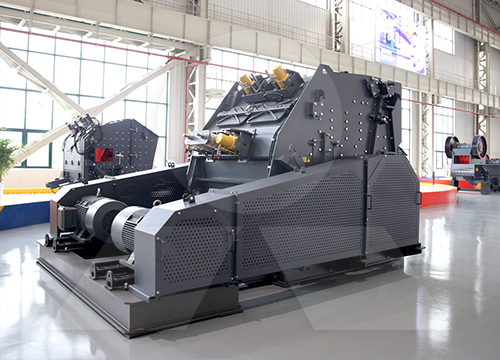
Advanced automation systems are no longer a luxury but a critical operational necessity for quarries in Bahrain, where maximizing throughput per unit of energy and labor cost is paramount for maintaining competitiveness. The core objective is to integrate control, monitoring, and data analytics across the entire size reduction and classification circuit, from primary blasting to final stockpiling. True optimization is achieved not by simply automating single machines, but by creating a synchronized, data-driven production flow that dynamically adjusts to real-time feed conditions and market demand.
The implementation hinges on several key technological layers:
-
Centralized Process Control Systems (PCS): These systems provide a unified operator interface for the entire plant, enabling control of crusher settings, conveyor speeds, screen angles, and feeder rates from a single location. Advanced PCS utilize programmable logic controllers (PLCs) with robust, mining-grade housings (IP65/66 rated) to withstand dust and temperature extremes common in Bahrain.
-
Sensor Fusion and Real-Time Monitoring: Critical wear components are instrumented with a network of sensors. Vibration analysis on crusher main shafts and bearings allows for predictive maintenance, preventing catastrophic failure. Laser-based level sensors in crusher cavities optimize feed for choke-fed operation, maximizing reduction efficiency and liner life. On-belt analyzers can provide real-time data on feed size distribution and composition.
-
Adaptive Crushing Logic: For cone crushers, automation systems dynamically adjust the closed-side setting (CSS) and eccentric speed based on power draw and cavity level. This ensures optimal particle size reduction while protecting the machine from tramp metal or uncrushable material. For impact crushers, rotor speed and feed rate are synchronized to maintain optimal stone-on-stone or stone-on-anvil impact energy.
-
Integrated Wear Management: Automation tracks operational hours and load cycles for wear parts. By correlating this data with feed material hardness (e.g., silica content of the limestone), the system can predict liner and blow bar life with high accuracy, scheduling replacements during planned downtime. This is crucial for managing components made of specialized alloys like Grade III Manganese Steel (11-14% Mn) for jaw crusher liners or high-chrome white iron (27% Cr) for vertical shaft impactor (VSI) tips, where wear life is directly tied to specific abrasion indices of the quarried aggregate.
Technical Parameters for an Automated Crushing Stage
A well-designed automated primary and secondary crushing circuit can yield significant efficiency gains. The following table outlines key monitored and controlled parameters:
| System Component | Monitored Parameters | Controlled Parameters | Primary Benefit |
|---|---|---|---|
| Primary Jaw Crusher | Main bearing temperature, hydraulic pressure for toggle adjustment, motor amperage, feed level via laser scanner. | CSS via hydraulic rams, feeder speed (via PLC link to apron feeder). | Maximizes throughput (TPH) while preventing overload; optimizes nip angle for given feed size. |
| Secondary Cone Crusher | CSS position, power draw, cavity level, head bushing temperature, lubrication pressure and temperature. | CSS, eccentric speed, feed rate from preceding conveyor. | Maintains target product gradation; protects from packing and excessive wear; optimizes particle shape. |
| Tertiary/Quarry VSI Crusher | Rotor velocity, vibration amplitude, motor power, feed tube level. | Rotor speed, feed rate, cascade flow regulation. | Precise control of cubical product shape and fines generation; maximizes yield of in-spec material. |
| Overall Plant PLC | Total plant power consumption, tons per hour (TPH) per line, screenbox motion efficiency, conveyor belt load. | Coordinated start/stop sequences, rate balancing between stages, diversion to bypass or re-crush. | Eliminates bottlenecks; reduces energy consumption per ton; ensures stable flow to screening. |
The ultimate deliverable of these systems is a holistic operational intelligence platform. By aggregating data—from electrical consumption and wear rates to final product gradation—quarry managers can move from reactive to prescriptive maintenance and production planning. This allows for precise calibration of equipment to the specific geotechnical properties of the active quarry face, whether processing hard, abrasive dolomite or softer limestone, ensuring that crusher settings and machine selections (such as opting for a high-tonnage, heavy-duty cone for abrasive feed) are always aligned with the material's compressive strength and abrasiveness. Compliance with international standards like ISO 21873 for mobile crushers and CE-marked safety directives for machinery is a foundational requirement, ensuring system integrity and worker safety within the automated environment.
Technical Specifications: Precision Engineering for High-Volume Output
The operational longevity and volumetric throughput of quarry equipment in Bahrain are dictated by the precision engineering of its core components. The region's primary aggregates—hard limestone and gabbro—demand a material science-led approach to wear part design and machine construction. Equipment must be engineered not just for hardness, but for the combination of abrasion and impact characteristic of high-volume primary crushing and screening.
Core Material Specifications & Standards:
- Primary Crusher Jaws & Concaves: Fabricated from modified manganese steel (Mn14Cr2, Mn18Cr2, or equivalent). These alloys work-harden under impact, developing a surface hardness of up to 550 HB while retaining a tough, shock-absorbing core. Premium grades include micro-alloying elements like Boron (B) and Titanium (Ti) for enhanced yield strength and fatigue resistance.
- Secondary/Tertiary Crusher Liners: Utilize multi-alloy martensitic steels (e.g., 400/500 HB series) or ceramic composites for superior abrasion resistance in shaping finer aggregates. The focus is on controlled fracture for optimal particle shape.
- Screen Decks & Media: High-carbon steel wire mesh with chromium or polyurethane modular panels. Polyurethane offers up to 10x the wear life of steel in sizing abrasive limestone chips, with the added USP of reduced blinding and noise levels.
- Structural Integrity: Main frames and chassis are constructed from high-tensile, low-alloy steel (ASTM A572 Grade 50 or equivalent), with critical weld points subjected to ultrasonic testing (UT). Full compliance with ISO 21873 for mobile crushers, ISO 9001 for quality management, and CE marking for all machinery is non-negotiable for market access and operational safety.
High-Volume Performance Parameters:
The defining metric is sustainable Tons Per Hour (TPH) output under full load with Bahraini feed material. This is a function of crusher cavity design, eccentric throw, and drive power.
| Equipment Class | Typical Model Power Range | Target Output Range (TPH) * | Key Adaptability Feature |
|---|---|---|---|
| Primary Jaw Crusher | 90 - 250 kW | 300 - 800 | Hydraulic adjustment & overload relief for uncrushables (e.g., tramp steel). |
| Primary Gyratory Crusher | 250 - 450 kW | 800 - 2,000+ | Deep crushing chamber for high reduction ratios in hard gabbro. |
| Secondary Cone Crusher | 132 - 315 kW | 150 - 600 | Automated setting regulation (ASRi) for consistent product gradation. |
| Horizontal Shaft Impactor | 200 - 600 kW | 200 - 800 | Optimal for softer limestone, producing high-quality cubical aggregate. |
| Heavy-Duty Screen | 11 - 30 kW (per deck) | Up to 1,500 | High-G-force excitation for efficient separation of damp, sticky material. |
*Output is indicative and varies based on feed size, hardness (≤ 250 MPa compressive strength), and required product gradation.
Functional Advantages of Precision Engineering:
- Optimized Particle Shape: Advanced chamber geometries and precise speed control yield a higher percentage of cubical product, essential for asphalt and high-strength concrete specifications in Bahrain.
- Reduced Downtime for Wear Part Change-Out: Modular liner designs and hydraulic adjustment systems allow for replacement of key wear components without major disassembly, measured in hours, not days.
- Intelligent Load Management: Integrated PLC systems with continuous amp monitoring protect drives from overloads, while pressure sensors on crushers trigger automatic clearing functions.
- Dust & Noise Suppression: Engineered water spray systems with solenoid valves integrated into the crushing process, and acoustic encapsulation of motors and drives, are critical for compliance with local environmental regulations.
Proven Reliability: Case Studies from Bahrain's Leading Quarries
Case Study 1: Al-Jazira Quarry Operations – Primary Crushing in High-Abrasion Limestone
Challenge: Processing a primary deposit of high-silica, abrasive limestone (Mohs hardness ~5-6) with consistent feed size exceeding 800mm. The previous primary jaw crusher experienced premature wear on jaw plates and toggle seats, leading to unplanned downtime every 6-8 weeks and failure to maintain a target 650 TPH.
Solution: Deployment of a heavy-duty, single-toggle jaw crusher with a reinforced, stress-relieved frame and jaw plates fabricated from 18% Manganese steel with a modified TIC (Titanium Carbide) insert overlay. The crusher was specified with:
- A larger, more aggressive feed opening for optimal nip angle and reduced bridging.
- A hydraulic setting adjustment system for rapid CSS changes under load.
- Spherical roller bearings on the eccentric shaft, rated for higher load capacities and longer service intervals.
Technical Outcome & Reliability Data:
- Wear Life: Jaw plate service life increased by 320%, achieving consistent performance over a 7-month campaign before scheduled rotation.
- Uptime: Crusher-specific availability exceeded 98.5% over a 24-month period, against an industry average of ~94% for primary units in similar conditions.
- Throughput: Sustained throughput of 680-700 TPH was achieved, with product gradation (0-250mm) consistently within specification for secondary feed.
Key Equipment Specifications:
| Parameter | Specification | Rationale |
| :--- | :--- | :--- |
| Crusher Type | Single-Toggle Jaw Crusher | Superior stroke at the feed opening for high-volume, abrasive feed. |
| Frame Material | Fabricated Steel (ST52-3) | High tensile strength with excellent weldability for structural integrity. |
| Jaw Plate Alloy | 18% Mn-steel with TIC Overlay | Optimal balance of work-hardening and abrasion resistance for high-silica limestone. |
| Bearing Standard | ISO 15243:2017 | Ensures bearing selection and lubrication protocols meet extreme duty cycle requirements. |
| Drive Power | 200 kW | Provides necessary torque for peak loads without stalling. |
Case Study 2: Gulf Aggregate Co. – Tertiary Shaping of High-Quality Armourstone
Challenge: Producing precisely shaped, cubicle aggregate for marine armourstone and high-specification concrete from hard, brittle gabbro. The existing cone crusher produced excessive flaky product and suffered from ring bounce under variable feed conditions, compromising final product yield and causing mechanical stress.
Solution: Installation of a multi-cylinder hydraulic cone crusher designed for tertiary shaping. The unit featured:
- An advanced laminating crushing principle (rock-on-rock and rock-on-iron) to enhance particle shape.
- A fully automated control system integrating CSS, crusher load, and power draw to optimize performance and prevent overload.
- Wear parts (mantle and concave) cast from high-chromium martensitic steel (27% Cr) for superior abrasion resistance in final sizing stages.
Functional Advantages Delivered:
- Product Shape: Achieved a flakiness index below 15%, exceeding the BS EN 933-3:2012 specification for critical applications.
- Operational Stability: The intelligent hydraulic system eliminated ring bounce, reducing unplanned stops by an estimated 90%.
- Adaptability: The crusher’s automation seamlessly compensated for feed variations from the secondary stage, maintaining a consistent product curve.
- Wear Management: The 27% Cr alloy provided a 40% longer wear life compared to standard Mn18% mantles in this application, with more predictable wear patterns.
Case Study 3: National Quarries Company – High-Capacity Screening of Crushed Sand
Challenge: Efficiently classifying 0-5mm crushed sand from limestone into precise fractions for plastering, masonry, and concrete sand. The existing screening setup suffered from rapid blinding of mesh panels, leading to frequent stoppages for cleaning and an inability to handle the required 450 TPH of feed material.
Solution: Implementation of a custom-designed, multi-deck horizontal screen with the following critical features:
- Screen Media: Combination of high-tensile, oil-tempered spring wire mesh on top decks for primary separation and polyurethane modular panels on bottom decks for fine, abrasive sand fractions. The PU panels featured conical apertures to resist blinding.
- Vibration Mechanism: A high-G-force, circle-throw vibrating mechanism with externally adjustable counterweights for precise control of stroke and material travel velocity.
- Structural Integrity: A fully bolted, stress-relieved housing with reinforced side plates to withstand constant high-cycle loading.
Performance Metrics:
- Blinding Resistance: Screen blinding incidents were reduced by over 85%, enabling continuous 20-hour production shifts.
- Classification Efficiency: Achieved a screening efficiency of >92% on the critical 0-1mm separation.
- Capacity & Availability: The system consistently processed 480+ TPH of feed material with a mechanical availability of 99.2% in the first year of operation.
- Maintenance: The modular polyurethane panels allowed for localized replacement, cutting media change-out time by 65%.
Streamline Your Investment with Comprehensive Support and Service
Investing in quarry equipment is a capital-intensive decision where long-term operational continuity and total cost of ownership are paramount. Our comprehensive support and service framework is engineered to protect your capital expenditure and maximize uptime from day one. This is not merely a reactive maintenance promise, but a proactive, data-informed partnership built on deep technical expertise in aggregate processing.
Technical Support & Lifecycle Engineering
Our field engineers and metallurgists provide support grounded in the material science of wear and the dynamics of Bahrain's specific feed material, typically limestone and hard abrasive aggregates.
- Wear Part Optimization: We conduct site-specific analysis to recommend optimal alloy grades (e.g., 18% Mn-steel for crusher jaws, high-chrome cast iron for VSI rotors and anvils) and design profiles, balancing wear life, throughput (TPH), and final product shape.
- Process Flow Audits: Periodic reviews of your entire crushing and screening circuit to identify bottlenecks, recommend liner profile changes for better chamber utilization, and suggest screen media alternatives to improve grading efficiency and reduce blinding.
- Adaptation to Ore Characteristics: Support in adjusting crusher settings (CSS, speed) and screen configurations to adapt to variations in feed hardness (as measured by Los Angeles abrasion or Bond Work Index) and silica content, ensuring consistent product specification compliance.
Precision Maintenance & Parts Supply
A guaranteed parts supply chain for critical components, validated against original equipment specifications.
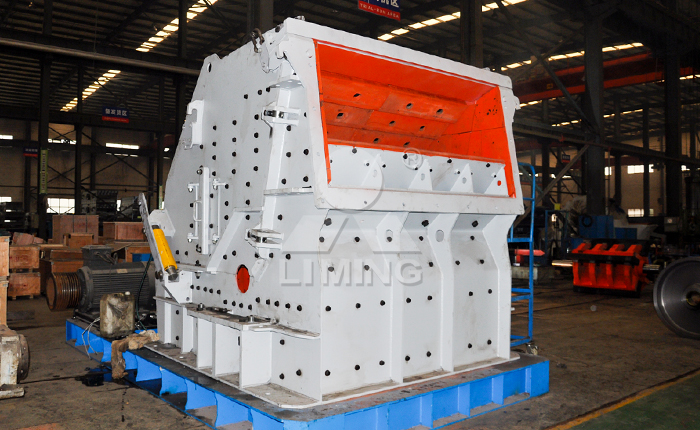
- Genuine, Specification-Guaranteed Parts: All wear and mechanical parts are manufactured to original engineering drawings and material certificates, ensuring fit, function, and predicted service life. We provide traceable documentation for alloy composition and heat treatment processes.
- Predictive Maintenance Scheduling: Leverage equipment run-time and load data to schedule liner changes, bearing inspections, and drive system maintenance before failure, minimizing unplanned downtime.
- Critical Spares Inventory Planning: We work with your team to develop a strategic, cost-effective on-site spares inventory based on mean time between failures (MTBF) for your specific duty cycle.
Training for Operational Excellence
Technical knowledge transfer ensures your team operates and maintains the equipment at peak engineered performance.
- Certified Operational Training: Hands-on training covers safe operation, daily inspections, and basic troubleshooting for crushers, screens, and conveyors, emphasizing the relationship between operational parameters and wear rates.
- Advanced Maintenance Workshops: In-depth sessions on hydraulic system diagnostics, drive alignment procedures, and wear part change-out protocols using specialized tools to reduce service time and prevent secondary damage.
Service Level Agreements (SLAs) for Guaranteed Uptime
Structured support plans tailored to your operational intensity and risk profile.
| Service Tier | Key Technical Parameters Covered | Response Time Commitment | Included Services |
|---|---|---|---|
| Premium Support | Primary Crusher, VSI, Screen Drives | ≤ 8 hours for critical breakdown | Remote monitoring, 2 annual full audits, priority parts dispatch, dedicated engineer |
| Proactive Care | Secondary/Tertiary Crushers, Conveyor Drives | ≤ 24 hours for major issues | 1 annual process audit, scheduled maintenance planning, parts discount |
| Essential Support | All Equipment | ≤ 48 hours | Telephonic/remote troubleshooting, guaranteed parts availability, standard training |
This integrated support system is designed to de-risk your investment, ensuring your quarrying operation in Bahrain achieves its targeted production volumes (TPH), product specifications, and long-term financial returns with engineered reliability.
Frequently Asked Questions
What is the optimal replacement cycle for crusher wear parts in Bahrain's abrasive limestone?
For high-abrasion limestone (Mohs 3-4), expect 600-800 operational hours for manganese steel jaw plates. Use ZGMn13-4 grade steel with water toughening treatment. Monitor wear via laser profiling; replace at 60% loss to prevent catastrophic damage to the crusher frame and ensure consistent aggregate cubicity.
How do we adapt cone crushers for varying aggregate hardness in a single quarry?
Utilize a hydroset system for real-time CSS adjustment under load. For mixed strata, specify a multi-zone crushing chamber profile. Pair with a variable frequency drive on the feed conveyor to modulate throughput, protecting the mantle and bowl liner from shock loads when transitioning between material layers.
What vibration mitigation is critical for primary stationary crusher foundations?
Implement a decoupled foundation with anti-vibration pads (e.g., GERB isolators) rated for 25-30 Hz. For bedrock mounting, use high-tensile, grouted anchor bolts (M42+) with a preload torque of ~2,500 Nm. Regularly monitor vibration velocity with a seismograph; sustained readings above 7 mm/s RMS indicate imbalance or wear.
What specialized lubrication is required for quarry equipment in Bahrain's high-temperature, dusty environment?
Use synthetic, extreme-pressure (EP) grease with a high dropping point (>250°C) for bearings. For gearboxes, specify ISO VG 320 gear oil with anti-wear additives. Employ centralized, automated lubrication systems with double-lip seals on all pivot points to combat silica dust ingress, which is the primary cause of premature failure.
How do we optimize hydraulic system performance for heavy-duty breakers and excavators in high ambient heat?
Maintain hydraulic oil temperature below 65°C using auxiliary oil coolers. Specify oils with a high viscosity index (VI > 150). Adjust system relief valves to account for thermal expansion, typically setting them 10-15% above peak working pressure (e.g., 280-300 bar for breakers) to prevent cavitation and seal degradation.
What is the best practice for conveyor belt maintenance to handle sharp, crushed aggregate?
Use multi-ply, abrasion-resistant rubber belts with an RMA Grade 2 rating. Employ properly tensioned, self-cleaning impact idlers with 35° troughing angles at load points. Install effective belt scrapers (e.g., polyurethane blades) and ensure proper skirtboard sealing with ceramic-lined wear plates to minimize material spillage and belt cutting.