In the dynamic construction landscape of the United Arab Emirates, where ambitious infrastructure projects continually reshape the skyline, securing reliable and cost-effective equipment is paramount. For businesses seeking to expand their operational capacity without the significant capital outlay of new machinery, the market for a used stone crusher plant for sale in the UAE presents a compelling opportunity. These pre-owned units offer a proven, immediate solution for processing aggregates, directly supporting the region's relentless development pace. By choosing a well-maintained used plant, companies can achieve substantial savings while acquiring robust technology capable of meeting rigorous production demands. This strategic investment not only enhances project viability but also contributes to a more sustainable model of resource utilization within the industry.
Maximize Your Quarry ROI: Proven Performance of Pre-Owned Stone Crusher Plants in UAE
The financial calculus for quarry operations in the UAE hinges on achieving the lowest cost per ton of spec aggregate. A pre-owned, premium-brand stone crusher plant is not a compromise but a strategic asset depreciation shift, delivering proven engineering at a capital expenditure that immediately improves your return on investment. The critical factor is selecting machinery where core components are designed for the region's specific abrasive challenges—primarily limestone and gabbro.
Core Engineering & Material Specifications for UAE Conditions
The longevity and performance of a used plant are dictated by the wear material science in its crushing chambers. For the highly abrasive nature of UAE stone, look for these non-negotiable specifications:
- Jaw & Cone Crusher Wear Parts: Must be manufactured from high-grade manganese steel (Mn14, Mn18, or Mn22). These alloys work-harden under impact, forming a continually renewing wear surface that withstands gabbro's abrasiveness far better than standard steel.
- Rotor & Blow Bars (Impact Crushers): Seek plants equipped with rotors designed for multiple blow bar permutations (2, 3, or 4) to optimize cost versus wear. Premium used units will often include sets of ceramic or chromium alloy composite blow bars, which offer superior life in secondary/tertiary crushing of abrasive materials.
- Screen Decks: Check for hardened wire mesh or rubber/polyurethane modular decks. Polyurethane panels offer 5-10x the lifespan of wire on abrasive applications, drastically reducing downtime for screen changes.
Technical Validation & Operational Assurance
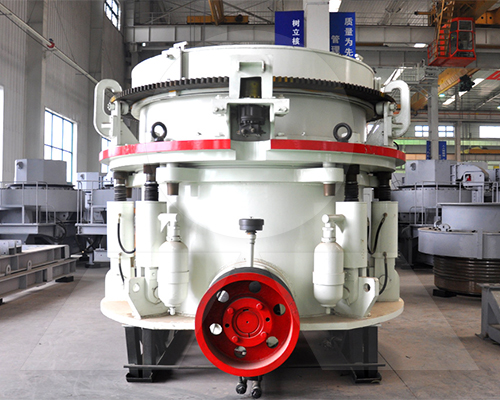
A credible pre-owned plant is fully documented and built to international frameworks that govern design safety and production consistency.
- Certification & Documentation: Priority should be given to units with traceable CE or ISO 9001 certification for original manufacturing. This ensures structural integrity, safety system compliance, and that the machine was built to a documented quality management system. Operational manuals, part books, and historical maintenance logs are key value indicators.
- Adaptive Crushing Geometry: Superior used cone crushers (e.g., Metso, Sandvik, Terex) feature hydraulic adjustment and clearing systems. This allows real-time optimization of the closed-side setting (CSS) for product gradation and automatic release of tramp metal, protecting the core mechanics from catastrophic damage.
- Throughput & Hardness Capability: Always cross-reference the plant's original rated capacity (TPH) with the material's abrasion index (Ai) and compressive strength. A plant previously used on hard, abrasive granite is inherently over-engineered for UAE limestone, ensuring extended service intervals and higher availability.
Functional Advantages of a Strategically Selected Used Plant
- Immediate Deployment: Eliminates the 6-12 month lead time associated with new equipment fabrication and shipping, allowing capital to generate revenue faster.
- Proven Reliability: The machine has an operational history. Any inherent design flaws from a model series are known and can be inspected for, de-risking the purchase.
- Lower Parts Cost: Established models have a deep aftermarket support network. Wear and spare parts are readily available from multiple suppliers, reducing cost and lead time compared to proprietary parts for newer, unproven models.
- High Residual Value: Quality engineering from top-tier OEMs holds its value. A well-maintained used plant can be operated for several years and still retain significant resale or trade-in value.
Key Technical Parameters for Evaluation
When assessing a specific used plant listing, demand these technical data points to perform a proper feasibility analysis.
| Component | Critical Parameter to Verify | Impact on ROI |
|---|---|---|
| Primary Crusher | Feed opening dimension, max lump size capacity, drive power (kW) | Determines front-end loadability and initial reduction ratio. |
| Secondary/Tertiary Crusher | Closed Side Setting (CSS) range, head diameter/power, chamber profile | Directly controls final product shape, cubicity, and sand yield. |
| Vibrating Screens | Deck area (m²), number of decks, drive mechanism (linear/circular) | Defines screening efficiency, overall plant capacity, and product separation. |
| Conveyor System | Belt width (mm), incline angles, drive motor ratings | Ensures material flow without bottlenecks or spillage across the circuit. |
| Overall Plant | Electrical demand (kVA), required plant footprint, dust suppression system | Defines operating costs, site layout feasibility, and environmental compliance. |
The objective is to procure a complete, balanced circuit where no single component acts as a bottleneck. A used 250 TPH plant from a major OEM, with verified wear part history and designed for hard rock, will typically outperform and outlast a new, untested plant of nominal 300 TPH capacity when processing abrasive UAE aggregates. Your due diligence must focus on metallurgical proof and mechanical history, not merely age or hours of operation.
Engineered for UAE Conditions: Built to Withstand Harsh Desert Environments
The operational longevity and total cost of ownership for a stone crusher plant in the UAE are fundamentally dictated by its engineering resilience against extreme heat, abrasive silica dust, and thermal cycling. Plants not purpose-built for these conditions suffer from accelerated wear, chronic downtime, and prohibitive maintenance costs. Our sourced plants are engineered at the component level to meet this specific environmental challenge.
Core Engineering for Desert Resilience:
- High-Grade Abrasion-Resistant Materials: Critical wear parts—jaws, mantles, concaves, and blow bars—are cast from premium Manganese Steel (Mn14, Mn18, Mn22) and specialized Chrome-White Iron alloys. These materials are selected for their optimal balance of hardness and toughness, ensuring maximum service life when processing the highly abrasive limestone and gabbro common in the UAE.
- Heat-Tolerant Mechanical & Electrical Systems:
- Bearings & Lubrication: Utilizes oversized, high-temp rated spherical roller bearings paired with forced-air or water-cooled lubrication systems. Grease specifications are for extreme pressure (EP) and wide-temperature-range performance to prevent thermal breakdown.
- Dust Ingestion Protection: Multi-stage sealing systems (labyrinth seals with positive-pressure air purgers) protect bearing housings and pivot points from fine silica dust, the primary cause of mechanical failure.
- Electrical Components: Control panels feature high IP ratings (IP65 minimum) for dust and moisture protection. Motors are insulated to Class F or H standards, with built-in thermal protection for sustained operation in ambient temperatures exceeding 50°C.
- Structural Integrity & Corrosion Mitigation: Primary frames are fabricated from high-yield strength steel (e.g., S355J2) with stress-relieved welding. A multi-layer protective coating (shot blasting, epoxy primer, polyurethane topcoat) is standard to combat UV degradation and saline atmospheric corrosion in coastal areas.
Technical Specifications & Standards Compliance:
All plants adhere to international engineering and safety standards, providing a verifiable baseline for quality and performance.
| Component | Standard / Certification | Relevance to UAE Operation |
|---|---|---|
| Structural Welding & Design | ISO 3834, CE Marking (EN 1090) | Guarantees structural integrity under dynamic crushing loads and thermal stress. |
| Machine Safety | CE Marking (2006/42/EC) | Ensures integrated guarding, emergency stops, and compliance with international safety protocols. |
| Electrical Systems | IEC Standards, CE Marking | Validates component ratings, wiring, and protection for safe, reliable operation in harsh conditions. |
Operational Advantages for Mining & Quarrying:
- Sustained TPH Capacity: Engineered cooling and dust protection ensure the plant maintains its rated Tons Per Hour (TPH) output throughout the peak summer months, without derating due to overheating.
- Adaptability to Local Feed Material: Crusher cavities, eccentric throws, and liner profiles can be configured for the specific compressive strength and abrasion index of UAE ores, optimizing chip geometry and wear life.
- Reduced Thermal Stress Fatigue: Engineered expansion points and thermally compensated designs in conveyor frames and crusher bases prevent misalignment and cracking induced by daily extreme temperature fluctuations.
Complete Turnkey Solutions: Fully Operational Plants Ready for Immediate Deployment
A turnkey crushing plant is a capital asset, not merely equipment. Our solutions are engineered for zero commissioning delay, delivering immediate throughput from day one. Each plant is a fully integrated system, pre-assembled, tested, and certified for operational readiness prior to shipment to the UAE.
Core Engineering & Material Specifications:
- Wear Component Metallurgy: Critical wear parts (jaws, concaves, blow bars) are cast from proprietary high-chrome (18-22%) or manganese steel (Mn14, Mn18) alloys, optimized for the specific abrasion and impact characteristics of UAE feed materials (e.g., hard gabbro, limestone, or recycled concrete).
- Structural Integrity: Primary frames and crusher bodies are fabricated from high-tensile, stress-relieved steel plate, with finite element analysis (FEA) conducted to withstand cyclical loading and harsh environmental conditions.
- Certification & Standards: All core machinery complies with international mechanical and safety standards (CE, ISO 9001:2015). Electrical systems are designed to IEC standards, with optional GCC conformity certification.
Operational Readiness & Functional Advantages:
- Pre-Designed Process Flow: Each plant is configured with a pre-engineered crushing circuit (e.g., Jaw-Cone-VSI) for optimal reduction ratios and final product shape control, eliminating guesswork.
- Fully Integrated Ancillary Systems: The package includes pre-wired electrical control panels (with PLC/SCADA interfaces), dust suppression systems compliant with UAE environmental norms, and integrated conveyor networks with load-sharing technology.
- Pre-Commissioned Testing: The complete circuit undergoes a minimum 24-hour factory acceptance test (FAT) under load, verifying throughput (TPH), power draw, and product gradation against client specifications.
- Logistics & Deployment: We manage containerization, sea freight, and customs clearance to major UAE ports (Jebel Ali, Khalifa). On-site, our supervised reassembly is a rapid, bolt-together process, as all major modules are pre-aligned.
Technical Parameters of Typical Ready-to-Deploy Plants:
| Plant Classification | Typical Primary Crusher | Max. Feed Size | Hard Rock Capacity (TPH)* | Final Product Configurability | Ideal Application |
|---|---|---|---|---|---|
| Compact Primary-Secondary | Jaw Crusher (JC Series) | 600mm | 80 - 180 | 3-4 aggregate fractions | Quarry start-up, medium-hard limestone |
| High-Production Tertiary | Cone Crusher (HP Series) | 250mm | 150 - 350 | 0-5mm sand + 2-3 chip sizes | Gabbro/Basalt for asphalt & concrete |
| Mobile-Integrated Track Plant | Impact Crusher | 500mm | 200 - 400 | On-board screening for 2 products | Multi-site contracting, recycled aggregates |
*Capacity based on material density of 1.6t/m³ (hard rock) and closed-side settings optimized for CSS. Actual TPH varies with feed gradation, hardness (Wi), and moisture content.
Mining & Quarry Specific USPs:
- Adaptability to Ore Hardness: Crusher cavity profiles, eccentric throw, and rotor speed are pre-configured based on the target material's Bond Work Index (Wi) or Los Angeles Abrasion Value, ensuring design efficiency matches ground conditions.
- Throughput Consistency: Plants are balanced so that the capacity of the primary crusher, secondary screen apertures, and conveyor belt widths are matched to prevent bottlenecks, guaranteeing stated TPH.
- Zero-Downtime Philosophy: The design incorporates strategic redundancy (e.g., pre-wired points for future add-ons) and easy maintenance access, with critical spare parts kits shipped concurrently with the plant.
Technical Specifications: Detailed Component Analysis and Production Capacity Metrics
Primary Crushing Unit: Jaw Crusher
The foundation of any fixed or mobile plant. Core specifications are defined by feed opening, CSS (Closed Side Setting), and the kinematic motion of the jaw.
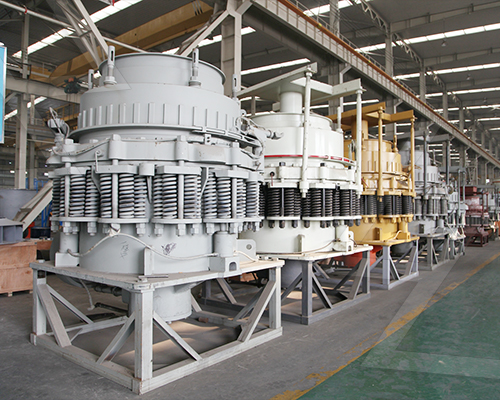
- Frame & Jaw Plates: Fabricated from high-tensile, quenched & tempered steel plate. Stationary and movable jaws are lined with replaceable wear plates of Manganese Steel (Mn-14% to Mn-18%) or TIC (Tungsten Carbide Insert) alloy for severe abrasion service. Premium jaws utilize a curved tooth profile to minimize slabby product and enhance nip angle.
- Eccentric Shaft: Forged from EN-24 or equivalent high-grade alloy steel, precision machined and supported by heavy-duty spherical roller bearings (SKF/TIMKEN series) rated for high shock loads.
- Toggle System: Hydraulic toggle release systems are critical for uncrushable material bypass, protecting the crusher from tramp metal damage and enabling rapid CSS adjustment under load for product gradation changes.
Typical Jaw Crusher Parameters for UAE Limestone/Gabbro:
| Model Reference | Feed Opening (mm) | Max Feed Size (mm) | CSS Range (mm) | Power (kW) | Capacity (TPH) |
| :--- | :--- | :--- | :--- | :--- | :--- |
| Mid-Size Jaw | 900 x 600 | 500 | 65 - 180 | 75 - 90 | 150 - 250 |
| Large Jaw | 1200 x 750 | 630 | 100 - 200 | 110 - 132 | 250 - 400 |
| Capacity is for processed dry limestone (Bulk Density 1.6 t/m³) at a CSS of 150mm. Gabbro will reduce output by ~20-25%. |
Secondary/Tertiary Crushing: Cone Crusher
Essential for producing spec aggregates and sand. Performance is governed by head diameter, eccentric throw, and crushing chamber design (standard, short-head).
- Mantle & Concave: Austenitic Manganese Steel (Mn-18% to Mn-22%) castings, work-hardening under impact to form a durable wear surface. Multi-layer crushing chambers ensure progressive rock-on-rock crushing for superior cubicity.
- Hydraulic Systems: Integral for setting regulation (CSS/OSS), overload protection, and clearing. Advanced models feature automated bowl adjustment and real-time pressure monitoring for choke-feed optimization.
- Bearing & Drive: Main shaft supported by bronze bushings or anti-friction bearings. Direct v-belt drive from high-torque electric motors ensures efficient power transmission with minimal losses.
Cone Crusher Production Metrics:
| Chamber Type | Product Focus | Typical Reduction Ratio | Key USP |
| :--- | :--- | :--- | :--- |
| Coarse / Std | Secondary Crushing | 4:1 to 6:1 | High throughput for -40mm base material. |
| Short-Head / Fine | Tertiary Crushing / Sand | 3:1 to 5:1 | Precise shape control, high yield of 0-5mm sand. |
Impact Crushing Unit: Horizontal Shaft Impactor (HSI) / Vertical Shaft Impactor (VSI)
For high-reduction ratio and superior particle shape in softer to medium-hard abrasives (UAE limestone).
- Rotor & Blow Bars: Monobloc or welded rotor design dynamically balanced to G6.3 standard. Blow bars are high-chrome iron (Cr23-27%) or composite ceramic inserts for maximum wear life against silica-rich gabbro.
- Anvils & Impact Faces: Adjustable and reversible anvil rings or rock shelves, fabricated from wear-resistant alloy steel, allow for tuning the balance between fragmentation and wear.
- VSI Specifics: Utilizes a rock-on-rock or rock-on-anvil principle for optimal cubicity. Carbide-tipped rotors and feed tubes are standard for abrasive applications. Critical for producing manufactured sand meeting BS/ ASTM C33 specifications.
Supporting Plant & Critical Metrics
-
Vibrating Feeders & Screens:
- Grizzly feeders with Mn-steel decks for primary scalpation.
- Heavy-duty multi-deck screens (2-3 decks) with wire mesh or polyurethane panels. Screen angle, stroke, and RPM are tuned for material separation efficiency.
- ISO 9001 certified manufacturing of structural frames ensures longevity under cyclic loading.
-
Conveyor Systems:
- Carcass of EP400/3 minimum, with top and bottom covers rated for abrasion and cut resistance.
- Impact beds at loading points, certified CE drive units with variable speed control for flow regulation.
-
Production Capacity Calculation:
- TPH (Tonnes Per Hour) is not a fixed number. It is a function of:
- Ore Characteristics: Uniaxial Compressive Strength (UCS), Abrasion Index (Ai), Moisture Content, Feed Gradation.
- Machine Settings: CSS, Stroke, Speed.
- Plant Configuration: Open vs. Closed Circuit, Screen Efficiency.
- Example Baseline: A well-configured 250 TPH plant processing <600mm limestone (UCS <150 MPa) can yield: 30% (0-5mm sand), 40% (5-20mm aggregate), 30% (20-40mm aggregate). For harder gabbro (UCS >200 MPa), expect a 20-30% reduction in throughput and increased wear component costs.
- TPH (Tonnes Per Hour) is not a fixed number. It is a function of:
-
Electrical & Control System:
- Centralized PLC control with SCADA interface for monitoring motor amperages, crusher pressures, and conveyor sequences.
- Soft starters or VFDs on major crushers to manage in-rush current and provide operational flexibility.
Verified Operational History: Comprehensive Maintenance Records and Performance Data
Verified operational history is the single most critical factor in de-risking the purchase of a used crushing plant. It transforms an asset from an unknown entity into a predictable production system. Comprehensive documentation provides an auditable trail of component wear, maintenance interventions, and throughput consistency, directly correlating to remaining service life and total cost of ownership.
Core Documentation Analysis:
- Component Wear & Replacement Logs: Chronological records of crusher liners (jaw plates, cone mantles/concaves, impactor blow bars), screen meshes, and conveyor belts. Frequency of replacement against processed tonnage indicates feed material abrasiveness (e.g., high SiO2 content) and previous owner's operational discipline. Look for patterns indicating proper use within the machine's designed hardness range (e.g., a cone crusher used within its prescribed Wi for granite or gabbro).
- Major Overhaul & Bearing History: Detailed reports on major drive components, including bearing replacements, shaft reconditioning, and gearbox overhauls. This is paramount for assessing foundational mechanical integrity. Documentation should specify OEM or certified equivalent parts (e.g., SKF, FAG bearings).
- Lubrication & Fluid Analysis Records: Consistent, scheduled oil sampling and filter change logs for crusher hydraulics, lubrication systems, and gearboxes. Trending reports on particulate counts and viscosity are predictive of internal wear and system contamination.
- Electrical & Control System Logs: History of motor servicing, VFD calibrations, and PLC controller integrity. Records should show compliance with IEC standards and proper protection from dust and moisture ingress.
Performance Data Interpretation:
Historical performance data contextualizes the maintenance records. Key metrics must be verified against original plant design specifications.
| Parameter | Documentation to Verify | Engineering Significance |
|---|---|---|
| Average & Peak TPH | Production logs, weighbridge data, PLC historical trends. | Confirms plant operated within its designed capacity envelope. Sustained operation at >90% of max rated TPH may indicate higher stress cycles. |
| Product Gradation | Historical sieve analysis reports for key products (e.g., 0-5mm, 10-20mm, 20-40mm). | Demonstrates the plant's ability to consistently meet spec. Inconsistencies can point to irregular feed, worn liners, or incorrect crusher settings. |
| Feed Material Profile | Geological logs or supplier data on processed rock type (e.g., Limestone, Gabbro, Andesite) and aggregate hardness. | Critical for assessing wear part consumption. Mn-steel liners (e.g., 18% Mn) have different wear life in abrasive vs. hard, brittle ore. |
| Duty Cycle & Utilization | Annual operating hours and crusher motor load amperage trends. | Distinguishes between a plant with 10,000 hours of steady, loaded operation and one with 15,000 hours of intermittent, low-load use. |
Functional Advantages of a Verified History:
- Predictive Maintenance Scheduling: Enables accurate forecasting and budgeting for the next major liner change, bearing service, or screen deck replacement based on actual historical intervals.
- Residual Life Assessment of Critical Components: Allows for engineering judgment on the remaining safe operational life of high-stress components like crusher shafts, main frames, and eccentric assemblies, based on recorded stress cycles and inspections.
- Performance Guarantee Basis: A well-documented history provides the factual foundation for a credible performance warranty from the seller, moving beyond vague assurances to contractually backed parameters.
- Reduced Commissioning Risk: A plant with clear records of calibration, alignment, and settings allows for faster, more reliable re-commissioning at the new site, minimizing unplanned downtime.
Without this documented history, due diligence is speculative. The absence of records constitutes a significant risk factor, often necessitating a full, invasive mechanical and structural inspection and a conservative cost assumption for immediate component replacement.
Secure Your Investment: Warranty-Backed Components and Local UAE Support Network
A capital investment in a used crushing plant is secured not by the machine alone, but by the verifiable quality of its core components and the immediate availability of technical support. In the demanding UAE environment—characterized by abrasive silica in limestone and granite—component integrity is paramount. Our vetted plants feature warranty-backed, OEM-specification parts engineered for severe service.
Core Component Integrity & Material Science
The primary wear components are the critical differentiators between a reliable asset and a source of constant downtime and cost.
- Jaws, Concaves & Mantles: Fabricated from premium Austenitic Manganese Steel (Mn14%, Mn18%, Mn22%) or Chrome-White Iron alloys, selected based on the target material's abrasiveness and impact strength. Higher manganese grades offer superior work-hardening capabilities for high-impact applications.
- Shafts & Bearings: Forged alloy steel shafts (e.g., 34CrNiMo6) with precision-machined journals. Paired with heavy-duty, labyrinth-sealed roller bearings (SKF, FAG, or Timken) rated for continuous high-radial and axial loads.
- Structural Integrity: Main frames and crusher bodies are constructed from high-tensile steel plate (S355JR/St52-3) with full-penetration welding and stress-relief treatment to prevent fatigue failure under cyclic loading.
Technical Standards & Verification
Every plant in our portfolio is subject to a multi-point technical audit against international standards, providing a documented history of compliance and performance.
| Audit Category | Standard / Parameter | Purpose / Assurance |
|---|---|---|
| Structural & Welding | ISO 3834, EN 1090 | Verifies fabrication quality and procedure compliance. |
| Electrical Systems | IEC 60204-1, CE Marking | Ensures safety, correct IP ratings for dust/water, and control system reliability. |
| Performance Metrics | Rated TPH @ Specific CSS, Product Gradation Curve | Validates capacity claims for UAE-specific feed material (e.g., 0-800mm feed, 0-40mm product). |
| Component Wear Audit | Measurement vs. OEM Drawings (e.g., jaw liner thickness, cone bowl liner profile) | Quantifies remaining service life of critical wear parts. |
Operational Advantages of a Supported Plant
- Adaptability to Local Feedstock: Plants are configured with the appropriate cavity profiles, speed, and stroke to optimize yield for GCC aggregates, balancing chip shape and fines generation.
- Reduced Total Cost of Ownership (TCO): Warranty-backed, genuine wear parts last 20-30% longer than non-certified alternatives, directly reducing cost per ton crushed.
- Minimized Operational Risk: Pre-verified machine history and component certification eliminate surprises, ensuring predictable maintenance intervals and sustained TPH output.
Local UAE Support Network: Engineering-Led Service
Technical support must be proximate and expert. Our network across the Emirates provides rapid-response, engineering-level service, not just parts logistics.
- Field Service Engineers: Based in Dubai, Abu Dhabi, and Ras Al Khaimah, capable of performing laser alignment of crusher drives, hydraulic system diagnostics, and wear profile optimization.
- Critical Parts Inventory: Strategic stockholding of crusher-specific wear parts (liners, toggle seats, bushings) and mechanical assemblies (eccentric sleeves, adjustment rings) in Jebel Ali and Mussafah.
- On-Site Technical Training: Provision of OEM-level training for your maintenance crews on preventive maintenance schedules, liner change-out procedures, and vibration analysis for early fault detection.
Frequently Asked Questions
What is the typical wear cycle for jaw plates in a used crusher processing UAE limestone?
Expect 80,000-120,000 tons for high-manganese steel (Mn14Cr2) plates under normal conditions. Cycle halves for abrasive silica-rich stone. Monitor plate thickness; replace at ~60% wear to protect the jaw die. Source crushers with documented plate history and ensure proper heat treatment was used for optimal work hardening.
How can I adapt a used cone crusher for varying ore hardness (e.g., from 3 to 7 on Mohs scale)?
Adjust the hydraulic setting system to modify the closed-side setting (CSS) precisely. For harder rock, reduce CSS for finer output and lower chamber pressure. Verify the main frame and bowl liner are compatible with high-pressure settings and consider upgrading to multi-zone mantle liners for better material flow across hardness ranges.
What critical checks ensure proper vibration isolation in a used mobile crushing plant?
Inspect the condition of vibration dampers/mounts and the integrity of the base frame for cracks. Check rotor balance on impact crushers and ensure all bearing housings are secure. Use laser alignment tools on the motor and crusher drive. Persistent vibration often indicates worn spherical roller bearings or unbalanced wear on blow bars.
What lubrication specifications are non-negotiable for a used crusher's main bearings?
Adhere strictly to the OEM's viscosity grade (e.g., ISO VG 320) and cleanliness standard (ISO 4406 16/14/11). Use high-performance, extreme pressure (EP) grease for bearings. Analyze oil samples quarterly for wear metals. For cone crushers, ensure the lube system maintains correct pressure (typically 0.8-1.5 bar) and temperature to prevent bronze bushing failure.
How do I evaluate the remaining life of critical components like eccentrics and bushings?
Perform ultrasonic thickness testing on the eccentric bushing. Check for scoring or blueing from overheating. Review maintenance logs for past replacements—these components typically last 8,000-12,000 hours. Inspect the eccentric's bronze lining for uniform wear; uneven patterns indicate misalignment or improper lubrication history.
Can the control system of a used plant integrate with modern automation for optimal throughput?
Yes, if the PLC is upgradeable. Key is verifying I/O module compatibility and communication protocols (e.g., Profibus, Ethernet/IP). Retrofitting variable frequency drives (VFDs) on feeders and conveyors allows for CSS and feed rate synchronization. Ensure pressure transducers on hydraulic systems provide accurate feedback for automated adjustment.