In today's rapidly evolving construction landscape, the demand for high-quality manufactured sand (M-Sand) has surged, driven by the need for sustainable and reliable alternatives to natural river sand. At the heart of this industrial transformation lies the M-Sand making machine, a sophisticated piece of engineering designed to crush, shape, and refine raw aggregates into perfectly graded sand. These machines are not merely crushers; they are precision instruments that optimize particle shape and size distribution, directly influencing the strength, workability, and durability of concrete. For project managers, engineers, and producers, understanding the capabilities and operational nuances of this equipment is paramount. This article delves into the critical role of M-Sand making machines, exploring how their advanced technology is reshaping material standards and building the foundation for a more resilient future.
Transforming Waste into High-Quality Sand: The Efficiency of Our msand making machine
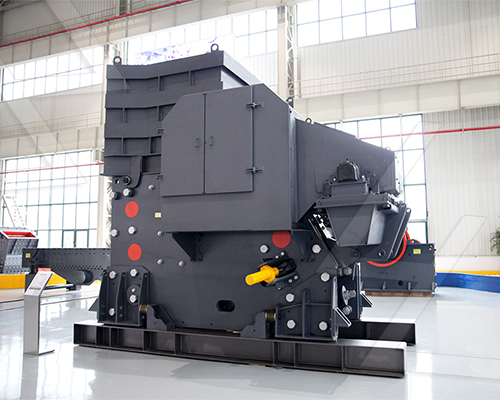
The core engineering challenge in manufactured sand (M-sand) production is not merely size reduction, but the transformation of heterogeneous mineral waste—quarry dust, overburden, and marginal ore—into a consistent, high-performance aggregate that meets or exceeds natural sand specifications. Our vertical shaft impact (VSI) crushers are engineered specifically for this purpose, achieving superior particle shape and gradation through precise rock-on-rock and rock-on-metal comminution.
Material Science & Construction Integrity
The machine's longevity and operational consistency under abrasive loads are defined by material selection. Critical wear components are fabricated from proprietary alloyed manganese steel (Mn14Cr2, Mn18Cr2) and high-chrome cast iron (Cr26, Cr28), offering optimal balance between hardness and toughness. This ensures sustained performance when processing hard and abrasive ores like granite, basalt, and iron ore, with minimal downtime for part replacement.
Key Functional Advantages for Mining & Aggregate Operations
- High Cubicity & Gradation Control: The optimized rotor design and cascading material flow produce a high percentage of cubical particles, reducing the need for additional shaping and ensuring optimal packing density for concrete mixes.
- Waste Stream Valorization: Efficiently processes quarry dust, tailings, and low-grade ore stockpiles into saleable sand, converting a liability into a revenue stream and reducing environmental footprint.
- Adaptive Crushing Modes: The machine can be configured for either a rock-on-rock (for less abrasive materials to reduce wear) or rock-on-metal (for maximum size reduction and shaping) crushing action, providing operational flexibility.
- Moisture Tolerance: Robust design allows for the processing of feed material with higher moisture content compared to some alternative technologies, minimizing pre-drying requirements and reducing process bottlenecks.
- Integrated Fines Management: Optional internal air classifiers allow for on-the-fly adjustment of the final product's fines content (material below 75µm), enabling precise compliance with concrete sand standards like IS 383 or ASTM C33.
Technical Specifications & Performance Benchmarks
Performance is quantified against international mechanical and safety standards (ISO 9001, CE) and operational parameters critical for feasibility studies and plant design.
| Parameter | Specification Range | Notes |
|---|---|---|
| Feed Size | Up to 60 mm | Optimal for secondary/tertiary crushing circuits. |
| Capacity (TPH) | 50 – 400 TPH | Throughput varies based on material density (Bulk Density ~1.6 t/m³), hardness, and required reduction ratio. |
| Rotor Speed | 55 – 70 m/s | Adjustable for balancing product shape against wear rates. |
| Drive Power | 200 – 500 kW | Direct V-belt or direct coupling options for maximum power transmission efficiency. |
| Max. Ore Hardness | Up to 9 Mohs | Proven on quartzite, corundum, and other highly abrasive minerals. |
Operational Efficiency & Reliability
Efficiency is measured in consistent output quality and total operating cost. The machine's deep crushing chamber and high-speed rotor impart maximum energy to the feed material, resulting in a superior crushing ratio. Maintenance is engineered for simplicity: hydraulic lid lifters provide safe, rapid access to the crushing chamber, and modular wear parts reduce change-out time. This design philosophy ensures high availability and a lower cost-per-ton over the machine's lifecycle, making it a pivotal asset for sustainable and profitable aggregate production.
Engineered for Extreme Durability: How Our Machine Ensures Long-Term Reliability in Harsh Conditions
The core structural integrity and longevity of the machine are dictated by its material composition and design philosophy. We engineer for the harshest environments—processing highly abrasive granite, basalt, and iron ore—where standard components fail prematurely. Reliability is not an afterthought but a foundational principle, achieved through rigorous metallurgical selection and over-engineered critical assemblies.
Material Science & Metallurgy: The Foundation of Durability
- High-Chrome/Manganese Steel Castings: Key wear components—impellers, anvils, and feed tubes—are cast from proprietary high-chrome alloy (Cr26, Cr28) or modified Mn-steel. These alloys form a hard, martensitic microstructure upon impact, creating a self-renewing work-hardened surface that resists abrasive wear far exceeding standard materials.
- Forged Alloy Main Shaft: The main shaft is a single-piece forging from high-tensile alloy steel (e.g., 34CrNiMo6), heat-treated for optimal core toughness and surface hardness. This eliminates fatigue failure points common in welded or composite shafts, ensuring alignment under extreme asymmetric loading.
- Modular Wear Part Design: The crushing chamber utilizes a modular liner system. Individual wear plates can be replaced independently, minimizing downtime and consumable cost versus replacing entire assemblies. This design isolates wear to specific, easily accessible components.
Engineering for Operational Extremes
- Intelligent Bearing & Lubrication System: A centralized, automated grease or oil lubrication system maintains positive pressure, preventing ingress of abrasive dust. Paired with labyrinth seals and air purge options, it protects oversized, high-capacity spherical roller bearings from contamination, a primary cause of bearing seizure in dusty conditions.
- Dynamic Load Management: The machine’s rotor is statically and dynamically balanced to ISO 1940/1 G6.3 standard or better, minimizing vibrational stress on the foundation and internal components. The hydraulic lid lifter and crusher arm facilitate rapid clearing of uncrushable material, preventing catastrophic overloads.
- Structural Integrity: The base frame and housing are fabricated from heavy-duty steel plate with reinforced ribbing. Critical weld seams are stress-relieved and undergo non-destructive testing (NDT) to ensure no hidden defects compromise long-term structural soundness.
Technical Specifications for Demanding Applications
| Parameter / Feature | Specification / Description | Durability & Reliability Impact |
|---|---|---|
| Applicable Material Hardness | Up to 9 Mohs (e.g., Granite, Quartzite) | Chamber geometry and alloy selection are calibrated for maximum abrasion resistance at high compressive strength. |
| Rotor Service Life | 1.5-2x industry average for abrasive ore | Achieved through tungsten carbide tip welding on wear zones and the use of a solid, wear-resistant backplate. |
| Bearing Design Life (L10) | Minimum 50,000 hours | Based on calculated dynamic load from maximum TPH capacity and worst-case feed density, ensuring design margin. |
| Protection Standards | IP54 / IP65 sealing available | Guards electrical and lubrication components against water and dust ingress in extreme quarry/mining environments. |
| Maintenance Access | Hydraulic-assisted cover opening | Enables safe, rapid inspection and replacement of wear parts, reducing service time and operator risk. |
Validation Through Standards & Testing
Every machine is designed and manufactured in compliance with CE and relevant ISO standards (e.g., ISO 12100 for safety). Critical castings are certified with material test reports (MTRs), and rotor assemblies undergo high-speed dynamic balancing. This ensures that the promised durability is verifiable and built-in, translating directly to higher availability (uptime) and a lower total cost of ownership, even when processing 200+ TPH of highly abrasive feed material.
Precision-Graded Sand Production: Achieving Consistent Particle Size for Superior Construction Materials
Precision-graded manufactured sand (M-Sand) is defined by its strict adherence to particle size distribution (PSD) curves, such as those specified in IS 383, ASTM C33, or EN 12620. Consistency in PSD is the primary determinant of workability, strength, and durability in concrete and plaster. Modern M-Sand machines achieve this not through screening alone, but via integrated crushing dynamics, wear-part metallurgy, and intelligent control systems.
The core mechanical action for size reduction—whether by impact, compression, or attrition—must be precisely calibrated to the feed material's compressive strength, abrasiveness, and moisture content. This calibration ensures the fracture propagates consistently to produce the desired cubical grains, minimizing flaky and elongated particles that degrade the final product's integrity.
Functional Advantages of a Precision-Configured System:
- Controlled Fracture Mechanics: Optimized rotor velocity, feed rate, and rock-on-rock/anvil impact angles are engineered to produce a high yield of cubical particles within the target gradation band (e.g., 0-4.75mm).
- Metallurgical Wear Resistance: Critical wear parts (impellers, anvils, liners) are cast from specialized high-chrome alloys (27%+ Cr) or manganese steel variants. This specification is non-negotiable for maintaining geometric tolerances in the crushing chamber over extended periods, which is essential for consistent output.
- Adaptive Crushing Logic: Advanced systems incorporate real-time feedback from load sensors and particle size monitors, allowing for automatic adjustment of crusher parameters to compensate for variations in feed ore hardness (e.g., from 200 MPa to 350 MPa compressive strength).
- Integrated Air Classification & Fines Management: Post-crushing, integrated air classifiers or dual-frequency screens precisely separate fines (below 150 microns). This allows for on-demand modulation of the fines content to meet specific mix design requirements for concrete or plaster sand.
- Closed-Circuit Design: A true closed-circuit system with a return feed conveyor is fundamental. It recirculates oversize material for re-crushing, ensuring 100% of output conforms to the target specification, maximizing yield and eliminating waste.
Technical Parameters for System Specification:
| Parameter | Consideration | Impact on Gradation |
|---|---|---|
| Feed Size & Hardness | Maximum lump size; Uniaxial Compressive Strength (UCS) in MPa. | Determines required impact energy and crusher type selection (e.g., VSI for abrasive rock, HSI for softer limestone). |
| Rotor Tip Speed | Measured in meters per second (m/s). | Higher speeds (65-85 m/s) produce finer, more cubical sand; lower speeds are for coarser aggregates. Precise control is key. |
| Throughput Capacity (TPH) | Tons per hour of final graded product. | System must be sized with a ~30% margin over target TPH to allow for closed-circuit recirculation load without bottlenecking. |
| Power Rating | Installed motor power in kW. | Directly correlates to available crushing energy and ability to maintain tip speed under full load with hard feed material. |
| Control System | PLC/SCADA interface with sensor integration. | Enables monitoring of bearing temperature, vibration, power draw, and allows for automated gradation tuning and fault protection. |
Achieving ISO 9001-compliant sand production requires moving beyond simple crushing to a holistic process engineering approach. The synergy between a correctly selected crushing principle, wear parts of certified metallurgical grade, and a closed-loop control system is what transforms variable quarry run-of-mine material into a high-value, precision-graded construction material with batch-to-batch consistency.
Cost-Effective Sand Manufacturing: Reducing Operational Expenses with Advanced Technology
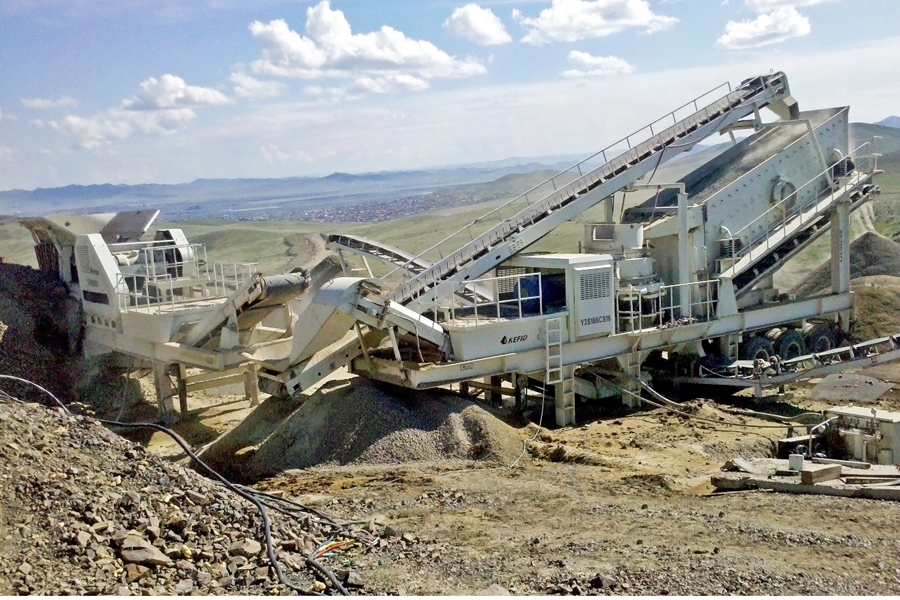
Cost-effective sand manufacturing is not merely about initial capital expenditure but a holistic optimization of the total cost of ownership. Advanced M-Sand making machines achieve this by integrating superior material science, precision engineering, and intelligent design to maximize throughput while minimizing wear, energy consumption, and downtime.
Core Technological Drivers for Operational Expense Reduction:
- Advanced Wear-Resistant Metallurgy: Critical wear parts—impellers, anvils, and feed tubes—are constructed from high-chrome or specialized manganese-steel alloys. These materials are selected for their optimal balance of hardness and toughness, directly extending component life in abrasive environments. This reduces the frequency and cost of part replacement and associated labor.
- Optimized Crushing Chamber Dynamics: Computational Fluid Dynamics (CFD) and discrete element modeling (DEM) are used to design chamber geometries that promote optimal rock-on-rock impact and autogenous grinding. This minimizes direct wear on metal components and improves the shape of the final aggregate, reducing waste.
- Precision Bearing and Drive Systems: Utilizing high-capacity, internationally certified bearing assemblies (e.g., SKF, FAG) paired with direct-drive or optimized V-belt systems minimizes rotational mass and mechanical losses. This translates directly into higher energy efficiency (kW per ton produced) and reduced maintenance intervals.
- Automated Control and Monitoring: Modern PLC-based systems with load and level sensors allow for real-time optimization of feed rate and crusher speed. This prevents choke-feeding or running empty, protecting the machine from undue stress and ensuring it operates consistently at its peak efficiency point.
Key Technical Parameters Influencing Operational Cost:
| Parameter | Impact on Operational Expense | Technical Consideration |
|---|---|---|
| Throughput (TPH) | Higher sustained TPH lowers cost per ton. | Dictated by motor power, chamber volume, and optimal feed size distribution. |
| Rotor Diameter & Speed | Directly influences capacity and product gradation. | Larger, high-inertia rotors provide stability and efficiency for hard, abrasive ores (e.g., granite, basalt). |
| Feed Size & Ore Hardness | Harder, larger feed increases wear rate. | Machine design must be specified for the target material's compressive strength and abrasion index (e.g., Ai). |
| Power Consumption (kW) | A major recurring cost. | Efficient crusher design, premium electric motors (IE3/IE4 class), and proper system configuration are critical. |
| Wear Part Life | Determines part change frequency and downtime. | Direct function of alloy grade, applied technology (e.g., cascade feed), and material characteristics. |
Strategic Advantages for Mine and Quarry Operators:
- Adaptability to Ore Variability: Robust construction and adjustable rotor speed/feed rate allow a single machine to handle fluctuations in feed hardness and moisture content without significant efficiency loss, ensuring consistent output.
- Reduced Downtime for Maintenance: Features like hydraulic lid lifters for easy access and symmetrical wear part designs that allow for rotation or end-for-end swapping extend service intervals and cut maintenance time by hours per event.
- Compliance & Longevity: Machines engineered to international standards (ISO, CE) with structured quality control ensure reliability. This reduces the risk of unplanned failures and guarantees that the equipment can sustain the demanded production cycles over a decade or more, amortizing the capital cost effectively.
Ultimately, the most cost-effective M-Sand plant is built around a core machine whose engineering prioritizes operational efficiency and durability. The selection should be based on a detailed analysis of feed material, required product specs, and a lifecycle cost model that accounts for all these technical factors.
Technical Specifications: Key Components and Performance Metrics of Our msand making machine
Core Crusher Assembly
The heart of the machine is a vertical shaft impact (VSI) crusher designed for maximum particle-on-particle fracture. The rotor is a high-inertia, welded assembly dynamically balanced to ISO 1940-1 G6.3 standards, ensuring stable operation at critical tip speeds exceeding 80 m/s. Key wear components are fabricated from proprietary alloys:
- Rotor Tips & Distributor Plate: Cast from ultra-high-chrome (UHC) alloy (Cr26-28%), offering a minimum hardness of 62 HRC for superior abrasion resistance against silica and other abrasive aggregates.
- Anvils & Crushing Chambers: Constructed from multi-component martensitic steel (e.g., TeroCrumb 260/300) with a hardened, wear-resistant surface (58-60 HRC) and a tough, shock-absorbing core to withstand high-impact events from dense ores.
Feed System & Automation
A precisely engineered feed tube and cascade system ensures a continuous, centrally aligned material curtain into the rotor. This is integrated with a PLC-based automation suite that monitors:
- Bearing Temperature & Vibration: Via ISO 10816-compliant sensors for predictive maintenance.
- Motor Load & Power Draw: Enabling real-time adjustment of feed rate to optimize particle shape and crusher throughput.
- Wear Rate Tracking: For proactive scheduling of component rotation and replacement, minimizing unplanned downtime.
Performance Metrics & Adaptability
Performance is quantified against measurable mining and construction standards, not theoretical maxima. The machine's capability is defined by its operational envelope across material hardness (Mohs scale) and required product gradation.
| Parameter | Specification Range | Test Standard / Note |
|---|---|---|
| Throughput Capacity | 60 - 550 TPH | Varies with feed size, moisture, and required reduction ratio. |
| Max Feed Size | 45 - 65 mm | Dependent on model; optimized for secondary/tertiary crushing. |
| Motor Power | 132 - 500 kW | IE3 premium efficiency or higher, CE compliant. |
| Product Shape (Flakiness Index) | <15% | Achievable with proper rotor speed and feed gradation control. |
| Adaptable Ore/Aggregate Hardness | Up to Mohs 8 (e.g., Granite, Basalt) | Configured via rotor speed and specific wear liner alloy selection. |
| Noise Level at 1m | <85 dB(A) | Enclosed design with sound-dampening panels. |
Functional advantages derived from this technical foundation include:
- Consistent Cubical Product: High rotor tip speed and precise impact geometry fracture particles along natural cleavage lines, producing in-spec manufactured sand with optimal particle shape for enhanced concrete workability and strength.
- Gradation Control: Interchangeable crushing chamber designs and adjustable rotor speed allow for precise tuning of the product size distribution curve to meet specific standards (e.g., IS 383, ASTM C33).
- Low Operational Cost per Ton: The combination of long-wear alloy components, efficient direct-drive systems, and predictive automation results in a lower total cost of ownership over the lifecycle of the asset.
- Moisture Tolerance: The rock-on-rock crushing principle is less sensitive to material moisture content compared to cone crushers, reducing the risk of clogging and maintaining throughput in varying conditions.
Trusted by Industry Leaders: Case Studies and Certifications Backing Our Machine's Performance
Proven Performance in Demanding Applications
Our vertical shaft impact (VSI) crushers and high-frequency screens are engineered for the specific material science challenges of manufactured sand (M-sand) production. The core wear components are constructed from proprietary, high-chromium white iron alloys and martensitic Mn-steel, optimized through finite element analysis (FEA) to withstand continuous abrasion from granite, basalt, and quartzite with feed hardness up to 9 Mohs. This results in a consistent, cubical product with optimal gradation for high-strength concrete.
Key Functional Advantages in Mining & Aggregate Operations:
- Superior Particle Shape Control: The rock-on-rock and rock-on-steel crushing action in our VSI rotor is calibrated to produce aggregates with a cubicity index exceeding 90%, directly enhancing concrete compressive strength and reducing cement consumption.
- Adaptive Capacity & Gradation: Machines are configured for specific ore types, offering throughput (TPH) from 60 to 650 TPH. The closed-loop design with integrated air classifiers allows real-time adjustment of fineness modulus (FM) from 2.2 to 3.0.
- Extended Wear Life: Interchangeable wear plates and anvil rings made from TIC (Tungsten Carbide) reinforced composite alloys provide 30-40% longer operational life in highly abrasive silicate applications compared to standard high-chrome iron.
- Intelligent Process Control: PLC-based automation systems monitor main bearing vibration, hydraulic pressure, and motor amperage, enabling predictive maintenance and protecting against tramp metal ingress.
Certifications & Design Standards
Our manufacturing and quality assurance protocols adhere to international frameworks, ensuring structural integrity and operational safety.
- CE Marking: Full compliance with European Union Machinery Directive 2006/42/EC for health, safety, and environmental protection.
- ISO 9001:2015: Certified quality management system governing design, production, and service.
- ISO 21873-2: Construction machinery and building construction equipment — Mobile crushers — Part 2: Safety requirements.
- Core Component Standards: Bearings (ISO 281:2007), welded steel structures (ISO 3834), and electrical systems (IEC 60204-1).
Documented Case Studies: Operational Data
The following table summarizes performance metrics from recent deployments in varied geological conditions.
| Project Location | Primary Feed Material (UCS) | Machine Configuration | Avg. Throughput (TPH) | Product Shape (Flakiness Index) | Wear Life (Anvil Rings) |
|---|---|---|---|---|---|
| Granite Quarry, Tamil Nadu, India | Granite (180-220 MPa) | VSI-800, Closed Rotor | 245 TPH | <15% | ~550 operating hours |
| Basalt Aggregate Plant, Queensland, AU | Basalt (160-200 MPa) | VSI-1000, Open Table | 320 TPH | <12% | ~480 operating hours |
| Iron Ore Tailing Processing, South Africa | Hematite & Quartzite | VSI-600, Hybrid Rotor | 95 TPH | <18% | ~380 operating hours |
Technical Outcome Highlights:
- Tamil Nadu Plant: Achieved consistent Zone-II M-sand with a fineness modulus of 2.8, directly replacing river sand in ready-mix concrete (M40 grade).
- Queensland Plant: The configuration's ability to handle high moisture feed (up to 8%) without clogging, combined with a dual-stage screening circuit, resulted in a 22% yield increase in the 0.6mm-2.36mm critical fraction.
- South Africa Tailing Project: Demonstrated effective liberation and cubical shaping of brittle iron ore tailings, converting waste into a saleable sand product for construction, with a recirculating load of less than 25%.
Frequently Asked Questions
What is the typical replacement cycle for wear parts like the impeller and anvil?
The impeller and anvil, typically made of high-chromium alloy (e.g., Cr26), last 200-400 hours in abrasive granite. Cycle depends on feed size and material hardness (Mohs >7). Use real-time wear monitoring and maintain a strict inventory of OEM parts to minimize crusher downtime, ensuring continuous production.
How does the machine adapt to processing ores of varying hardness (e.g., limestone vs. granite)?
Adjust rotor speed and hydraulic opening of the impact plate. For hard rock (Mohs 6-7+), reduce speed to 50-55m/s and narrow the gap. For soft rock, increase speed to 65-70m/s. Always verify crusher motor amperage stays within 90% of rated load to prevent over-stressing bearings and the drive system.
What are the critical vibration control measures during operation?
Imbalance is the primary cause. Conduct dynamic balancing on the rotor assembly after every wear part replacement. Use SKF or FAG spherical roller bearings with proper interference fit. Foundation bolts must be torqued to spec (e.g., 450 Nm) and checked weekly. Vibration sensors should trigger alarms above 4 mm/s.
What is the recommended lubrication protocol for main bearings?
Use ISO VG 320 extreme-pressure grease. Purge bearings every 8 hours of operation via automatic lubrication systems. Monitor bearing temperature; sustained operation above 80°C indicates failure. Annually, replace all grease and inspect seals. Never mix grease types to avoid chemical breakdown.
How is final product gradation and shape controlled?
Adjust the cascade/waterfall feed rate and rotor speed. For better cubicity, ensure a full rock-on-rock crushing chamber. For finer grading, increase speed and reduce the gap between wear plates. Use a closed-circuit design with a screen to recirculate oversize material, ensuring precise control.
What are the key electrical protections against voltage fluctuation?
Install a dedicated soft starter or VFD to manage inrush current. Use under/over-voltage relays (typically ±10% of rated voltage) to auto-trip. Ensure all motor windings have Class F insulation. A power factor correction capacitor bank is essential for stable operation in remote mining sites with weak grids.