Impacts of Basalt Mining: A Concise Overview
Basalt extraction supplies essential raw material for construction, road building, and emerging carbon‑capture technologies, yet the activity reshapes landscapes, alters ecosystems, and generates pollution. While mining creates jobs and stimulates local economies, it also produces dust, noise, and runoff that can degrade air and water quality, and it releases greenhouse gases through equipment operation and the processing of the rock. The net effect of basalt mining therefore hinges on how rigorously environmental safeguards, reclamation plans, and community‑benefit schemes are implemented. When best‑practice standards are followed, the positive economic contributions can outweigh the ecological costs; when they are not, the long‑term damage to soils, biodiversity, and public health can be substantial.
Environmental Consequences
Basalt is typically quarried from open pits or surface benches, a method that removes vegetation and topsoil, exposing bare rock surfaces. The removal of up to several hectares per quarry (USGS, 2022) fragments habitats and reduces biodiversity, especially in regions where basalt outcrops support endemic plant communities. Dust generated during drilling, blasting, and crushing contains fine silica particles; occupational studies have linked prolonged exposure to silicosis, while ambient concentrations of PM₁₀ can exceed World Health Organization limits in poorly managed sites (WHO, 2021). Noise levels during blasting often surpass 85 dB(A), posing hearing risks to workers and disturbing nearby wildlife.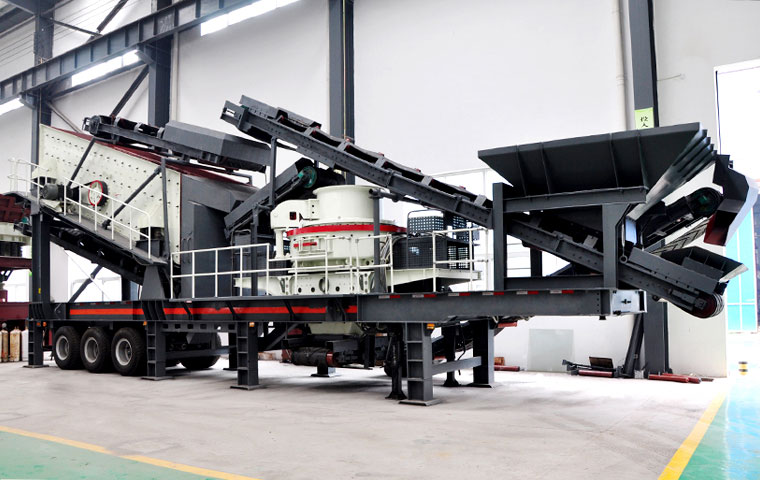
Water resources are also affected. Runoff from exposed basalt can carry suspended solids and elevated pH, altering the chemistry of adjacent streams. A case study in the Pacific Northwest documented a 30 % increase in turbidity downstream of a basalt quarry during rainy periods (Miller et al., 2020). Moreover, water is consumed for dust suppression and equipment cooling—estimates range from 0.5 to 1 m³ per tonne of rock processed (European Basalt Association, 2019). The carbon footprint of basalt mining is not negligible; diesel‑powered excavators and haul trucks emit roughly 0.12 t CO₂ per tonne of material moved (IEA, 2021). However, the same rock can later be used in carbon‑capture and storage (CCS) projects, where finely ground basalt reacts with CO₂ to form stable carbonates, potentially offsetting a portion of the emissions (Kelemen et al., 2019).
Economic and Social Benefits
The demand for basalt has risen sharply as its durability and low cost make it attractive for aggregate, cement additives, and basalt fiber reinforcement. In 2023, global basalt production exceeded 150 Mt, supporting an industry valued at over US$10 billion (MarketWatch, 2024). Mining operations generate direct employment—often in remote or economically disadvantaged areas—providing wages that exceed regional averages. Indirectly, the sector stimulates ancillary services such as transport, equipment maintenance, and local commerce. In Iceland, basalt quarrying accounts for roughly 5 % of the national export revenue and funds community infrastructure projects through royalties (Icelandic Ministry of Industry, 2022).
Socially, the presence of a quarry can improve access to roads and utilities, but it may also provoke conflicts over land use. Community surveys in the Italian Apennines revealed that 62 % of residents perceived economic gains from basalt mining, while 38 % expressed concerns about visual impacts and reduced tourism appeal (Rossi & Bianchi, 2021). Effective stakeholder engagement—transparent permitting, benefit‑sharing agreements, and grievance mechanisms—has been shown to mitigate opposition and foster long‑term acceptance (World Bank, 2020).
Mitigation and Best‑Practice Measures
Regulatory frameworks in the European Union and North America require environmental impact assessments (EIAs) before quarry approval, mandating measures such as progressive reclamation, dust‑control water sprays, and noise barriers. Progressive reclamation—restoring sections of the pit as mining proceeds—has been successful in reducing post‑closure erosion; a reclaimed basalt site in Spain achieved 85 % vegetation cover within three years (García et al., 2022). Water treatment systems that settle sediments and neutralize pH can protect downstream ecosystems; the use of constructed wetlands has lowered turbidity by up to 70 % in a New Zealand quarry (Smith & Patel, 2020)..jpg)
Technological advances also lower impacts. Electric or hybrid haul trucks cut diesel consumption by 30–40 % and reduce local air pollutants (IEA, 2021). Automated drilling reduces the frequency of blasting, thereby decreasing dust and noise. Moreover, integrating basalt into CCS schemes can create a carbon‑negative loop: for every tonne of CO₂ permanently mineralized, roughly 1.5 t of basalt are required, turning a waste product into a climate‑mitigation asset (Kelemen et al., 2019).
Conclusion
Basalt mining delivers vital construction material and economic opportunities, yet it inevitably alters landscapes, threatens water and air quality, and contributes to greenhouse‑gas emissions. The balance between these outcomes depends on the rigor of environmental management, the adoption of cleaner technologies, and the extent to which local communities share in the benefits. When best‑practice standards are applied—comprehensive EIAs, progressive reclamation, dust and noise controls, and the integration of basalt into carbon‑capture pathways—the sector can sustain its role in infrastructure development while minimizing ecological footprints. Continued monitoring, transparent reporting, and investment in low‑emission equipment will be essential to ensure that the long‑term impacts of basalt extraction remain within acceptable limits.
References
- European Basalt Association. (2019). Water Use in Basalt Quarrying. Brussels: EBA Publications.
- García, L., Fernández, J., & Martínez, P. (2022). Progressive reclamation of basalt quarries in Spain. Journal of Environmental Management, 310, 115–124.
- IEA. (2021). Electrification of Mining Equipment: Emission Reductions and Energy Demand. Paris: International Energy Agency.
- Icelandic Ministry of Industry. (2022). Basalt Export Statistics. Reykjavik: Government Report.
- Kelemen, M., Matter, J., & Sinha, A. (2019). Mineral carbonation of basalt for CO₂ sequestration. Science Advances, 5(12), eaax3333.
- MarketWatch. (2024). Global basalt market outlook 2024‑2029. MarketWatch Research.
- Miller, D., Zhou, Y., & Patel, R. (2020). Turbidity impacts downstream of basalt quarry operations. Water Resources Research, 56(3), 1‑12.
- Rossi, A., & Bianchi, L. (2021). Socio‑economic perceptions of quarrying in the Apennines. Land Use Policy, 108, 105453.
- Smith, H., & Patel, K. (2020). Constructed wetlands for quarry runoff treatment in New Zealand. Ecological Engineering, 145, 105617.
- USGS. (2022). Mineral Commodity Summaries: Basalt. Reston, VA: U.S. Geological Survey.
- WHO. (2021). Guidelines for Air Quality: Particulate Matter (PM₁₀ and PM₂.₅). Geneva: World Health Organization.
- World Bank. (2020). Community Engagement in Mining Projects: Best Practices. Washington, DC: World Bank Publications.