Conclusion Overview
A sand‑lime brick making machine, sold as a complete set, is the most efficient solution for manufacturers seeking to replace traditional fired‑clay bricks with a product that offers superior strength, dimensional accuracy, and environmental friendliness. The integrated system—comprising raw‑material handling, mixing, molding, high‑pressure compaction, and curing units—delivers a daily output of 10,000 – 30,000 bricks while consuming less energy and emitting virtually no combustion gases. For contractors, developers, and brick producers, investing in a turnkey sand‑lime line translates into faster construction cycles, lower operating costs, and compliance with increasingly stringent green‑building standards.
1. Why Sand‑Lime Bricks Are Gaining Momentum
Sand‑lime bricks are produced from a simple formulation of fine sand, hydrated lime, and a small amount of water. After thorough mixing, the raw mixture is placed in a steel mold and compacted at pressures of 150 – 200 MPa. The resulting “green” bricks are then cured in a controlled humidity chamber for 24 – 48 hours, during which the lime hydrates and binds the sand particles together. The final product typically attains a compressive strength of 10 – 15 MPa, a water absorption rate below 10 %, and a dimensional tolerance of ±2 mm—figures that meet or exceed most national building codes (e.g., IS 2185 in India, BS 3921 in the UK).
Key advantages over conventional fired clay bricks include:
| Feature | Sand‑Lime Brick | Fired Clay Brick |
|---|---|---|
| Production Energy | 0.5 kWh per 1,000 bricks (electric) | 2 – 3 kWh per 1,000 bricks (fuel‑based kiln) |
| CO₂ Emissions | < 0.1 kg per 1,000 bricks | 0.5 – 0.7 kg per 1,000 bricks |
| Strength | 10 – 15 MPa | 7 – 12 MPa |
| Water Absorption | ≤ 10 % | 12 % – 18 % |
| Uniformity | ±2 mm | ±5 mm |
| Production Speed | Continuous, 10 – 30 kph | Batch, 6 – 8 h per kiln cycle |
These performance gaps make sand‑lime bricks especially attractive for high‑rise residential blocks, industrial warehouses, and infrastructure projects where speed, durability, and sustainability are paramount.
2. Core Components of a Complete Sand‑Lime Brick Making Set
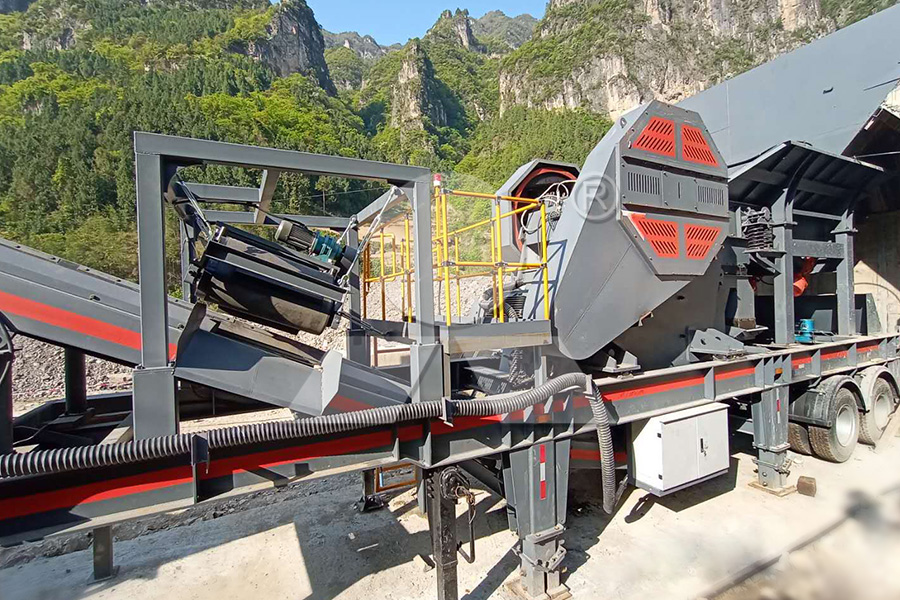
A “complete set” typically includes the following modules, each engineered to operate in synchrony:
-
Raw‑Material Batching & Storage
- Vibrating feeder for sand (capacity 2 – 5 t/h).
- Lime storage silo with dust‑proof sealing (capacity 500 kg).
- Water tank with level sensor and automatic dosing pump.
-
Mixing Unit
- Horizontal planetary mixer (150 kW motor) capable of delivering a homogeneous slurry within 2 minutes.
- Integrated moisture sensor ensures the water‑lime‑sand ratio stays within 0.05 – 0.07 kg water per kg of dry mix, the range recommended by the International Sand‑Lime Brick Association (ISLBA).
-
Molding & Compaction Line
- Steel molds (standard 230 mm × 115 mm × 65 mm) mounted on a conveyor.
- Hydraulic press with a 200‑ton cylinder, delivering 150 – 200 MPa pressure.
- Automatic ejection system that releases the compacted brick onto the next conveyor without manual handling.
-
Curing Chamber
- Steam‑curing tunnel maintaining 85 % relative humidity and 25 °C temperature.
- Adjustable residence time (24 – 48 h) controlled by a PLC, allowing manufacturers to fine‑tune strength development based on local climate.
-
Finishing & Packaging
- Vibratory sorter that separates bricks by size for quality control.
- Automatic stacking robot or manual palletizer, depending on production scale.
-
Control & Safety System
- PLC‑based HMI (Human‑Machine Interface) that monitors flow rates, pressure, temperature, and humidity in real time.
- Emergency stop, overload protection, and dust‑extraction fans meeting OSHA 1910.94 standards.
All electrical components comply with IEC 60335‑2‑14 (safety of household and similar electrical appliances) and the machines are CE‑marked for the European market.
3. Performance Metrics and Economic Impact
Production Capacity
A typical medium‑size line (rated at 20 t/h of raw mix) yields roughly 25,000 bricks per day when operating an 8‑hour shift. Scaling to a 24‑hour operation with two parallel presses can push output beyond 70,000 bricks daily, a figure comparable to the largest fired‑clay plants but with a footprint 30 % smaller.
Energy Consumption
Because the process relies on electric motors and a modest steam‑curing system, the overall power draw stays under 120 kW for a 20 t/h line. In contrast, a conventional kiln of similar capacity consumes 350 kW of thermal energy, often derived from coal or natural gas. The lower electricity demand translates into a 40 %‑50 % reduction in utility bills, especially in regions where renewable power is subsidized.
Return on Investment (ROI)
Assuming an initial capital outlay of US $150,000 for a mid‑range complete set, and an operating cost of US $0.04 per brick (including raw material, electricity, and labor), the break‑even point is reached after producing roughly 1.2 million bricks—typically within 12 – 18 months for a plant serving a regional market. The ROI improves further when the manufacturer can sell the bricks at a premium of 10 %–15 % over standard clay bricks, a price differential justified by the superior performance and green credentials.
4. Selecting the Right Machine for Your Business
When evaluating suppliers, consider the following criteria:
| Criterion | What to Verify |
|---|---|
| Technical Documentation | Detailed schematics, pressure curves, and power ratings. |
| After‑Sales Service | Availability of on‑site commissioning, spare‑parts inventory, and 24/7 technical hotline. |
| Compliance Certificates | CE, ISO 9001, and local building‑material approvals (e.g., BIS in India). |
| Customization Options | Ability to adjust mold dimensions, press pressure, or integrate a dust‑collection system for stricter environmental regulations. |
| Total Cost of Ownership | Not just purchase price but also warranty length, training packages, and projected maintenance intervals (typically every 2,000 operating hours for the hydraulic press). |
A reputable vendor will provide a trial run of the complete line at the buyer’s site, allowing the client to verify brick quality, throughput, and control‑system responsiveness before final acceptance.
5. Market Outlook and Future Trends
The global sand‑lime brick market is projected to grow at a compound annual growth rate (CAGR) of 6 % between 2024 and 2030, driven by:.jpg)
- Urbanization – Rapid city expansion in Asia‑Pacific and Africa creates demand for fast‑erecting, high‑strength masonry.
- Regulatory Pressure – Governments are tightening CO₂ emission limits for construction materials; sand‑lime bricks meet many of these mandates without additional carbon‑capture technology.
- Technological Advances – Emerging PLC algorithms now enable predictive maintenance, reducing unplanned downtime by up to 15 %.
Manufacturers are also experimenting with supplementary cementitious materials (e.g., fly ash, silica fume) to further enhance strength while lowering lime consumption. These innovations can be retrofitted into existing machines, making the equipment future‑proof.
6. Final Thoughts
Investing in a sand‑lime brick making machine sold as a complete set equips brick producers with a modern, low‑emission, high‑productivity production line. The technology delivers bricks that outperform traditional fired clay in strength, water resistance, and dimensional stability, while consuming significantly less energy and generating negligible greenhouse gases. By selecting a system that matches the intended production volume, ensuring robust after‑sales support, and staying attuned to evolving market standards, manufacturers can secure a competitive edge, achieve rapid payback, and contribute to greener construction practices worldwide.