SBM Mining & Construction continues to be a strong employer in South Africa’s resource‑driven economy, offering a broad spectrum of well‑paid, skill‑intensive positions that are expanding in line with the country’s mining revival and the nation’s ambitious infrastructure agenda. The company’s growth trajectory, the sector‑wide demand for qualified personnel, and the relatively high remuneration packages together make SBM an attractive option for both fresh graduates and seasoned professionals seeking long‑term, stable careers in heavy‑industry environments.
1. Industry backdrop – why SBM’s jobs are in demand
South Africa remains the continent’s mining powerhouse, accounting for roughly 70 % of the region’s mineral output and employing about 450 000 workers in 2023 (Statistics South Africa, Mining Employment Survey). After a brief contraction during the COVID‑19 pandemic, the sector has rebounded, with capital expenditure rising 12 % year‑on‑year in the first half of 2024 (Mining Indaba, 2024 Outlook). This resurgence fuels a parallel need for civil‑construction services—road networks, tailings‑dam upgrades, and plant expansions—where SBM positions itself as a full‑service contractor. 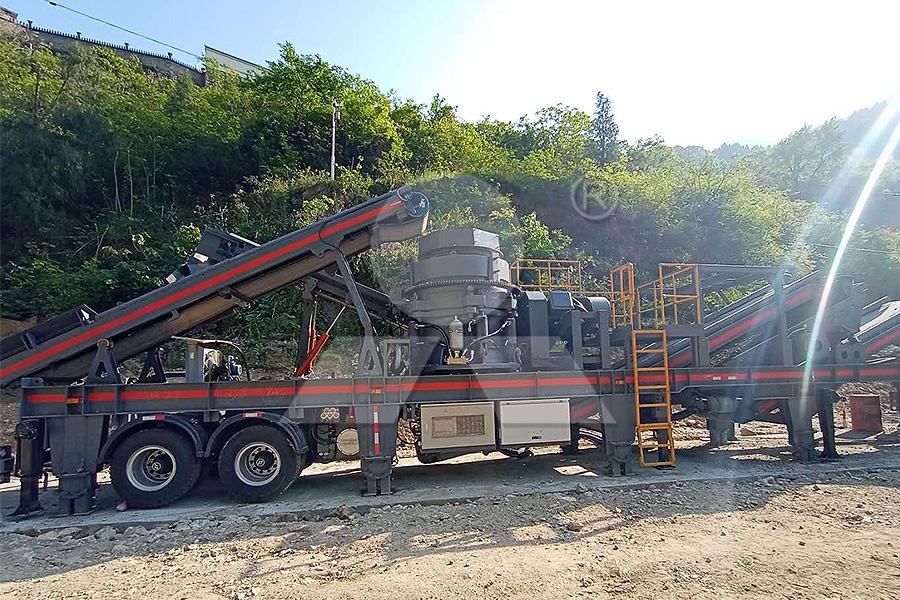
The construction industry, too, is on an upswing. The Construction Industry Development Board (CIDB) reported a 6 % increase in active projects in 2023, driven largely by government‑led infrastructure programmes such as the National Development Plan’s “Build SA” initiative. Because many of these projects are directly linked to mining operations (e.g., haul‑road construction, power‑line installation), the demand for workers who can bridge both worlds is growing faster than the overall construction labour market. .jpg)
2. Core occupational groups at SBM
| Category | Typical roles | Key responsibilities | Typical entry requirements |
|---|---|---|---|
| Operations & Plant | Drill‑operator, Blaster, Load‑haul‑dump (LHD) driver, Crusher operator | Execute extraction cycles, maintain equipment uptime, comply with safety protocols | Trade qualification (e.g., National Certificate in Mine Operations) + 1‑2 years on‑site experience |
| Mechanical & Electrical Maintenance | Plant mechanic, Electrical technician, Rotating‑equipment specialist | Preventive maintenance, fault diagnosis, spare‑parts logistics | NQF Level 5‑6 in Mechanical/Electrical Engineering; relevant apprenticeship |
| Engineering & Project Management | Civil engineer, Mining engineer, Project manager, Surveyor | Design of mine infrastructure, cost estimation, schedule control, stakeholder coordination | BEng or BSc in relevant discipline; professional registration (PE) preferred for senior roles |
| Health, Safety & Environment (HSE) | HSE officer, Safety trainer, Environmental monitor | Conduct risk assessments, enforce compliance with Mine Health & Safety Act, monitor emissions | Diploma in Occupational Health & Safety; certification (e.g., NEBOSH) |
| Support Services | Procurement officer, HR business partner, Logistics coordinator | Vendor management, workforce planning, material handling, documentation | Relevant diploma or degree; experience in mining supply chain valued |
These categories reflect the full value chain of a typical mining‑construction contract, from earth‑moving to final commissioning. According to SBM’s 2023 annual report, the proportion of staff in engineering and project management grew from 22 % to 28 % over the previous year, underscoring the company’s shift toward higher‑value, knowledge‑intensive work.
3. Skills and qualifications that matter
- Technical competence – Proficiency with industry‑standard software (e.g., AutoCAD, Surpac, SAP Plant Maintenance) is now a baseline for engineering and maintenance roles.
- Safety mindset – All positions require a valid Mine Safety Card (MS Card) and, for supervisory posts, a proven track record of incident‑free operations.
- Adaptability – Projects often span remote sites in the Karoo, Limpopo, or the Witwatersrand; workers must be comfortable with shift work and extended camp stays.
- Soft skills – Communication, problem‑solving, and teamwork are highlighted in SBM’s recruitment criteria, especially for roles that liaise with clients and regulatory bodies.
The company runs an internal “Skills Development Programme” that partners with the Mining Qualifications Authority (MQA) to up‑skill staff, offering short courses in advanced drilling techniques, predictive maintenance, and sustainable mining practices. Participants typically see a 15‑20 % salary uplift within 12 months of completion (SBM HR bulletin, Q3 2024).
4. Compensation and benefits
Salary levels at SBM align closely with industry benchmarks published by the Mine Workers’ Union (MWU) and the Construction Workers’ Compensation Fund. Approximate annual earnings (2024 figures) are:
- Entry‑level drill operator / LHD driver: ZAR 150 000–180 000
- Mechanical/electrical technician (mid‑level): ZAR 220 000–280 000
- Civil or mining engineer (graduate): ZAR 350 000–450 000
- Project manager (5‑10 years experience): ZAR 650 000–950 000
Beyond base pay, SBM offers a comprehensive benefits package that includes medical aid, pension contributions (12 % of salary), paid leave, and a performance‑linked bonus pool that averaged 8 % of total payroll in 2023. The company also provides housing allowances for employees stationed at remote camps, a critical factor in attracting talent to isolated mining districts.
5. Career progression pathways
SBM’s internal promotion policy is structured around three “career ladders”: Operational, Technical, and Management. For example, a drill‑operator can advance to Shift Supervisor → Operations Superintendent → Site Manager, while a junior civil engineer may move to Design Engineer → Senior Engineer → Project Lead. The average time to reach a supervisory level is 3‑4 years, provided the employee completes the required competency assessments and maintains a clean safety record.
The company’s partnership with the University of the Witwatersrand’s School of Engineering also enables staff to pursue postgraduate diplomas while remaining employed, a route that has produced several senior project managers in the past five years.
6. Challenges and how SBM addresses them
- Labour scarcity in specialised trades – The mining sector reports a 9 % shortage of qualified electricians (MWU, 2023). SBM mitigates this by running apprenticeship schemes that combine on‑the‑job training with classroom instruction, funded through the Skills Development Levies Act.
- Safety compliance pressure – With the Mine Health & Safety Act tightening exposure limits for silica dust, SBM has invested R 45 million (2023) in water‑spray drilling rigs and real‑time air‑quality monitoring, reducing occupational disease risk and enhancing its employer brand.
- Sustainability expectations – Investors increasingly demand ESG‑compliant contractors. SBM’s “Green‑Build” initiative, launched in 2022, targets a 30 % reduction in carbon emissions per project by 2026, creating new roles in environmental monitoring and renewable‑energy integration.
7. Recruitment process – what applicants can expect
- Online application – Candidates submit a CV and a concise cover letter outlining relevant experience and safety certifications.
- Pre‑screening interview – Conducted by HR to verify qualifications, availability for camp life, and alignment with SBM’s core values (integrity, safety, teamwork).
- Technical assessment – Role‑specific tests (e.g., drilling‑simulation for operators, engineering case study for graduates).
- On‑site interview – For senior positions, a panel comprising senior engineers, HSE officers, and a client representative evaluates leadership and problem‑solving abilities.
- Medical & safety clearance – A full occupational health check and issuance of a Mine Safety Card are mandatory before any contract offer.
The average time from application to offer is 4‑6 weeks, a relatively swift turnaround compared with the broader mining market, where the median is 8 weeks (Mining Indaba, Recruitment Survey 2024).
8. Practical advice for prospective employees
- Tailor your CV – Highlight any experience in remote‑site operations, safety training, and familiarity with industry software.
- Obtain a Mine Safety Card – Even for non‑operational roles, this demonstrates a proactive safety orientation.
- Leverage industry networks – Attend Mining Indaba, CIDB workshops, and local MQA seminars to meet SBM recruiters and learn about upcoming contracts.
- Consider up‑skilling – Short courses in predictive maintenance, BIM (Building Information Modelling), or renewable‑energy integration can differentiate you in a competitive market.
9. Outlook – where SBM’s job market is headed
The combination of rising commodity prices (gold up 18 % YoY, platinum up 12 % in Q1 2024) and the South African government’s commitment to invest ZAR 150 billion in infrastructure over the next five years (National Treasury, 2024 Budget) suggests a sustained demand for mining‑construction expertise. SBM’s strategic focus on high‑margin, ESG‑aligned projects positions it to expand its workforce by an estimated 8 % annually through 2027, according to the company’s strategic plan released in November 2023.
For job seekers, this translates into a relatively secure employment horizon, with clear pathways for advancement and the added benefit of working for a contractor that is actively addressing the sector’s most pressing challenges—skill shortages, safety, and sustainability.
In summary, SBM Mining & Construction offers a compelling employment proposition: competitive pay, structured career development, and a workplace that is increasingly aligned with modern safety and environmental standards. Candidates who combine technical competence with a strong safety culture are well‑placed to thrive in this dynamic environment.