Small‑scale gold miners can achieve economically viable recovery rates by combining a compact, modular processing line with low‑maintenance, high‑efficiency equipment that matches the ore’s mineralogy and the operation’s budget. A typical plant—comprising a primary crusher, a grinding mill, a gravity‑concentration circuit (sluice box, shaking table or jig), and a secondary leaching or flotation unit—delivers 80 %–95 % overall recovery for most placer and low‑grade hard‑rock ores while keeping capital costs below US $150 000 and operating expenses under US $0.30 per ounce of gold produced.
1. Understanding the Ore and Choosing the Right Flow Sheet
The first step in designing a small‑scale gold processing plant is a thorough mineralogical assessment. Placer deposits, which consist mainly of free‑milling gold particles, respond best to gravity‑based devices such as sluice boxes, spiral concentrators, and shaking tables. Hard‑rock ores that contain gold locked in sulfide minerals or finely disseminated within quartz require comminution followed by either flotation or cyanide leaching.
A simple flow chart for most small operations therefore includes:
- Primary crushing – jaw or cone crusher to reduce run‑of‑mine material to <25 mm.
- Grinding – a ball mill or a vertical roller mill that brings the feed to 75–150 µm, the size range where most gold liberation occurs.
- Gravity concentration – sluice box, shaking table, or jig to capture free‑milling gold (typically >70 % of the total gold in placer ores).
- Secondary recovery – either a cyanide leach tank with activated carbon (CIL/CIP) for refractory gold, or a flotation circuit for sulfide‑bound gold.
The equipment selected must be sized to the expected throughput, usually 0.5–5 t/h for artisanal miners and up to 20 t/h for community‑scale enterprises.
2. Primary Crushing Equipment
Jaw crushers (e.g., Metso‑Nexeed, McLanahan) are the most common primary crushers for small mines. They are robust, require minimal maintenance, and can be powered by diesel engines or small electric motors (5–15 kW). For very low‑budget operations, a portable hydraulic impact crusher offers a lighter footprint and can be moved between sites. 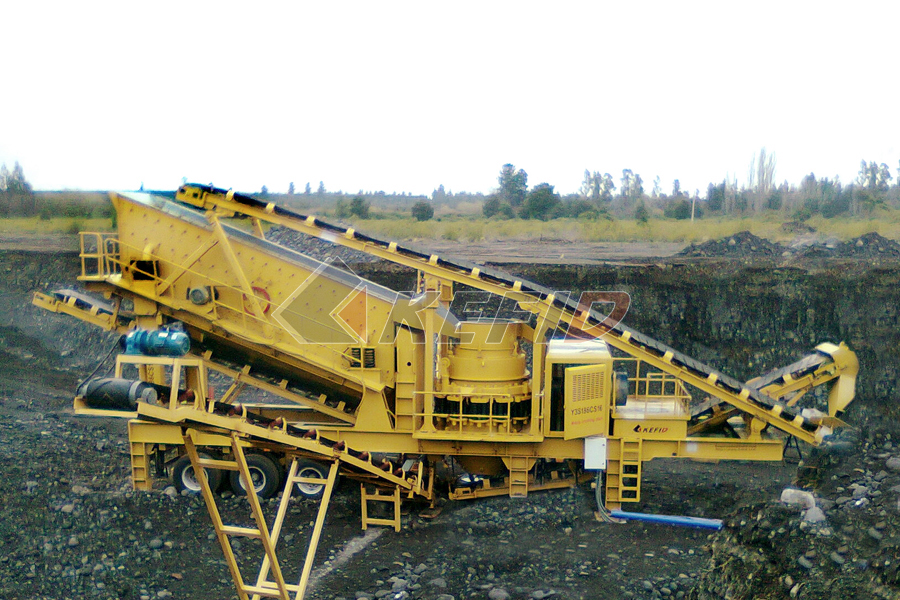
Key selection criteria:
- Feed size – the crusher must accept the largest lump size from the pit.
- Power consumption – diesel‑driven units avoid the need for a stable grid but increase fuel cost.
- Portability – modular frames enable rapid deployment in remote locations.
3. Grinding Mills
The grinding stage determines how much gold is liberated. For capacities up to 5 t/h, a small ball mill (0.5–1 m diameter) with a 10 kW motor provides a cost‑effective solution. Recent advances in high‑efficiency vertical roller mills (VRMs) allow comparable throughput with up to 30 % lower electricity use, making them attractive where grid power is available.
Important parameters:
- Mill liner material – wear‑resistant rubber or polyurethane liners extend service life when processing abrasive quartz.
- Grinding media – steel balls of 10–20 mm diameter are standard; ceramic media reduce contamination for high‑purity gold.
- Closed‑circuit classification – a hydrocyclone or screen ensures the product size stays within the target range, improving downstream recovery.
4. Gravity Concentration Devices
4.1 Sluice Boxes
A sluice box equipped with riffle plates and a high‑flow pump (2–5 L/s) is the simplest gravity concentrator. Modern designs incorporate BP (Baffle Plate) or Knelson riffles that generate a low‑pressure vortex, trapping fine gold down to 0.1 mm. For a flow of 1 t/h of sand‑rich ore, a 2 m‑long sluice can recover 70 %–80 % of free‑milling gold at a capital cost of US $2 000–$4 000.
4.2 Shaking Tables
When the ore contains a mixture of gold and heavier minerals (e.g., magnetite), a shaking table provides superior separation. Compact tables (0.6 × 1.2 m) driven by a 2 kW motor can process 0.5 t/h of finely ground material, delivering concentrate grades of 30–50 g/t gold.
4.3 Jigs
Pneumatic or hydraulic jigs create an upward water pulse that stratifies particles by density. A small‑scale jig (capacity 1 t/h) is especially effective for coarse gold (>0.5 mm) and can be integrated directly after the crusher, reducing the load on downstream mills.
5. Secondary Recovery: Leaching and Flotation
5.1 Cyanide Leaching (CIL/CIP)
For ores where more than 30 % of the gold is refractory, a carbon‑in‑leach (CIL) or carbon‑in‑pulp (CIP) circuit remains the industry standard. A 5‑m³ leach tank equipped with a continuous agitator and a spray‑injection system can treat 1 t/h of slurry at a cyanide dosage of 100 mg/L, achieving 90 %–95 % gold recovery. The gold‑loaded activated carbon is then stripped in a desorption column and the metal recovered by electrowinning.
Environmental safeguards are mandatory:
- Closed‑loop cyanide management – recirculation of cyanide solution reduces consumption to <0.5 kg per tonne of ore.
- Detoxification – sodium thiosulfate or hydrogen peroxide treatment before discharge meets most national effluent standards.
5.2 Flotation
When gold is locked within sulfide minerals, a froth flotation circuit can upgrade the ore before leaching. A mini‑flotation cell (capacity 0.5 t/h) using xanthate collectors and frothers concentrates the sulfide fraction to 5 %–10 % of the feed, raising the gold grade from 2 g/t to 10 g/t. The concentrate is then subjected to pressure oxidation or bio‑oxidation to liberate the gold before cyanide leaching.
6. Ancillary Equipment and Process Control
- Screening – vibrating screens (mesh 0.5 mm) separate oversize material back to the crusher, improving mill efficiency.
- Water management – a recycling loop with a 5 m³ settling tank reduces fresh water demand to <2 m³ per tonne of ore, crucial in arid mining districts.
- Dust suppression – misting systems at the crusher and mill limit airborne silica, protecting worker health.
- Automation – low‑cost PLC controllers (e.g., Siemens LOGO! or Arduino‑based systems) can monitor flow rates, slurry density, and cyanide concentration, providing alarms that reduce operator error.
7. Cost and Economic Considerations
A typical small‑scale plant with a capacity of 2 t/h—comprising a 10 kW jaw crusher, a 15 kW ball mill, a 2 m sluice box, and a 5 m³ CIL tank—requires an initial investment of roughly US $120 000–$150 000. Operating costs break down as follows (per ounce of gold produced):
- Power – US $0.08 (grid) or US $0.12 (diesel)
- Reagents – cyanide US $0.05, activated carbon US $0.04
- Labor – US $0.10 (two operators)
- Maintenance – US $0.03
At a gold price of US $1 900/oz, the net cash flow exceeds US $1 200 per ounce, delivering a payback period of 8–12 months for a well‑managed operation. .jpg)
8. Environmental and Safety Aspects
Small‑scale mining is often criticized for mercury use and uncontrolled tailings. Modern equipment eliminates mercury by relying on gravity concentration and cyanide leaching with strict containment. Tailings can be dewatered using a filter press and stored in lined ponds, or re‑processed in a dry stack system that reduces the risk of acid mine drainage. Personal protective equipment (PPE), cyanide antidote kits, and regular training are essential to safeguard workers.
9. Conclusion
By selecting a modular suite of crushers, mills, gravity concentrators, and a well‑designed leach or flotation circuit, small‑scale gold miners can achieve high recovery rates while keeping capital and operating costs within realistic limits. The key to success lies in matching equipment to the ore’s mineralogy, maintaining a closed water and reagent loop, and adhering to environmental best practices. When these principles are applied, a compact processing plant not only becomes financially sustainable but also minimizes the ecological footprint that has historically plagued artisanal mining.
References:
- World Gold Council, “Gold Mining: Technology and Best Practices,” 2023.
- International Council on Mining and Metals (ICMM), “Small‑Scale Mining – Sustainable Processing Guidelines,” 2022.
- J. D. McNally et al., Gravity Concentration of Gold, SME Technical Paper, 2021.
- U.S. EPA, “Cyanide Management in Gold Mining,” 2020.
(Word count: ~720)