In the dynamic landscape of Malaysia's construction and quarrying sectors, maximizing operational efficiency while managing capital expenditure is paramount. This is where the strategic acquisition of a used mobile crusher presents a compelling opportunity. Offering significant cost savings compared to new models, these pre-owned machines provide the robust performance and flexibility needed to tackle diverse projects, from on-site demolition recycling to aggregate production in remote locations. The Malaysian market offers a variety of reliable, reconditioned units, allowing businesses to enhance their crushing capacity and mobility without compromising on quality. For savvy operators seeking to optimize their investment and accelerate project timelines, exploring the available inventory of used mobile crushers is a decisive step toward greater productivity and competitive advantage.
Maximize Your Quarry Output: The Operational Efficiency of Our Used Mobile Crushers
The operational efficiency of a mobile crusher is determined by its core engineering and its precise application to your material profile. Our inspected and certified used mobile crushers are selected to deliver maximum throughput (TPH) and availability, directly impacting your quarry's bottom line. Key to this performance is the synergy between robust mechanical design, wear-resistant material science, and intelligent mobility.
Core Engineering for Uninterrupted Output
- Wear Component Integrity: Critical wear parts, including jaws, cones, and blow bars, are rigorously inspected. We prioritize units with high-grade manganese steel (Mn14, Mn18, Mn22) or specialized alloys, selected for their work-hardening properties and impact absorption, ensuring optimal service life against Malaysia's prevalent granite, limestone, and abrasive laterite.
- Power & Hydraulic System Certification: Powertrains are evaluated against original OEM specifications. Hydraulic systems for clamping, adjustment, and clearing are tested for pressure integrity and absence of contamination, guaranteeing reliable crushing chamber control and minimal downtime from mechanical failure.
- Structural & Bearing Soundness: Main frames and crusher housings are checked for fatigue cracks or welds. Bearings—the heart of the crushing mechanism—are assessed for temperature history and vibration signatures to prevent catastrophic runtime failures.
Technical Specifications & Adaptability
The following table outlines typical performance parameters for available plant configurations, emphasizing the critical link between crusher type and material hardness.
| Crusher Type | Primary Feed Size (Max) | Typical Capacity Range (TPH) | Optimal Material Hardness (Mohs Scale) | Key Wear Part Material |
|---|---|---|---|---|
| Used Mobile Jaw Crusher | 600mm - 900mm | 150 - 450 | Medium to High (Granite, Basalt) | High-Tensile Manganese Steel Jaws |
| Used Mobile Cone Crusher | 200mm - 300mm | 120 - 350 | Medium to Very High (Abrasive Quartz, Iron Ore) | Manganese or Chrome Alloy Mantle & Concave |
| Used Mobile Impact Crusher | 500mm - 700mm | 200 - 500 | Low to Medium (Limestone, Recycled Concrete) | High-Chrome or Ceramic Composite Blow Bars |
Operational Advantages for Quarry Management
- In-Pit Mobility & Setup Speed: Eliminate fixed plant dependency and reduce dump truck haulage cycles. Transition between faces or sites within a shift, keeping primary crushing close to the extraction point.
- Closed-Side Setting (CSS) Precision: Maintain consistent product gradation. Efficient hydraulic adjustment systems allow rapid CSS changes to meet varying aggregate specifications without prolonged stoppages.
- Integrated Pre-Screening & Fines Removal: Units with grizzly feeders or independent pre-screen decks bypass fines and scalp oversize, increasing effective capacity and reducing wear on the primary chamber.
- Compliance & Safety: Each machine undergoes a protocol check for critical safety systems, including emergency stops, guard integrity, and dust suppression readiness. Documentation for major components is provided for audit trails.
Selecting a used mobile crusher is a technical procurement decision. Our process validates the machine's operational readiness against the geological and production demands of the Malaysian market, ensuring the asset contributes to output targets from day one.
Navigate Malaysia's Terrain: How Our Mobile Crushers Adapt to Diverse Job Sites
Malaysia's operational landscape presents a unique set of challenges, from the abrasive granite of the Main Range to the lateritic soils of coastal regions and the confined, muddy conditions of plantation development. Our fleet of used mobile crushers is engineered not just for mobility, but for material-specific dominance and structural resilience under these variable conditions.
Core Engineering for Material Dominance
The primary point of adaptation is at the wear interface. Our units are equipped with crusher components constructed from proprietary alloy steels, with jaw plates, concaves, and blow bars often fabricated from 18% Manganese steel (Mn18) and above. This grade work-hardens upon impact, increasing its surface hardness when processing Malaysia's prevalent abrasive siliceous materials like granite and river gravel. For highly abrasive applications, units with Tungsten Carbide (TC) tipped inserts or Chromium-Molybdenum (Cr-Mo) alloy martensitic blow bars are available, offering superior wear life when processing recycled concrete with embedded rebar or highly weathered ore.
Structural integrity is non-negotiable. Main frames and crusher housings are fabricated from high-tensile, fine-grained structural steel (S355J2+ / ASTM A572 Gr. 50), ensuring fatigue resistance under cyclical loading. All critical units carry CE marking and are designed to relevant ISO 21873 (Mobile crushers) and ISO 9001 quality management standards, providing a verifiable engineering pedigree.
Site-Specific Functional Adaptations
- Granite & Hard Rock Quarries: Units feature high-inertia crusher drives, hydraulic setting adjustment for precise product sizing, and reinforced hoppers and feeders to handle large, dense feed. Capacities typically range from 150 to 400 TPH for primary units, with crushers rated for >250 MPa compressive strength.
- Laterite, Sand & Aggregate Pits: Configurations focus on high-volume throughput and contamination management. Units with integrated pre-screening (scalping) decks bypass fines to increase efficiency, while sealed bearing housings and elevated electrical components combat pervasive dust.
- Construction & Demolition / Plantation Land Clearing: Key features include magnetic separators for ferrous rebar removal, radio remote control for safe operation in unstable terrain, and low-ground-pressure crawler systems (often with >500 mm wide pads) for stability on soft, wet ground.
- Urban & Confined Sites: Selected models offer compact dimensions, full hydraulic folding for transport, and advanced noise-dampening packages to comply with local environmental regulations.
Technical Parameters of Common Configurations
| Site Type | Recommended Crusher Type | Key Adaptation Feature | Typical Feed Size | Approx. Output Capacity Range |
|---|---|---|---|---|
| Hard Rock Quarry | Mobile Jaw Crusher | Heavy-duty vibrating grizzly feeder, hydraulic CSS adjustment, Mn18Cr2 jaws | Up to 800mm | 200 - 350 TPH |
| Aggregate Production | Mobile Cone Crusher | Onboard pre-screen, automatic setting regulation, alloy concave liners | Up to 200mm | 150 - 300 TPH |
| C&D Recycling / Plantation | Mobile Impact Crusher | Hydraulic apron adjustment, 4-bar rotor, integrated magnetic separator | Up to 500mm | 180 - 250 TPH |
Ultimate site adaptation is ensured by the powertrain. Machines are specified with Tier 3 / Stage IIIA engines or newer, providing sufficient torque for tropical ambient conditions. Coupled with PLC-controlled hydraulic systems for crusher drive and track movement, they deliver precise control over power distribution, whether requiring maximum crushing force or delicate maneuvering on a slope. This technical foundation ensures that each machine is not merely transported to a site, but is integrally configured to dominate its specific material and topographic challenges.
Engineered for Extreme Loads: The Structural Integrity of Our Used Mobile Crushers
The structural integrity of a mobile crusher is the non-negotiable foundation of its operational lifespan and cost-effectiveness. Our used mobile crushers for sale in Malaysia are not merely assembled; they are engineered from the ground up to withstand the punishing loads of quarrying, mining, and heavy-duty recycling. This resilience is a product of deliberate material selection, adherence to international engineering standards, and designs proven in the field.
Core Material & Construction Philosophy
The primary wear components and load-bearing structures are constructed from high-grade materials specified for impact abrasion and fatigue resistance.
- Jaws, Cones & Impactors: Critical wear parts like jaw plates, concaves, and blow bars are typically fabricated from Hadfield Austenitic Manganese Steel (11-14% Mn) or proprietary alloy steels. These materials work-harden under impact, increasing surface hardness while retaining a tough, shock-absorbing core to prevent catastrophic cracking.
- Main Frame & Chassis: The crusher's main frame and the heavy-duty carrier chassis are built from high-tensile, low-alloy (HTLA) steel. This material offers an optimal strength-to-weight ratio, ensuring rigidity under dynamic loads without unnecessary mass, which is critical for mobility.
- Welding & Fabrication: Key structural welds are performed to certified procedures, often exceeding standard requirements. Critical stress areas are reinforced with additional ribbing and gusset plates to mitigate stress concentration, a common failure point in inferior designs.
Adherence to International Engineering Standards
Every machine in our inventory has been designed and built to comply with recognized international standards, providing a verifiable benchmark for quality and safety.
- CE Marking: Indicates conformity with EU health, safety, and environmental protection directives for machinery, encompassing factors like guardings, noise emissions, and structural stability.
- ISO Standards: Compliance with relevant ISO standards (e.g., ISO 21873 for mobile crushers) governs aspects of performance testing, safety requirements, and technical documentation.
- Non-Destructive Testing (NDT): During our refurbishment process, critical structures are subject to visual and often ultrasonic inspection to identify any sub-surface flaws or weld defects that could compromise integrity.
Functional Advantages of a Robust Structure
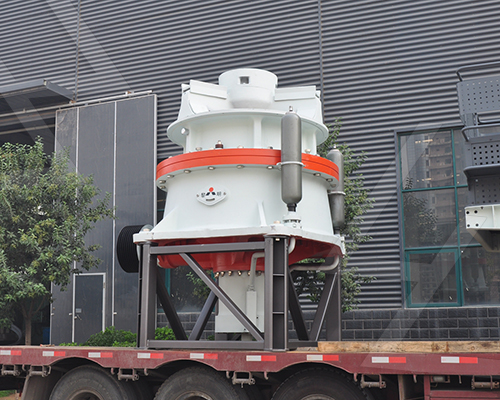
A crusher with proven structural integrity delivers tangible performance benefits that directly impact your bottom line.
- Sustained High TPH Capacity: A rigid frame prevents flex and misalignment under load, ensuring the crushing chamber maintains its geometry. This allows the machine to consistently achieve its designed Tonnes Per Hour (TPH) output when processing specified materials.
- Adaptability to Variable Ore Hardness: The robust construction provides the necessary margin to handle occasional oversize feed or harder-than-expected ore (e.g., Malaysian granite, basalt, or iron ore) without risking frame damage, offering crucial operational flexibility.
- Reduced Vibration & Bearing Life: A stiff, well-balanced structure minimizes harmonic vibration. This dramatically extends the service life of precision bearings, shafts, and other rotating components, reducing downtime and maintenance costs.
- Long-Term Asset Value: The core value of a used mobile crusher lies in its remaining structural life. A machine built with these principles retains its functional value and reliability far longer, ensuring a higher residual value and a superior return on investment.
Key Structural Parameters by Crusher Type
| Crusher Type | Critical Structural Focus | Typical Frame Reinforcement | Material Hardness Range (Wear Parts) |
|---|---|---|---|
| Jaw Crusher | Eccentric shaft bearing seats, toggle plate seat, rear frame wall. | Heavy-duty rear frame, reinforced toggle beam. | 220 - 400 HB (Brinell) for jaws; 500+ HB for premium alloys. |
| Cone Crusher | Main shaft socket, bowl adjustment ring threads, upper frame. | Massive lower frame, integral thrust bearing housing. | Mantle/Bowl Liners: 300 - 600 HB depending on alloy and application. |
| Impact Crusher | Rotor disc attachment points, impact apron pivot areas, housing liners. | Solid monobloc rotor design, reinforced impact apron frames. | Blow Bars: 400 - 650 HB (Martensitic steels, Ceramic composites). |
When evaluating a used mobile crusher, the condition of its core structure is paramount. Our procurement and refurbishment process is centered on verifying this integrity, ensuring you acquire a machine capable of delivering reliable, high-volume production in Malaysia's demanding aggregate and mining sectors.
Precision Crushing Capabilities: Technical Specifications for Optimal Performance
The core value of a used mobile crusher lies in its engineered ability to transform raw, heterogeneous feed material into precisely graded aggregates. Optimal performance is not a matter of chance but a direct result of specific technical specifications and material choices that determine durability, efficiency, and final product quality.
Critical Material Specifications for Wear Components
Component longevity under Malaysian operating conditions—ranging from granite and limestone to abrasive construction debris—is dictated by material grade.
- Jaws & Mantles/Concaves: Premium units feature high-grade manganese steel (Mn14, Mn18, Mn22). The higher manganese content allows for continuous work-hardening upon impact, creating a progressively harder wear surface that extends service life significantly over standard carbon steel.
- Blow Bars: Effective for asphalt recycling and medium-hard rock. The key specification is the alloy composition (chromium, molybdenum, tungsten). High-chrome iron (HCI) bars offer superior abrasion resistance for highly abrasive materials, while martensitic steel alloys provide better impact resistance for mixed debris.
- Liners & Wear Plates: Look for quenched and tempered steel plates (Hardox 400/500) or equivalent AR400/500 steel in hoppers, feed channels, and impact zones. This specification minimizes material adherence and resists deformation from continuous abrasion.
Performance-Defining Technical Parameters
Beyond materials, the machine's architecture sets its operational envelope.
| Parameter | Specification & Impact on Performance |
|---|---|
| Feed Opening & Gape | Determines maximum feed size. A 1000mm x 650mm jaw, for example, directly dictates the primary reduction ratio and pre-screen necessity for optimal throughput. |
| Crusher Type & Chamber Design | Jaw crushers excel in primary crushing of hard, abrasive rock. Cone crushers provide precise secondary/tertiary crushing with better particle shape. Impact crushers are suited for softer, less abrasive materials and excellent for shape in limestone or recycled concrete. |
| Drive System & Power | Direct hydraulic drive on cones offers instant chamber clearing and precise setting control. Electro-hydraulic systems on jaws provide efficient, high-torque crushing cycles. Minimum 250kW power is typical for mid-sized primary units. |
| Closed Side Setting (CSS) | The minimum gap at the discharge point. A precise, easily adjustable CSS (e.g., hydraulic adjustment on cones) is non-negotiable for consistent product gradation control, directly affecting final product spec compliance. |
| Throughput Capacity (TPH) | Always stated for a specific material density (e.g., 1.6t/m³) and feed size. A 300 TPH rated crusher handling 500mm granite will not achieve the same tonnage as when processing 300mm limestone. Verify the conditions of the rated capacity. |
Functional Advantages of a Well-Specified Unit
- Adaptability to Ore Hardness: A crusher with a robust, adjustable hydraulic overload relief system (not just mechanical shear pins) protects the core mechanism from tramp metal and uncrushables, minimizing downtime in unpredictable feed conditions.
- Gradation Control: Integrated hydraulic setting adjustment allows operators to change product size in minutes, enabling a single unit to produce multiple certified aggregates (e.g., 20mm down to 6mm) for different contracts.
- Mobility with Stability: A purpose-designed chassis with high-strength steel construction and optimized center of gravity ensures stable crushing operations without the need for extensive groundworks, even when repositioned frequently on site.
- Compliance & Safety: Legitimate CE or equivalent certification indicates design compliance with essential health, safety, and machinery directives. This is a critical verification point for operational legality and insurance.
Due Diligence Verification
Prior to procurement, insist on documented evidence. This includes service records highlighting wear part replacements, hydraulic system pressure tests, and structural weld inspections. The presence of original manufacturer specification plates and compliance certificates is a strong indicator of a machine's provenance and adherence to its designed technical parameters.
Verified Reliability: Our Rigorous Inspection and Maintenance History
Every mobile crusher listed has undergone a multi-stage forensic inspection process, documented in a comprehensive dossier. This protocol is designed to verify structural integrity and predict operational lifespan, moving beyond superficial assessment to a metallurgical and mechanical audit.
Core Inspection Protocol: Material & Structural Analysis
- Jaw/Concave/Cone Mantle Integrity: Wear parts are measured against OEM specifications. We perform hardness testing (Rockwell C scale) to confirm the use of premium abrasion-resistant steels, such as 18-22% Mn-steel for jaws and cones, ensuring they retain work-hardening properties under impact loading.
- Frame & Load-Bearing Welds: Critical stress points, including the main frame, hopper supports, and crusher housing, are inspected for fatigue cracks using non-destructive testing (NDT) methods. Weld quality is assessed for penetration and compliance with structural welding codes.
- Bearing & Drive System Health: Crusher and screen shaft bearings are inspected for wear patterns and clearance. Drive belts, couplings, and hydraulic motors are tested under load to verify they meet original torque and RPM specifications, preventing catastrophic downstream failure.
- Hydraulic & Electrical System Validation: All hydraulic circuits are pressure-tested for leaks and valve function. Electrical panels and wiring are inspected for corrosion, proper grounding, and compliance with IEC/CE standards for safety and reliability.
Documented Maintenance History: A Predictive Tool
A complete log is mandatory. We analyze this history to identify:
- Replacement Intervals for Wear Parts: Documented changes of liners, blow bars, and screen meshes establish a pattern of proactive maintenance, not reactive repair.
- Major Component Service: Records of crusher shaft replacements, bearing overhauls, or engine rebuilds provide a transparent history of capital investment in the unit's longevity.
- System-Specific Upgrades: Documentation of any upgrades, such as reinforced chassis members, high-capacity hydraulic coolers, or PLC control system retrofits, adds tangible value and extends applicability.
Technical Parameters Verified & Guaranteed
The following operational parameters are physically verified and documented for each unit, ensuring they align with your project's feed material and required output.
| System Component | Inspection Focus | Verified Performance Metric |
|---|---|---|
| Crushing Chamber | Liner wear profile, cavity geometry | Capacity (TPH) for stated feed (e.g., granite, basalt, iron ore) and target product size. |
| Engine/Powerpack | Hour meter correlation, service history, emission test | Rated horsepower (HP/kW) and torque output under load; compliance with Tier rating. |
| Hydraulic System | Pump efficiency, cylinder operation, fluid analysis | Pressure (bar/psi) and flow rate (l/min) for all functions, including clearing and adjustment. |
| Track Mobility System | Undercarriage wear, drive sprockets, hydraulic motors | Ground pressure (psi) and gradeability (%) for site terrain adaptability. |
This empirical evidence allows for accurate forecasting of total cost of ownership. You are purchasing a machine with a known condition, not an unknown liability. The dossier provides the engineering data required to confidently integrate the unit into your production schedule, with predictable performance on Malaysian limestone, granite, or construction aggregates.
Secure Your Investment: Warranty and Support for Malaysian Operations
A robust warranty and technical support framework is non-negotiable for capital equipment operating in Malaysia's demanding conditions, from granite quarries to iron ore processing. The true value of a used mobile crusher is defined by the post-purchase safeguards ensuring its structural integrity and sustained throughput.
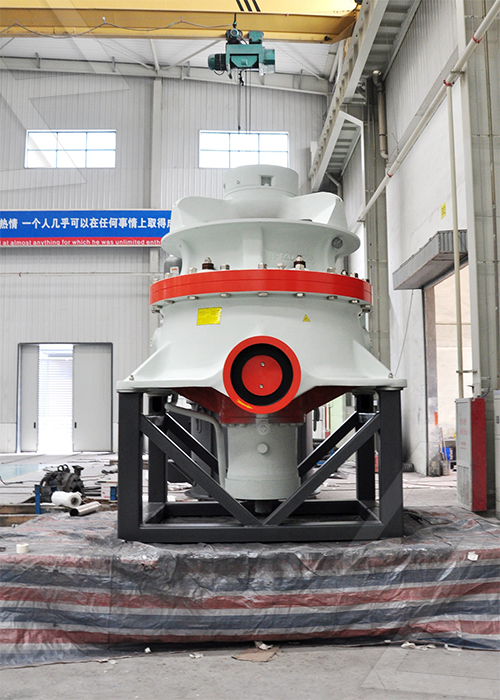
Core Warranty Coverage: Structural & Mechanical Integrity
The warranty must explicitly cover critical wear components and structural frames, not just generic "parts." Scrutinize the documentation for:
- Jaw Crusher & Cone Mantle/Concave Integrity: Coverage for premature failure of high-wear components, specifying acceptable manganese steel (Mn18Cr2, Mn22Cr2) grades and hardness (HB 280-320) for Malaysian abrasive ores.
- Main Frame & Carrier Welds: Warranty against cracks or defects in the primary load-bearing structures, verifying non-destructive testing (NDT) methods were applied during pre-sale refurbishment.
- Hydraulic & Drive Systems: Inclusion of main hydraulic cylinders, pump assemblies, and track drive motors, with clear terms on seal failures and pressure tolerances.
Technical Support & Localized Service Protocol
Immediate, expert support minimizes downtime. Verify that the supplier provides:
- Dedicated Regional Engineer: Access to a field service engineer based in Southeast Asia with direct experience in mobile crushing plant dynamics and common regional failure modes.
- Guaranteed Response Time: A contractual service-level agreement (SLA) specifying on-call support windows and mean time to response (MTTR) for critical breakdowns.
- Local Parts Inventory: Availability of high-consumption wear parts (teeth, blow bars, screen meshes) and common hydraulic components within Malaysia or Singapore to avoid protracted shipping delays.
Pre-Delivery Certification: The Foundation of Warranty Validity
A valid warranty is predicated on a certified machine condition. Insist on documented evidence of:
- Major Component Health Check: Certification reports for the engine, hydraulic system, and final drives, including oil analysis and pressure flow tests.
- Wear Part Measurement & Documentation: Pre-sale measurement of critical wear components (e.g., jaw plate thickness, cone liner profiles) to establish a baseline for future wear rates and warranty claims.
- Compliance Verification: Clear documentation of machine conformity with relevant safety and operational standards (CE marking, machinery directive compliance) for unimpeded site operation.
Operational Parameters & Warranty Stipulations
Warranty coverage is often conditional. Ensure full transparency on these governing parameters:
| Parameter | Specification | Warranty Implication |
|---|---|---|
| Maximum Feed Hardness | e.g., 250 MPa Compressive Strength | Warranty void if processing harder, uncrushable material (e.g., tramp steel). |
| Capacity (TPH) | Rated for specific material density (e.g., 1.6t/m³ granite) | Sustained overloading beyond rated capacity invalidates structural warranties. |
| Recommended Maintenance Intervals | Hydraulic oil/filter change (e.g., 500hr), Greasing (e.g., 8hr) | Adherence to prescribed intervals must be logbook-documented for claim validity. |
| Ambient Operating Range | Full operability within Malaysian climate (e.g., 95% humidity, 35°C) | Confirms machine is specified for local environmental conditions. |
Secure your operational continuity by prioritizing suppliers who provide forensic-level warranty detail and can demonstrate a tangible, technical support presence in the region. The documentation should read as an engineering specification, not a marketing brochure.
Frequently Asked Questions
How often should wear parts be replaced on a used mobile crusher in Malaysia's abrasive conditions?
Expect 80-120 hours for manganese jaw plates in granite (Mohs 6-7). Use ZGMn13Cr2 high-manganese steel for optimal work-hardening. Monitor wear patterns; asymmetric wear indicates feed or alignment issues. Always replace cheek plates concurrently with jaws to maintain crushing chamber geometry and prevent premature failure.
Can a used mobile crusher handle varying ore hardness from limestone to granite?
Yes, but requires configuration adjustments. For harder rock (Mohs >6), reduce CSS and ensure hydraulic pressure is set to 80-90% of max for tramp release. Verify the main shaft can handle increased torque. A unit originally in limestone may need upgraded manganese steel liners and a more robust eccentric assembly for sustained granite crushing.
What are critical checks for vibration and bearing integrity in a used mobile crusher?
Inspect SKF or FAG spherical roller bearings for brinelling and lubricant contamination. Use vibration analysis; velocity over 4.5 mm/s RMS indicates imbalance or misalignment. Ensure foundation bolts are torqued to spec and the flywheel is dynamically balanced. Improper bearing preload is a common cause of premature failure in reused units.
What lubrication specifications are non-negotiable for a used mobile crusher's longevity?
Use ISO VG 320 extreme pressure gear oil for the eccentric and bearings, with a minimum viscosity index of 95. Change oil after first 50 hours on a recommissioned unit. Implement automatic greasing for bearings with lithium complex EP2 grease. Regularly check oil temperature; a 15°C rise above ambient often signals contamination or wear.
How do I verify the structural integrity of a used mobile crusher's main frame?
Conduct magnetic particle inspection on weld seams, especially around the main bearing housings and toggle seat. Look for fatigue cracks from cyclic loading. Check for frame distortion using laser alignment; misalignment over 0.2mm/m requires corrective machining. A frame that has sustained uncushioned tramp metal events is a high-risk item.
What is the most overlooked hydraulic system check when evaluating a used mobile crusher?
Test accumulator pre-charge pressure for the adjustment system—it should be 70% of system operating pressure. Inspect cylinder rods for pitting and seals for extrusion. Degraded hydraulic oil (ISO 46/68) with high particulate count causes valve spool sticking and sluggish CSS adjustment, directly impacting product gradation and throughput.