In the demanding world of aggregate processing and demolition recycling, efficiency and mobility are paramount. The Austin Western Portable 10x24 Jaw Crusher stands as a testament to this principle, offering a compelling blend of classic, robust engineering and practical portability. This unit encapsulates a bygone era of durable machinery, built to withstand the rigors of reducing hard rock and concrete to manageable sizes. Its 10” x 24” jaw provides a capable feed opening, making it an ideal candidate for smaller-scale operations, site cleanup, or as a primary crusher in a compact circuit. For those seeking a reliable, straightforward machine with a proven track record, this portable crusher represents a tangible piece of industrial heritage, ready to tackle modern material reduction challenges with steadfast performance.
Maximize On-Site Crushing Efficiency with Portable 10x24 Jaw Design
The portable 10x24 jaw crusher design is engineered to transform raw on-site material handling by integrating primary crushing and mobility into a single, high-availability unit. Efficiency is not merely about throughput, but about sustained performance under variable feed conditions with minimal operational delay. The core of this efficiency lies in the synergy between the crusher's mechanical design, material specifications, and its integrated portable chassis.
Core Mechanical & Material Specifications
The jaw crusher's longevity and crushing force are dictated by its material composition and manufacturing standards.
- Jaw Die Composition: The fixed and movable jaws are lined with premium ASTM A128 Grade B-3 (approx. 12-14% Manganese Steel). This austenitic manganese steel work-hardens under impact, increasing its surface hardness in service to withstand the continual abrasion from silica, basalt, and iron ore. This provides a self-renewing wear surface that maintains crushing geometry longer than standard alloys.
- Eccentric Shaft & Bearing Standards: The forged, stress-relieved eccentric shaft rotates on heavy-duty, ISO 199:2014 (rolling bearing) standard spherical roller bearings. These bearings are selected for high radial load capacity and inherent misalignment tolerance, crucial for the uneven loading encountered in portable applications. The bearing housing is a labyrinth-sealed, grease-purged system to exclude dust.
- Frame Integrity: The crusher frame is a fabricated design from high-tensile, low-carbon steel plate (ASTM A36 or equivalent), with reinforced ribbing at all high-stress points. This ensures dimensional stability under peak loading, preventing frame deflection that leads to premature bearing failure and inconsistent product gradation.
Functional Advantages of the Portable Design
The integration onto a portable chassis is a calculated engineering decision, not merely a convenience.
- Direct Feed Elimination of Haulage: The unit positions directly at the face or stockpile, crushing material before primary haulage. This reduces cycle times for loading equipment and allows the use of smaller, more efficient haul trucks by converting low-density shot rock or demolition concrete into a denser, more transportable product.
- Rapid Site Deployment & Setup: The chassis incorporates heavy-duty I-beam construction, DOT-approved air-brake systems, and kingpin setup for highway mobility. Hydraulic leveling jacks and pin-connected supports allow the plant to be operational in under 30 minutes on a prepared pad, minimizing non-revenue generating time.
- Adaptability to Variable Feed: The 10” x 24” (254mm x 610mm) jaw opening accepts a wide range of feed sizes. The adjustable closed-side setting (CSS), typically from 1” to 3” (25mm to 75mm), is manually adjusted via shim plates, providing precise control over product top size to match downstream process requirements, whether for aggregate base or feed for a secondary cone crusher.
Operational Parameters for Mining & Aggregate
Efficiency is quantified through measurable output and system tolerance.
| Parameter | Specification | Operational Implication |
|---|---|---|
| Approximate Capacity (TPH) | 20 - 40 TPH | Throughput is dependent on feed material density, hardness (e.g., compressive strength >250 MPa for hard ores), and CSS. This range is for crushed stone with a bulk density of ~100 lb/ft³. |
| Max Feed Size | 8” (203mm) | Optimal efficiency is achieved with feed material ≤80% of the gape dimension to prevent bridging and ensure proper nip angle engagement. |
| Drive System | Electric or Diesel | Electric drive (30-40 HP motor) offers lower operating cost for fixed-site quarry pits with power. Diesel hydraulic drive provides complete autonomy for remote or demolition sites. |
| Product Gradation Control | Shim-Adjustable CSS | Consistent, predictable output size is critical for meeting spec. The robust toggle and seat design maintains the set CSS under load, preventing "drift" that leads to off-spec material. |
The definitive advantage is system reliability under transport cycles. Every weldment, electrical connection, and hydraulic line is designed for the fatigue induced by road vibration and repeated setup/teardown. This results in a plant where crushing availability exceeds 90%, making the portable 10x24 jaw a primary production asset, not just a supplemental tool.
Engineered for Durability: Austin Western's Robust Construction for Demanding Applications
The Austin Western 10x24 portable jaw crusher is engineered for structural integrity and longevity in harsh aggregate and mining environments. Its durability is not a claim but a product of material selection, design principles, and manufacturing standards that meet rigorous industry demands.
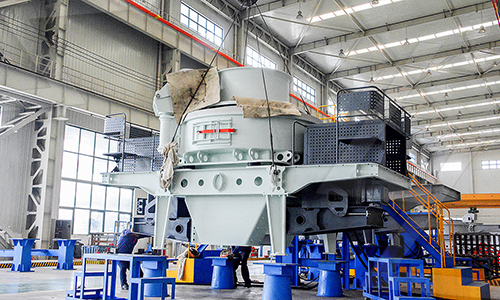
Core Construction & Material Specifications:
- Jaw Die Construction: The crusher features replaceable jaw dies fabricated from high-grade manganese steel (typically 12-14% Mn). This austenitic steel work-hardens under impact, increasing surface hardness and wear resistance proportional to the abrasiveness of the feed material, such as granite, basalt, or abrasive ores.
- Frame Integrity: The main crusher frame is a heavily ribbed, stress-relieved steel fabrication. Critical weldments are performed to standardized procedures, ensuring resistance to cyclical loading and fatigue failure common in portable crushing circuits.
- Shaft & Bearing Design: The eccentric overhead shaft is machined from high-tensile alloy steel and supported by oversized, spherical roller bearings. This configuration provides high radial and thrust load capacity, essential for maintaining consistent jaw motion and crushing force under peak loads.
- Toggle Plate: The sacrificial toggle plate is a critical safety component, engineered to fail before the crusher frame in the event of an uncrushable tramp metal event, protecting the core mechanism from catastrophic damage.
Functional Advantages of the Design:
- Adaptive Wear Life: The work-hardening characteristic of the Mn-steel jaw dies extends service intervals in abrasive applications, optimizing operational uptime and cost-per-ton.
- High Load Capacity: The robust bearing and shaft assembly supports sustained operation at the crusher's rated capacity of 45-55 TPH, depending on feed gradation and closed-side setting.
- Structural Fatigue Resistance: The reinforced frame design mitigates crack propagation, a key consideration for portable units subject to transport stresses and variable foundation conditions.
- Simplified Maintenance: Key wear components, including jaw dies and the toggle plate, are designed for straightforward replacement, minimizing downtime for service.
Technical Parameters for Demanding Duty:
| Component | Specification | Functional Rationale |
|---|---|---|
| Jaw Die Material | Manganese Steel (12-14%) | Optimal balance of toughness, ductility, and work-hardening capability for wear resistance. |
| Approx. Capacity | 45 - 55 TPH | Rated for hard rock (e.g., granite, trap rock) with a compressive strength > 25,000 PSI. |
| Bearing Type | Spherical Roller | Self-aligning; accommodates shaft deflection and high shock loads from irregular feed. |
| Toggle Mechanism | Compression Link | Provides positive, non-slip jaw action and functions as an overload safety device. |
| Frame Construction | Fabricated Steel Plate | Stress-relieved, rib-reinforced design for torsional rigidity and impact absorption. |
This construction philosophy ensures the unit maintains critical jaw alignment and crushing geometry over its service life, directly contributing to consistent product gradation and reliable performance in remote or demanding primary crushing applications.
Precision Crushing Performance: Optimized 10x24 Jaw Configuration for Consistent Output
The 10x24 jaw crusher configuration is engineered for precision in primary reduction, where consistent product gradation and reliable throughput are critical. Its performance is rooted in the precise geometry of the crushing chamber and the robust material specifications of its core components.
Core Mechanical & Material Specifications:
- Jaw Die Composition: Fabricated from premium 14-18% manganese steel (ASTM A128 Grade B2/B3), the jaws are work-hardening. Under impact, the surface microstructure transforms to achieve a hardness exceeding 550 BHN, providing exceptional abrasion resistance against siliceous and high-abrasion index ores.
- Chamber Geometry: The 10-inch by 24-inch chamber features an optimized nip angle and a non-choking, straight-line design. This geometry ensures efficient bite and positive material flow, minimizing bridging and promoting a consistent, forceful crushing action without excessive wear or energy waste.
- Eccentric Shaft & Bearing Standards: The forged, high-carbon steel eccentric shaft rotates on heavy-duty, spherical roller bearings (ISO 15:2017 classification). This assembly is engineered for high radial and axial load capacity, ensuring stable operation under shock loads and contributing directly to consistent output sizing.
- Toggle & Seat Design: The machined toggle plate and seats create a reliable safety release system. Beyond overload protection, their precise fit maintains the closed-side setting (CSS) under dynamic loads, which is the primary determinant of product top size consistency.
Operational Advantages for Consistent Output:
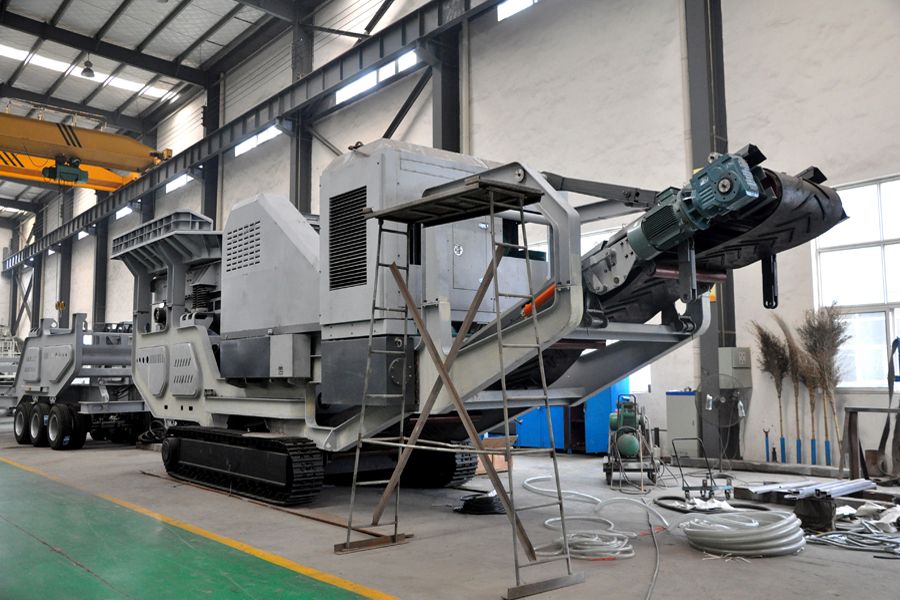
- Predictable Gradation: The fixed chamber geometry and stable CSS control yield a predictable and repeatable product curve, essential for downstream processing efficiency.
- Adaptive Crushing Action: The kinematics of the overhead eccentric design provide a aggressive stroke at the top of the chamber for initial fracture, transitioning to a compressive, grinding motion at the discharge, effectively handling varied feed sizes and hardness.
- Reduced Fines Generation: Compared to steeper-angle chambers, the optimized configuration prioritizes controlled fracture over excessive compression, producing a well-graded product with a lower percentage of unwanted fines where applicable.
- Sustained Throughput: The combination of wear-resistant materials and efficient kinematics maintains rated capacity (typically 20-45 TPH depending on feed material and CSS) over longer operational campaigns before requiring jaw reversal or replacement.
Key Technical Parameters for Output Calibration:
| Parameter | Specification | Impact on Output |
|---|---|---|
| Maximum Feed Size | 8 inches (approx. 200mm) | Determines required primary fragmentation. Exceeding this induces stress and reduces efficiency. |
| Closed Side Setting (CSS) Range | 1.5 inches to 4 inches (38mm - 100mm) | Primary control for product top size. A smaller CSS increases fines and reduces throughput, and vice-versa. |
| Recommended Material Hardness | Up to 250 MPa Compressive Strength | Optimal for granite, basalt, quartzite, and ferrous ores. Higher hardness accelerates wear proportionally. |
| Drive Power Requirement | 40-60 HP (30-45 kW) electric or diesel | Adequate power ensures proper kinetic energy for fracture at the designed capacity and material hardness. |
Consistent output is a function of mechanical precision, material integrity, and correct operational parameters. This 10x24 configuration is built to a heavy-duty industrial standard, providing the stability needed for predictable crushing performance in portable plant applications.
Technical Specifications: Detailed Breakdown of Portable Crusher Capabilities and Dimensions
Core Crusher Specifications
- Jaw Crusher Model: 10" x 24" Overhead Eccentric Jaw Crusher.
- Feed Opening: 10 inches (254 mm) wide x 24 inches (610 mm) long.
- Recommended Closed Side Setting (CSS) Range: 1" to 3" (25 mm to 75 mm), adjustable via shim plates.
- Maximum Feed Size: 8 inches (203 mm) at a nominal CSS of 2.5" (63.5 mm).
- Crushing Chamber: Fabricated from high-strength, abrasion-resistant steel plate. Stationary jaw is a solid cast steel section.
- Jaw Dies: Reversible and replaceable, fabricated from T-1 (ASTM A514) grade alloy steel or equivalent high-grade manganese steel for extended service life in abrasive applications.
Mechanical & Drive System
- Shaft & Bearings: Oversized, heat-treated forged steel eccentric shaft. Supported by heavy-duty, spherical roller bearings (ISO 15:1998 classification) designed for high radial and axial load capacity.
- Flywheels: Dynamically balanced cast iron flywheels to ensure smooth operation and consistent crushing force.
- Drive: V-belt drive from a separate crusher motor to flywheel, allowing for optimal motor selection and simplified maintenance.
- Toggle Plate: Acts as a safety shear pin mechanism, designed to fail under tramp iron or uncrushable overload conditions, protecting the main crusher components from catastrophic damage.
Portable Chassis & Structural Details
| Component | Specification |
|---|---|
| Chassis Frame | Heavy-duty wide-flange beam construction, stress-relieved to minimize welding distortion and ensure long-term structural integrity. |
| Running Gear | Tandem axle with heavy-duty leaf spring suspension. Fitted with highway-rated tires, electric brakes, and mud flaps. Kingpin setup for road towing. |
| Crusher Mounting | Bolt-on sub-frame for crusher and motor, isolating crushing vibrations from the main chassis. |
| Feed Hopper | Grizzly-style, fabricated steel with removable grizzly bars for scalpings removal. |
| Discharge Conveyor | Under-crusher vibratory feeder or belt conveyor (model dependent). Typical width: 24" to 30". Hydraulic folding for transport. |
| Stabilization | Hydraulic front and rear jacks with pad feet for stable, level operation on uneven ground. |
Performance & Material Capabilities
- Throughput (TPH): Rated capacity of 20 to 40 TPH, dependent on feed material characteristics (density, gradation, moisture), CSS, and material hardness. Assumes bulk density of 100 lbs/ft³ (1.6 t/m³).
- Material Hardness Adaptability: Engineered to process a broad range of materials, from recycled concrete and asphalt (Mohs ~3-4) to hard, abrasive quarry rock like granite or basalt (Mohs 6-8). Jaw die alloy selection is critical for optimal wear life in high-abrasion environments.
- Power Requirements: Crusher drive typically requires a 40 to 60 HP electric motor or equivalent diesel drive. Plant peripherals (conveyors, feeders) require additional power.
Operational & Safety Features
- Access & Maintenance: Walkways and guardrails provided per applicable safety standards. Grease-lubricated bearings with centralized lube points where specified.
- Dust Control: Prepared for integration with dry dust suppression systems or baghouse connections.
- Compliance: Fabricated to meet industry standards for structural design and guarding. Specific certifications (e.g., CE marking) are evaluated per customer region and project requirements.
Proven Reliability: Industry Trust and Support for Austin Western Equipment
The Austin Western 10x24 portable jaw crusher’s reputation is built on a foundation of metallurgical integrity and field-proven performance in demanding mining and aggregate applications. Its reliability is not an advertised claim but a documented outcome of its design and construction, earning the long-term trust of operations managers and maintenance superintendents.
Core Engineering for Sustained Operation:
- Jaw Die Metallurgy: The crusher utilizes high-grade manganese steel (Mn14 or equivalent) jaw dies. This austenitic steel work-hardens under impact, developing a surface hardness exceeding 550 BHN while retaining a tough, shock-absorbing core. This provides exceptional resistance to abrasion from silica and compressive forces from hard rock, directly translating to lower cost-per-ton in abrasive feeds.
- Shaft & Bearing Design: The oversized eccentric shaft is forged from high-tensile alloy steel, heat-treated for fatigue resistance. It rotates on heavy-duty, spherical roller bearings with high load ratings (L10 life calculated for continuous crushing duty), ensuring stability under shock loads and contributing to consistent, long-term alignment.
- Structural Integrity: The crusher frame is fabricated from high-yield-strength steel plate with reinforced ribbing at all stress points. This minimizes frame deflection, a critical factor in maintaining proper jaw alignment and preventing premature wear on the toggle seats and plates.
Operational Parameters & Standards Compliance:
This unit is engineered to deliver consistent throughput within defined parameters, a key factor in plant reliability.
| Parameter | Specification | Implication for Reliability |
|---|---|---|
| Approx. Capacity (TPH) | 20-40 | Predictable output for circuit planning; dependent on feed gradation, material hardness (up to 250-300 MPa compressive strength), and closed-side setting. |
| Flywheel Design | Heavy-duty, dynamically balanced | Smoothes peak power demands, reduces cyclic loading on the V-belt drive and engine, and ensures consistent crushing inertia. |
| Drive System | V-belt with guard | Provides inherent overload protection; shear-pin protected toggle system safeguards components from tramp iron. |
| Build Standards | Manufactured to CE/ISO guidelines | Adherence to international standards for design safety, fabrication quality, and performance documentation. |
Industry-Specific Support Recognition:
The platform’s longevity in the field is underpinned by a support ecosystem valued by industrial users.
- Component Commonality: Strategic use of industry-standard bearing sizes, seal types, and fasteners reduces parts inventory complexity and expedites field repairs.
- Service Accessibility: The portable chassis design facilitates major service. Jaw die replacement, toggle system maintenance, and bearing inspections are engineered for execution with standard heavy equipment tools.
- Legacy Knowledge Base: Decades of deployment have created a vast reservoir of operational data and maintenance protocols. This collective experience, shared among equipment managers, informs best practices for liner life optimization and wear part monitoring specific to this crusher’s geometry.
Ultimately, the reliability of the Austin Western 10x24 is a function of its overbuilt components, conservative engineering margins, and a design philosophy that prioritizes operational uptime and serviceability over theoretical maximums.
Streamline Your Operations: Easy Setup and Maintenance for Reduced Downtime
The Austin Western 10x24 portable jaw crusher is engineered for operational efficiency, minimizing non-productive time from initial deployment through its entire service life. Its design prioritizes rapid site relocation, straightforward servicing, and component longevity to maximize crushing availability in demanding mining and aggregate applications.
Rapid Deployment & Setup
- Integrated Portable Chassis: The unit is a complete, road-legal system featuring a heavy-duty I-beam chassis, air brakes, and kingpin. This eliminates the need for separate trailer procurement and reduces on-site assembly to basic leveling and connection to power.
- Pre-wired Electrical System: A centralized, weather-protected control panel with pre-run cabling significantly reduces electrical setup time and potential connection errors.
- Strategic Component Access: Major components like the jaw crusher itself, the vibrating grizzly feeder, and discharge conveyor are positioned for clear access during setup and alignment.
Engineered for Simplified Maintenance
Maintenance ease is a function of design and material selection, directly impacting total cost of ownership.
- Jaw Die Design & Material: The reversible jaw dies are cast from high-grade, abrasion-resistant manganese steel (typically 14-18% Mn). This alloy work-hardens under impact, continually presenting a fresh, wear-resistant surface that extends service intervals in crushing hard rock and abrasive ores.
- Accessible Wear Components: Key wear parts, including jaw dies, cheek plates, and grizzly bars, are designed for straightforward replacement. Bolted-in cheek plates and accessible tension rod assemblies allow for faster change-outs compared to welded designs.
- Bearing & Drive System: Robust, oversized roller bearings are selected for high load capacity and extended life. The V-belt drive to the jaw crusher provides shear-pin protection against tramp metal and allows for quick adjustment of the closed-side setting to maintain target product gradation.
Technical Specifications Supporting Uptime
| Component | Specification | Operational Benefit |
|---|---|---|
| Jaw Crusher | 10" x 24" Overhead Eccentric | Robust design for consistent throughput; allows for adjustment under load. |
| Approx. Capacity | 20-40 TPH (Varies with material density & feed gradation) | Predictable output for planning downstream processes. |
| Drive Power | Typically 40-60 HP Electric Motor | Balanced power for efficient crushing of hard rock (e.g., granite, basalt) up to ~250 MPa compressive strength. |
| Bearing Specification | Spherical Roller, SAE/AFBMA Standards | High radial and thrust load capacity for enduring shock loads from uncrushables. |
| Frame Construction | Fabricated Steel Plate, Stress-Relieved | Provides dimensional stability and resistance to fatigue under cyclic loading. |
Proactive Downtime Reduction
The design incorporates features that prevent failures before they occur. The grizzly feeder bypass chute directs fines away from the crushing chamber, reducing unnecessary wear. A simple yet effective lubrication system with centralized grease points ensures critical bearings are serviced routinely. The unit's construction adheres to recognized engineering standards for structural integrity and safety, providing a reliable platform that operators can trust in remote or high-production environments.
Frequently Asked Questions
What is the recommended replacement cycle for jaw dies on abrasive granite (Mohs 7)?
For high-silica granite, expect 80-120 operational hours on 22% manganese steel dies. Monitor for a 1.5-2 inch wear profile; excessive wear accelerates toggle plate failure. Rotate dies top-to-bottom at mid-life to extend service. Always replace both dies simultaneously to maintain crushing geometry and force distribution.
How do I adjust the crusher for processing softer limestone versus hard basalt?
For soft limestone, reduce CSS to increase fines and reduce jaw plate wear. For hard basalt, open CSS to maximize throughput and reduce cyclic loading. Always adjust via the hydraulic toggle tensioning system to precisely set pressure, typically 14,500-18,000 psi, ensuring the relief cylinder is calibrated for tramp iron.
What specific lubrication protocol is critical for the main bearings?
Use a high-viscosity EP lithium complex grease (NLGI 2). Grease the pitman and main frame bearings every 8 hours via manual fittings until purge. Over-greasing causes seal damage and overheating. Inspect Timken or SKF bearings quarterly for brinelling, a sign of improper shimming or excessive vibration.
What are the primary causes of excessive frame vibration, and how is it corrected?
Main causes: unbalanced flywheels, worn/damaged cheek plates, or loose foundation bolts. Correct by dynamically balancing the flywheel assembly and checking cheek plate shims for even wear (max 0.010" gap). Ensure crusher is level on its I-beam skid. Persistent vibration indicates a bent shaft or cracked frame.
Can the 10x24 be adapted for a closed-circuit system with a screening plant?
Yes, but it requires precise feed control. Integrate a vibrating grizzly feeder to scalp fines and regulate feed. The discharge conveyor must match increased capacity. Re-circulating oversize increases wear; anticipate a 15-20% shorter jaw die life. Ensure the plant's hydraulic system can manage the crusher's tramp release cycles.