In the realm of industrial minerals, dolomite stands as a versatile cornerstone for construction, agriculture, and manufacturing. Transforming this raw resource into high-value products demands precision, efficiency, and robust engineering—a challenge expertly met by a specialized dolomite production line manufacturer. These industry partners provide more than just machinery; they deliver integrated solutions that encompass crushing, grinding, calcining, and packaging systems tailored to specific purity and granulometry requirements. By leveraging advanced automation and process optimization, a leading manufacturer ensures maximum yield, consistent quality, and operational reliability. Partnering with the right expert transforms your dolomite processing facility into a model of productivity and profitability, positioning your operation at the forefront of a competitive global market.
Maximizing Dolomite Processing Efficiency: Tailored Solutions for High-Volume Production
High-volume dolomite processing demands a systems-level approach where mechanical design, material science, and process control converge. Efficiency is not merely a function of throughput (TPH), but of sustained yield, energy consumption per ton, and minimal lifecycle cost under abrasive conditions. The cornerstone is engineering crushers, screens, and conveying systems that are not just selected, but cohesively engineered for the specific ore characteristics and production goals.
Core Engineering Principles for High-Volume Circuits
- Ore-Specific Comminution Design: Primary crushing circuits are configured based on feed size, hardness (Mohs scale 3.5-4), and silica content. For high-abrasion deposits, jaw crusher designs prioritize massive, reinforced frames and deep crushing chambers to handle peak loads, while secondary cone crushers employ aggressive strokes and high pivot points for efficient size reduction and shape optimization.
- Advanced Wear Material Application: Critical wear components are not generic. They are specified from proprietary alloy grades, such as modified manganese steel (Mn14Cr2, Mn18Cr2) for impact zones, and chromium carbide overlays for sliding abrasion in chutes and hoppers. This material science application directly dictates maintenance intervals and total cost of ownership.
- Intelligent Process Flow & Automation: Layout is engineered to minimize material travel and transfer points, reducing degradation and dust generation. Integration of programmable logic controllers (PLCs) and variable frequency drives (VFDs) allows for real-time adjustment of crusher speed, feeder rate, and screen amplitude, locking the circuit into its optimal operating point for varying feed conditions.
Technical Specifications for High-Capacity Production Lines
| System Module | Key Technical Focus | High-Volume Design Parameter |
|---|---|---|
| Primary Crushing | Feed Acceptance & Shock Load | Grizzly feeder with stepped grizzly bars; Jaw crusher with heavy-duty roller bearings and hydraulic setting adjustment for tramp iron release. |
| Secondary/Tertiary Crushing | Product Shape & Throughput | Hydraulic cone crushers with automated wear compensation (ASRi or equivalent) and multiple crushing chambers for product flexibility. |
| Screening & Classification | Separation Efficiency & Availability | High-energy, multi-slope vibrating screens with dust-tight, quick-change modular screen media to maintain precise cut points. |
| Material Handling | Dust Control & Transfer Longevity | Enclosed, skirted conveyors with impact beds at loading zones; idlers rated for CEMA E class or higher for heavy-duty service. |
| System Control | Operational Stability & Efficiency | Centralized PLC with SCADA interface for full-plant monitoring, crusher load management, and sequential start/stop. |
Functional Advantages of a Cohesive System
- Optimized Particle Size Distribution: Engineered crushing stages and precisely sized screening decks ensure a higher percentage of in-spec product on the first pass, reducing recirculating load and increasing net output.
- Predictable Maintenance Scheduling: The use of graded wear materials and condition monitoring points (vibration, temperature sensors) transforms maintenance from reactive to predictive, maximizing uptime.
- Energy Efficiency: Synchronized motor loads, regulated feed rates, and optimized crushing kinematics reduce specific energy consumption (kWh/ton), a critical metric for continuous operation.
- Scalable Architecture: Plant design incorporates modular expansion points, allowing for future increases in capacity through the addition of parallel crushing lines or larger screening decks without a complete redesign.
Compliance with international mechanical and electrical safety standards (ISO, CE, IEC) is a baseline. The true metric of a tailored solution is its demonstrable performance in the field: achieving rated TPH consistently, maintaining product specifications, and delivering a lower operating cost per ton over a decade of service. This is achieved not by assembling standard components, but through dedicated process engineering that treats the entire production line as a single, integrated machine.
Advanced Crushing and Grinding Technology: Ensuring Consistent Particle Size and Purity
The core of a high-yield dolomite production line is the precise reduction of raw ore to a specified particle size distribution while maintaining chemical purity. Advanced crushing and grinding technology is not merely about size reduction; it is a controlled process that directly impacts downstream efficiency, product quality, and operational cost. Inconsistent particle size leads to poor kiln performance, inefficient calcination, and substandard final product specifications.
Material Science and Construction
The abrasive nature of dolomite, with a Mohs hardness of 3.5-4, demands wear-resistant components that exceed standard specifications. Critical wear parts in primary crushers, impactors, and grinding mills are fabricated from:
- High Manganese Steel (Mn13, Mn18Cr2): Used for jaw plates, cone crusher mantles, and concaves. These alloys work-harden under impact, developing a hardened surface layer that resists abrasion while retaining a tough, shock-absorbing core.
- High-Chromium Cast Iron (Cr26, Cr28): The standard for vertical shaft impactor (VSI) tips, grinding roller tires, and table liners in roller mills. This material provides superior abrasion resistance for fine crushing and grinding applications where high-stress abrasion is prevalent.
- Alloyed Steel Forgings: For rotor assemblies and drive shafts, where ultimate tensile strength and fatigue resistance are paramount.
Engineering for Consistency and Purity
Modern systems are engineered to control the crushing environment and minimize contamination.
- Multi-Stage Crushing Circuits: A typical configuration employs a jaw crusher for primary reduction, followed by a cone crusher for secondary crushing, and finalized by a Vertical Shaft Impactor (VSI) or high-pressure grinding rolls (HPGR) for tertiary shaping and fine crushing. This staged approach minimizes over-grinding and optimizes power consumption per ton.
- Closed-Circuit Grinding with Air Classification: Ball mills or vertical roller mills operate in a closed loop with dynamic air classifiers. This allows for real-time particle size monitoring and recirculation of oversize material, ensuring a tight particle size distribution (e.g., 90% passing 45µm). The enclosed system also prevents dust loss and environmental contamination.
- Contamination Mitigation: Lining critical chutes and contact points with ceramic or polymer wear plates prevents iron contamination from the equipment itself. Magnetic separators are installed at transfer points to remove tramp metal.
Technical Parameters & Machine Selection
Selection is based on ore characteristics and required product specs. Key considerations include:
| Parameter | Consideration | Typical Range/Standard |
|---|---|---|
| Feed Size | Maximum lump dimension from quarry. | Up to 1000mm for primary crushers. |
| Product Size | Target top size for final ground product. | 44µm to 200 mesh (74µm) for filler grades. |
| Capacity (TPH) | Throughput must match upstream mining and downstream processing. | 50 – 800 TPH, system-designed with 20% surge capacity. |
| Ore Hardness | Bond Work Index (BWi) and Abrasion Index (Ai). | Dolomite BWi: ~12-14 kWh/t. Directly influences motor power and wear rate. |
| Moisture Content | Affects flowability and grinding efficiency. | Crushers handle up to 10%; grinding may require pre-drying for >5% moisture. |
Functional Advantages of an Optimized System
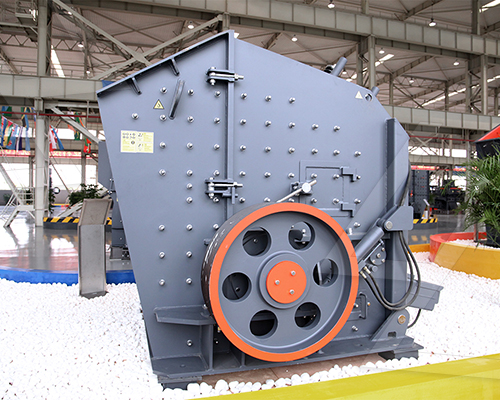
- Predictable Wear Life: Engineered wear parts with documented MTBF (Mean Time Between Failures) enable precise maintenance scheduling, reducing unplanned downtime.
- Energy Efficiency: HPGR and vertical roller mills can offer 20-30% lower energy consumption per ton compared to traditional ball mill circuits for equivalent fineness.
- Process Stability: Integrated automation controls feed rates, crusher settings, and classifier speed to maintain particle size within a ±2% tolerance band, irrespective of minor feed variations.
- Product Purity: The systematic exclusion of contamination sources ensures the final ground dolomite meets stringent purity standards for glass, steel, and pharmaceutical applications.
Equipment must be certified to international mechanical and electrical safety standards (CE, ISO 9001). The production line's design is validated through ore testing and circuit simulation software to guarantee performance metrics before fabrication begins.
Energy-Saving Design: Reducing Operational Costs with Optimized Workflow Integration
Energy efficiency in a dolomite production line is not an ancillary feature but a core design principle derived from the precise integration of high-wear components, material science, and systemic workflow optimization. The primary energy consumer is the comminution circuit, where inefficiencies directly translate to excessive operational costs. An optimized design targets every stage, from primary reduction to final classification, to minimize specific energy consumption (kWh/ton) while maintaining target throughput and product specifications.
Core Design Principles for Energy Reduction
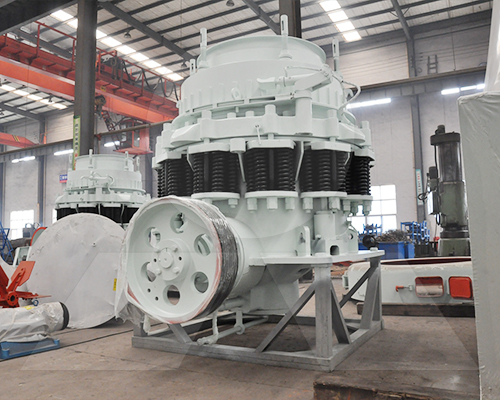
- High-Efficiency, Load-Adaptive Crushing: Primary jaw crushers and secondary cone/impact crushers are selected and configured based on the feed size, compressive strength (typically 100-250 MPa for dolomite), and required reduction ratio. The use of hydraulic adjustment and overload protection systems allows for optimal cavity geometry and automatic response to tramp metal or uncrushables, preventing blockages and reducing idle running energy.
- Optimized Grinding Circuit Dynamics: In the milling stage, where energy consumption peaks, the integration of advanced classifier technology is critical. High-efficiency dynamic separators or air classifiers are used in closed-circuit with ball mills or vertical roller mills (VRMs) to ensure only material meeting the target fineness proceeds. This prevents over-grinding—a significant source of wasted energy.
- Intelligent Material Handling & System Synchronization: Conveyor systems employ variable frequency drives (VFDs) synchronized with feeder and crusher discharge rates. This eliminates the energy waste of running empty or fully loaded conveyors at fixed speeds. Dust collection points are strategically placed and sized to maintain airflow efficiency without over-extraction.
- Material Science in Wear Part Engineering: The abrasiveness of dolomite demands wear components that maintain geometric integrity. The use of premium alloy steels (e.g., high-chromium white iron for blow bars, Mn-steel for jaw plates) specified to ASTM or equivalent standards ensures longer service life and consistent crusher chamber geometry. This maintains optimal crushing kinematics and prevents gradual efficiency loss due to wear.
Technical Implementation & Standards
All integrated equipment, from crushers and screens to mills and classifiers, must conform to international mechanical and electrical safety standards (e.g., CE, ISO). Electrical systems are designed for high power factor correction and utilize high-efficiency (IE3/IE4) motors. Control systems provide real-time monitoring of amperage, vibration, and temperature, allowing for predictive maintenance and operation at the system's peak efficiency point.
Operational Parameters & Adaptability
A well-engineered energy-saving design is not a one-size-fits-all solution. It is calibrated to the project's specific parameters, which dictates equipment selection and flow sheet configuration.
| Design Parameter | Consideration for Energy Efficiency | Typical Specification Range |
|---|---|---|
| Feed Size & Hardness | Dictates primary crusher type & power rating. Harder, larger feed requires more robust, optimally configured crushing. | Feed: 0-1000mm; Compressive Strength: 100-250 MPa |
| Target Capacity (TPH) | Determines the scale and number of process streams. Systems are designed to run at 80-95% of rated capacity for peak efficiency. | 50 - 1000+ TPH, configured in single or parallel lines. |
| Final Product Specification | Required size distribution dictates the comminution circuit complexity and classifier efficiency. | 0-3mm, 0-10mm, or other specified gradations. |
| Moisture Content | High moisture may require pre-drying or impact crusher selection over a cone crusher to prevent clogging and associated energy waste. | Typically <5% for efficient dry processing. |
The ultimate outcome is a production line where mechanical, electrical, and control systems function as a cohesive unit. This integrated workflow minimizes energy peaks, reduces mechanical stress, and delivers a lower cost per ton over the lifecycle of the operation, providing a definitive competitive advantage in dolomite processing.
Robust Construction for Harsh Environments: Durable Components That Minimize Downtime
Dolomite mining and processing subjects equipment to extreme abrasion, high-impact loads, and continuous stress. Robust construction is therefore non-negotiable for maintaining throughput and operational continuity. This is achieved through a deliberate engineering philosophy focused on material selection, design integrity, and component interchangeability.
Core Material Specifications & Engineering Standards
- Primary Crushing & High-Abrasion Zones: Critical wear parts like jaw plates, cone mantles, and impact hammers are cast from modified High Manganese Steel (Mn14, Mn18) and High-Chromium Iron Alloys (Cr26, Cr28). These materials work-harden under impact, developing a surface hardness exceeding 550 HB while retaining a tough, shock-absorbing core.
- Structural Fabrication: Main frames, hoppers, and conveyor chassis are constructed from S355JR/AR-grade steel plate, with critical stress points reinforced using ribbed design and full-penetration welds. All structural welding follows ISO 3834 and EN 1090 standards, with mandatory NDT (Non-Destructive Testing) on primary load-bearing seams.
- Component Standardization: Bearings, seals, and drive components adhere to ISO dimensions (e.g., SKF, FAG series). This ensures global availability, reduces spare part inventory complexity, and slashes mean time to repair (MTTR).
Functional Advantages of the Design
- Adaptability to Ore Variability: Components are designed with a safety factor that accommodates fluctuations in feed size, hardness (up to 7 Mohs), and silica content without compromising structural life.
- Modular Wear Part Design: Liners and wear plates utilize a modular, bolted-in system. This allows for sectional replacement during scheduled maintenance, avoiding full-component changeouts and extending the service life of backing structures.
- Sealed & Protected Drives: All power transmission units (gearboxes, motors) are housed in protective enclosures with positive-pressure air purgers or labyrinth seals to exclude dolomite dust, a primary cause of bearing failure.
- Corrosion-Inhibiting Finishes: After abrasive blasting to SA 2.5 standard, structural components receive a multi-layer epoxy-primer and polyurethane top-coat system for corrosion protection in humid or saline environments.
Technical Parameters for Critical Wear Components
The following table outlines standard specifications for key consumable parts, illustrating the direct link between material choice and operational expectancy in a 500-800 TPH capacity line processing dolomite with a compressive strength of 150-200 MPa.
| Component | Typical Application | Standard Material Grade | Nominal Hardness (HB) | Expected Service Life* (Hours) |
|---|---|---|---|---|
| Jaw Crusher Fixed/Moving Plate | Primary Crushing | Modified Mn18Cr2 | 220-280 (as cast) | 4,500 - 6,500 |
| Cone Crusher Mantle & Concave | Secondary/Tertiary Crushing | High-Cr Martensitic Iron (Cr26) | 58-62 HRC | 3,000 - 4,500 |
| Impact Crusher Blow Bar | Tertiary/Shape Crushing | Ceramic Composite / High-Cr Alloy | 62+ HRC | 1,800 - 2,800 |
| Vibrating Screen Deck Panel | Sizing & Classification | PU / Rubber with AR Steel Insert | 55-65 Shore A / 400 HB | 2,000 - 3,500 |
| Conveyor Skirtboard Rubber | Transfer Point Abrasion | RMA Grade II, 95 Shore A | 95 Shore A | 8,000 - 12,000 |
*Service life estimates are based on continuous operation with dolomite feed containing <8% abrasive silica. Actual life is contingent on specific feed characteristics and operational TPH.
The ultimate measure of robustness is total cost of ownership. By specifying premium materials at wear points and adhering to heavy-duty fabrication standards, unscheduled stoppages are minimized. This engineering approach directly translates to predictable maintenance cycles and sustained production volumes, even under the most demanding feed conditions.
Comprehensive Technical Specifications: Customizable Configurations to Meet Your Specific Needs
Core Processing Unit: Primary & Secondary Crushing
The initial reduction stage is critical for downstream efficiency. Configurations are engineered based on feed size analysis and target product gradation.
- Primary Jaw Crusher: Fabricated from high-grade manganese steel (Mn14Cr2, Mn18Cr2) for exceptional abrasion resistance against raw, abrasive dolomite. Heavy-duty roller bearings and a robust frame ensure stability under high cyclic loading.
- Secondary Impact Crusher or Cone Crusher: Selection depends on silica content and desired grain shape. For higher SiO₂ content and a cubicle product, an impact crusher with interchangeable wear parts is specified. For consistent, finer reduction with lower wear costs, a hydraulic cone crusher with automated setting regulation is deployed.
Material Classification & Sizing: Screening Systems
Precise separation is achieved via heavy-duty vibrating screens configured for specific cut points and capacity.
| Parameter | Typical Specification Range | Notes |
|---|---|---|
| Deck Configuration | 2 or 3 decks | Based on required product fractions. |
| Screen Media | High-tensile steel wire, polyurethane panels | Chosen for wear life and anti-blinding properties. |
| Drive Mechanism | Dual eccentric shaft, vibrator motor | Selected for amplitude and G-force appropriate for material bulk density. |
| Inclination | 15° - 25° | Adjustable for optimal material travel and efficiency. |
Fine Grinding & Powder Processing: Grinding Mills
For applications requiring fine powder (80-400 mesh), mill selection is paramount. Raymond Mills (Vertical Roller Mills) and Ball Mills are offered based on fineness and moisture requirements.
- Grinding Rollers & Rings: Manufactured from alloyed steels (e.g., 65Mn, 9CrSi) for extended service life in abrasive environments.
- Classifier Integration: Integrated dynamic or static classifiers allow for real-time adjustment of product fineness without stopping the mill.
- System Sealing: Labyrinth seals and negative pressure operation minimize dust emission and improve recovery.
Material Handling & System Integration
- Feeders: Apron feeders for primary run-of-mine material; vibrating grizzly feeders for pre-screening and fines removal.
- Conveyors: Belt conveyors with impact-resistant idlers, scrapers, and dust skirts. Belt grades (e.g., DIN 22102) are selected for tensile strength and abrasion resistance.
- Dust Collection: Pulse-jet baghouse filters with automated cleaning cycles, designed to meet local particulate emission standards (< 20 mg/Nm³ typical).
Control & Automation
A centralized PLC-based control system provides:
- Sequential start/stop with interlocking for equipment protection.
- Real-time monitoring of motor loads, bearing temperatures, and vibration.
- Touchscreen HMI for operational parameter adjustment and fault diagnosis.
Structural & Compliance Specifications
- Structural Steel: Main frames and supports use S355JR grade steel, with shot blasting and multi-layer epoxy painting for corrosion protection.
- Electrical Components: Motors, starters, and switchgear conform to IEC standards, with optional ATEX certification for zones with dust explosion potential.
- Overall Compliance: Machinery is designed and manufactured in accordance with relevant ISO standards and carries CE marking, affirming conformity with EU health, safety, and environmental directives.
Proven Reliability and Support: Backed by Industry Expertise and Global Service Network
Our engineering philosophy is predicated on delivering systems with deterministic performance and minimized lifecycle cost. This is achieved through a foundation of metallurgical precision, adherence to rigorous international standards, and a support infrastructure designed for the mining sector's demanding operational cadence.
Engineering for Deterministic Wear Life & Uptime
The primary failure modes in dolomite processing—abrasion and impact—are addressed at the material level. We specify and fabricate critical wear components from purpose-selected alloys, moving beyond generic "high manganese steel" to application-specific grades.
- Primary Crushing Zones: Jaws, concaves, and mantles utilize modified Mn-steel alloys (e.g., ASTM A128 Grade B4) with optimized heat treatment for a balance of surface hardness and core toughness, resisting deformation under high compressive forces.
- Secondary/Tertiary & Fine Crushing: High-chrome white iron (HCWI) blow bars, impact plates, and cone crusher liners offer superior abrasion resistance for processing hard, abrasive dolomite (Mohs 3.5-4). Martensitic steel alloys are deployed where impact resistance is the dominant concern.
- Material Flow & Conveying: Chute liners, skirtboards, and hopper wear plates employ ceramic-embedded steel or replaceable AR400/500 steel panels to eliminate material adherence and streamline maintenance.
Certified Design & Manufacturing Integrity
Every system component, from structural fabrications to rotating assemblies, is engineered and documented to meet or exceed recognized international benchmarks. This provides a verifiable baseline for safety, performance, and interoperability.
- Structural & Mechanical Design: CE Marking (compliance with EU Machinery Directive 2006/42/EC) and ISO 12100 for risk assessment. Designs are validated per FEM 1.001, ISO 5049, and other relevant standards for mobile and stationary equipment.
- Quality Management: Full traceability of materials and components is maintained under our ISO 9001:2015 certified quality management system.
- Electrical & Control Systems: Panels are built to IEC/EN 60204-1 standards, with PLC and drive systems from global tier-one suppliers (e.g., Siemens, Allen-Bradley) for reliability and global serviceability.
Mining-Specific Performance Parameters
Our systems are not generic aggregates solutions but are configured for the specific density, abrasiveness, and size reduction curve of dolomite deposits.
| System Module | Key Performance & Configuration Consideration | Typical Range for Dolomite Applications |
|---|---|---|
| Primary Crushing Station | Feed size acceptance, CSS (Closed Side Setting), drive power, and discharge configuration for downstream handling. | Capacity: 200 - 2,500 TPH |
| Secondary/Tertiary Circuit | Crusher type (Cone/Impact), cavity profile, and automation settings (ASRi/IC) for consistent product gradation. | Product Size: 20mm - 150mm |
| Screening & Classification | Screen deck configuration (wire mesh, polyurethane, rubber), vibration dynamics, and moisture handling. | Separation Efficiency: >92% |
| Material Handling | Conveyor idler class (CEMA C/D/E), belt rating, and transfer point design to minimize degradation and dust. | Incline Angles: ≤18° for standard belts |
Global Lifecycle Support Network
Operational reliability extends beyond commissioning. Our global service protocol is structured to maximize your plant's availability.
- Preventive Maintenance Planning: We provide OEM-recommended schedules for lubrication, wear part inspection, and mechanical alignment, integrated with your CMMS.
- Strategic Parts Inventory: A global network of warehousing for critical wear parts and mechanical assemblies ensures reduced lead times. Our proprietary parts management software enables predictive inventory planning.
- Field Service & Remote Diagnostics: Certified engineers provide on-site installation supervision, commissioning, and major overhaul support. Remote monitoring capabilities allow for real-time performance analysis and troubleshooting.
- Process Optimization Audits: Periodic site audits by our process engineers to review throughput, yield, and energy consumption, recommending adjustments to circuit configuration or operational parameters for improved efficiency.
Frequently Asked Questions
How often should wear parts be replaced in a dolomite crushing line?
For primary crushers like jaw plates, expect 1,800-2,200 hours with ZGMn13-4 high-manganese steel. Secondary cone crusher mantles last 800-1,200 hours. Monitor wear via laser scanning. Hardfacing with chromium carbide overlay can extend life by 30% in high-abrasion zones. Schedule replacements based on throughput drop, not just runtime.
Can your production line handle dolomite with varying Mohs hardness (3.5-4.5)?
Yes. Our lines feature hydraulic adjustment on cone crushers for real-time CSS tuning and VFD-controlled feeders to regulate feed size. For harder variants (≈4.5), we implement multi-layered cavity designs and recommend tungsten carbide tip hammers in impact crushers. This maintains consistent product size and protects downstream equipment.
What vibration control measures are critical for dolomite grinding mills?
Isolate mill foundations with rubber-steel composite pads. Dynamically balance the rotating assembly to ISO 1940 G2.5 standard. Use real-time vibration sensors (e.g., SKF or Schaeffler) on main bearings with automatic shutdown at 8-10 mm/s. Ensure proper alignment of motor and pinion via laser tools during installation.
What are the lubrication requirements for a high-output dolomite production line?
Use ISO VG 320 extreme pressure gear oil for crusher gears and synthetic grease (NLGI 2) with moly disulfide for bearings. Implement centralized, automated lubrication systems with flow monitors. Maintain oil temperature below 55°C via air or water coolers. Filter oil to 10-micron cleanliness, sampling quarterly for wear particle analysis.
How is dust suppression engineered in your dolomite processing plants?
We integrate dry fog systems at transfer points, using 40-50 micron water droplets for effective agglomeration. Enclose conveyors and implement baghouse filters with PTFE membrane bags for final collection. Design negative pressure in crushing chambers. Water spray pressure is precisely calibrated to material moisture to avoid over-wetting.
How do you ensure energy efficiency in dolomite grinding circuits?
Optimize with high-pressure grinding rolls (HPGR) for pre-crushing to reduce Bond Work Index. Use cyclones with ceramic liners for classification and high-efficiency motors (IE4) on ball mills. Implement variable frequency drives on all major fans and pumps. Recover heat from mill bearings for facility heating.