Nestled within the dynamic industrial landscape of the Philippines lies a fundamental yet transformative mineral: ground calcium carbonate (GCC). More than just a powder, this versatile material, derived from the nation's abundant limestone resources, serves as a critical backbone for economic growth and innovation. From enhancing the strength and brightness of paper and plastics to optimizing agricultural yields and pharmaceutical formulations, GCC is an unsung hero in countless manufacturing processes. As the Philippines continues to advance its industrial and infrastructure sectors, the strategic importance of a reliable, high-quality GCC supply chain becomes ever more apparent. This exploration delves into the production, applications, and pivotal role of this essential mineral in shaping a more resilient and competitive Philippine economy.
Enhancing Material Performance with Premium Ground Calcium Carbonate in the Philippines
Premium ground calcium carbonate (GCC) functions as a high-performance functional filler and additive, fundamentally altering the physical and chemical properties of composite materials. Its efficacy is determined by strict control over particle size distribution (PSD), morphology, surface chemistry, and brightness. In the Philippines, sourcing from deposits with consistent mineralogy and advanced processing is critical for industrial applications demanding predictable performance under stress.
Key Functional Advantages in Composite Systems:
- Mechanical Reinforcement: Precisely engineered GCC particles act as a reinforcing phase within polymer matrices. Optimal PSD increases tensile and flexural modulus, while improving dimensional stability and heat deflection temperature (HDT). In elastomers, it enhances tear strength and abrasion resistance.
- Rheological Control: GCC modifies viscosity and flow characteristics. In adhesives, sealants, and plastisols, it prevents sag and controls slump. In polymer extrusion, it improves melt strength and processability.
- Optical Properties: High-brightness (>90 GE), low-yellowness index GCC is essential for achieving true whites and maximizing opacity in masterbatch, paints, and coatings. It acts as a spacer between TiO2 particles, improving pigment efficiency and reducing formulation costs.
- Chemical Inertness & Stability: GCC is non-reactive, providing excellent weathering, UV resistance, and pH buffering capacity. This ensures long-term stability in outdoor applications and prevents degradation in sensitive polymer systems.
- Cost-Performance Optimization: As an extender, GCC increases bulk and improves properties at a significantly lower cost than primary resin, enhancing the economic profile of compounds without sacrificing critical performance metrics.
Technical Specifications for Demanding Applications:
Performance is tied to measurable parameters. Philippine-sourced premium GCC must meet international standards for traceability and consistency.
| Parameter | Standard / Grade | Significance for Performance |
|---|---|---|
| Top Cut (d97) | 2µm, 5µm, 10µm, 15µm | Determines surface finish, impact strength, and viscosity. Finer grades for high-gloss coatings; coarser for impact modification. |
| Brightness (ISO) | >90%, >92%, >95% | Critical for color-critical applications in plastics, paints, and paper. Directly influences product aesthetics. |
| Oil Absorption | 15-25 g/100g | Indicator of surface area and coating demand. Lower absorption improves resin wetting and reduces VOC in coatings. |
| Moisture Content | <0.2% max | Essential for preventing voids and steam formation during high-temperature polymer processing (e.g., injection molding). |
| Chemical Purity (CaCO3) | >98.5% | Ensures predictability and prevents catalytic degradation from impurities in polymers. |
Mining & Processing USP for Philippine Operations:
The geological consistency of Philippine limestone sources allows for targeted production. Advanced processing, including multi-stage classification and surface modification (with stearic acid or titanates), tailors GCC for specific interfacial adhesion requirements. Operations with high TPH (tons per hour) capacity and the capability to process ore with variable hardness (Mohs 3-4) demonstrate a critical supply chain advantage, ensuring grade consistency across large production runs for sectors like PVC pipe, wire & cable, and automotive parts manufacturing.
Optimizing Cost and Quality: The Strategic Advantages of Our Local Sourcing
Local sourcing of ground calcium carbonate (GCC) from Philippine deposits is not a logistical convenience but a core strategic lever for optimizing both total cost and final product quality. This approach directly impacts material integrity, supply chain resilience, and process efficiency in a way imported fillers cannot match.
Material Integrity and Geological Consistency
Philippine GCC is primarily derived from high-purity limestone formations. Localized sourcing ensures batch-to-batch consistency in crystalline structure (calcite) and inherent material properties. This geological consistency is critical for predictable performance in downstream applications, affecting key parameters such as:
- Brightness and Whiteness Index: Consistent mineralogy minimizes undesirable tinting elements.
- Chemical Purity (CaCO3 Content): Direct oversight from mine to mill ensures adherence to strict purity specifications (typically >98.5%).
- Intrinsic Hardness: Knowledge of the specific ore body (typically 3 on the Mohs scale) allows for precise calibration of comminution equipment to achieve target particle size distributions without introducing excessive wear or contamination.
Technical and Operational Advantages
Sourcing and processing within the same geographical region eliminates variables that degrade quality and inflate cost. The operational control afforded by a fully integrated local chain provides distinct engineering benefits.
- Controlled Comminution Circuit: Processing plants are engineered for the specific hardness and abrasiveness of the local ore. This allows for optimal selection of grinding media (e.g., high-chromium or alumina ceramic-lined mills) and classifier systems to achieve target micron ranges (from coarse 45-micron fillers to 2-micron ultrafine powders) with maximum energy efficiency.
- Reduced Contamination Risk: Eliminating long-distance transport and multiple handling points minimizes the risk of ferrous contamination (critical for plastics and paper) and moisture absorption, which can affect flowability and dispersion.
- Adaptive Mining & Beneficiation: Direct linkage between the quarry face and the processing plant enables real-time adaptation. Overburden removal, selective mining of high-purity benches, and dry or wet beneficiation processes are tuned to the specific deposit, ensuring feed stock consistency for the grinding circuit.
Supply Chain and Cost Engineering
The financial rationale extends far beyond freight savings. Local sourcing de-risks the supply chain and introduces significant cost predictability.
| Cost Factor | Imported GCC | Locally Sourced GCC (Philippines) |
|---|---|---|
| Logistical Volatility | High exposure to international freight fluctuations, port delays, and currency exchange risks. | Negligible. Primarily fixed-cost inland logistics with short, predictable lead times. |
| Inventory Carrying Cost | High safety stock required to buffer against 4-8 week shipping variability. | Dramatically reduced. Just-in-time delivery models are feasible, lowering capital tied up in inventory. |
| Technical Response Time | Weeks for sample analysis, specification adjustment, or quality issue resolution. | Days. Direct access to quarry and plant technical teams enables rapid root-cause analysis and process correction. |
| Customization Agility | Limited. Orders often constrained by standard grades from bulk overseas production. | High. Ability to commission short runs of custom particle size distributions (PSD) or surface-treated grades for specific customer R&D or production needs. |
Quality Assurance and Compliance
A shortened, transparent supply chain enhances quality control. From the primary crusher to the final bagging station, every unit process is managed under a single quality management system, typically certified to ISO 9001. This allows for:
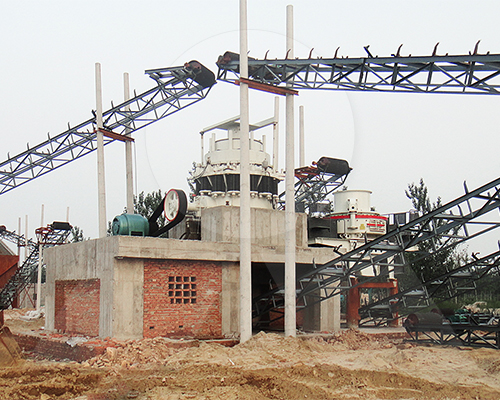
- In-process Quality Control (IPQC): Real-time monitoring of key parameters (moisture, top-cut, Hegman grind) with immediate feedback loops to mill operators.
- Traceability: Full lot traceability back to the specific quarry bench, providing unparalleled data for quality audits and continuous process improvement.
- Certification Alignment: Streamlined production of certified mill test reports (CMTRs) and consistent compliance with international standards (ISO, ASTM, JIS) as required by export-oriented industries like automotive plastics, PVC piping, and premium paint formulations.
Ultimately, local GCC sourcing transforms a commodity input into a stable, high-performance engineering material. It provides manufacturers with a predictable foundation for their own processes, reducing hidden costs of quality variance and supply disruption while enabling closer collaboration on advanced material solutions.
Tailored Solutions for Diverse Industrial Applications in the Philippine Market
Ground calcium carbonate (GCC) is not a commodity but a performance-engineered material. Its efficacy is dictated by precise particle size distribution (PSD), brightness, and chemical purity, which must be aligned with the specific rheological and functional demands of each industry. In the Philippine market, successful application hinges on sourcing GCC from deposits with consistent mineralogy and processing it with technology capable of delivering exacting specifications.
Key Technical Parameters Defining GCC Performance:
- Particle Size Distribution (PSD): Measured via laser diffraction (ISO 13320), PSD controls opacity, viscosity, and reinforcement. A tight, mono-modal distribution is critical for high-gloss paints and plastics, while a broader range may be specified for paper filling.
- Top Cut (d98): The maximum particle size, critical for avoiding surface defects in thin films and coatings.
- Brightness & Whiteness (ISO 2469/2470): Measured on the ISO scale, dependent on low iron oxide and manganese content in the ore.
- Surface Treatment: Stearic acid or titanate coupling agents modify GCC from hydrophilic to hydrophobic, ensuring compatibility with polymer matrices and improving dispersion strength.
Application-Specific Engineering:
1. Plastics & Polymer Masterbatch (PVC, PP, PE)
GCC functions as a cost-effective filler and performance modifier. The focus is on high loading capacity without compromising mechanical properties.
- Functional Advantages:
- Increased Stiffness & Heat Deflection Temperature: Surface-treated GCC with sub-micron particles enhances composite rigidity.
- Improved Impact Modification: When used in conjunction with impact modifiers, specific GCC grades can contribute to a favorable stiffness-toughness balance.
- Dimensional Stability & Warp Reduction: Low moisture absorption and uniform dispersion minimize part deformation.
- Material Specification: High-purity (>98.5% CaCO3), surface-treated grades with controlled PSD (typically d50 = 2-10 µm). Low abrasion (MoHS hardness ~3) is essential to protect processing equipment.
2. Paints, Coatings, & Inks
GCC is a primary extender pigment, influencing sheen, durability, and scrub resistance. The choice between dry-ground and wet-ground, ultra-fine GCC is application-dependent.
- Functional Advantages:
- TiO2 Extension & Opacity Optimization: Optimal spacing of TiO2 particles by correctly sized GCC particles improves scattering efficiency, reducing formulation cost.
- Sheen Control: Finer grades (d97 < 2 µm) promote gloss; coarser grades contribute to flat and matte finishes.
- Improved Film Integrity & Stain Resistance: Inert GCC enhances film cohesion and chemical resistance.
- Material Specification: High brightness (>92 ISO), low residue on 45µm sieve. For architectural paints, pH stability (8-9.5) and compatibility with dispersants are mandatory.
3. Paper & Board
GCC serves as a filler and coating pigment, improving printability, brightness, and opacity. The shift to alkaline papermaking has driven GCC demand.
- Functional Advantages:
- Enhanced Printability & Ink Holdout: Coating grades provide a smooth, porous surface for sharp print detail.
- Improved Bulk & Brightness: Filler grades increase sheet brightness and light scattering more efficiently than kaolin.
- Cost-Effective Fiber Substitution: High-loading filler grades reduce pulp consumption.
- Material Specification:
- Filler Grade: d50 = 1.5-3.0 µm, >90 ISO brightness.
- Coating Grade (Slurry): d98 < 2 µm, narrow PSD, >92 ISO brightness, high solids content (>75%) for transport efficiency.
4. Construction (Sealants, Adhesives, Concrete, Drymix)
GCC impacts workability, mechanical strength, and water resistance. Coarser, untreated grades are common.
- Functional Advantages:
- Rheology Control: Influences viscosity, sag resistance, and tooling properties in mastics and sealants.
- Reinforcement & Crack Reduction: In cementitious systems, it can contribute to denser microstructures.
- Cost-Effective Volume Filler: Provides body and reduces shrinkage.
- Material Specification: Broad PSD, high chemical purity to avoid setting interference. Controlled carbonate content ensures predictable reactivity.
Philippine-Specific Supply Chain & Technical Considerations:
Local GCC production must address unique market and geological factors to ensure reliability.
| Consideration | Technical Implication | Engineering Response |
|---|---|---|
| Ore Hardness & Crystallography | Variable calcite/marble deposits affect mill wear, throughput, and particle shape. | Mill liners and grinding media selection based on ore abrasion index (Ai). Classifier technology (e.g., high-efficiency air classifiers) to achieve target PSD despite feed variance. |
| Throughput & Consistency | Meeting demand for high-volume industries like paper and plastics requires stable, large-scale production. | Plant design based on proven TPH (tons per hour) capacity with redundant systems. Implementation of Process Control Systems (PCS) with real-time PSD monitoring (e.g., laser diffraction in-line) to maintain batch-to-batch consistency. |
| Logistics & Product Form | Archipelagic geography favors slurry transport for coastal industries and bagged/bulk dry product for others. | Integrated slurry production with dedicated port facilities to reduce cost for large-volume users. Flexible packaging (MVS, jumbo bags) and dedicated bulk trucks for dry product. |
| Technical Service & Adaptation | Formulators require localized support for optimal GCC integration. | On-site technical service for particle size analysis and formulation troubleshooting. Capability to produce custom surface-treated grades for niche polymer applications. |
The cornerstone of a robust Philippine GCC supply is a vertically integrated operation—from mining ore with consistent chemistry to processing with closed-loop quality control. This ensures the material not only meets international standards (ISO 9001, ISO 14001) but is precisely engineered for the performance requirements of local industries, providing a reliable alternative to imported functional fillers.
Technical Specifications: Ensuring Consistency and Purity for Superior Results
The performance of ground calcium carbonate (GCC) is a direct function of its physical and chemical specifications. Inconsistent material leads to process inefficiency, product defects, and increased costs for downstream industries. Superior results are engineered through rigorous control from quarry to final micronization, adhering to international standards and leveraging advanced comminution technology.
Core Technical Parameters & Control
Control is maintained across these non-negotiable parameters:
- Chemical Purity (CaCO₃ Content): High-grade Philippine limestone deposits yield GCC with >98.5% CaCO₃ content. Impurity profiles (MgO, SiO₂, Al₂O₃, Fe₂O₃) are meticulously monitored via XRF analysis to ensure batch-to-batch consistency for sensitive applications like pharmaceuticals, food, and high-gloss paints.
- Particle Size Distribution (PSD): PSD, not just average particle size (d50), defines performance. Modern laser diffraction analyzers ensure tight control over the full distribution curve. A steep, narrow curve indicates a uniform product critical for viscosity management in polymers and paper coating.
- Brightness & Whiteness (ISO 2470): Dry brightness levels of 90-96% GE are achievable with proper beneficiation. This is a function of both inherent ore chemistry and the elimination of contaminating iron during grinding, often through the use of ceramic or specialized alloy grinding media.
- Top Cut & Residual Grit: For fine and ultra-fine grades, the percentage of particles above a specified micron threshold (e.g., >45μm or >10μm) is minimized to prevent surface defects in films, coatings, and plastics.
Engineering for Consistency: Plant & Process Specifications
Consistency is manufactured. It requires a processing plant designed with material science and robust engineering at its core.
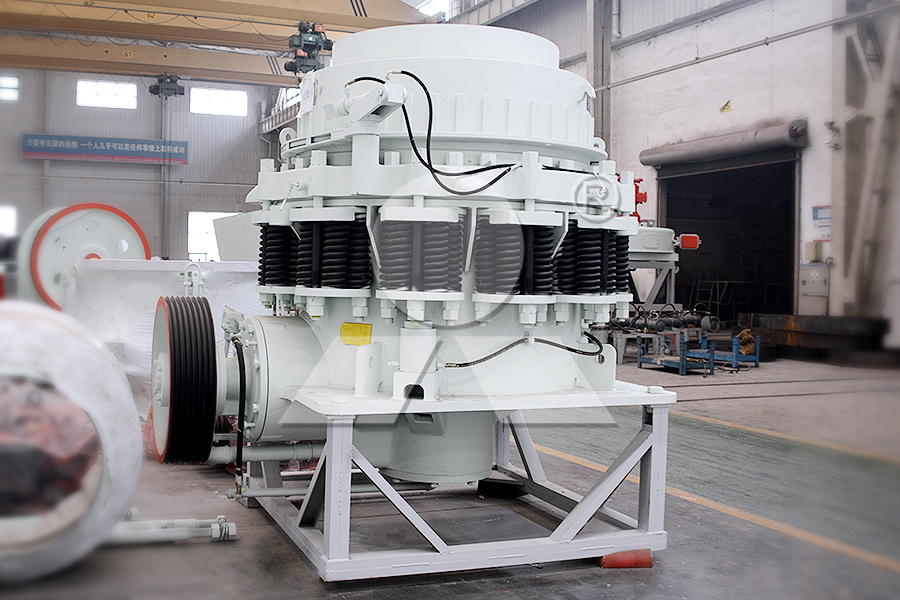
- Comminution Circuit Design: A multi-stage system (primary crushing, secondary crushing, milling, classification) allows for precise PSD targeting. Key components include:
- Grinding Mills: Vertical roller mills (VRM) or ball mills lined with high-alumina ceramic or Ni-Hard alloy for contamination-free grinding and wear resistance.
- Air Classifiers: Integrated, high-efficiency dynamic classifiers enable real-time PSD adjustment and recirculation of oversize material, ensuring 100% of output meets spec.
- Material Handling & Wear Protection: To prevent metallic contamination, transfer chutes, cyclones, and piping in contact with product are lined with abrasion-resistant materials like AR400 steel or polyurethane. Magnetic separators are installed at multiple stages.
- Capacity & Scalability: Plant throughput (e.g., 5-50 TPH for fine GCC lines) is engineered with headroom to maintain specification stability under continuous demand, supported by sufficient raw material stockpiling of homogenized ore.
Functional Advantages of Specification-Rigorous GCC
- Predictable Rheology: Controlled PSD and surface chemistry deliver consistent viscosity and flow behavior in sealants, adhesives, and polymer masterbatches.
- Enhanced Composite Properties: Uniform particle packing increases loading capacity while maintaining or improving impact strength and tensile modulus in PVC, PP, and composites.
- Optical Performance: High brightness and low grit ensure superior opacity and gloss in paper coatings and paints without damaging application equipment.
- Process Stability: Reduced variability in chemical composition minimizes corrective adjustments in customer production lines, enhancing overall manufacturing efficiency.
Standards & Certification
Premium GCC producers operate within frameworks that guarantee traceability and reliability:
- ISO 9001: Quality Management Systems.
- ISO 14001: Environmental Management Systems.
- Relevant Industry Standards: Compliance with ISO 3262 (extenders for paints), USP/EP/JP (pharmaceutical grades), and FDA 21 CFR (food contact) where applicable.
Typical Technical Data Sheet Parameters
The following table outlines key specifications for standard GCC product grades, illustrating the granularity of control.
| Parameter | Standard Filler Grade (10-15µm) | Fine Paper Coating Grade (2µm) | Ultra-Fine Specialty Grade (0.7µm) | Test Method |
|---|---|---|---|---|
| CaCO₃ Content | > 98.5 % | > 98.5 % | > 99.0 % | XRF / Titration |
| d50 Particle Size | 10 - 15 µm | 2.0 µm | 0.7 µm | Laser Diffraction |
| d97 Top Cut | < 45 µm | < 10 µm | < 5 µm | Laser Diffraction |
| Brightness (ISO) | 90 - 92 % GE | 94 - 96 % GE | 95 - 96 % GE | ISO 2470-1 |
| Oil Absorption | 18 - 22 g/100g | 14 - 18 g/100g | 12 - 16 g/100g | ISO 787-5 |
| Moisture Content | < 0.2 % | < 0.2 % | < 0.2 % | ISO 787-2 |
| Specific Gravity | 2.70 - 2.71 | 2.70 - 2.71 | 2.70 - 2.71 | Pycnometer |
Trusted by Philippine Industries: Proven Reliability and Expert Support
Our engineered solutions are built to withstand the demanding conditions of Philippine mining and processing. The core reliability stems from material science and precision engineering, not generic components. Critical wear parts in crushing and classification circuits are fabricated from high-chrome alloys or manganese steel, selected for their specific work-hardening properties and impact resistance against abrasive calcium carbonate ore. This material specificity directly translates to lower lifetime operating costs and sustained product consistency.
Functional advantages delivered to operations include:
- Adaptive Comminution: Mill and classifier configurations are optimized for local ore variations—managing differences in hardness (Mohs 3), moisture content, and feed size—to maintain target micronization curves and throughput.
- Throughput & Efficiency: System designs prioritize stable, high-capacity operation (TPH) with integrated energy recovery and dust management systems, ensuring production quotas are met within projected power budgets.
- Quality Infrastructure: On-site technical support is grounded in process engineering, capable of real-time adjustment of air classifiers, cyclone arrays, and baghouse operations to hold final product specifications within tight tolerances for brightness, particle size distribution (PSD), and top-cut.
- Standards Compliance: Equipment manufacturing and system assembly adhere to international mechanical and safety standards (ISO, CE, ASME), with documentation packages supporting local regulatory compliance and operator training.
The following table outlines key technical parameters for standard system modules, illustrating the engineered capacity for Philippine industrial requirements.
| System Module | Primary Function | Key Technical Parameter | Operational Benefit |
|---|---|---|---|
| Primary Jaw Crusher | Initial size reduction of quarry rock. | Feed Opening: 750x500 mm; Crushing Capacity: 50-80 TPH | Handles variable feed from shot rock, providing stable feed to grinding circuit. |
| Vertical Roller Mill | Fine grinding & drying of feedstock. | Grinding Capacity: 10-25 TPH (varies by fineness); Motor Power: 315-500 kW | Integrated drying for moist feed; precise control over PSD for coated/filler grades. |
| Air Classifier | Particle size separation & cut-point control. | Classification Sharpness (k-value): < 1.3; Top Size Control: d97 from 10-150 µm | Ensures precise top-cut and narrow distribution critical for paper, paint, and plastic applications. |
| Pneumatic Conveying | Product transport to storage/silo. | Conveying Capacity: 20 TPH; System Pressure: < 1 bar | Fully enclosed system prevents contamination and moisture ingress, preserving product quality. |
Expert support is structured around lifecycle asset management. This begins with ore characterization and flowsheet development, continues through installation and commissioning with performance guarantee protocols, and extends into long-term maintenance planning with dedicated local technical personnel. The objective is to transform raw calcium carbonate into a precisely defined industrial material with batch-to-batch consistency that meets the stringent specifications of Philippine manufacturers in plastics, paints, adhesives, sealants, and paper.
Frequently Asked Questions
What is the optimal wear parts replacement cycle for GCC grinding mills in the Philippines?
For Raymond mills processing GCC (Mohs ~3), inspect high-manganese steel grinding rolls/rings every 800-1,000 hours. In humid climates, schedule downtime proactively. Use ultrasonic thickness testing to monitor wear, not just runtime, to prevent catastrophic failure and unplanned stoppages.
How do I adapt machinery for varying GCC ore hardness and silica content?
Adjust classifier speed and grinding pressure based on real-time particle size analysis. For abrasive silica, specify ZGMn13Cr2 alloy for wear plates. Install a pre-screening scalper to remove +5mm contaminants, protecting the main mill from excessive shock loads and abrasive wear.
What are critical vibration control points in a GCC crushing plant?
Monitor primary jaw crusher foundation bolts and main shaft bearings monthly. Imbalance in hammer mill rotors is a primary culprit. Use wireless vibration sensors on motor bearings and crusher housings, setting alarms at 4.5 mm/s RMS to schedule precision balancing before failure.
What specialized lubrication is required for GCC processing equipment in tropical climates?
Use synthetic, moisture-resistant greases (NLGI 2) with anti-wear additives for bearings in high-humidity environments. For gearboxes on ball mills, specify ISO VG 320 extreme pressure gear oil. Implement automatic lubricators on crusher bearings to ensure consistency and combat washout.
How do I optimize hydraulic system pressure for a GCC roller mill?
Calibrate the hydraulic accumulator pressure to 90-95% of the grinding pressure setting. For GCC, typical grinding pressure is 8-12 MPa. Adjust based on feed rate and desired fineness (e.g., 400 mesh). Regularly check for nitrogen pre-charge loss to maintain roller stability and product consistency.
Which bearing brands and types are most reliable for GCC conveyor systems in high-dust environments?
Specify SKF or FAG spherical roller bearings with labyrinth seals and V-ring protectors. For heavy-duty apron feeders, use sealed and pre-lubricated units. Implement centralized grease injection with a lithium complex EP grease to purge contaminants and extend service life beyond 10,000 hours.