Beneath Nigeria’s diverse landscapes lies a mineral of immense strategic and industrial value: barite. As a critical weighting agent in drilling fluids for the oil and gas industry, high-quality barite is indispensable for safe and efficient exploration. Nigeria, endowed with significant barite deposits, stands at a pivotal juncture to transform this potential into economic prosperity and industrial self-sufficiency. Historically reliant on imports despite local abundance, the nation has embarked on a concerted drive to develop a robust, home-grown barite mining sector. This initiative promises not only to reduce costly foreign expenditure but also to catalyze job creation, stimulate ancillary industries, and foster technological advancement. The journey of Nigerian barite from untapped resource to global commodity is a compelling narrative of geology, economics, and national ambition.
Unlocking Nigeria's Barite Potential: High-Purity Mining Solutions for Global Industries
Nigeria possesses some of the world's highest-grade barite deposits, with proven reserves exceeding 21 million tonnes and specific gravity consistently meeting or exceeding 4.2. The primary technical challenge has not been resource quality, but establishing a mining and processing infrastructure capable of delivering industrial-grade products that meet stringent global specifications for oil & gas drilling, chemical manufacturing, and filler applications. This requires a shift from artisanal methods to engineered, high-purity mining solutions.
Core Technical Framework for High-Purity Production
A viable operation is built on a closed-loop technical framework: Geologically-Verified Resource → Precision Mining → Beneficiation & Quality Control → Logistical Integrity. Failure at any stage contaminates the product stream, rendering it commercially non-viable for premium markets.
Precision Mining & Ore Handling
Selective mining, guided by detailed ore body modeling, is critical to minimize dilution from associated gangue minerals like quartz, iron oxides, and celestite. Modern operations utilize equipment engineered for abrasive materials and high-volume throughput.
- Haulage & Primary Crushing: Utilization of articulated dump trucks (ADTs) and jaw crushers with high-chrome or manganese steel (Mn-14% to 18%) liners to handle barite's moderate abrasiveness (Mohs 3-3.5) and achieve primary reduction to -150mm.
- Scalping & Contaminant Removal: High-capacity vibrating grizzlies and scalping screens remove oversized waste and low-grade material prior to beneficiation, optimizing plant feed.
- Throughput Design: Modular plant designs are calibrated for 50-150 Tons Per Hour (TPH) throughput, scalable based on reserve blocks and offtake agreements. System redundancy for critical components (conveyors, crushers) ensures operational continuity.
Advanced Beneficiation for Specification Grade
Raw barite ore must be upgraded to meet API/ISO 13500 and OCMA/ISO 13501 standards for drilling mud, and various chemical purity grades for barium compounds. The beneficiation circuit is multi-stage.
| Process Stage | Primary Function | Key Technical Parameters & Output |
|---|---|---|
| Secondary/Tertiary Crushing | Size reduction for liberation | Cone crushers (alloy mantle/bowl liners); product size: -20mm. |
| Grinding (Ball/Vertical Mill) | Achieve target particle size distribution | Controlled milling to 97% passing 75μm (200 mesh) for drilling grade; finer milling for filler grades. |
| Gravity Separation (Jigs, Spirals) | Remove high-specific-gravity impurities (e.g., iron minerals) | Pre-concentration to elevate BaSO₄ content prior to flotation. |
| Froth Flotation | Key stage for high-purity (>92% BaSO₄) | Fatty acid/anionic collectors, silicate depressants; removes silica, calcite, celestite. |
| Magnetic Separation | Final purification for premium grades | High-intensity magnetic separators (HIMS) remove residual ferromagnetic minerals. |
| Dehydration & Drying | Moisture control for bagging | Rotary vacuum filters followed by rotary dryers to achieve <1% moisture content. |
| Bagging & Loadout | Preservation of quality | Automated, dust-free bagging (25kg, 1-ton jumbo bags) or bulk silo load-out. |
Quality Assurance as a Operational Imperative
In-plant QA is non-negotiable. A dedicated laboratory must perform real-time monitoring:
- Specific Gravity: Constant verification to maintain ≥4.20 g/cm³ (API standard requires 4.20 minimum).
- Particle Size Distribution: Laser particle analysis to ensure compliance with mesh specifications (e.g., 97% below 75μm).
- Chemical Composition: X-ray Fluorescence (XRF) analysis for BaSO₄ %, and trace contaminants (Fe₂O₃, SiO₂, CaO, soluble salts).
- Viscosity & pH Testing: For drilling-grade barite, per API RP 13I procedures.
Logistical & Commercial Integration
Product integrity must be maintained from plant gate to end-user. This mandates:
- Dedicated Logistics: Secure, covered storage and dedicated trucking fleets or containerized shipping to prevent contamination and moisture uptake.
- Documentation: Certificates of Analysis (CoA) detailing all technical parameters, with traceability to batch and mine location, are standard for international shipment.
- Market Alignment: Product streams must be explicitly designed for target sectors: API-grade for oilfield services, coated/fine-ground grades for paints and plastics, and chemical-grade for barium salt production.
The potential is not hypothetical; it is geologically proven. Its realization is an engineering project, requiring capital deployment into specific gravity circuits, flotation cells, and precision logistics. The result is a strategic, value-added export commodity that meets the material science demands of global heavy industry.
Optimized Extraction and Processing: Advanced Techniques for Maximum Yield and Efficiency
Optimized extraction and processing of Nigerian barite requires a systematic engineering approach to overcome the specific challenges of local geology and maximize resource utilization. The primary objective is to achieve a consistent, high-grade product (typically +4.20 SG) with minimal waste and operational downtime.
Core Extraction Strategy: Selective Mining & Advanced Comminution
Nigerian barite deposits are often interbedded with gangue materials like quartz, chert, and iron oxides. Bulk mining leads to significant dilution and processing penalties.
- Selective Mining Protocols: Implementing detailed ore body mapping (via trenching and close-spaced drilling) enables precise blast design and selective excavation. This minimizes the intake of low-grade material at the source, directly boosting mill feed grade and reducing downstream processing costs.
- Primary Crushing with Hard-Rock Capability: Run-of-mine ore can be abrasive and variable in hardness. Primary jaw crushers constructed with high-grade manganese steel (e.g., ASTM A128 Grade B3/B4) are non-negotiable for durability. A robust primary circuit, capable of handling feed sizes up to 750mm, is the foundation for stable downstream operations.
- Secondary/Tertiary Crushing for Liberation: Efficient liberation of barite from gangue is critical. A cone crusher in closed circuit with a vibrating screen is the standard for secondary reduction. For final sizing ahead of jigging, high-pressure grinding rolls (HPGR) or vertical shaft impactors (VSI) offer superior energy efficiency in producing a controlled, cubicle product that optimizes gravity separation.
Advanced Processing: Gravity Separation & Quality Control
The high specific gravity of barite makes gravity separation the most efficient and cost-effective beneficiation method.
-
High-Capacity Jigging Systems: Modern, programmable jigs (e.g., trapezoidal or dual-side pulsation jigs) are central to processing. They offer high throughput (capable of 50-100 TPH per unit) and can efficiently recover barite across a size range from 12mm down to 0.5mm. Key advantages include:
- Adaptive Stroke/Frequency Control: Automatically adjusts to variations in feed density and particle size distribution.
- Durable Screen Panels: Utilize polyurethane or rubber-clad steel panels resistant to abrasion, ensuring consistent bed permeability and long service life.
- Low Operational Water Pressure: Designed to function effectively with local water supply constraints, typically requiring only 1-2 bar of pressure.
-
Supplementary Spiral Concentrators: For recovery of fine barite (-0.5mm), spiral concentrators provide an efficient, low-energy solution. Their simple, non-powered design ensures reliability in remote mining locations.
-
Moisture Control & Final Product Handling: Efficient dewatering via vibratory screens and rotary dryers is essential to meet export moisture specifications (<2%). Automated bagging and palletizing lines with ISO-rated loaders ensure product integrity during transport.
Technical Specifications for a Standardized Processing Line
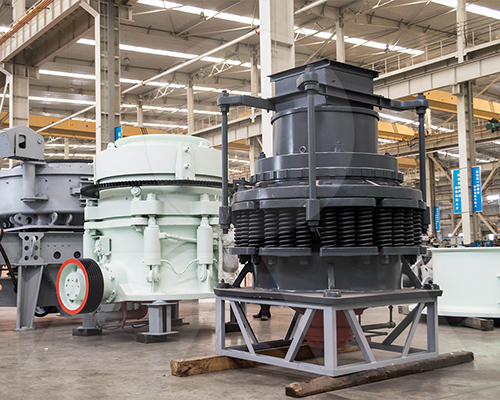
A optimized plant for Nigerian barite should be designed around modular, containerized units for rapid deployment and scalability. Critical equipment must carry international certifications (CE, ISO 9001) for quality assurance.
| Process Stage | Recommended Equipment Type | Key Functional Parameters | Target Output |
|---|---|---|---|
| Primary Crushing | Heavy-Duty Jaw Crusher | Feed Opening: 750x500mm, Mn-Steel Jaws, CSS: 100-150mm | -200mm product |
| Secondary Crushing | Cone Crusher (Medium Coarse) | Head Diameter: 1200mm, Closed-Side Setting: 25-40mm | -50mm product |
| Sizing | Heavy-Duty Inclined Screen | Deck Size: 2.4m x 6.0m, 2-3 Decks, Polyurethane Panels | Sized fractions for jig feed |
| Concentration | Programmable Jig | Bed Area: 4.0 m², Stroke: 0-50mm adjustable, Capacity: 70-80 TPH | Barite concentrate >4.20 SG |
| Dewatering | High-Frequency Dewatering Screen | Deck Size: 1.8m x 4.8m, Screen Mesh: 0.5mm | Concentrate at ~8-10% moisture |
| Drying | Indirect-Fired Rotary Dryer | Shell Diameter: 1.8m, Length: 12m, Fuel: Diesel/Gas | Final product <2% moisture |
Operational Resilience & Sustainability
- Power Configuration: Plants must be designed for hybrid power operation, integrating diesel generators with potential grid or solar power to ensure uninterrupted operation.
- Water Management: Implementing closed-loop water recycling systems is critical for environmental compliance and operational efficiency in water-scarce regions.
- Waste Management: Tailings from the jig process, primarily silicate gangue, are chemically inert. These should be systematically deposited in engineered impoundments, with potential for use in local construction or land reclamation.
The integration of these techniques—from selective mining to automated jigging and controlled drying—transforms a mining operation from a simple excavation activity into a predictable, high-yield industrial process. The focus must remain on equipment selected for its material science properties and proven capacity, not just initial capital cost, to ensure long-term throughput stability and product quality that meets international market standards.
Technical Specifications: API-Grade Barite and Customizable Mining Operations
API-Grade Barite Specifications
For oil and gas drilling operations, Nigerian barite must meet the stringent American Petroleum Institute (API) Specification 13A. The material is processed to achieve the following critical parameters:
| Specification | API 13A Standard | Typical Nigerian Barite Output |
|---|---|---|
| Specific Gravity | 4.20 g/cm³ (minimum) | 4.20 - 4.30 g/cm³ |
| Wet Screen Analysis | ||
| - Residue on 75μm (No. 200) sieve | 3.0% (maximum) | ≤ 2.5% |
| Soluble Alkaline Earth Metals | 250 mg/kg (maximum) | < 200 mg/kg |
| Viscosity @ 600 rpm (cp) | Report | 80 - 120 cp |
The primary mineralogical composition is barium sulfate (BaSO₄), with impurities such as silica (SiO₂), iron oxide (Fe₂O₃), and strontium sulfate (SrSO₄) controlled to non-detrimental levels. The processing flow involves crushing, washing, jigging, and drying to remove gangue materials and achieve the required density and particle size distribution.
Customizable Mining & Processing Operations
Operations are engineered for adaptability to Nigeria's diverse deposit profiles, from alluvial to vein-type deposits with varying ore hardness (3 - 3.5 on Mohs scale).
Core Processing Circuit Components:
- Primary Crushing: Jaw crushers (Mn-steel jaws, Grade III) reduce run-of-mine ore to <150mm. Models are selected based on compressive strength and abrasion index of the feed material.
- Beneficiation: A combination of log washers, jigs (dual pulsating, diaphragm type), and spiral classifiers remove clay, silica, and other low-specific-gravity contaminants.
- Milling & Grinding: Raymond mills or ball mills with high-alumina liners grind the concentrate to meet the -75μm specification. Air classifiers ensure precise particle size control.
- Drying: Rotary dryers reduce moisture content to below 3% for bagging and transport.
Operational Customization & USP:
- Throughput Flexibility: Modular plant designs allow for scalable operations from 10 to 50 Tons Per Hour (TPH), with quick reconfiguration for site-specific conditions.
- Ore Hardness Adaptability: Crusher settings and mill media (chrome-steel vs. high-carbon) are calibrated based on Bond Work Index testing of the specific ore body.
- Mobile & Semi-Mobile Units: For remote or scattered deposits, skid-mounted and trailer-based processing modules enable cost-effective, low-footprint operations.
- Quality Assurance: On-site labs equipped with Marcy scales for density checks and laser particle analyzers ensure continuous compliance with API specs. Full traceability from mine to bag is maintained.
- Compliance & Certification: Operations are designed to align with ISO 9001:2015 for quality management. Critical wear parts (e.g., crusher jaws, pump impellers) carry CE certification and are fabricated from designated alloy grades for documented performance.
Sustainable and Compliant Mining: Eco-Friendly Practices with Full Regulatory Adherence
Sustainable mining in Nigeria's barite sector is defined by the integration of advanced engineering controls with strict adherence to the Nigerian Minerals and Mining Act (2007) and associated environmental guidelines. The operational philosophy is to exceed baseline compliance through process design that minimizes ecological footprint while maximizing material recovery and equipment longevity.
Core Engineering Controls for Environmental Protection
- Dust Suppression Systems: High-pressure misting cannons and foam suppression agents are deployed at primary crusher discharge points, conveyor transfer stations, and haul roads. This targets particulate matter (PM10 and PM2.5) emissions, a key regulatory parameter, protecting both workforce health and surrounding vegetation.
- Closed-Loop Water Management: Processing plants utilize thickener-clarifier systems to recycle 90-95% of process water. Sludge from tailings ponds is chemically treated to neutralize residual reagents before controlled deposition in engineered, lined impoundments, preventing heavy metal leaching into groundwater.
- Selective Mining & Direct Feed: Where geology permits, selective mining techniques and sensor-based sorting (e.g., XRF or laser) are employed to minimize waste rock haulage. Direct feeding of run-of-mine ore to mobile jaw crushers with pre-screening reduces energy consumption per ton (kWh/TPH) and limits the land area disturbed for waste storage.
Material Science for Durability and Efficiency
Equipment selection is critical for sustainability, as durability reduces resource consumption for replacements and downtime. For barite ore (Mohs hardness 3-3.5, but often associated with abrasive quartz), component specifications are non-negotiable.
| Component | Material Specification | Functional Advantage |
|---|---|---|
| Primary Crusher Jaws | Manganese Steel (Mn14 / 18% Mn) | Work-hardens under impact, offering superior wear life against abrasive gangue. |
| Classifier Screens | Polyurethane Panels (95° Shore A) | High abrasion resistance with anti-blinding properties, maintaining consistent grade separation. |
| Slurry Pump Impellers | High-Chrome Alloy (27% Cr) | Exceptional resistance to cavitation and abrasion from barite and silica slurry, ensuring stable TPH flow. |
| Pipeline Elbows | Alumina Ceramic Lined (85% Al₂O₃) | Provides a hardness of ~9 Mohs, drastically reducing erosion in high-velocity slurry transport lines. |
Regulatory Adherence as an Operational Framework
Compliance is engineered into the project lifecycle. This begins with a comprehensive Environmental Impact Assessment (EIA) and extends to real-time monitoring.
- Blast Management: Seismograph-monitored controlled blasting using emulsion explosives minimizes vibration and fly rock, adhering to Federal Ministry of Environment limits for structural safety.
- Progressive Rehabilitation: Concurrent with mining, topsoil is stored and respread. Areas are contoured, seeded with native species, and monitored for revegetation success, as per mine closure plan stipulations.
- Documentation & Auditing: Automated systems log key parameters (water quality, emission levels, fuel consumption). This data forms the basis for mandatory annual environmental compliance reports and prepares operations for third-party audits against ISO 14001:2015.
Technical USP of a Compliant Operation
The ultimate competitive advantage lies in predictable, efficient production that aligns with national and international standards.
- Adaptive Comminution Circuits: Crusher settings and mill liners are selected based on periodic Bond Work Index testing of the ore body, ensuring optimal energy use for target grind size (typically 200 mesh for drilling-grade barite).
- Verified Product Conformance: On-site lab analysis via X-Ray Fluorescence (XRF) ensures the final product meets API 13A / ISO 13500 specifications for specific gravity (≥4.20 g/cm³) and chemical composition before shipment.
- Lifecycle Cost Optimization: The premium invested in certified, wear-resistant components and pollution control technology results in lower cost per ton over the asset's lifecycle, mitigating regulatory risk and unplanned stoppages.
Proven Track Record: Case Studies and Client Testimonials from Successful Projects
Case Study 1: Benue Trough High-Hardness Deposit
Client: A mid-tier mining operator transitioning from artisanal to mechanized extraction.
Challenge: The deposit featured barite-quartz veins with uniaxial compressive strength (UCS) exceeding 180 MPa, causing rapid wear and failure of standard jaw crusher plates and cone mantles. Downtime for component replacement was crippling operational throughput.
Technical Solution & Implementation:
- Conducted ore characterization to define the full abrasion and impact work index.
- Specified a primary crushing circuit with a jaw crusher fitted with Mn-steel (Grade 14%) liners, chosen for its optimal work-hardening properties under high-impact conditions.
- For secondary crushing, mandated cone crusher mantles and concaves manufactured from a proprietary high-chromium white iron alloy (28% Cr). This material provides superior abrasion resistance for sustained processing of highly siliceous ore.
- Implemented a real-time vibration monitoring system on crusher bearings to predict mechanical stress and schedule maintenance, moving from reactive to predictive protocols.
Quantifiable Results: - Wear Life Increase: Liner replacement intervals extended from 45 to 140 days.
- Throughput Stability: Sustained plant capacity of 85 TPH, achieving 92% operational availability.
- Product Grade: Consistently produced 4.20+ specific gravity barite concentrate, meeting API 13A drilling mud specifications.
Client Testimonial:
"The material science approach to wear parts was a revelation. We were skeptical that simply changing alloy grades could have such a dramatic effect, but the data is irrefutable. The switch to 28% Cr concaves alone reduced our annual consumables cost by 40% while keeping our plant running. This is engineering, not just equipment supply." – Chief Operations Officer
Case Study 2: Cross River State Modular Processing Plant
Client: A new venture requiring a scalable, compliant processing solution for a remote, off-grid deposit.
Challenge: Need for a fully functional, transportable processing module capable of producing both industrial-grade (4.1 SG) and drilling-grade (4.2 SG) barite, with all equipment meeting international certification for future export market eligibility.
Technical Solution & Implementation:
- Designed and commissioned a 60 TPH containerized processing module. Key components included:
- A CE-marked jaw crusher and ISO 9001-certified ball mill, ensuring adherence to international manufacturing and safety standards.
- A two-stage, spiral-based gravity separation circuit, tunable for different feed grades and target product specifications.
- A dedicated power pack with a 500 kVA generator set, engineered for high ambient temperature operation.
- Focus on ore hardness adaptability: The ball mill grinding media charge and classifier speed were calibrated on-site for the site-specific Bond Ball Mill Work Index.
- The entire module was pre-assembled and tested prior to shipment, minimizing commissioning time in the field.
Quantifiable Results: - Rapid Deployment: Full plant commissioning achieved in 11 days post-site delivery.
- Grade Flexibility: The plant can switch product specification between 4.1 and 4.2 SG with <4 hours of process re-tuning.
- Quality Certification: Product consistency enabled successful pre-qualification with major regional drilling fluid companies.
Client Testimonial:
"The 'plug-and-play' concept delivered as promised. The pre-shipment FAT (Factory Acceptance Test) meant we knew exactly what we were getting. The technical documentation, especially the mill power draw calculations matched to our ore's work index, gave us confidence. This module isn't just machinery; it's a certified production system that has opened doors to premium markets." – Managing Director
Technical Performance Summary: Key Parameters Delivered
| Project Parameter | Case Study 1: Benue Trough | Case Study 2: Cross River State | Industry Benchmark (Typical) |
|---|---|---|---|
| Design Capacity (TPH) | 85 | 60 | 30-50 |
| Operational Availability | 92% | 94% | 70-80% |
| Target Product SG | 4.20+ (API) | 4.1 to 4.2 (Adjustable) | 4.1 (Variable) |
| Critical Wear Material | 28% Chromium Iron Alloy | Standard Mn-Steel (12%) | Standard Mn-Steel |
| Compliance Focus | Mechanical Reliability | International Certification (CE/ISO) | Local Standards |
| Core Adaptation | Extreme Ore Hardness (UCS >180 MPa) | Modularity & Grid Independence | N/A |
Partner with Experts: End-to-End Support from Exploration to Export Logistics
Successful barite mining operations in Nigeria require integrated technical expertise across the entire value chain. Partnering with a consultancy that provides end-to-end support mitigates geological, processing, and logistical risks, ensuring project bankability and long-term profitability.
Core Technical Service Pillars
- Geological Survey & Resource Modeling: We deploy advanced geophysical methods (seismic refraction, resistivity imaging) and systematic core drilling to define ore body geometry and volume. Data is integrated into 3D block models for accurate resource estimation compliant with JORC or NI 43-101 reporting standards, forming the basis for mine planning and investment decisions.
- Mine Planning & Engineering: Development of optimized pit designs, haul road networks, and production schedules tailored to Nigerian barite deposits. Focus is on maximizing recovery of high-specific gravity (>4.2) ore while ensuring geotechnical stability and adherence to safety protocols.
- Processing Plant Design & Commissioning: Engineering of processing circuits for optimal liberation and grade. This includes crusher selection (jaw/cone) based on ore hardness (Mohs 3-3.5), and design of gravity separation circuits (jigs, shaking tables) to achieve API/ISO 13500 specifications for drilling-grade barite. We specify wear-resistant materials (e.g., high-chrome alloy for slurry pumps, Mn-steel liners for crushers) to reduce downtime.
- Quality Control & Product Certification: Establishment of on-site laboratory protocols for continuous monitoring of specific gravity, chemical composition (BaSO₄ %), and particle size distribution. We guide clients through the process of obtaining independent certification to meet API 13A and OCMA/ISO standards, which is critical for export market access.
- Export Logistics & Supply Chain Management: Technical advisory on bagging (bulk vs. 1.5-ton jumbo bags), inland transportation to port, and containerization. We navigate Nigerian export documentation and ensure compliance with international maritime and destination country regulations for mineral shipments.
Technical Specifications of Supported Processing Solutions
| System Component | Key Parameter | Specification / Capability | Rationale |
|---|---|---|---|
| Primary Crushing | Feed Size / Capacity | Up to 500mm / 50-150 TPH | Handles run-of-mine ore from Nigerian deposits. |
| Beneficiation Circuit | Primary Separation Method | Duplex Mineral Jig & Shaking Tables | Efficient gravity separation for 4.1+ SG concentrate. |
| Final Product Grinding | Mill Type / Output Range | Raymond Mill / 200-400 Mesh | Achieves fine grind for oil & gas drilling mud specifications. |
| Material Handling | Key Wear Parts | Manganese Steel Jaws, High-Chrome Alloy Impellers | Withstands abrasive barite ore, extending operational life. |
| Quality Assurance | Core Test | Specific Gravity, Residual Soluble Salts, Micronized Size | Ensures compliance with API 13A Section 9 for drilling fluid grade. |
Operational Advantages of Integrated Partnership
- Seamless Technology Transfer: From feasibility study to plant operation, ensuring your team possesses the operational knowledge for sustained production.
- Adaptation to Local Ore Variability: Solutions engineered for the specific characteristics of Nigerian barite, including handling associated gangue minerals like quartz and iron oxides.
- Throughput Optimization: Plant designs are balanced to eliminate bottlenecks, maximizing yield of marketable product from mined tonnage.
- Risk Mitigation: A single point of technical accountability from exploration through to loaded shipping containers reduces interface conflicts and project delays.
Frequently Asked Questions
What is the optimal replacement cycle for barite crusher wear parts in Nigeria's abrasive conditions?
Given barite's moderate abrasiveness (Mohs 3-3.5), high-manganese steel liners (e.g., Hadfield Grade A) typically last 1,200-1,500 operational hours. Monitor wear profiles monthly. Premature failure indicates incorrect feed size or excessive tramp metal. Implement predictive maintenance using laser scanning to schedule replacements, minimizing unplanned downtime.
How should processing equipment be adapted for varying barite ore hardness?
Calibrate primary jaw crusher hydraulic pressure settings based on real-time ore feed analysis. For harder pockets (up to Mohs 4.5), adjust the closed-side setting (CSS) by 5-10mm to prevent overloading. Ensure cone crushers use coarse-liner profiles and a higher eccentric throw to maintain throughput without compromising product size distribution.
What are the critical vibration control measures for barite grinding mills?
Install seismic-grade vibration isolators under mill foundations. Dynamically balance the rotating assembly (trunnion, gears) annually. For ball mills, maintain consistent ball charge levels and monitor pinion alignment with laser tools. Excessive vibration often signals worn gear teeth or failing spherical roller bearings (e.g., SKF Explorer series).
What specialized lubrication is required for barite mining machinery in high-dust environments?
Use ISO VG 320 extreme-pressure (EP) grease with solid additives (molybdenum disulfide) for all crusher and screen bearings. For hydraulic systems, employ high-viscosity index (VI) fluids with superior filtration (10-micron absolute). Schedule automatic greasing every 8 hours on conveyor idlers to combat silica dust ingress and prevent abrasive wear.
How do you optimize barite jigging plant performance for varying feed densities?
Calibrate jig stroke length and frequency based on feed density (typically 4.0-4.5 g/cm³). For denser ore, increase hydraulic pulsation pressure by 10-15% and adjust ragging layer (ferrosilicon) particle size. Continuously monitor concentrate grade with on-stream analyzers to automatically adjust splitter gates, ensuring consistent BaSO₄ grade >92%.
What are the key maintenance checks for barite drilling rigs to ensure borehole stability?
Daily, inspect drill string threads for galling and use high-torque thread compounds. Ensure top-head drive rotation pressure is set for the specific formation—typically 15-18 MPa for barite shale. Use down-the-hole (DTH) hammers with tungsten carbide buttons and monitor exhaust air pressure for signs of bit balling or formation water ingress.