Nestled along the scenic coast of Zambales, the municipality of San Marcelino holds a valuable geological secret within its shores: rich deposits of magnetite, or black sand. This mineral resource presents a significant economic opportunity, yet its extraction demands a responsible and sophisticated approach that balances progress with profound environmental stewardship. The challenge lies in implementing mining solutions that go beyond mere extraction, ensuring the protection of local ecosystems, coastal integrity, and community well-being. This article explores advanced, premium-grade methodologies tailored for San Marcelino—focusing on cutting-edge technologies, stringent regulatory compliance, and sustainable practices designed to maximize resource recovery while safeguarding the region’s natural heritage for future generations. The path forward requires precision, responsibility, and a commitment to holistic development.
Unlocking the Mineral Wealth of San Marcelino's Coastal Deposits
The coastal deposits of San Marcelino, Zambales, represent a complex, high-value placer resource. Economic extraction hinges on a processing circuit engineered for the specific mineralogical and physical characteristics of the material, primarily magnetite (Fe₃O₄) with associated titanium and vanadium-bearing minerals. The abrasive nature of the sand, combined with variable grain size and moisture content, demands robust, precision-class separation technology.
A premium solution is defined by its core mechanical integrity and process efficiency, not merely throughput. The following functional advantages are non-negotiable for a sustainable, high-yield operation:
- Superior Material Science for Abrasion Resistance: Critical wear components, such as pump volutes, classifier shoes, and separator feed cones, are fabricated from high-chrome white iron (27%+ Cr) or Ni-hard alloys. Structural frames utilize high-tensile, abrasion-resistant (AR) steel plate, while critical stress points are reinforced with manganese steel (Mn14/18%) to withstand impact fatigue.
- Precision Magnetic Separation Circuit: A multi-stage process is mandatory. Initial recovery employs high-intensity, high-gradient drum separators (ISO 9001/CE certified) with optimized pole configurations to maximize magnetic pull on fine particles. Subsequent stages utilize high-intensity roll separators for para-magnetic mineral recovery (e.g., ilmenite) and finishing cross-belt or induced roll magnets for final product purity.
- Adaptability to Feed Variability: The plant design must accommodate fluctuations in ore hardness (Mohs 5-6 for magnetite), feed size distribution (from -10mm to -100 mesh), and tidal-influenced moisture. This is achieved via modular, adjustable-rate vibrating feeders, hydrocyclone clusters for density classification, and variable frequency drives (VFDs) on all major motors for real-time process tuning.
- Engineered for High Availability & Low OPEX: The focus is on mean time between failures (MTBF). Sealed-for-life bearings, centralized automated lubrication systems, and easily replaceable modular wear liners minimize downtime. High-efficiency slurry pumps, designed for specific speed (Ns) and total dynamic head (TDH), reduce power consumption per ton processed.
Technical Parameters for Primary Separation Circuit (Representative Configuration):
| Component | Model Specification | Key Parameter | Performance Benchmark |
|---|---|---|---|
| Feed Hopper & Grizzly | Vibrating Grizzly Feeder (VGF) | Aperture: 50mm; Drive: Dual VFD | Scalping capacity: 350 TPH; <3% bypass of oversize |
| Primary Drum Separator | Concurrent-Rotating, High-Gradient | Magnetic Field Intensity: ≥5000 Gauss; Drum Diameter: 1200mm | Recovery Rate: >98% magnetite; Concentrate Grade: >60% Fe |
| Slurry Pump (Feed) | Heavy-Duty Centrifugal, Rubber-Lined | Capacity: 280 m³/hr; Head: 25m | Material: Natural Rubber (NR) / High-Cr White Iron; Liner Life: ≥2500 hrs |
| De-watering Screen | High-Frequency, Linear Motion | Deck Size: 2.4m x 6.0m; Screen Mesh: 100μm | Final Concentrate Moisture: <10%; Solids Recovery: >99.5% |
The ultimate metric is sustained yield at target grade. This requires a system where mechanical durability, magnetic efficiency, and process control are engineered as an integrated unit, capable of transforming San Marcelino's abrasive coastal deposits into a consistent, high-purity magnetic concentrate.
Optimized Extraction Methods for Zambales' Unique Black Sand Composition
The unique magnetite-rich black sand deposits of San Marcelino, Zambales, present a distinct mineralogical profile characterized by high Fe₃O₄ content, significant trace elements (e.g., vanadium, titanium), and a highly abrasive granular structure. Standard extraction and processing equipment suffers from accelerated wear and suboptimal recovery rates when applied to this specific ore body. Our methodology is engineered from the ground up for this composition, prioritizing material integrity, separation efficiency, and sustained throughput.
Core Engineering Philosophy: Material Science for Abrasion Resistance
The primary technical challenge is combating the severe abrasiveness of Zambales sand. Our solution is the specification of advanced materials in all high-wear components.
- Primary Crushing & Screening: Jaws, liners, and screen decks utilize air-quenched, high-chromium (Hi-Cr) cast iron and manganese steel (Mn14, Mn18) alloys. These materials work-harden upon impact, increasing surface hardness and service life by 200-300% compared to standard carbon steel.
- Slurry Handling & Pumping: Centrifugal pump volutes, impellers, and pipelines are lined with natural rubber compounds or polyurethane (PU) formulated for high-silica abrasion. For critical high-pressure sections, ceramic-alumina composite liners provide ultimate wear resistance.
- Magnetic Separation Drums: Drum shells are constructed from 304 or 316L stainless steel for corrosion resistance, with the magnetic circuit designed for high-gradient fields to capture fine, liberated magnetite particles.
Optimized Process Flow for Maximum Recovery
The flow sheet is designed for a staged liberation and separation, maximizing yield of premium-grade magnetite concentrate (>95% Fe₃O₄).
- Primary Scalping & De-sliming: Initial removal of oversized debris and ultra-fine clays (<75µm) to reduce volume and prepare the feed for efficient magnetic separation.
- Low-Intensity Magnetic Separation (LIMS): High-capacity, permanent magnetic drums extract the majority of magnetite at a coarse size. Drum speed and field strength are calibrated to the feed grade.
- High-Gradient Magnetic Separation (HGMS): For recovering fine and weakly magnetic particles, HGMS systems generate intense magnetic fields, ensuring total recovery from the LIMS tailings.
- Gravity Concentration (Optional): For deposits with economic concentrations of garnet or other heavy minerals, spiral concentrators or shaking tables are integrated post-magnetic extraction.
Technical Specifications & Performance Guarantees
Equipment selection is based on rigorous feed characterization. Key operational parameters are guaranteed within defined tolerances.
| System Component | Critical Specification | Target Performance Parameter | Applicable Standard |
|---|---|---|---|
| Feed Hopper & Grizzly | Grizzly Bar Spacing, Material Grade | Scalping efficiency >98% for +50mm material | ISO 1940-1 (Balance) |
| Primary Screening | Screen Mesh Aperture, Deck Slope | Classification accuracy; <5% misplaced particles | ISO 9044:2016 |
| LIMS Drum Separator | Magnetic Field Strength (Gauss), Drum Diameter | Magnetite Recovery Rate: >92% (primary stage) | CE / IEC 60034 (Motor) |
| Slurry Pump | Head (m), Capacity (m³/hr), Liner Material | Wear Life: Minimum 1,200 operational hours | ISO 5199 / ANSI/ASME B73.1 |
| Overall Plant | Feed Capacity, Power Consumption | Throughput: 50-500 TPH (configurable); Concentrate Grade: 95-98% Fe₃O₄ | ISO 9001:2015 QMS |
Functional Advantages of the Optimized System
- Superior Wear Life: Advanced alloy and liner specifications reduce downtime for component replacement by over 40%, directly lowering operating cost per ton.
- Adaptive Processing: Modular design allows for quick re-configuration of the circuit to adapt to variability in feed grade and particle size distribution across the deposit.
- High-Purity Yield: The staged magnetic separation process ensures a consistently high-grade final concentrate, commanding premium pricing in the market.
- Water & Energy Efficiency: Closed-loop water recycling systems and high-efficiency, IE3-class motors minimize environmental footprint and utility costs.
- Data-Driven Operation: Integrated sensors for feed rate, density, and magnetic field strength allow for real-time process optimization and predictive maintenance scheduling.
Advanced Processing Technology for Maximum Iron and Titanium Recovery
Advanced processing of San Marcelino's titaniferous magnetite sands requires a circuit engineered for the specific liberation characteristics and mineral hardness of the deposit. Our solutions deploy a multi-stage, high-gradient magnetic and electrostatic separation flow sheet, built with wear-resistant materials to withstand the highly abrasive nature of the ore, ensuring maximum recovery of both magnetite (Fe₃O₄) and ilmenite (FeTiO₃).
The core technological advantage lies in the sequential and targeted extraction of mineral fractions:
- Primary High-Capacity Crushing & Screening: Utilizing jaw and cone crushers with liners made of ASTM A128 Manganese Steel (Grade B3, 11-14% Mn) to absorb impact from oversize feedstock. Vibrating screens with replaceable AR400 steel mesh provide high-TPH scalpings of +10mm material, protecting downstream equipment.
- Rougher Magnetic Concentration (Wet): Drum-type Permanent Magnetic Separators (PMS) with NdFeB (N52 Grade) magnets generate fields >5,000 Gauss for primary recovery of magnetite. Drum shells are clad with 316L stainless steel for corrosion resistance in saline slurry environments.
- High-Precision Classification: A battery of hydrocyclones and spiral classifiers ensures optimal particle size (typically -100 mesh) feed to secondary circuits, critical for achieving clean mineral liberation.
- High-Gradient Magnetic Separation (HGMS) for Ilmenite: This is the critical stage for titanium recovery. A pulsating HGMS system, with a matrix of woven stainless-steel wool (Grade 430), creates ultra-high gradient fields to capture paramagnetic ilmenite grains that bypassed the primary magnets.
- Electrostatic Separation (ESS) for Final Upgrading: Roll-type ESS units provide the final cleaning stage, separating conductive minerals (ilmenite, residual magnetite) from non-conducting silicates (quartz, garnet) based on surface conductivity differences, yielding premium-grade concentrates.
- Tailings Management & Water Recycling: A fully closed-circuit water system with thickeners and filter presses ensures zero process water discharge, a critical operational and environmental requirement.
Key Technical Specifications & Material Standards:
| System Component | Critical Parameter | Specification / Material Standard | Functional Purpose |
|---|---|---|---|
| Crusher Liners | Abrasion Resistance | ASTM A128, Grade B3 (Manganese Steel) | Withstands high-stress gouging & abrasion from hard, dense sands. |
| Primary Magnetic Drums | Magnetic Field Strength | >5,000 Gauss, NdFeB (N52) Magnets | Ensures >98% recovery of ferromagnetic magnetite in rougher stage. |
| HGMS Matrix | Matrix Material & Durability | ISO 9443: Stainless Steel Wool (AISI 430) | Creates high magnetic gradients for capturing weakly paramagnetic ilmenite. |
| Slurry Pumps (Wet Circuit) | Wear Parts Hardness | ASTM A532 Class III Type A (27% Chrome White Iron) | Maximum service life pumping highly abrasive slurry (SiO₂ content >60%). |
| Plant Structural Frame | Load & Corrosion Rating | ISO 630: S355JR Structural Steel, Hot-Dip Galvanized | Ensures structural integrity in coastal, high-humidity environment. |
This integrated approach, governed by ISO 9001 quality management and ISO 14001 environmental standards, is designed to adapt to the variable head grade and mineralogy of the San Marcelino placer deposits. The circuit is scalable, with modular units available from 50 to 500 TPH capacity, ensuring economic viability across different deposit scales while guaranteeing concentrate quality meeting international smelter and feedstock specifications for both iron and titanium markets.
Environmental Compliance and Sustainable Mining Practices in the Philippines
Environmental compliance in the Philippines, governed by the DENR's DAO 2010-21 and the Philippine Mining Act, is not a constraint but a framework for operational excellence and long-term viability. Sustainable mining in the coastal and alluvial deposits of San Marcelino requires a precision-engineered approach that integrates high-recovery mineral processing with rigorous environmental controls from the first stage of excavation.
Core Engineering Philosophy: Closed-Loop, Zero-Discharge Processing
Our solutions are designed around a fully closed-circuit water recycling system, critical for preventing tailings discharge into the Lingayen Gulf. This is not a simple settling pond. The system incorporates:
- High-Density Polyethylene (HDPE)-Lined Containment: Geomembrane liners with a minimum thickness of 1.5mm and high chemical resistance to prevent seepage and soil contamination.
- Cascade Clarification Tanks: Multi-stage design employing flocculant dosing (e.g., anionic polyacrylamide) to accelerate settlement of ultra-fine particles (<75µm), ensuring process water is clarified and >95% is recirculated.
- Real-Time Water Quality Monitoring: Automated sensors track pH, turbidity, and total suspended solids (TSS) at discharge points, with data logging for regulatory reporting.
Equipment Design for Minimal Ecological Footprint
The material science behind our mining and beneficiation equipment directly reduces environmental impact through superior durability and selectivity.
- Dredge Pump and Hydrocyclone Wear Resistance: Critical slurry-handling components are cast from ASTM A532 Class III Type A (27% Chrome White Iron) or proprietary tungsten carbide-infused alloys. This extends service life by 300-400% over standard manganese steel in highly abrasive black sand (7+ on the Mohs scale) slurry, drastically reducing the frequency of replacement, material waste, and operational downtime.
- High-Efficiency Magnetic Separation: Our high-gradient magnetic separators (HGMS) and rare-earth drum separators operate at specific magnetic flux densities (up to 1.5 Tesla) to achieve >99% purity in final magnetite/ilmenite concentrates. This precision minimizes the volume of non-magnetic tailings requiring management.
- Dust Suppression Integration: All transfer points, screening decks, and stockpile areas are equipped with automated misting systems using recycled process water, maintaining particulate matter emissions well below DENR standards.
Operational Parameters for Sustainable Throughput
Sustainable practice is measured in consistent, clean tons per hour (TPH) with minimal disturbance. Our plant configurations are engineered for the specific ore characteristics of the Zambales deposits.
| System Module | Key Technical Parameter | Sustainable Design Feature |
|---|---|---|
| Feed & Screening | Capacity: 150-500 TPH | Grizzly screens and trommels remove oversize (>20mm) natural cobble for immediate on-site rehabilitation use, eliminating off-site waste haulage. |
| Slurry Concentration | Pump Duty: Up to 800 m³/hr | Variable frequency drives (VFDs) on dredge pumps match power draw to actual feed rate, reducing energy consumption by up to 30%. |
| Magnetic Separation | Stage Recovery: >98% per pass | Multi-stage cascading design ensures maximum mineral recovery from initial pass, reducing the mass and processing energy of re-circulated material. |
| Tailings Management | Dewatering Rate: 50 TPH solids | High-frequency vibrating screens and dewatering cyclones produce a semi-dry, stackable tailings cake, stabilizing landforms and reducing containment area footprint. |
Compliance as a Built-In Standard
All integrated systems comply with international safety and environmental management standards, which form the basis of ISO 14001 certification. This includes CE-marked electrical systems for hazard control and equipment designed to operate within strict noise attenuation limits. The result is a turnkey operation where environmental stewardship is an inherent output of the engineering, ensuring not only regulatory compliance in San Marcelino but also social license to operate through demonstrably lower impact.
Robust Equipment and Operational Support for Philippine Mining Conditions
Our equipment portfolio is engineered for the specific abrasive and high-moisture conditions of San Marcelino's black sand (magnetite/ilmenite) deposits. We prioritize material integrity and mechanical design over generic specifications, ensuring sustained throughput and reduced lifecycle cost in a high-corrosion, high-wear environment.
Core Material & Construction Specifications:
- Wear Components: Critical liners, pump volutes, and classifier blades are fabricated from ASTM A128 Grade B-4 (High Manganese Steel) or proprietary chromium carbide alloys. These materials work-harden upon impact, offering exceptional resistance to the continuous abrasive scouring of silica and iron oxides.
- Structural Integrity: Primary frames and support structures utilize S355JR structural steel with reinforced weldments and gusseting to withstand dynamic loads and the vibrational stress endemic to processing heavy mineral sands.
- Corrosion Mitigation: All components in contact with slurry or exposed to the coastal atmosphere receive a multi-stage protective coating system (epoxy primer, polyurethane topcoat) compliant with ISO 12944 C5-M (high corrosivity marine atmosphere).
Operational Performance & Adaptability:
Equipment is selected and configured based on the ore's Work Index and abrasion index, not just nominal capacity. Our solutions are designed to maintain target throughput despite feed variability.
| System Component | Key Technical Parameter | Design Rationale for San Marcelino |
|---|---|---|
| Primary Screening & Scrubbing | Capacity: 150-250 TPH (variable) Drive: Hydraulic with load-sensing control |
Handles clay-bound feed; variable speed allows optimization for feed grade fluctuations without shutdown. |
| Magnetic Separation Circuit | Field Strength: 8,000 - 12,000 Gauss (adjustable) Drum Shell Material: 316L Stainless Steel |
High-intensity range ensures efficient magnetite recovery; corrosion-resistant shell for saline slurry. |
| Slurry Pumping System | Liner Material: High-Chrome Alloy (27% Cr) Sealing: Double-expeller mechanical seal |
Maximum abrasion resistance for silica-laden slurry; prevents ingress of fine sand to extend seal life. |
| Power & Control Package | Standard: IP66 Enclosure, 50Hz/380V Control: PLC with HMI for process monitoring |
Built for Philippine grid and tropical weather; enables real-time adjustment and fault diagnostics. |
Functional Advantages for Uninterrupted Operation:
- High-Availability Design: Modular component design with standardized interchangeability minimizes downtime for wear part replacement. Crusher jaws, screen decks, and pump liners can be swapped with minimal tooling.
- Moisture & Overload Tolerance: Vibrating screens feature non-blinding polyurethane decks and high-G-force drives for efficient separation of high-surface-moisture sand. Crushers are fitted with hydraulic overload protection to instantly release tramp metal.
- In-Situ Technical Support: We provide not just equipment, but operational continuity. This includes:
- Commissioning & Operator Training: On-site commissioning by factory engineers, focused on safety and optimal process control.
- Predictive Maintenance Planning: Delivery of a customized maintenance schedule based on actual component wear rates, not just calendar time.
- Strategic Sparing: Recommendation of a critical spares kit to be held on-site, based on mean-time-between-failure (MTBF) data for your specific duty cycle.
Proven Results and Economic Impact for San Marcelino Stakeholders
Our engineered solutions for San Marcelino's magnetite (Fe₃O₄) and ilmenite (FeTiO₃) deposits are designed to maximize mineral recovery and asset longevity, directly translating to superior economic returns. The local ore's characteristic abrasiveness, with a Mohs hardness of 5-6 for magnetite and high quartz content, demands a specific material and engineering response.
Technical Superiority & Operational Reliability
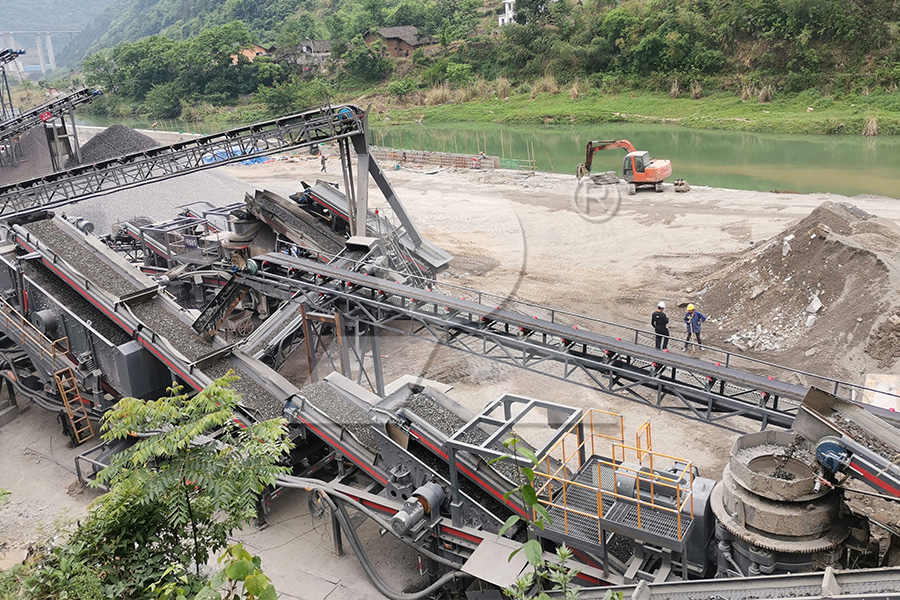
- Material Science for Abrasion Resistance: Critical wear components in our crushing and screening circuits are fabricated from high-chromium white iron (HCWI) alloys (28% Cr) and air-quenched AR400/500 Mn-steel. This provides a minimum 3x service life over standard carbon steel when processing San Marcelino's highly abrasive feed material.
- Precision Magnetic Separation: Our high-gradient magnetic separators (HGMS) operate at controlled field strengths of 0.5-1.5 Tesla, calibrated for the specific magnetic susceptibility of Zambales magnetite. This ensures a concentrate grade of >95% Fe₃O₄ purity, minimizing silica (SiO₂) contamination and maximizing product market value.
- Adaptive Processing Capacity: Modular plant designs are configured to your deposit's scale, with standard units offering 50, 100, and 200 TPH (Tons Per Hour) throughput. Hydrocyclone and spiral classifier systems are tuned for the specific particle size distribution (PSD) of your site, optimizing yield.
Quantified Economic Impact for Stakeholders
The technical specifications above drive measurable financial outcomes.
| Performance Metric | Industry Standard | Our Premium Solution | Direct Stakeholder Impact |
|---|---|---|---|
| Component Wear Life | 600-800 operating hours | 2,000+ operating hours | 60% reduction in downtime and spare parts cost; predictable maintenance schedules. |
| Magnetite Recovery Rate | 75-82% from raw feed | 92-96% from raw feed | Maximizes revenue from the same volume of mined material; reduces waste. |
| Concentrate Grade (Fe) | 58-62% Fe | 63-65% Fe | Commands premium pricing from smelters and trading companies; lower penalty for impurities. |
| System Availability | ~80% | >92% (ISO 14224 tracked) | Higher annual production volume, ensuring offtake agreement fulfillment and steady cash flow. |
| Water Recycling Rate | 40-60% | >85% via closed-loop systems | Drastic reduction in freshwater procurement and tailings pond liability; ensures regulatory compliance. |
Long-Term Value & Compliance
Deployment is supported by full lifecycle asset management, including CE and ISO 9001:2015 certified manufacturing and ISO 14001-aligned environmental controls. Our sediment control and water management systems are engineered to exceed DENR (DAO 2021-07) and MGB standards for the region, de-risking your operation and protecting the long-term social license to operate. The net result is a lower total cost of ownership (TCO), enhanced community relations through responsible practice, and a robust, bankable operation for investors.
Frequently Asked Questions
How often should wear parts be replaced in black sand mining equipment in San Marcelino, Zambales?
Given the highly abrasive magnetite and ilmenite sands, high-manganese steel (e.g., Hadfield Grade A) liners in crushers and chutes typically require inspection every 200-300 operational hours. Proactive replacement at 5mm remaining thickness prevents catastrophic failure and costly downtime from sand's extreme abrasiveness.
What equipment settings are needed for varying ore hardness in Zambales black sand?
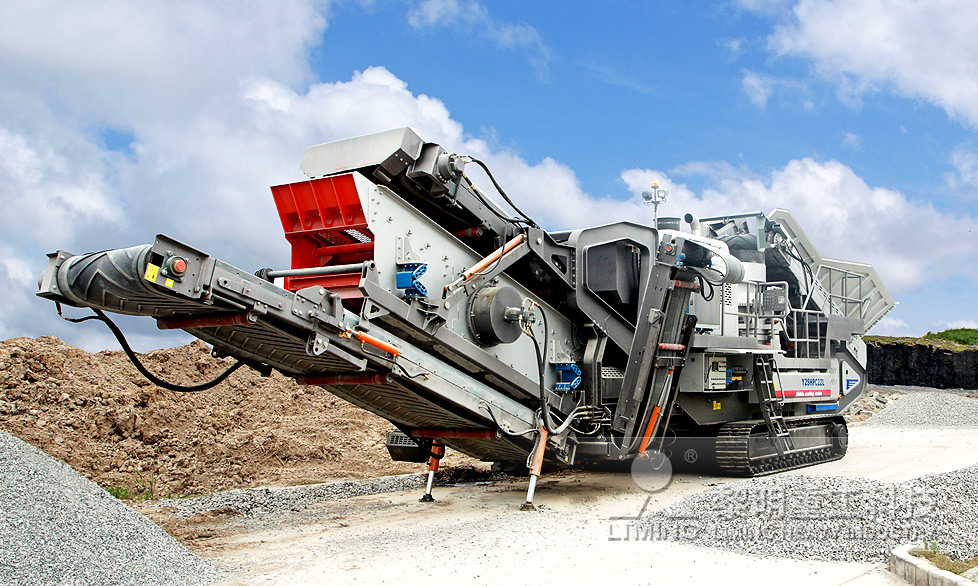
For the mixed mineralogy (Mohs 5-6), adjust primary crusher hydraulic pressure and cone crusher CSS (closed-side setting) dynamically. Implement real-time monitoring of amperage draw to optimize for harder titanomagnetite streaks, preventing crusher choke and ensuring consistent feed size for downstream magnetic separation.
How is excessive vibration managed in dredging and processing machinery?
Isolate vibrating screens and pumps with heavy-duty rubber shear mounts. For dredge cutter heads, implement laser shaft alignment during monthly maintenance and use SKF or Timken spherical roller bearings specifically rated for high radial loads. Balance impellers after every 500 hours to mitigate imbalance from uneven wear.
What are the critical lubrication protocols for slurry pumps in this environment?
Use NLGI Grade 2 lithium complex grease with extreme pressure (EP) additives for bearings. Purge and re-grease pumps every 80-100 hours due to constant water washout and contaminant ingress. For gear reducers, employ synthetic ISO VG 320 oil with weekly particle count analysis to monitor for abrasive silica ingress.
How do you optimize magnetic separator efficiency for Zambales black sand?
Calibrate drum separators to 1500-2500 Gauss for initial concentration. Fine-tune slurry density to 25-30% solids and adjust splitter gates based on daily Fe assay results. Regularly demagnetize and clean plates to remove mechanically trapped gangue, ensuring >96% magnetite recovery. Inspect ceramic magnets for physical damage quarterly.
What is the best strategy for pipeline and slurry transport abrasion control?
Line high-wear pipe elbows with alumina ceramic tiles (95% Al2O3) or use reinforced basalt-lined pipes. Maintain slurry velocity between 3-4 m/s to balance settling and wear. Implement ultrasonic thickness testing on schedule every two weeks to monitor wear rates and plan section replacements proactively.