The global mining industry stands as the backbone of modern civilization, powering everything from infrastructure to innovation. To become a supplier within this dynamic sector is to enter a realm defined by immense scale, stringent demands, and extraordinary opportunity. It requires more than just providing a product or service; it demands a deep commitment to reliability, safety, and technological advancement. Suppliers are integral partners in a complex ecosystem, where operational excellence and resilience are paramount. Success hinges on understanding the unique challenges of remote locations, cyclical markets, and the relentless pursuit of efficiency. For those equipped with robust solutions and a collaborative mindset, supplying the mining industry offers a chance to build lasting partnerships and contribute to foundational economic progress on a global stage.
Navigating the Mining Supply Chain: Your Strategic Partner for Operational Excellence
The mining supply chain is a complex ecosystem where equipment failure and suboptimal performance directly translate to lost production, safety risks, and spiraling costs. Success requires more than a transactional vendor relationship; it demands a strategic partner with deep technical integration into your operational reality. We provide engineered solutions, not just products, built on a foundation of advanced material science and a rigorous adherence to global technical standards.
Our partnership is defined by a systematic approach to enhancing your asset lifecycle and total cost of ownership (TCO). This is achieved through:
- Application-Specific Material Engineering: We do not offer generic steel. Our solutions are formulated from proprietary alloy grades and advanced materials like high-hardness abrasion-resistant (AR) steel, through-hardened manganese steel (Mn-steel) for high-impact crushing zones, and specialized chromium carbide overlays for severe sliding abrasion. Each material is selected based on a detailed analysis of your ore characteristics (hardness, abrasiveness, silica content) and specific duty cycles.
- Certified Manufacturing & Traceability: All critical components are manufactured under stringent quality management systems (ISO 9001) and carry relevant certifications (CE, AS/NZS, etc.). Full material traceability from melt to final machining is standard, providing assurance of consistency and enabling precise performance analysis.
- Design for Maximum Uptime: Our components are engineered to exceed OEM specifications in critical wear areas. This includes optimized geometry for material flow to reduce packing and wear, and designs that facilitate faster, safer maintenance turnarounds. The goal is to extend mean time between failures (MTBF) and align replacement schedules with planned maintenance windows.
- Data-Driven Performance Validation: We quantify performance beyond anecdotal evidence. Key metrics we track and report include wear life (hours or tonnes processed), throughput capacity maintenance (sustaining target TPH), and the impact on downstream processes like reduced recirculating load in crushing circuits.
For critical process components, selection is based on a matrix of operational parameters. The following table illustrates the engineering logic behind material and solution selection for primary comminution applications:
| Application | Primary Challenge | Our Material Solution | Key Technical Parameters & Outcome |
|---|---|---|---|
| Gyratory/Maw Crusher Concaves & Mantles | High-impact fatigue, compression breakage, gross abrasion. | Austenitic Manganese Steel (Mn-steel) variants, work-hardening to >550 BHN. | Optimized cavity design for higher reduction ratios and consistent product sizing, reducing load on downstream circuits. |
| Jaw Crusher Liners | Chipping at feed opening, abrasion along crushing chamber. | Multi-alloy composite design: Tough, shock-resistant alloy at feed zone; ultra-high AR steel (500-600 BHN) in lower chamber. | Achieves up to 30% longer life in abrasive feeds, maintaining designed discharge setting and product gradation. |
| Cone Crusher Bowls & Mantles | Abrasive wear, compression, and attrition in secondary/tertiary stage. | Premium alloy steels, martensitic chromium steels, and specialized manganese alloys for different crushing zones. | Focus on producing more in-spec product and less waste fines. Designed for higher throughput (TPH) of target product size. |
| Ball/SAG Mill Liners | Combined impact and sliding abrasion, structural integrity. | High-Cr white iron alloys, rubber-composite systems, and engineered boltless designs. | Maximizes grinding efficiency (kWh/tonne), reduces liner change-out time by up to 50%, and minimizes bolting failure risks. |
Becoming your strategic partner means integrating our technical expertise into your planning cycle. We engage during the feasibility and specification phase for new projects and conduct structured wear life audits on existing operations to identify the cost drivers in your comminution and materials handling processes. Our value is proven through sustained operational excellence: predictable maintenance costs, guaranteed component availability, and engineering support dedicated to optimizing your most capital-intensive processes.
Engineered for Extreme Conditions: Durable and Reliable Solutions for Mining Demands
Mining equipment operates at the intersection of immense mechanical stress, relentless abrasion, and unpredictable impact. Failure is not an option, as it directly correlates to catastrophic downtime, safety risks, and spiraling operational costs. Our supply philosophy is rooted in designing and manufacturing components that are not merely adequate but are fundamentally over-engineered to dominate these extremes. This is achieved through a rigorous, science-based approach to material selection, design validation, and performance benchmarking.
Core Material Science & Metallurgy
The foundation of durability is advanced metallurgy. We specify and procure materials based on a precise analysis of the wear mechanism—whether it is high-stress grinding abrasion, gouging, or fatigue impact.
- High-Stress Abrasion Resistance: For applications like crusher liners, shovel dippers, and mill liners, we utilize premium Hadfield Austenitic Manganese Steel (11-14% Mn) and enhanced Titanium Carbide (TiC) reinforced alloy steels. These materials work-harden under impact, surface hardness increasing from ~200 HB to over 550 HB, providing a continually renewing wear surface.
- Gouging & Impact Dominant Wear: In areas like apron feeder pans, truck bed liners, and primary crusher components, through-hardened alloy steels (400-500 HB) and chromium-molybdenum alloys provide the necessary yield strength and fracture toughness to withstand massive loading events without catastrophic failure.
- Corrosion-Abrasion Synergy: For processing plants handling slurry or in wet environments, we deploy stainless-clad steels and specialized polyurethane compounds engineered to resist both chemical degradation and mechanical wear.
Engineering Validation & Standards Compliance
Every component design undergoes finite element analysis (FEA) to simulate stress distribution and identify potential failure points before prototyping. Our manufacturing and quality assurance processes are certified to international standards, ensuring traceability and consistency.
- ISO 9001:2015 certified quality management systems govern our entire production workflow.
- Non-Destructive Testing (NDT) including ultrasonic testing and magnetic particle inspection is standard on critical weldments and castings.
- CE Marking where applicable, affirming conformity with health, safety, and environmental protection standards for products sold within the European Economic Area.
Mining-Specific Functional Advantages
Our solutions are engineered to deliver measurable gains in site productivity and total cost of ownership.
- Optimized Throughput & Geometry: Liners and wear parts are profiled using DEM (Discrete Element Method) simulation to ensure optimal material flow, maximizing Tons Per Hour (TPH) capacity and reducing power draw per ton processed.
- Adaptability to Ore Characteristics: We offer material grade options tailored to specific ore properties (e.g., silica content, hardness, abrasiveness). A comparison of typical applications is provided below:
| Application | Primary Wear Mechanism | Recommended Material Grade | Key Performance Metric |
|---|---|---|---|
| Gyratory/Mantle Crusher Liners | High-Impact, Gouging Abrasion | Premium Mn-Steel with Micro-Alloying | MTTF (Mean Time To Failure) increased by 15-25% over standard grades |
| Ball/SAG Mill Liners | High-Stress Grinding Abrasion | TiC-Reinforced Alloy Steel / High-Cr White Iron | Wear life (hours) tailored to mill RPM and ore Bond Work Index |
| Shovel Dipper Teeth & Adapters | Severe Impact & Penetration | Through-Hardened Boron Steel | Average tons hauled before replacement |
| Slurry Pump Volute & Impeller | Corrosion-Erosion | Ceramic-Filled Elastomer / Duplex Stainless Steel | Maintained efficiency curve over operational life |
- System Integration & Serviceability: Designs incorporate features for safer, faster replacement—such as modular liner systems, standardized locking mechanisms, and ergonomic lifting points—directly reducing maintenance downtime and labor hours.
- Predictable Wear Life & Cost-Per-Ton: Through historical performance data and site-specific modeling, we provide accurate wear life forecasts, enabling precise budgeting and inventory planning to minimize operational uncertainty.
Customized Supply Chain Integration: Tailored Products and Services for Your Mine Site
A true supply partnership is defined by seamless integration into your specific material flow and operational philosophy. We move beyond catalog sales to engineer solutions that align with your ore characteristics, throughput targets, and total cost of ownership objectives. This is achieved through a consultative process focused on material specification, system compatibility, and lifecycle support.
Core Integration Methodology:
- Ore Characterization & Wear Analysis: We begin with your ore's abrasion index (Ai), grindability, and mineral composition to specify materials that balance toughness, hardness, and cost. This dictates the selection of alloy grades—from standard AR400/500 to proprietary high-chromium white iron or specialized manganese steel (Mn14, Mn18, Mn22) for extreme impact.
- System-Wide Compatibility Engineering: Every component, from primary dump hopper liners to slurry pump impellers, is designed to function as an integrated system. We ensure dimensional and performance interoperability with existing OEM equipment to prevent bottlenecks and eliminate adaptation costs.
- Throughput-Optimized Design: Products are engineered to meet or exceed your target tons per hour (TPH). This involves optimizing chute geometries for flow, screen deck configurations for sizing efficiency, and crusher chamber profiles for reduction ratio and capacity.
Technical Specification & Validation:
All customized solutions are governed by rigorous standards. Material certifications (mill test reports), non-destructive testing (NDT), and performance modeling are standard. Our engineering adheres to relevant ISO (e.g., ISO 9001:2015 for quality management, ISO 21873 for mobile crushers) and CE marking directives where applicable, ensuring global operational and safety compliance.
Functional Advantages of an Integrated Supply Approach:
- Predictable Wear Life: Matched material-to-application specificity reduces unplanned downtime and establishes reliable maintenance intervals.
- Reduced Total Cost of Ownership (TCO): Higher initial cost per unit is offset by significantly extended service life, lower change-out frequency, and reduced inventory carrying costs for spares.
- Operational Efficiency Gains: Engineered material flow minimizes hang-ups, spillage, and secondary breakage, directly contributing to sustained design capacity.
- Unified Technical Accountability: A single point of contact and responsibility for the performance of integrated systems, from wear parts to mechanical components.
Example: Custom Primary Crusher Station Integration
The table below outlines a typical scope of tailored supply for a hard-rock primary station, demonstrating parameter-specific engineering.
| System Component | Customization Focus | Key Technical Parameters | Material/Standard Basis |
|---|---|---|---|
| Dump Hopper & Apron Feeder | Liner profile for impact zone targeting, pan thickness for load. | Feed size (max lump), TPH, abrasion index (Ai). | Quenched & Tempered Steel (Q&T) plates, Boltless liner systems. ISO 8524-1 for liner testing. |
| Grizzly Bars / Scalping Deck | Bar spacing, cross-section, and mounting system for desired bypass. | Grizzly aperture, percentage of undersize. | Alloy steel (e.g., 4140), Cast Manganese Steel. Optimized for fatigue resistance. |
| Jaw Crusher Wear Parts | Chamber profile, tooth kinematics for nip angle and product gradation. | CSS, feed opening, compressive strength of ore. | Manganese steel (Mn14-22% per ASTM A128), with possible alloy additions for specific work hardening rates. |
| Discharge Chute & Skirting | Geometry for trajectory control and dust minimization. | Belt width, speed, drop height. | Modular, abrasion-resistant steel liners (AR450-500) with wear sensor integration capability. |
Technical Specifications and Compliance: Meeting Industry Standards for Safety and Efficiency
Supplying equipment to the mining industry requires an uncompromising commitment to specifications that guarantee structural integrity, operational longevity, and personnel safety under extreme conditions. Compliance is not a checkbox but a foundational design principle.
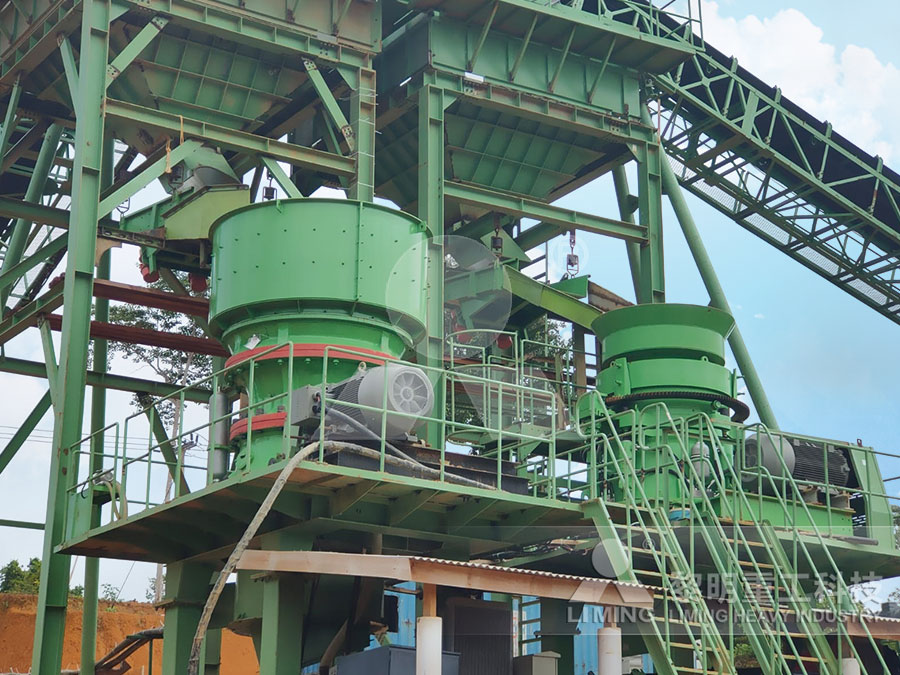
Material Science & Metallurgy
Component failure is not an option. Our selection and treatment of materials are engineered for specific mining applications.
- Abrasion & Impact Resistance: Critical wear components, such as crusher liners, bucket teeth, and chute linings, are fabricated from proprietary high-hardness alloy steels (e.g., ASTM A514, AR400/500) and advanced manganese steels (Hadfield Grade, 11-14% Mn). These materials work-harden under impact, increasing surface hardness while retaining a tough, shock-absorbing core.
- Corrosion & Fatigue Management: For processing and slurry handling, we specify stainless steel grades (e.g., 316L for general corrosion, duplex grades for chloride environments) and apply specialized wear-resistant coatings via HVOF (High-Velocity Oxygen Fuel) spraying or ceramic lining to combat erosion-corrosion synergy.
- Structural Fabrication: Primary frames and support structures utilize high-tensile, low-alloy steels (e.g., S355J2) with rigorous weld procedure qualifications (WPS/PQR per ASME Section IX) to ensure fatigue life exceeds design cycles under dynamic loading.
Engineering Design & Performance Parameters
Equipment must be matched to the mine's specific geotechnical and operational profile. Key design parameters include:
| Parameter | Consideration | Typical Specification Range |
|---|---|---|
| Feed Capacity | Defines system throughput. | 500 - 5,000 TPH (Tons Per Hour), scalable. |
| Feed Size & Hardness | Dictates crusher selection & power requirements. | Up to 1500mm lump size; Unconfined Compressive Strength (UCS) 50 - 350 MPa. |
| Abrasion Index (Ai) | Determines wear material selection & liner life. | Ai 0.1 (low wear) to Ai 0.8 (extremely abrasive). |
| Motor & Drive Ratings | Sized for peak load, not average. | IE3/IE4 high-efficiency motors; fluid couplings or VFDs for soft start. |
| Dust Emission Control | Mandatory for site and regulatory compliance. | < 1 mg/m³ at point of generation via integrated suppression & extraction. |
Compliance & Certification Framework
Our Quality Management System (QMS) is certified to ISO 9001:2015, ensuring traceability and consistency from design to delivery. Product-specific certifications are absolute requirements.
- Machinery Safety: Full compliance with ISO 13849 (Safety of Machinery) and IEC 62061 (Functional Safety). All equipment incorporates Category 3/PLd safety circuits for critical functions, with guarded moving parts, emergency stop systems, and fail-safe braking.
- Explosive Atmospheres (ATEX/Directive 2014/34/EU): Equipment for underground or processing zones is certified for the relevant zone (Zone 1, Category 2G for gas; Zone 21, Category 2D for dust). This governs enclosure integrity (IP ratings), surface temperature, and spark-proof construction.
- Regional & Mine-Site Standards: We engineer to meet and exceed global directives, including MSHA (Mine Safety and Health Administration) in the US, MDG (Mines Design Guidelines) in Australia, and CAN/CSA-M424 in Canada. All pressure vessels comply with ASME BPVC Section VIII or PED 2014/68/EU.
- Functional Advantages of Compliance-Driven Design:
- Predictable Maintenance Intervals: Engineered wear life based on ore characteristics reduces unplanned downtime.
- System Integration Readiness: Designed with standardized communication protocols (e.g., PROFINET, EtherNet/IP) for seamless integration into mine-wide SCADA and IoT monitoring platforms.
- Reduced Total Cost of Ownership (TCO): Superior materials and precision engineering lower lifetime energy consumption, wear part costs, and failure-related production losses.
- Audit-Ready Documentation: Complete technical files, including Declaration of Conformity, risk assessments (per ISO 12100), and certified test reports, are provided for each delivery.
Validation & Testing
Final design validation is conducted through Finite Element Analysis (FEA) for stress and fatigue, and Computational Fluid Dynamics (CFD) for slurry and ventilation systems. Prototype and batch testing under load in our facilities ensures performance meets calculated specifications before site deployment.
Proven Track Record: Trusted by Leading Mining Companies Worldwide
Our components and systems are engineered to the most rigorous standards, serving Tier-1 miners across six continents in the most demanding surface and underground applications. Our partnership is built on delivering measurable reductions in total cost of ownership (TCO) through superior material integrity and engineered reliability.
Core Engineering & Material Science Credentials:
- Advanced Material Formulations: Proprietary alloy grades (e.g., high-chrome white iron, abrasion-resistant (AR) steel plate, and specialized manganese steel compounds) are developed in-house for targeted wear resistance against specific ore characteristics (abrasion index, impact, and corrosion).
- Certified Manufacturing Excellence: Full traceability and quality assurance under ISO 9001:2015, with critical wear parts certified to relevant ISO, CE, and ASTM standards for mechanical properties and safety.
- Mining-Specific Performance Validation: Equipment and liner solutions are proven across a range of critical parameters:
- Ore Hardness & Abrasivity: Engineered for ores from 50 to >600 AI (Abrasion Index).
- System Capacity: Designed for continuous operation in circuits from 500 to 10,000+ TPH (Tonnes Per Hour).
- Service Life Optimization: Liner systems achieve up to a 30% increase in mean time between failures (MTBF) compared to industry benchmarks, validated through lifecycle monitoring.
Documented Performance in Key Applications:
| Application | Component Example | Technical Parameter | Client-Verified Outcome |
|---|---|---|---|
| Primary Crushing | Gyratory Mantle & Concaves | Mn-steel Grade: Modified ASTM A128 | Achieved 1.2M tonnes crushed before change-out at a copper porphyry mine. |
| Grinding / SAG/Ball Mills | Mill Liners & Grinding Media | Alloy: High-Cr Steel (18-28% Cr) | Reduced specific wear rate by 22% in an iron ore processing plant. |
| Bulk Material Handling | Skirtboard & Chute Liners | Material: AR400-500 Plate, Ceramic Composite | Dust suppression improved by 40%; liner life extended 3x over mild steel. |
| Pumping & Hydrotransport | Slurry Pump Wet Ends | Material: ASTM A532 Class III Type A | Maintained efficiency curve for 2,400 hours pumping high-silica tailings. |
Our global installed base is supported by a data-driven service model, where performance metrics are analyzed to inform iterative design improvements. This closed-loop feedback ensures our next-generation solutions directly address the evolving challenges of mineral extraction, from comminution energy efficiency to material handling integrity.
Frequently Asked Questions
How do you ensure wear parts longevity in high-abrasion mining environments?
We use high-manganese steel (e.g., Hadfield Grade 11-14% Mn) for liners and jaws, heat-treated for optimal work-hardening. Parts are designed with wear analytics to predict failure, ensuring replacement cycles align with scheduled maintenance, minimizing unplanned downtime and total cost of ownership.
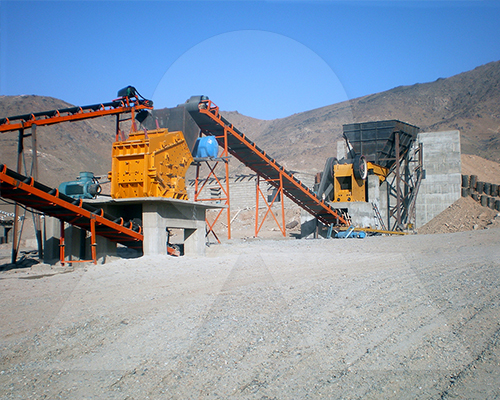
How does your equipment adapt to varying ore hardness on the Mohs scale?
Our crushers feature hydraulic adjustment systems to dynamically modify the closed-side setting (CSS) and chamber pressure. This allows real-time optimization for soft limestone (Mohs 3) or hard granite (Mohs 7+), maintaining throughput and product size without compromising component integrity.
What vibration mitigation strategies are employed in your heavy machinery?
We integrate proprietary damping materials in structural frames and use high-precision, dynamically balanced rotors. Critical connections employ pre-tensioned, high-strength bolts. This controls harmonic resonance, protecting bearings and foundations, which is critical for continuous operation of large crushers and mills.
What is your approach to critical lubrication systems in dusty conditions?
We specify centralized, automated greasing systems (e.g., Lincoln or SKF) with sealed, high-temp lithium-complex grease. For gearboxes, we use synthetic oils with extreme pressure (EP) additives. Systems feature positive air pressure and multi-stage seals to exclude abrasive particulates, ensuring bearing life.
How do you address the challenge of component interchangeability across global sites?
We design to ISO and ASTM standards, using common bearing housings (e.g., SN series) and SAE flange standards. Critical wear parts like filter elements and seals are cross-referenced with major OEMs (Caterpillar, Komatsu), ensuring rapid, reliable sourcing to reduce equipment stand-by time.
Can your systems integrate with existing fleet monitoring and automation platforms?
Yes. Our machinery features standardized CANbus/J1939 data outputs and Modbus TCP/IP protocols. This allows seamless integration with major mine site management systems (e.g., Wenco, Modular Mining) for real-time health monitoring of pressure, temperature, and vibration, enabling predictive maintenance.