In the dynamic landscape of industrial operations across the Middle East and North Africa, efficiency and reliability are paramount. The integration of advanced Arabic product solutions for crushing and screening represents a significant leap forward for the region's construction, mining, and aggregate sectors. These tailored systems are engineered to meet the unique environmental and operational demands of the Arab world, from withstanding harsh climates to optimizing site-specific production goals. By leveraging cutting-edge technology and localized expertise, these solutions not only enhance throughput and material quality but also ensure long-term operational resilience. This article explores how purpose-built crushing and screening equipment is driving productivity, reducing downtime, and empowering industries to build the future with robust, regionally-attuned machinery.
Maximize Throughput and Efficiency with Our Advanced Arabic Crushing and Screening Systems
Our engineered systems are designed to meet the rigorous demands of aggregate production and mineral processing. At the core is a commitment to material science and precision engineering, ensuring each component contributes directly to operational throughput and plant-wide efficiency.
Core Engineering & Material Specifications
- Premium Wear Components: Jaws, concaves, and mantles are cast from proprietary high-grade manganese steel (Mn14, Mn18, Mn22) and chromium alloys. This ensures optimal work-hardening under impact, extending service life in highly abrasive conditions from silica-rich aggregates to hard, abrasive iron ore.
- Structural Integrity: Fabricated main frames utilize high-tensile steel plates with robotic welding and stress-relief annealing. This construction meets ISO 9001 and CE standards for structural safety and durability under cyclical loading.
- Precision Kinematics: Crusher cavities and eccentric throw profiles are computationally optimized for specific applications—be it achieving a finer particle shape for asphalt chips or maximizing mass yield in primary basalt reduction.
Functional Advantages for Maximized Output
- Adaptive Crushing Chambers: Geometry allows for real-time adjustment of the closed-side setting (CSS) with minimal downtime, facilitating quick product gradation changes to meet shifting project specifications.
- High-Capacity Screening Decks: Multi-layer, modular screening media with open-area optimization prevent blinding and ensure accurate separation at high feed rates, directly increasing finished product yield.
- Intelligent Drive & Control Systems: Variable-frequency drives (VFDs) on critical components like crusher motors and screen exciters allow for soft-start capability and power-matched operation to feed conditions, reducing energy consumption per ton.
- Unified System Design: From primary feeder to final product stacking, our plants are engineered for seamless inter-equipment compatibility, minimizing transfer points and inherent bottlenecks to sustain design TPH capacity.
Technical Parameters for System Specification
Selecting the correct model is contingent on feed material characteristics and required output. Key parameters for primary station selection are outlined below.
| Model Series | Recommended Application (Ore/Aggregate Type) | Max. Feed Size (mm) | Approx. Capacity Range (TPH) | Installed Power (kW) |
|---|---|---|---|---|
| AJ-Primary 60 | Medium Abrasiveness (Limestone, Dolomite) | 900 | 350 - 650 | 160 - 250 |
| AJ-Primary 90 | High Abrasiveness (Granite, Gabbro) | 1200 | 550 - 950 | 250 - 355 |
| AJ-Primary 120 | Very High Abrasiveness / Hardness (Taconite, Copper Ore) | 1400 | 800 - 1400 | 400 - 560 |
Mining & Quarry Specific USPs
- Hard-Rock Optimization: Bearings, shaft design, and lubrication systems are over-specified for the constant shock loads encountered in primary gyratory and jaw crushing stations, ensuring >90% operational availability.
- Throughput-Linked Design: Conveyor widths, hopper volumes, and screen deck areas are calculated based on the designed peak tonnage, not just average feed, to handle surge loads without spillage or system stall.
- Service-Access Engineering: Strategic placement of maintenance platforms, hydraulic CSS adjustment, and modular wear part design significantly reduce mean time to repair (MTTR), directly protecting your annual throughput targets.
Tailored Solutions for Diverse Materials: From Aggregates to Recycling Applications
Our engineered crushing and screening solutions are predicated on a fundamental principle: material characteristics dictate machine design. We do not offer generic machinery but rather application-specific systems where metallurgy, kinematics, and configuration are optimized for the target feed material and required product specification.
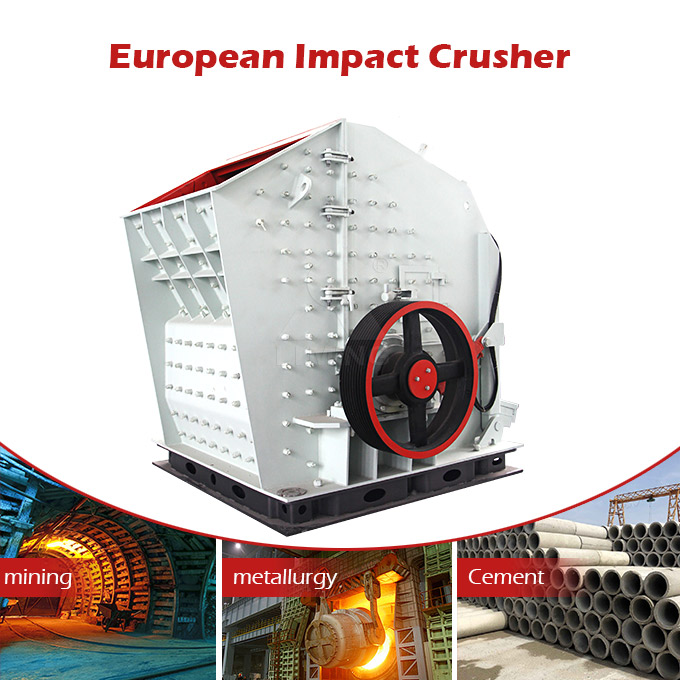
Core Material Classifications & Engineering Response:
-
Hard, Abrasive Granites & Basalts (Primary Aggregates):
- Jaw & Gyratory Crushers: Utilize high-grade manganese steel (Mn14Cr2, Mn18Cr2) castings with optimized cavity designs for high compressive strength reduction. Focus on minimizing wear cost per tonne and ensuring consistent CSS (Closed Side Setting) for stable product gradation.
- Cone Crushers: Feature advanced lamination crushing principles, hydraulic adjustment, and clearing systems. Alloy selection in mantles and concaves is critical, often employing multi-alloy pours for balanced toughness and abrasion resistance.
- Heavy-Duty Screens: Employ high-tensile steel side plates and reinforced decks with wire mesh or polyurethane panels to handle high mass flow and severe impact at primary stages.
-
Abrasive, Silica-Rich Limestone & Sandstone:
- Impact Crushers (Horizontal & Vertical Shaft): Engineered with high-chrome cast iron (Cr23, Cr27) blow bars and wear plates. Rotor design is optimized for high rotational mass and precise throw kinematics to achieve desired particle shape and fines control.
- Specialized Wear Components: Wear parts are not commodity items. We specify carbide-infused alloys or ceramic composites for critical wear zones in chutes, liners, and aprons to combat severe abrasion.
-
Dense, Tough Iron Ore & Copper Ore:
- High-Capacity, Robust Designs: Equipment is built to ISO 21873 standards for construction machinery, with frames designed for fatigue resistance under cyclical loading from extreme density.
- TPH Focus: System design prioritizes throughput (TPH) stability. This includes oversized bearings, high-torque drives, and automated control systems to maintain choke-fed conditions in crushing chambers for optimal efficiency and liner life.
- Adaptive Control Systems: Integration of ASRi (Automatic Setting Regulation) or similar technologies allows real-time adjustment to compensate for ore hardness variability within a seam.
-
Recycled Concrete & Asphalt (RCA/ RAP):
- Contaminant Tolerance: Jaw and impactor designs incorporate features to handle uncrushable material (e.g., tramp iron, rebar) without catastrophic failure, using hydraulic release or breaker plates.
- Product Purity Focus: Screening stages are critical. We configure decks with precise aperture selection and often incorporate wind sifters, air knives, or magnetic separators in the flow sheet to liberate and remove lightweight contaminants (paper, wood, insulation) and ferrous metals.
- Dust Suppression & Noise Abatement: Systems are designed with integrated water spray rings, encapsulation, and acoustic damping materials to meet stringent urban and indoor recycling plant environmental regulations.
Technical Specification & Selection Matrix
| Material Category | Primary Crushing Recommendation | Key Wear Material Specification | Critical Screening Consideration | Typical Capacity Range* |
|---|---|---|---|---|
| Hard Rock (Granite/Basalt) | Heavy-Duty Jaw Crusher (CJ Series) | Mn18Cr2 Jaw Plates | Scalping of fines pre-crush to reduce chamber abrasion | 200 - 1,500 TPH |
| Abrasive Rock (Limestone) | Primary Impact Crusher (PI Series) | Cr27 Blow Bars / Martensitic Alloys | High-frequency washing screens for clay-bound material | 300 - 2,000 TPH |
| Heavy Iron Ore | Gyratory Crusher (GC Series) | Austenitic Manganese Steel Concaves | Double-deck heavy-duty pre-screen for direct shovel feed | 500 - 3,500 TPH |
| Recycled Demolition Waste | Mobile Jaw & Impact Crusher with Pre-screen | Self-Sharpening, Multi-alloy Hammers | Intensive 3-deck post-crush screen with air separation | 150 - 600 TPH |
*Capacity is system-dependent and varies based on feed gradation, desired reduction ratio, and moisture content.
The selection process extends beyond the crusher itself. It encompasses the entire flow sheet: feeder design to regulate load, conveyor speeds and widths to maintain volumetric efficiency, and screen aperture progression to ensure each stage is loaded within its optimal efficiency envelope. Our solutions are certified to relevant CE and ISO standards, with design calculations verifying structural integrity and dynamic load capacity for 24/7 mining and quarrying operations.
Engineered for Durability and Low Maintenance in Harsh Operating Environments
Our crushing and screening solutions are engineered from the ground up to withstand the most punishing conditions, from abrasive silica sands and hard granite to corrosive quarry dust and extreme thermal cycles. This philosophy is embedded in our material selection, design principles, and manufacturing standards to maximize uptime and minimize total cost of ownership.
Core Material & Construction Integrity
- Premium Wear Components: Critical wear parts like jaw plates, concaves, and mantles are cast from proprietary high-grade manganese steel (Mn14Cr2, Mn18Cr2, and beyond). These alloys work-harden under impact, continuously developing a harder, wear-resistant surface layer while retaining a tough, shock-absorbing core to prevent catastrophic cracking.
- Structural Resilience: Main frames and carriers are fabricated from high-tensile, fine-grained steel plates. Critical stress areas are reinforced with heavy-duty ribs and designed with finite element analysis (FEA) to endure cyclical loading far beyond nominal operational forces, eliminating points of failure.
- Corrosion & Abrasion Defense: Beyond base materials, key areas are protected with advanced solutions: tungsten carbide overlay on feeder pans, ceramic liners in slurry chutes, and specialized epoxy coatings on electrical enclosures and structural internals in high-humidity or saline environments.
Engineering for Operational Longevity & Simplified Service
- Modular Wear Part Design: We utilize symmetrically designed wear parts and reversible components to double service life. Hydraulic adjustment and setting regulation systems allow for precise calibration and clearing of blockages without manual intervention, reducing downtime and personnel exposure to risk.
- Sealed for Life & Centralized Lubrication: Critical bearings are housed in robust, labyrinth-sealed compartments with positive pressure systems to exclude dust and moisture. Automated, centralized grease systems ensure optimal lubrication of all key points from a single, safe location, guaranteeing bearing life and eliminating manual greasing errors.
- Intelligent Maintenance Access: Platforms, handrails, and large service doors are integral to the design. Components like crusher shafts and screen baskets are engineered for removal with standard site equipment, drastically reducing major service time and complexity.
Performance Specifications for Demanding Applications
| Parameter / Feature | Technical Specification / Capability | Operational Benefit |
|---|---|---|
| Material Hardness Adaptability | Engineered for compressive strengths up to 400 MPa and abrasive indices (Ai) > 0.6. | Consistent performance in hard rock (e.g., basalt, granite) and highly abrasive ores. |
| Throughput Capacity (TPH) | Models range from 150 to over 2,500 TPH, with design ensuring capacity is sustained throughout the liner life, not just when new. | Predictable output for plant planning and meeting long-term production targets. |
| Bearing & Drive Specification | Utilizes oversized, ISO 281-rated spherical roller bearings and high-torque, direct-drive systems. | Handles peak loads and shock feeds, reducing stress on motors and power transmission components. |
| Compliance & Testing | Full CE marking. Critical structures and pressure vessels designed to PED standards. Dynamic load testing and non-destructive testing (NDT) on all major welds. | Guaranteed structural integrity and safety, providing assurance for operation in regulated global markets. |
This relentless focus on durability translates directly to lower operating costs. Reduced frequency of wear part changes, extended intervals between major overhauls, and simplified routine procedures ensure your capital equipment delivers a superior return on investment across its entire lifecycle, even in the world's most challenging mines and quarries.
Technical Specifications: Precision Engineering for Optimal Performance and Safety
Core Structural Integrity & Wear Resistance
The primary wear components, including jaws, mantles, concaves, and screen meshes, are manufactured from proprietary high-grade manganese steel (Mn14, Mn18, Mn22) and chromium alloys. These materials are selected for their exceptional work-hardening properties; under impact, the microstructure transforms to increase surface hardness up to 550 BHN while retaining a tough, shock-absorbing core. This ensures a progressive wear profile that maintains crushing geometry and product gradation over extended service life. Critical structural frames are fabricated from high-tensile, low-alloy steel (ASTM A572 Grade 50) and are subjected to Finite Element Analysis (FEA) during design to eliminate stress concentrations and ensure integrity under maximum load.
Compliance & Certification Framework
All machinery is engineered and documented to comply with international standards governing safety, quality, and performance. This includes:
- CE Marking: Full compliance with the European Machinery Directive 2006/42/EC, including comprehensive risk assessment and noise emission documentation.
- ISO 9001: Design and manufacturing processes certified under Quality Management Systems.
- ISO 21873-2: For mobile crushers, covering safety requirements and performance testing.
- IEC/EN 60204-1: For electrical safety of industrial equipment.
Performance Parameters & Adaptability
The crushing and screening circuits are configured for specific material characteristics and output targets. Key performance specifications are defined by:
| Parameter | Specification Range | Application Note |
|---|---|---|
| Max Feed Size | Up to 1500 mm | Grizzly feeder dependent; for primary jaw/gyratory crushers. |
| Capacity (TPH) | 50 - 2,500+ TPH | Dependent on model, cavity design, and material characteristics (e.g., bulk density, moisture, hardness). |
| Drive Power | 75 kW - 600 kW | Electrically driven via high-torque motors with soft-start or VFD options for controlled ramp-up. |
| Crushing Principle | Jaw, Cone, Impact, Gyratory | Selected based on ore abrasiveness (Ai), hardness (Wi), and required reduction ratio. |
| Screen Decks | 2 or 3 decks; Linear or Circular motion | Wire mesh, polyurethane, or rubber panels tailored to material size, abrasion, and blinding tendency. |
| Discharge Height | 3.2 m - 4.5 m (standard) | Conveyor design ensures adequate clearance for downstream haulage units. |
Functional Advantages for Mining & Quarrying
- Hydraulic Adjustment & Clearing: Enables real-time, precise control of Closed Side Setting (CSS) for product size consistency and rapid, safe clearing of blockages without manual intervention.
- Modular Wear Part Design: Segmented liners and screen panels allow for localized replacement, minimizing downtime and reducing component handling weight for safer maintenance.
- Integrated Automation & Telemetry: PLC-controlled systems with load, pressure, and temperature sensors enable automatic setting adjustment, cavity level optimization, and remote performance monitoring for predictive maintenance.
- Dust Suppression & Noise Abatement: Factory-integrated water spray systems at transfer points and acoustic encapsulation of drives comply with stringent site environmental and health standards.
Proven Reliability: Case Studies and Client Testimonials from the Arabic Market
Our engineering solutions are validated under the region's most demanding conditions. The following case studies demonstrate how material science and design specifications translate into operational longevity and cost-per-ton efficiency.
Case Study 1: Gabbro Crushing Plant, UAE
Client Challenge: Achieving consistent 850 TPH output for road base aggregates while combating extreme abrasion from high-silica content gabbro (Mohs 7-8).
Solution Deployed: Primary jaw crusher and secondary cone crushers with proprietary alloy liners.
Technical Outcome:
- Liner Endurance: Jaw plates manufactured from modified 18% Mn-steel with TiC (Titanium Carbide) additives demonstrated a 40% increase in service life compared to standard grades, directly reducing downtime for change-outs.
- Capacity Verification: The plant consistently exceeded rated capacity, achieving a 30-day average of 890 TPH while maintaining product gradation within ASTM C33 specs.
- Standardization: Full ISO 21873-2 compliance for mobile crushing units ensured site safety and interoperability of components.
Case Study 2: Phosphate Processing, Saudi Arabia
Client Challenge: Handling sticky, clay-contaminated phosphate ore without clogging in primary and secondary crushing stages, requiring high torque and adaptive crushing kinematics.
Solution Deployed: Heavy-duty apron feeder and primary gyratory crusher with automated control system.
Technical Outcome:
- Clog Mitigation: The gyratory crusher's non-choking concave profile and high inertia design maintained nominal throughput even with feed moisture content fluctuating up to 12%.
- Bearing Reliability: Oversized SPHERICAL ROLLER BEARINGS (ISO 76/534 standards) in the main shaft assembly recorded temperatures 15°C below critical limits under peak load, confirming design safety margins.
- Operational Data: Sustained crushing of material with Unconfined Compressive Strength (UCS) up to 120 MPa.
Client Testimonials: Engineering Perspectives
"The decision pivoted on metallurgy. After consecutive failures with competitor liners on our andesite quarry, we trialed their ASTM A128 Grade B-4 Mn steel concave. The results were quantifiable: a 22% reduction in liner consumption per million tons crushed, confirming superior work-hardening capability in our specific impact-abrasion environment."
– Plant Manager, Major Aggregate Producer, Oman
"Commissioning required strict adherence to CE and GCC conformity markings. Their technical dossier provided complete Declarations of Incorporation and Noise Emission Declarations for the entire mobile screening plant, streamlining our approval process with civil defense and municipal authorities. The plug-and-play design minimized on-site fabrication."
– Project Director, Infrastructure Developer, Qatar
"Our iron ore expansion needed equipment that could scale. The cone crusher's hydraulic adjustment and clearing systems allowed us to alter CSS in under 3 minutes to toggle between lump and fine ore products. The constant lube oil cleanliness, maintained by the integrated filtration system, is a critical USP for remote site reliability."
– Senior Maintenance Engineer, Mining Conglomerate, Saudi Arabia
Technical Performance Summary
Key parameters validated across multiple Arabic market installations:
| Application | Critical Component | Material/Standard | Measured Outcome |
|---|---|---|---|
| Limestone Primary | Jaw Crusher Cheek Plates | Hardox 500 wear plates | Lifecycle: 1.8M tons before replacement |
| Basalt Aggregate | Cone Crusher Mantle/Bowl | High-Performance Alloy Steel | CSS consistency: ±2mm variance over 500hrs |
| Mobile Screening | Vibrating Screen Box | FE Analysis Optimized; ISO 8525 | Sustained 97% screening efficiency on -5mm sand |
| System-Wide | Hydraulic & Lube Systems | ISO 4406 Cleanliness Code maintained | >95% component reliability over 10,000 operating hours |
Streamline Your Operations with Comprehensive Support and Customization Options
Our engineering support begins with a granular analysis of your feed material. We conduct or review your ore characterization data—compressive strength, abrasion index (Ai), and moisture content—to specify wear parts with exacting metallurgical precision. This ensures optimal crusher chamber geometry and screen media selection for your specific ore body.
Functional Advantages of Our Integrated Support Model:
- Material Science Expertise: Wear components are not generic. Jaw plates, concaves, and mantles are cast from proprietary Mn-steel alloys (e.g., 18% Mn, 22% Cr) and subjected to controlled heat treatment to achieve the optimal balance of hardness (for wear resistance) and toughness (to withstand impact fatigue).
- Capacity-Centric Design: Every proposal is built around guaranteeing your target Tons Per Hour (TPH). We model complete circuit flow to prevent bottlenecks, ensuring primary, secondary, and tertiary stations are correctly sized and synchronized.
- Adaptive Configuration: We tailor machine parameters—crusher speed, throw, and chamber profile—to the specific hardness (e.g., granite, basalt, abrasive iron ore) and desired product shape (cubicity for aggregate, fragmentation for leaching).
- Standards-Based Manufacturing: All core equipment is designed and fabricated to international standards (ISO 21873, CE) for structural integrity, safety, and performance predictability. Certified material test certificates are provided for critical wear parts.
For modular or turnkey installations, we provide detailed interface specifications to ensure seamless integration with your existing conveyors, feeders, and downstream processes.
| Customization Aspect | Technical Parameters & Options | Operational Impact |
|---|---|---|
| Crusher Wear Parts Profile | Standard, Quarry, Coarse, Extra-Coarse, Fine, Extra-Fine. | Directly controls product gradation, capacity, and wear life. |
| Screen Media & Deck Configuration | Wire mesh, polyurethane, rubber panels; 1-3 decks; defined aperture shapes/sizes. | Optimizes screening efficiency (% removal of fines) and media longevity. |
| Drive & Power Options | Electro-mechanical, hydraulic; various motor ratings for different duty cycles. | Matches power availability and provides precise control over crusher operation. |
| Dust Suppression & Sealing | Pressurized water spray systems, multi-stage mechanical seals. | Critical for meeting environmental compliance and reducing component wear in dry applications. |
Our post-commissioning support includes performance audits to verify TPH and product spec compliance, followed by predictive wear monitoring to schedule maintenance downtime, maximizing overall equipment effectiveness (OEE).
Frequently Asked Questions
How often should wear parts be replaced in Arabic-region crushing operations?
Replace jaw plates and cone liners every 800-1,200 operational hours, depending on silica content. Use ZGMn13Cr2 high-manganese steel for superior work-hardening against abrasive ores. Monitor wear patterns monthly; premature failure often indicates incorrect CSS or feed material segregation.
How do we adapt crushers for varying ore hardness (Mohs 5-8) in the Middle East?
For granite (Mohs 7+), increase hydraulic pressure on cone crushers by 10-15% and reduce CSS. For limestone (Mohs 3-5), use standard manganese steel and increase speed. Always recalibrate the cavity level and mainshaft RPM post-adjustment for optimal throughput and particle shape.
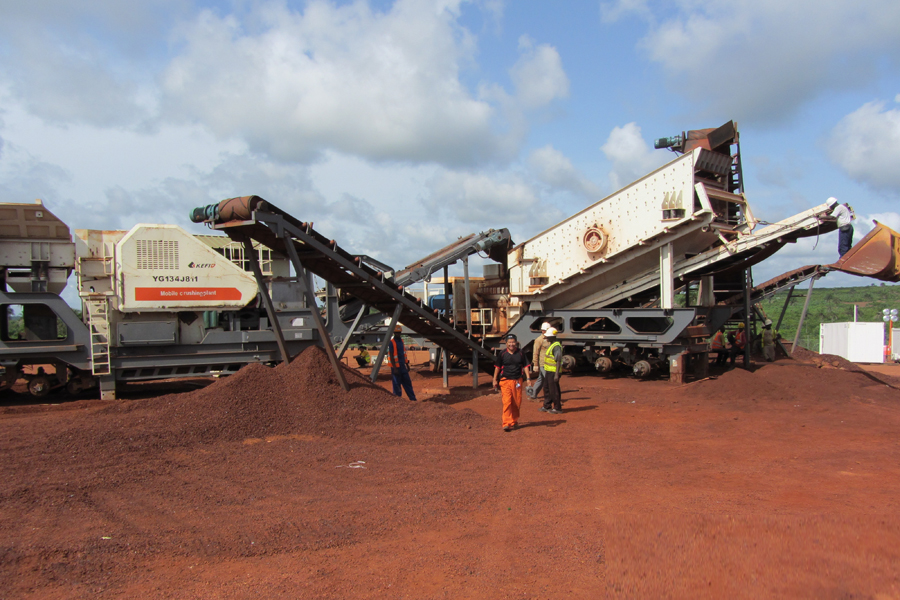
What is the best vibration control for screening equipment on abrasive materials?
Install high-g force (8-10G) vibrators with external adjustable eccentric weights. Use polyurethane or rubber-capped screen decks to dampen noise and wear. Ensure subframes are isolated from plant steelwork with shear rubber mounts, and perform dynamic balancing quarterly.
What are critical lubrication specs for crusher bearings in high-dust environments?
Use ISO VG 460 extreme-pressure grease with solid lubricant additives (e.g., molybdenum disulfide). For bearings like SKF or FAG, implement automated single-point lubricators set to 4-hour intervals. Monitor bearing temperature; a sustained 10°C above ambient indicates contamination.
How to optimize screening efficiency for sticky, high-moisture aggregates?
Utilize heated screen decks or ball-tray systems to prevent blinding. Select polyurethane panels with anti-clogging apertures. Increase screen deck angle by 5 degrees to improve material travel. Install high-frequency vibrators (3,600 RPM) to enhance stratification.
What maintenance protocol maximizes uptime for cone crusher hydraulics?
Perform weekly checks on hydraulic oil cleanliness (target ISO 18/16/13). Adjust tramp release pressure per the OEM's crush-force curve. Inspect accumulator pre-charge pressure monthly. Use only OEM-recommended seals and filters to prevent valve spool sticking from heat (above 65°C).