Chromium Quarry in Turkey
Turkey is one of the world’s leading producers and exporters of chromium, a critical mineral used primarily in the production of stainless steel and alloy manufacturing. The country’s chromium resources are predominantly located in the central and eastern Anatolian regions, with the most significant deposits found in the provinces of Elazığ, Guleman (within Kırşehir Province), and Fethiye (in Muğla Province). These regions host serpentinized ultramafic rocks, which are the primary geological hosts for chromite—the principal ore of chromium.
The Guleman chromite field, discovered in the 1930s, remains the most historically important and productive chromium mining area in Turkey. Operated by both state-owned enterprises and private companies, the Guleman mines have supplied high-grade metallurgical-grade chromite for decades. According to data from the U.S. Geological Survey (USGS), Turkey consistently ranks in the top five global producers of chromium, with annual production averaging between 1.5 and 2 million metric tons of chromite ore.
Chromite deposits in Turkey are primarily of the "stratiform" type, formed through magmatic segregation in ophiolite complexes—remnants of ancient oceanic crust uplifted during tectonic collisions. The deposits in the Fethiye-Burdur region, part of the Lycian nappes, are also significant and have been exploited since the mid-20th century. These deposits tend to be lower in grade compared to Guleman but remain economically viable due to proximity to processing facilities and ports..jpg)
Mining methods in Turkish chromium quarries vary depending on geology and deposit depth. In Guleman, both underground and open-pit methods are employed. Shallow, near-surface deposits are extracted via open-cut operations, while deeper veins are accessed through drift and raise mining techniques. Safety and environmental regulations have been strengthened in recent years under pressure from national legislation and European Union alignment policies, though challenges related to dust control, waste rock management, and land reclamation persist.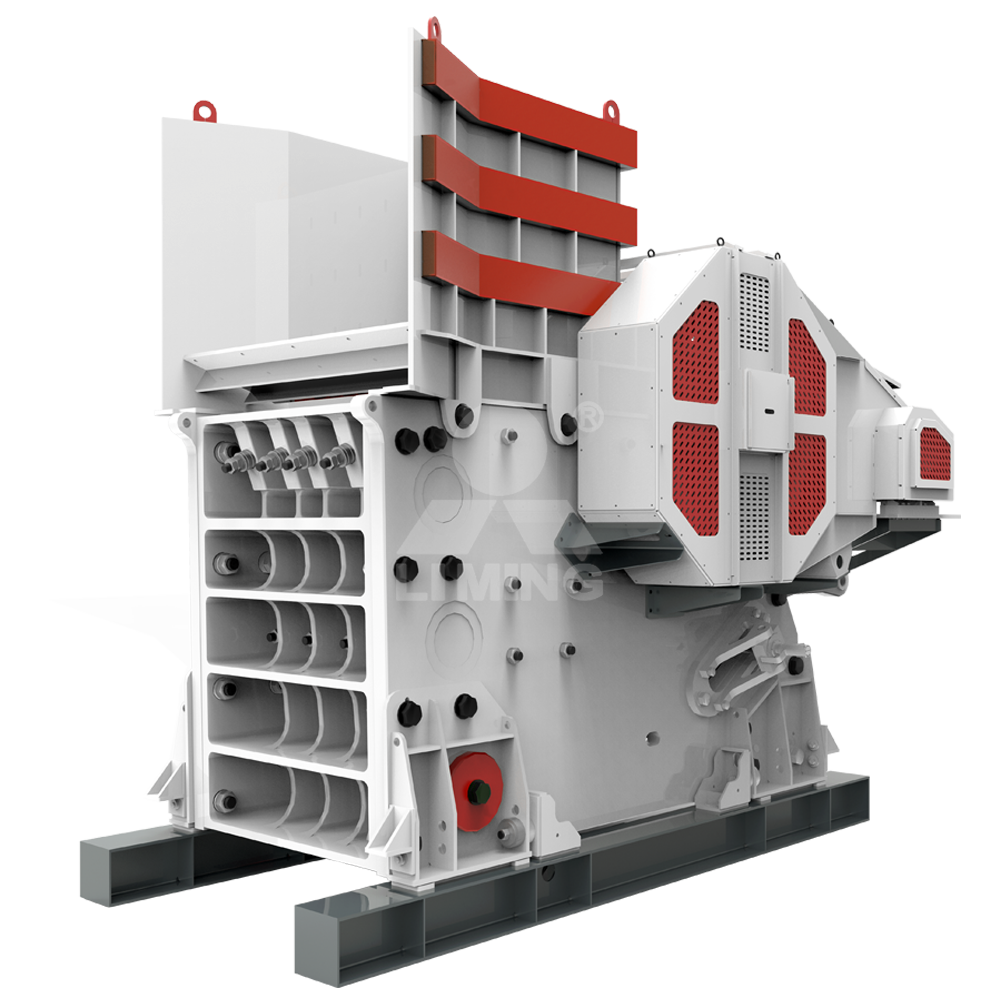
The chromium sector in Turkey is tightly linked to the global stainless steel industry. A large portion of the raw chromite is processed domestically into ferrochrome, an iron-chromium alloy essential for stainless steel production. Major industrial zones in Karabük and Çoroğlu have integrated ferrochrome plants that rely heavily on domestic chromite supplies.
Despite its abundant resources, Turkey faces global competition from larger producers such as South Africa, Kazakhstan, and India. However, its strategic location between Europe and Asia, combined with established infrastructure and experienced labor, continues to support its role as a key player in the chromium supply chain.
According to the Ministry of Energy and Natural Resources of Turkey, the country holds approximately 10% of the world’s known chromite reserves, estimated at around 60 million metric tons. Exploration activities continue, particularly in underexplored ophiolitic belts in eastern Anatolia, supported by geological surveys conducted by the General Directorate of Mineral Research and Exploration (MTA).
In summary, Turkey’s chromium quarries, particularly in Guleman and Fethiye, form a vital component of the global chromium market. Backed by substantial reserves, historical mining expertise, and strategic industrial integration, Turkey remains a stable and significant source of chromium supply for international metallurgical industries.