Conveyor belting in South Africa has become a cornerstone of the nation’s heavy‑industry infrastructure, underpinning the mining, bulk‑material handling, and manufacturing sectors with reliable, high‑performance solutions that meet both local standards and global best practices. The market, driven by sustained investment in mineral extraction, expanding port facilities, and a growing emphasis on automation, now supports a diversified supply chain of international manufacturers, regional fabricators, and specialist service providers, all of which are adapting to tighter safety regulations, sustainability pressures, and the demand for longer service life in harsh operating environments.
South Africa’s mining sector remains the primary consumer of conveyor belts, accounting for roughly 60 % of total belt usage according to a 2022 industry survey conducted by the South African Institute of Mining and Metallurgy (SAIMM). The country’s rich deposits of gold, platinum‑group metals, iron ore, and coal require continuous bulk transport over distances that can exceed 30 km in some open‑pit operations. In these applications, heavy‑duty steel‑cord and fabric‑reinforced belts with tensile strengths above 250 N/mm² are favoured for their durability and resistance to the abrasive, high‑temperature conditions typical of ore handling.
Beyond mining, conveyor belting is integral to the country’s port and logistics network. The expansion of the Port of Durban and the development of the Transnet Freight Rail (TFR) corridor have spurred demand for high‑speed, low‑maintenance belts capable of moving containers, bulk cargo, and automotive parts at rates exceeding 300 m/min. Modular plastic‑covered belts, such as those supplied by Flexco and Fenner, are increasingly adopted in these environments because of their ease of cleaning, resistance to corrosion, and reduced downtime during belt changes. 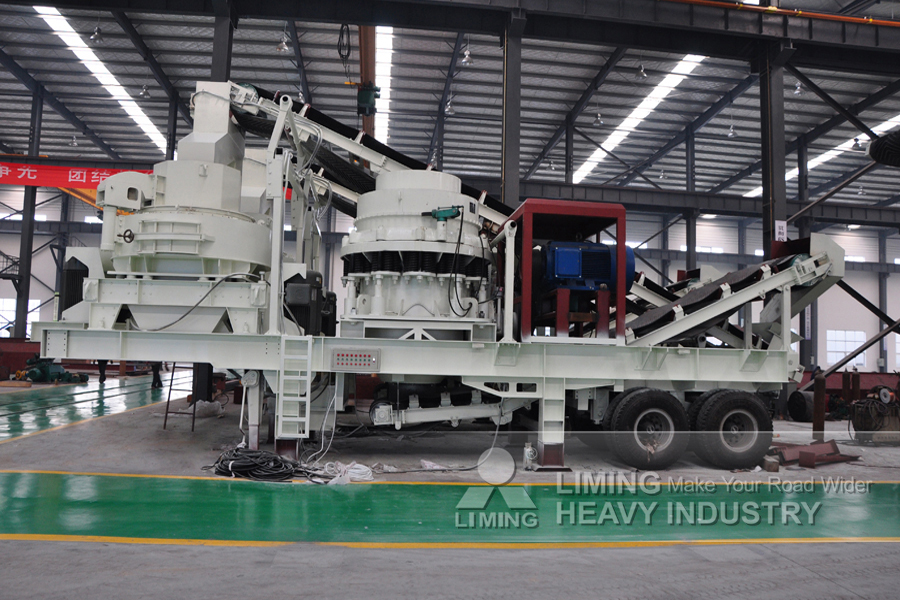
The supply landscape in South Africa is characterised by a blend of global OEMs and locally established distributors. International manufacturers such as Continental, Bridgestone, and Intralox maintain regional sales offices in Johannesburg and Cape Town, providing direct access to the latest belt technologies, including polyurethane‑coated, fabric‑reinforced, and steel‑cord variants. Local distributors—among them Belting Solutions, B & W Conveyor Belting, and R. J. B. Engineering—play a critical role in tailoring these products to South African specifications, offering on‑site installation, preventive maintenance, and rapid spare‑part logistics that are essential for remote mining sites.
Compliance with South African standards is a non‑negotiable aspect of belt selection and installation. The South African Bureau of Standards (SABS) publishes the SABS 1012 series, which aligns closely with the International Organization for Standardization (ISO) 9001 and ISO 14001 frameworks, covering belt material quality, testing procedures, and environmental management. In addition, the Mine Health and Safety Act (MHS Act) mandates rigorous risk assessments for conveyor systems, requiring protective guarding, emergency stop mechanisms, and regular inspection regimes. Failure to meet these requirements can result in substantial fines and operational shutdowns, underscoring the importance of partnering with suppliers who possess SABS certification and a proven track record of regulatory compliance.
Key challenges confronting the conveyor‑belt market in South Africa revolve around the country’s climatic diversity and the aging infrastructure of many mining operations. The high ambient temperatures of the interior plateau, combined with intense solar radiation, accelerate belt wear and promote heat‑related failures. To mitigate these effects, manufacturers are promoting belts with advanced heat‑resistant polymer covers and low‑friction steel‑cord cores that maintain tensile strength at temperatures above 80 °C. Moreover, the prevalence of legacy conveyor systems—some dating back to the 1970s—creates a demand for retrofitting solutions that extend belt life without necessitating full‑scale plant shutdowns. Modular belt designs, quick‑release tensioning devices, and predictive maintenance software are increasingly employed to address these constraints. 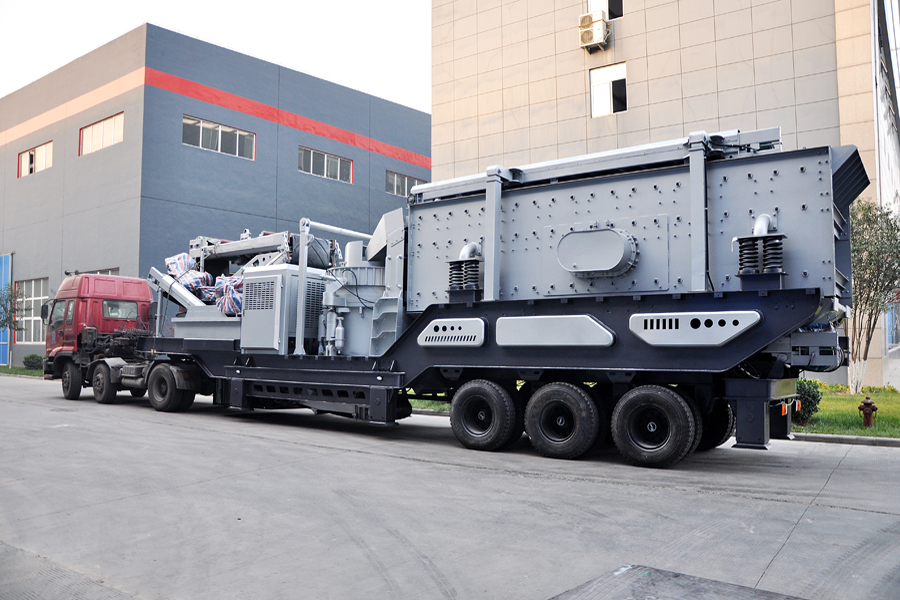
Sustainability has emerged as a decisive factor shaping belt technology adoption. The South African government’s National Development Plan (NDP) emphasizes reduced carbon emissions and resource efficiency across the industrial sector. In response, belt manufacturers are developing lightweight, energy‑efficient products that lower the overall power consumption of conveyor drives. For example, the use of high‑strength, low‑weight synthetic fibres such as aramid and polyester reduces belt mass by up to 30 %, directly decreasing motor load and associated greenhouse‑gas output. Additionally, recycling initiatives—supported by the Department of Environmental Affairs—encourage the reclamation of end‑of‑life belts, with several local firms now offering take‑back programmes that process used rubber and polymer components into secondary raw materials.
The future outlook for conveyor belting in South Africa is closely tied to the nation’s broader economic diversification agenda. As the country seeks to expand its renewable‑energy portfolio, large‑scale solar farms and wind‑power installations will rely on conveyor systems for the transport of raw materials such as sand, gravel, and steel components. Simultaneously, the burgeoning automotive assembly sector, centred around the Eastern Cape’s automotive hub, is expected to increase demand for precision‑engineered belts that support just‑in‑time production lines. Market analysts project a compound annual growth rate (CAGR) of 4.5 % for the South African conveyor‑belt market between 2024 and 2029, driven primarily by these emerging applications and ongoing mine‑life extensions.
To capitalise on this growth, stakeholders must focus on three strategic priorities. First, investment in advanced belt monitoring technologies—such as wireless vibration sensors and AI‑based fault detection—will enable operators to transition from reactive to predictive maintenance, reducing unplanned downtime and extending belt service intervals. Second, strengthening local manufacturing capabilities, perhaps through joint ventures between multinational OEMs and South African fabricators, can lower logistics costs and improve supply‑chain resilience, especially for remote mining sites where lead times are critical. Third, aligning product development with the country’s sustainability targets will not only meet regulatory expectations but also provide a competitive advantage in a market where environmental stewardship is increasingly a procurement criterion.
In summary, conveyor belting in South Africa is a mature yet evolving sector, anchored by the country’s mining heritage while expanding into new industrial frontiers. The convergence of stringent safety standards, climatic challenges, and a growing emphasis on energy efficiency is driving innovation across belt materials, design, and service models. Companies that combine technical expertise with a deep understanding of local regulatory and environmental contexts are well positioned to capture the opportunities presented by South Africa’s ongoing industrial transformation.