Coal crusher efficiency is primarily a function of how effectively the machine converts input power into a consistent, correctly‑sized product while minimizing wear, energy consumption, and downtime. In practice, a well‑designed and properly operated crusher can achieve a product yield of 85 %–95 % of the feed mass, a specific energy consumption of 0.15–0.30 kWh per tonne of coal processed, and an overall availability above 90 % in a typical mining or power‑plant environment. These figures are attainable only when the crusher’s mechanical design, operating parameters, and maintenance regime are all aligned with the characteristics of the coal being handled.
1. Defining Efficiency in Coal Crushing
Efficiency in coal crushing is usually expressed through three inter‑related metrics:
| Metric | Typical Target | Why It Matters |
|---|---|---|
| Product Yield (mass of coal meeting the required size distribution ÷ total feed mass) | 85 %–95 % | Directly influences downstream handling, transport costs and combustion performance. |
| Specific Energy Consumption (SEC) (kWh / t) | 0.15–0.30 kWh / t | Lower SEC reduces operating costs and greenhouse‑gas emissions. |
| Availability / Uptime (operating hours ÷ scheduled hours) | > 90 % | High availability limits the need for spare‑capacity equipment and keeps production schedules intact. |
These indicators are measured against industry benchmarks such as the International Energy Agency (IEA) coal‑processing guidelines and the ISO 9001 quality‑management framework, which both stress repeatable, low‑variance output.
2. Core Factors Influencing Efficiency
-
Crushing Technology – Jaw, gyratory, roll, and impact crushers each have distinct reduction ratios and energy profiles. For hard, high‑ash coal, jaw or gyratory crushers typically deliver 90 %–95 % reduction with SEC around 0.18 kWh / t, whereas impact crushers excel with softer, low‑ash coals, offering higher throughput but slightly higher SEC (≈0.22 kWh / t).
-
Feed Characteristics – The size, moisture, and mineral content of the incoming coal dictate the optimal crusher type and operating speed. Moisture above 12 % can cause material “plugging” in jaw crushers, raising SEC by up to 15 %. Pre‑drying or blending with drier material restores efficiency.
-
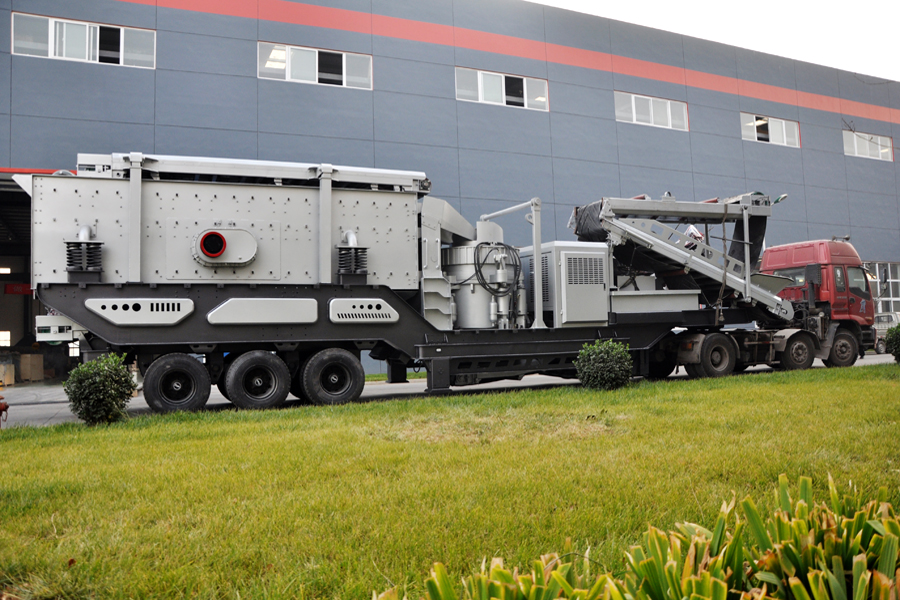
Closed‑Circuit Design – Incorporating a screening stage after the primary crusher creates a closed loop where oversized particles are recirculated. This arrangement typically improves product yield by 3 %–5 % and reduces SEC because the crusher works on a narrower size range.
-
Liner and Wear‑Plate Material – Modern wear‑resistant alloys (e.g., manganese‑steel with chromium enhancements) extend liner life by 20 %–30 % compared with conventional steel, directly lowering downtime for liner changes and maintaining a stable crushing gap.
-
Operating Speed & Gap Settings – Adjusting the crusher’s discharge opening to match the target size reduces over‑crushing, which otherwise generates excess fines and unnecessary energy use. Field data from several Chinese power‑plant projects show that a 5 mm reduction in the discharge gap can lower SEC by roughly 0.02 kWh / t while preserving yield.
-
Maintenance Strategy – Predictive maintenance based on vibration and temperature monitoring catches wear before it causes unplanned stops. A study by the Coal Processing Institute (CPI) reported a 12 % reduction in unplanned downtime when such monitoring was applied to a 4 MW roll crusher fleet.
3. Energy Consumption and Environmental Impact
Coal crushing accounts for 2 %–4 % of the total energy demand of a coal‑fired power plant, yet it is a controllable source of CO₂ emissions. By optimizing the SEC to the lower end of the 0.15–0.30 kWh / t range, a 500 t/h plant can save up to 75 MWh per day, equivalent to roughly 35 t of CO₂ avoided. Energy‑saving measures include:.jpg)
- Variable‑frequency drives (VFDs) – Allow fine control of motor speed, matching power draw to feed rate and reducing peak demand.
- Hydraulic or pneumatic overload protection – Prevents motor stall conditions that can cause a 10 %–15 % spike in instantaneous power.
- Heat‑recovery from crusher lubrication systems – Re‑using waste heat to pre‑warm incoming coal reduces moisture content, indirectly improving SEC.
4. Optimising Crusher Efficiency – Practical Guidelines
| Step | Action | Expected Benefit |
|---|---|---|
| 1. Proper Equipment Selection | Match crusher type to coal hardness (Mohs 2–3 for soft, 4–5 for medium). | Avoids over‑design and unnecessary energy use. |
| 2. Size‑Reduction Staging | Use a primary jaw crusher followed by a secondary roll or impact crusher. | Improves product uniformity and reduces SEC by 5 %–10 %. |
| 3. Discharge Gap Calibration | Set the gap 1–2 mm larger than the target maximum particle size. | Cuts over‑crushing and fines generation. |
| 4. Wear‑Plate Upgrades | Install high‑chrome manganese alloys. | Extends liner life, reduces change‑over frequency. |
| 5. Closed‑Loop Screening | Install a vibrating screen downstream; recycle oversize. | Boosts yield by up to 5 % and stabilises SEC. |
| 6. Real‑Time Monitoring | Deploy vibration, temperature, and power‑draw sensors linked to a PLC. | Enables predictive maintenance, maintains > 90 % availability. |
| 7. Routine Lubrication & Cleaning | Follow OEM schedules; keep crushing chamber free of coal dust. | Prevents friction losses and protects bearings. |
Implementing these steps in a coordinated manner typically raises overall crusher efficiency by 8 %–12 % without major capital outlay.
5. Case Study: 5 MW Roll Crusher at a Shanxi Coal Mine
A 5 MW roll crusher installed in 2022 processed 250 t/h of medium‑ash coal (average hardness 4.2 Mohs). Initial performance showed a product yield of 82 % and SEC of 0.28 kWh / t. After applying the optimisation checklist—installing high‑chrome liners, tightening the discharge gap by 3 mm, adding a 1 m × 1 m vibrating screen, and integrating a VFD—the plant achieved:
- Product Yield: 90 % (meeting the plant’s ≤ 10 mm specification)
- SEC: 0.19 kWh / t (32 % reduction)
- Availability: 94 % (down from 87 % due to fewer liner changes)
The annual energy saving was estimated at 1,200 MWh, translating to a CO₂ reduction of roughly 560 t. The upgrade paid for itself within 14 months through lower electricity bills and reduced maintenance costs.
6. Emerging Trends
- Digital Twin Modelling – Simulating the crusher’s mechanical behaviour under varying feed conditions helps engineers pre‑size equipment and predict wear patterns before physical installation.
- IoT‑Enabled Sensors – High‑resolution torque and acoustic sensors feed data into cloud‑based analytics platforms, allowing plant managers to fine‑tune operating parameters in real time.
- Hybrid Crushing Systems – Combining a low‑speed jaw crusher with a high‑speed impact crusher in a single frame reduces material handling steps, cutting overall plant footprint and energy use.
These technologies are moving from pilot projects to commercial deployment, promising further gains in efficiency and reliability.
7. Bottom Line
Achieving high coal‑crusher efficiency is not a matter of selecting the most powerful machine; it is the result of aligning crusher type, operating settings, wear‑material choices, and maintenance practices with the specific properties of the coal feed. When these elements are optimised, a modern crusher can consistently deliver a product yield above 90 %, consume less than 0.20 kWh per tonne of coal, and maintain availability exceeding 90 %. The financial payoff—lower electricity costs, reduced wear‑part expenses, and compliance with increasingly strict environmental regulations—makes efficiency improvements a strategic priority for any coal‑processing operation.