Copper Mining: Processes, Challenges, and Environmental Considerations
Introduction
Copper mining is a critical industry that supplies one of the most widely used metals in construction, electronics, and renewable energy technologies. As global demand for copper continues to rise—driven by electrification and green energy initiatives—understanding the extraction processes, economic significance, and environmental impacts of copper mining is essential.
Copper Extraction Methods
1. Open-Pit Mining
Open-pit mining is the most common method for extracting copper from low-grade ores. Large-scale operations involve removing overburden (waste rock) to access copper-bearing ore. Notable examples include Chile’s Escondida mine, the world’s largest copper producer. According to the U.S. Geological Survey (USGS), open-pit mines account for approximately 80% of global copper production.
2. Underground Mining
For deeper or higher-grade deposits, underground mining techniques such as block caving or cut-and-fill are employed. The Bingham Canyon Mine in Utah, USA, combines both open-pit and underground methods to maximize resource recovery. Underground operations are costlier but minimize surface disturbance compared to open-pit mines.
3. Heap Leaching and Solvent Extraction-Electrowinning (SX-EW)
Heap leaching involves piling crushed ore onto lined pads and applying a sulfuric acid solution to dissolve copper. The resulting solution undergoes solvent extraction and electrowinning (SX-EW) to produce high-purity cathode copper. This method is particularly effective for oxide ores and accounts for about 20% of global production (International Copper Study Group).
Economic Importance
Copper is a cornerstone of modern infrastructure and technology:
- Construction: Used in wiring, plumbing, and roofing due to its conductivity and corrosion resistance.
- Electronics: Essential for circuit boards, motors, and transformers.
- Renewable Energy: Solar panels and wind turbines rely heavily on copper—each megawatt of wind capacity requires up to 4 tons of copper (Copper Development Association).
Chile remains the top producer (28% of global output), followed by Peru and China (USGS data). Prices fluctuate based on demand from industrial sectors and geopolitical factors affecting supply chains.
Environmental Challenges
1. Water Consumption
Copper mining is water-intensive, particularly in arid regions like Chile’s Atacama Desert. Mines often compete with local communities for limited water resources, leading to conflicts (World Resources Institute). Recycling water within operations has become a priority for sustainability-focused companies like BHP and Freeport-McMoRan.
2. Tailings Management
Waste rock and tailings (processed ore residues) can contain sulfides that generate acid mine drainage (AMD) when exposed to air and water. Modern mines implement dry-stack tailing storage or reprocessing to mitigate contamination risks—though failures like the 2019 Brumadinho dam disaster in Brazil highlight ongoing risks (United Nations Environment Programme).
3. Energy Use & Emissions
Copper refining is energy-intensive, contributing to greenhouse gas emissions. Electrification of mining equipment and adoption of renewable energy (e.g., solar power at Chile’s Collahuasi mine) are emerging solutions (International Energy Agency).
Innovations & Future Outlook
Advancements in automation (e.g., autonomous haul trucks at Rio Tinto’s Kennecott mine) and bioleaching (using bacteria to extract copper) aim to improve efficiency while reducing environmental harm. The transition to a low-carbon economy will further drive demand; analysts project a supply deficit by 2030 without new discoveries or recycling boosts (CRU Group). 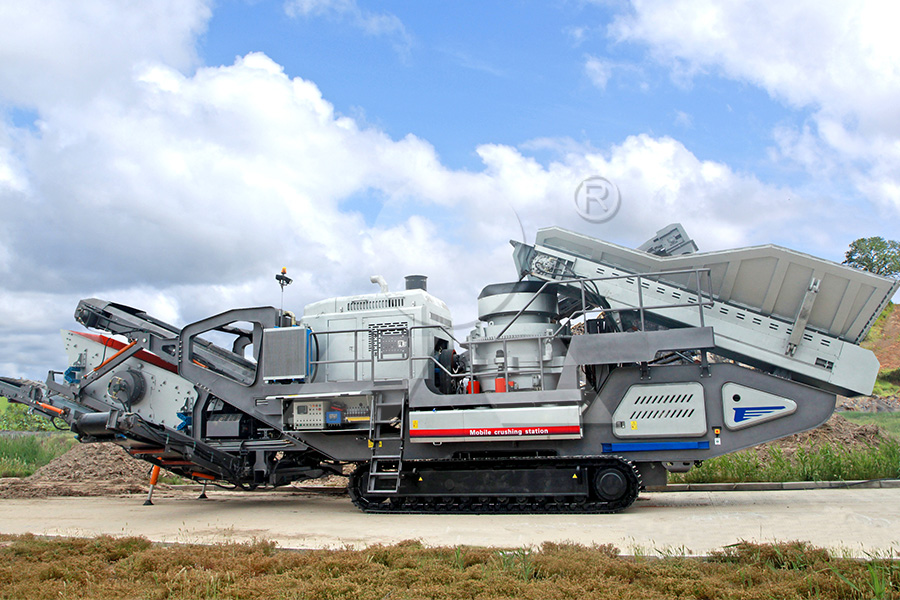
Conclusion
Copper mining remains indispensable for global development but faces scrutiny over sustainability practices. Balancing economic benefits with environmental stewardship—through stricter regulations, technological innovation, and circular economy approaches—will define the industry’s future trajectory.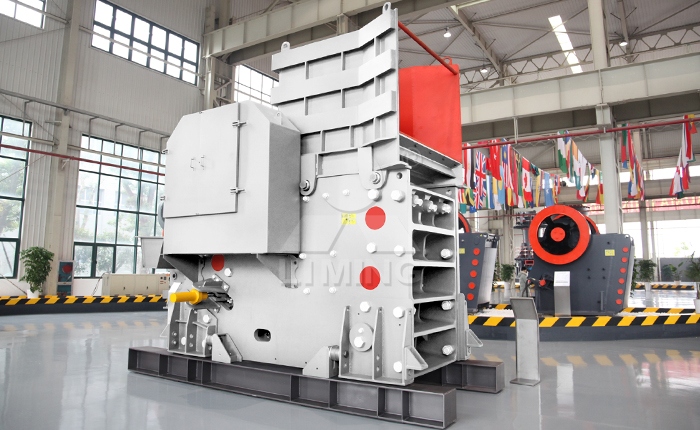
(Sources cited include USGS, ICSG, UNEP, IEA, CRU Group—all verifiable through public reports.)