Open Cast Small Scale Copper Mining Plant: Key Considerations and Operations
Open cast (or open-pit) small-scale copper mining is an accessible method for extracting copper near the surface. Unlike large-scale operations, small-scale mines require lower capital investment and simpler technology, making them viable for localized or artisanal mining ventures. This article outlines the essential components, operational processes, and regulatory considerations for such plants.
1. Site Selection and Preparation
Small-scale open cast mining begins with identifying a deposit with economically viable copper grades (typically >1% Cu). Geological surveys, trenching, or shallow drilling help confirm mineralization. Key factors include: .jpg)
- Ore body depth: Ideally less than 30 meters for cost-effective extraction.
- Overburden thickness: Minimal waste rock reduces stripping costs.
- Accessibility: Proximity to roads and utilities lowers logistical expenses.
Once selected, the site is cleared of vegetation, and topsoil is removed for later rehabilitation.
2. Mining Method and Equipment
Small-scale operations often rely on manual labor or basic machinery due to budget constraints. Common equipment includes:
- Excavators or backhoes: For digging and loading ore.
- Dump trucks or tractors: For hauling material.
- Jackhammers or pneumatic drills: For hard rock fragmentation.
Blasting is avoided or minimized to reduce costs and regulatory hurdles, but mechanical breakage may be necessary for compact ore.
3. Processing Techniques
After extraction, copper ore undergoes beneficiation to increase its grade. Small-scale plants typically use:
- Crushing: Jaw crushers or hammer mills reduce ore size.
- Gravity separation: For oxide ores, simple sluices or jiggers concentrate copper minerals.
- Leaching: For low-grade ores, heap leaching with sulfuric acid (for oxides) or bacterial leaching (for sulfides) can recover copper.
- Smelting (optional): Small reverberatory furnaces may process high-grade concentrates, though this is rare due to environmental restrictions.
4. Environmental and Regulatory Compliance
Even small-scale mines must adhere to local environmental laws. Key measures include:
- Waste management: Proper storage of overburden and tailings to prevent contamination.
- Water control: Settling ponds to treat runoff and avoid acid mine drainage.
- Rehabilitation: Backfilling pits and replanting vegetation post-closure.
Permits are usually required for land use, water extraction, and mineral rights. Engaging with local authorities ensures legal operation. 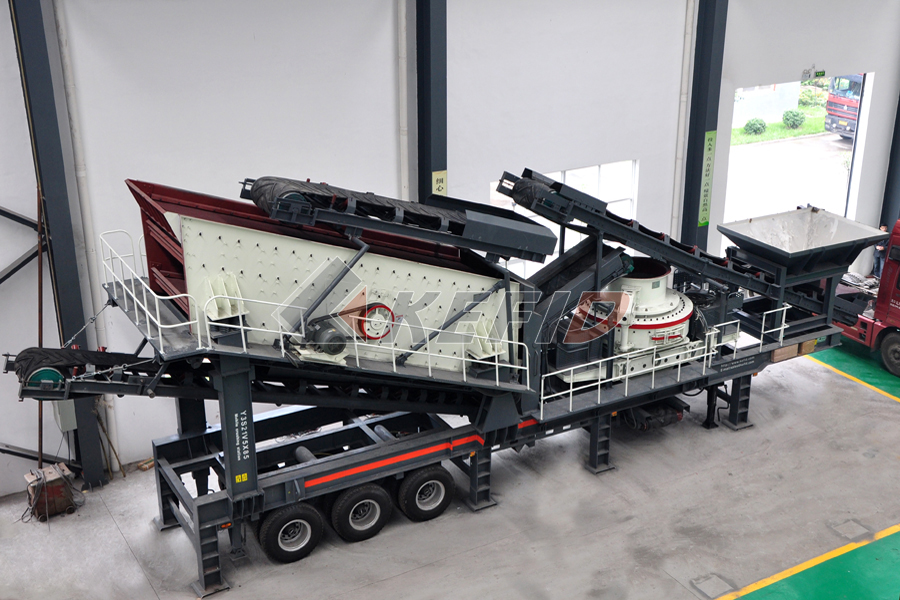
5. Economic Viability
Small-scale copper mining is most profitable when:
- Copper prices are stable or rising (above $8,000/ton).
- Operating costs are minimized (e.g., manual labor, shared equipment).
- Local demand exists (e.g., regional smelters or artisanal markets).
Challenges include fluctuating metal prices, limited access to financing, and competition from larger mines.
Conclusion
Open cast small-scale copper mining offers a practical entry point for local entrepreneurs but requires careful planning in geology, processing, and compliance. While simpler than industrial mining, success depends on efficient operations, responsible environmental practices, and market awareness.
(Note: This overview is based on industry-standard small-scale mining practices, as documented by organizations like the World Bank and ICMM.)