In the dynamic landscape of American construction and aggregate production, maximizing efficiency and return on investment is paramount. The market for USA used mobile sand making machines presents a compelling opportunity for savvy operators seeking to enhance their crushing capabilities without the capital outlay of new equipment. These versatile, pre-owned systems combine the power of vertical shaft impact (VSI) technology with unparalleled mobility, allowing crews to produce high-quality spec sand directly at the job site. By repurposing robust, field-proven machinery, businesses can significantly reduce project timelines, lower material transport costs, and adapt swiftly to the demands of diverse projects—from highway construction to commercial development. This exploration delves into the practical advantages and key considerations for integrating these agile workhorses into your operations.
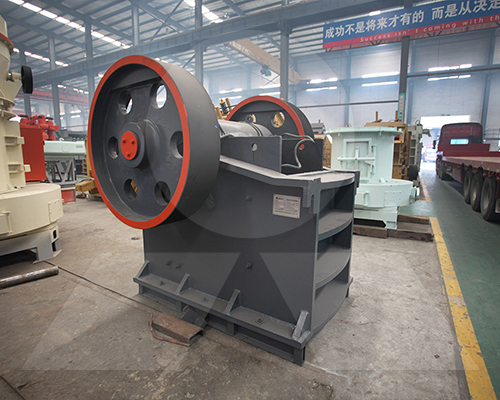
Maximize Your Quarry Output with a Proven, High-Performance Mobile Sand Maker
A high-performance mobile sand maker is not merely a crusher on wheels; it is a strategically deployed, self-contained processing plant engineered to transform your quarry's raw feed into premium specification sand at the point of extraction. The core advantage lies in eliminating haulage of waste material and primary crushed rock to a fixed plant, thereby slashing cycle times and fuel costs while directly increasing the yield of your most valuable product: in-spec sand.
The operational superiority of a well-maintained, late-model used machine hinges on its fundamental design and component integrity. Critical wear parts are the differentiator between sustained high output and costly downtime.
- Rotor & Anvil/Diaphragm Core: The heart of the system. Look for a closed-rotor design fabricated from high-tensile steel, offering superior inertia and durability over welded plate constructions. Paired with a massive, multi-port anvil or adjustable diaphragm, this creates the intense rock-on-rock or rock-on-metal impact necessary for optimal cubical shaping and high reduction ratios.
- Wear Component Metallurgy: This is where material science dictates profitability. Premium machines utilize air-quenched, high-chromium iron (Hi-Chrome) for hammers/impeller bars and anvils, offering the best balance of abrasion resistance and impact strength for granite, trap rock, and abrasive ores. For less abrasive but tougher materials (e.g., some limestones, recycled concrete), manganese steel (Mn-14% to 18%) components that work-harden may be specified. Verify the grade and provenance of spare parts.
- Feed System & Pre-Screen: A robust, vibrating grizzly feeder with by-pass chute is non-negotiable. It removes sub-40mm fines and contaminants before they enter the crushing chamber, preventing packing, reducing wear, and boosting final sand quality. Hydraulic adjustment of feeder speed and grizzly bar spacing is a key feature for adapting to variable feed.
- Onboard Screening & Closed-Circuit Capability: The true mark of a high-output sand maker, not just a crusher. An integrated, high-capacity post-screen (typically a double- or triple-deck) allows for immediate closed-circuit operation. Oversize material is recirculated back to the crusher, ensuring a single-pass, precisely graded product. This eliminates the need for a separate screening plant in many applications.
For operations processing hard, abrasive feed (e.g., granite, quartzite, copper ore), the following technical parameters are critical for evaluating a used unit's capability:
| Parameter | Typical Target Specification for High-Abrasion Duty | Engineering Rationale |
|---|---|---|
| Max Feed Size | Up to 4" (100mm) post-grizzly | Optimizes reduction ratio for sand production; minimizes wear from oversized slabs. |
| Throughput (TPH) | 200 - 400 TPH (dependent on closed-circuit setup & material) | Must align with your loader/feed capacity to avoid bottlenecks. |
| Drive Power | 500 HP - 750 HP (375 kW - 560 kW) Diesel/Electric | Provides the necessary rotor tip speed (70-90 m/sec) for violent fracture and shaping. |
| Crusher Type | Vertical Shaft Impact (VSI) with rock shelf or rotor cascade | Proven technology for superior particle shape and sand yield over HSI in most applications. |
| Hydraulic System | Standard for crusher lid, feed plate, and anvil/diaphragm adjustment | Enifies safe, rapid maintenance and on-the-fly tuning of product gradation. |
| Certification | CE Mark (for EU-built), OSHA-relevant safety interlocks, ISO 21873-2 for mobile crushers | Indicates original design conformity to international safety and performance standards. |
Ultimately, maximizing output is a function of system synchronization. The mobile sand maker must be correctly spec'd to your specific ore hardness (consulting the Mohs scale and Bond Work Index data is advised) and integrated with adequate hauling and stockpiling logistics. A pre-purchase inspection by a qualified technician should verify not just mechanical condition, but the compatibility of its core wear package with your material. The right machine transforms geological constraints into a reliable, high-margin sand production asset.
Why Choose a USA-Refurbished Machine: Unmatched Reliability and Cost Savings
A USA-refurbished mobile sand making machine represents a capital investment where total cost of ownership and operational reliability are paramount. The key value proposition lies in a rigorous, standards-based re-manufacturing process applied to a core platform originally built to stringent North American industrial specifications. This yields a machine with predictable performance at a fraction of new-equipment cost.
Core Technical Advantages of a Professionally Refurbished Unit:
- Structural & Wear Component Integrity: The refurbishment process is not cosmetic. Critical wear parts—impellers, anvils, feed tubes, and liners—are inspected via dye-penetrant or magnetic particle testing. Worn components are replaced with OEM or superior-grade alloys (e.g., high-chrome iron for abrasion resistance, specific manganese steel grades for impact zones) matched to the target material's abrasion index (Ai) and Silicon (SiO2) content.
- Powertrain & Bearing System Overhaul: The heart of the machine is rebuilt. This includes certified reconditioning or replacement of the crusher's main bearing assembly, a full service of the hydraulic system with new fluids and seals, and a comprehensive rebuild of the diesel engine or electric drive motors to meet original equipment performance curves.
- Modernized Control & Safety Systems: Legacy relay panels are often replaced with a modern, PLC-based control system. This upgrade integrates current safety interlocks, provides real-time operational data (bearing temperature, vibration, power draw), and enables precise adjustment of crusher parameters for optimal product gradation.
- Frame & Chassis Reinforcement: The main frame and crawler chassis are inspected for stress fractures and fatigue. Critical welds are re-tested, and structural members are reinforced if required, ensuring the platform can handle the dynamic loads of mobile crushing in demanding pit or quarry conditions.
Quantifiable Cost-Savings & Operational Certainty:
| Parameter | New Machine | USA-Refurbished Machine | Implication |
|---|---|---|---|
| Capital Expenditure (CAPEX) | Base Price = 100% | Typically 40-60% of new | Preserves capital for other plant investments; faster ROI. |
| Lead Time to Operation | 6-9 months (build & ship) | 4-8 weeks (refurb & deploy) | Dramatically reduces project timeline, enabling quicker revenue generation. |
| Known Performance Metrics | Projected based on specs | Documented from prior service life; TPH capacity and final product shape are proven. | Eliminates performance guesswork; allows for precise plant integration. |
| Parts & Service Compatibility | OEM-specific, potentially with long lead times. | Utilizes standard, proven North American component libraries with local supplier networks. | Reduces downtime through parts commonality and local technical support access. |
Mining & Aggregate Specific Reliability Factors:
The original design ethos of machines built for the US market addresses critical operational demands. A proper refurbishment restores these inherent advantages:
- Adaptability to Variable Feed: Robust rotor designs and heavy-duty bearing housings are engineered to handle fluctuating feed sizes and occasional tramp metal, common in recycling and mining applications.
- High-Tonnage Capability: Platforms are sized for sustained high TPH (Tons Per Hour) output in granite, basalt, and iron ore applications, with refurbishment ensuring all systems are balanced to handle design capacity.
- Compliance & Certification: A professional refurbisher will ensure the machine meets all relevant current safety standards (OSHA guidelines, CE marking where applicable) and that all pressure vessels and structural modifications are certified.
In essence, selecting a USA-refurbished mobile sand maker is an engineering decision. It prioritizes a known, validated mechanical platform restored to a defined performance standard, thereby mitigating the technical and financial risks associated with unproven new equipment or non-documented used machinery. The outcome is a production-ready asset with a transparent service history and a clear path to sustained, profitable operation.
On-Site Flexibility and Rapid Deployment: Engineered for American Job Sites
The core value proposition of a used mobile sand making machine for the American market lies in its engineered capacity to transform variable, remote, or time-sensitive material deposits into viable commercial assets. This is not merely mobility, but a systems-level approach to on-site material processing designed for the logistical and geological realities of U.S. operations.
Technical Foundations for Rapid Deployment
- Modular, Road-Legal Chassis Design: Units are built on heavy-duty tri-axle chassis engineered to meet U.S. DOT regulations for over-the-road transport without permits in most states. This eliminates lengthy disassembly/reassembly cycles. Key components (crusher, feeder, screen, conveyors) are integrated as discrete, pre-wired modules, allowing for setup or reconfiguration in under 48 hours with standard site equipment.
- Self-Sufficient Power Systems: Machines are typically offered with integrated, EPA Tier 4 Final/V-rated diesel-electric generators or direct diesel hydraulic drives. This provides full operational independence from local grid infrastructure, a critical advantage in greenfield sites or reclaimed mining operations.
- Advanced Hydraulic Systems: Engineered for stability and precision. Proportional control hydraulics allow for on-the-fly adjustment of feeder rates, crusher rotor speed, and conveyor slew functions from the central control cabin. Systems are designed for high ambient temperature operation (up to 120°F) common in southwestern U.S. sites.
Engineering for Material and Site Adaptability
The flexibility is meaningless without the durability to process demanding feed materials. This is where material science and robust design converge.
- Wear Part Metallurgy: The economic viability hinges on wear component life. High-grade alloys are non-negotiable.
- Rotor Tips & Anvils: Utilize premium tungsten carbide inserts (e.g., Kennametal, Sandvik grades) brazed onto high-chrome iron (Hi-Cr, 26% Cr) or martensitic steel backings. This provides optimal resistance to abrasion from silica-rich granite, trap rock, or slag.
- Feed Tubes, Cascade Rings, and Liners: Fabricated from abrasion-resistant steel (AR400/500) or composite wear liners with ceramic inserts for severe-service applications processing highly abrasive ores or recycled concrete with metal contaminants.
- Crushing Chamber Geometry: Modern vertical shaft impact (VSI) crushers, the heart of most mobile sand makers, feature adjustable cascading anvil rings or rock-on-rock chambers. This allows operators to tune the machine for different product specifications—from concrete sand to asphalt chips—without changing major components, adapting to shifting project demands.
Operational Parameters for Site Planning
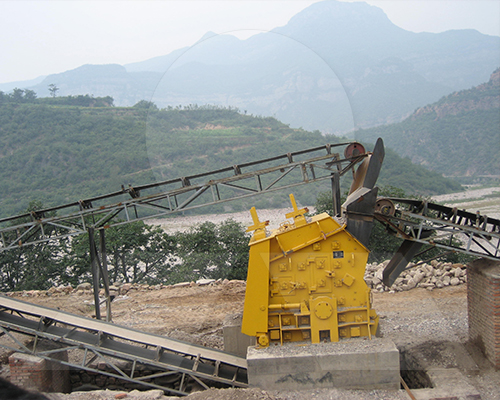
| Parameter | Typical Range & Impact on Site Flexibility |
|---|---|
| Feed Hopper Capacity | 5 – 8 cubic yards. Allows for direct feed from mid-sized wheel loaders, minimizing rehandle. |
| Maximum Feed Size | 2" – 3" (50mm – 75mm). Enables direct processing of secondary crusher discharge, bypassing additional crushing stages. |
| Throughput (TPH) | 150 – 350 TPH, depending on machine size and material hardness (e.g., limestone vs. granite). Capacity must be matched to upstream feed and downstream stockpiling logistics. |
| Closed-Circuit Capability | Integrated or modular sizing screens (typically 5' x 16' to 6' x 20') allow for on-board recirculation of oversize material, ensuring spec product on the first pass and maximizing yield from finite on-site material. |
| Dust Suppression | Integrated, high-pressure spray bar systems with programmable timers are essential for compliance with MSHA and local air quality regulations, enabling operation in sensitive or populated areas. |
Compliance and Safety Integration
Deployment speed cannot compromise regulatory adherence or operator safety. Reputable used machines will retain their foundational certifications and be adaptable to modern standards.
- Structural Certification: The main frame and lifting points should have documented engineering stamps, verifying design integrity. Look for evidence of compliance with ISO 21873 (mobile crushers) or relevant ANSI standards.
- Machine Safety Systems: Includes emergency stop pull cords along all conveyors, platform guarding compliant with OSHA 1926.1400, and functional lock-out/tag-out (LOTO) points at all major power units and hydraulic banks.
- Emissions Compliance: Power units in newer used models (post-2015) will be EPA Tier 4 Final or Tier 4 Interim, essential for operation in all U.S. jurisdictions without restriction.
Advanced Crushing Technology for Consistent, High-Quality Sand Production
The core of a high-performance mobile sand maker is its crushing chamber and rotor assembly. For consistent production of in-spec sand, especially from abrasive feedstocks like granite, trap rock, or slag, the technology must prioritize wear resistance, controlled particle shaping, and operational stability. Modern used machines from leading OEMs incorporate these principles through hardened material science and precision engineering.
Critical Material Specifications for Durability:
- Rotor Tip & Anvil Blocks: Premium machines utilize high-chrome cast iron (HCCI) or tungsten carbide-tipped (TCT) wear parts. HCCI offers superior abrasion resistance with a hardness of 60+ HRC, while TCT provides the ultimate longevity for highly abrasive applications.
- Rotor Body & Feed Tube: Constructed from AR400 or Hardox 400/500 steel plate to withstand continuous impact from feed material, preventing structural fatigue and maintaining alignment.
- Cascade & Feed Lips: Often fabricated from manganese steel (Mn14% / Mn18%) for its exceptional work-hardening capability under repeated impact, extending service life in high-wear zones.
Precision Particle Shaping & Control:
The closed rotor design with a high tip speed (up to 85 m/s) is standard for producing cubical, well-graded sand. Key functional advantages include:
- Rock-on-Rock & Rock-on-Iron Crushing: Configurable anvil rings or rock shelves allow for dual crushing action. Rock-on-rock is optimal for abrasive, low-silica materials to reduce wear; rock-on-iron provides greater reduction ratios for harder ores.
- Cascading Feed System: Ensures an even, continuous stone-on-stone impact within the rotor, optimizing reduction efficiency and preventing unbalanced load.
- Adjustable Gap & Speed Control: Hydraulic or mechanical adjustment of the crushing gap, combined with variable frequency drive (VFD) on the rotor motor, allows real-time tuning of product gradation (fineness modulus) without shutdown.
Technical Standards & Operational Assurance:
Reputable used equipment will have been manufactured to ISO 9001 quality standards and carry CE marking, indicating conformity with EU health, safety, and environmental directives—a proxy for robust design. Critical operational USPs to verify include:
- Adaptability to Ore Hardness: A competent machine will have a proven track record across a range of compressive strengths, from softer limestone (<150 MPa) to hard volcanic rock (>350 MPa).
- Sustained TPH Capacity: Look for documented performance data. A well-maintained used mobile VSI should deliver 80-90% of its original rated throughput (e.g., a unit rated for 400 TPH should reliably produce 320-360 TPH in a similar application).
- Bearing & Drive Design: Large-diameter, spherical roller bearings housed in a rigid, temperature-monitored assembly are essential for handling off-balance loads and ensuring 24/7 viability.
Key Technical Parameters for Evaluation:
When assessing a used mobile sand maker, request documentation or inspect for the following specifications:
| Parameter | Specification & Importance |
|---|---|
| Rotor Diameter & Width | Determines maximum feed size and volumetric capacity. A larger diameter rotor typically yields better particle shape. |
| Drive Power (kW/HP) | Indicates achievable throughput and ability to process hard feed materials. Direct drive systems offer higher power transmission efficiency. |
| Max Feed Size | Must align with your upstream crushing circuit's closed-side setting (CSS). Typically ranges from 40mm to 65mm. |
| Throughput Range (TPH) | Verify the rated range for your specific material density (e.g., 1.6 t/m³ for granite). |
| Weight (Mobile Unit) | A higher total weight often correlates with a more robust chassis and crusher frame, reducing vibration. |
Technical Specifications and Performance Metrics: Built for Durability and Efficiency
Core Construction & Material Specifications
The structural integrity of a used mobile sand making machine hinges on its wear part composition and frame engineering. Primary wear components, such as the rotor tips, anvils, and feed tube liners, are typically fabricated from high-chrome or tungsten carbide alloys. For impact crusher-based systems, aprons and breaker plates are commonly cast from manganese steel (Mn14, Mn18, or Mn22% grades), chosen for its exceptional work-hardening properties that increase resistance to abrasion over time. The main chassis and hopper are constructed from high-tensile, abrasion-resistant steel plate (often AR400 or AR500), with critical stress points reinforced via ribbed plating and full-penetration welds. Reputable units will conform to recognized international standards for design and manufacturing, including ISO 21873 (Mobile crushers) and carry CE marking, indicating compliance with EU safety, health, and environmental requirements—a benchmark for quality.
Performance & Operational Metrics
Performance is quantified by throughput capacity and product gradation control. Key metrics include:
- Throughput (TPH): Ranges from ~150 to over 500 TPH depending on model, feed size, and material density. A well-maintained used machine should operate within 85-95% of its original OEM-rated capacity.
- Feed Size & Hardness: Capable of processing feed material up to 60" in diameter for primary units, with a compressive strength tolerance often exceeding 350 MPa (50,000 psi), suitable for granite, basalt, and abrasive ores.
- Closed-Side Setting (CSS): Adjustable hydraulically or mechanically, allowing precise control over final product size, typically from 1" down to 3/16" fines for sand production.
- Power Plant: Diesel-electric or direct diesel-hydraulic drives, with engine power ratings from 400 HP to 700+ HP, ensuring sufficient torque for high-inertia crushing.
| Parameter | Typical Range | Notes |
|---|---|---|
| Max Feed Size | 24" - 60" | Dependent on crusher type (HSI, VSI, Cone) and mobile configuration. |
| Capacity (TPH) | 150 - 500+ | Varies significantly with material density, hardness, and desired output gradation. |
| Crusher Drive Power | 400 - 750 HP | Direct diesel or electric motor drive; critical for maintaining rotor speed under load. |
| Product Size Range | 3/16" - 4" | Adjustable via hydraulic CSS or rotor speed (for VSI). |
| Operating Weight | 90,000 - 150,000 lbs | Impacts transport regulations and on-site mobility. |
Functional Advantages for Demanding Applications
- Adaptive Crushing Chambers: Optimized geometry for rock-on-rock or rock-on-steel crushing, maximizing reduction ratio and minimizing wear cost per ton.
- Advanced Automation: Modern used units often retain functional PLC-based control systems for real-time monitoring of bearing temperature, hydraulic pressure, and rotor velocity, enabling automatic adjustments and fault protection.
- Mobility & Setup: Integrated hydraulic systems for quick set-up/tear-down, including jacking legs, crusher lid openers, and conveyor folding, reducing relocation time to hours.
- Gradation Control: Precise tuning of rotor speed and cascade flow (in VSI designs) allows production of in-spec manufactured sand, optimizing particle shape and fineness modulus for concrete or asphalt mixes.
Due Diligence Inspection Points
When evaluating a used machine, prioritize verification of:
- Wear Part History: Documentation of replacement cycles for high-wear items; remaining life on rotor body, anvils, and liners.
- Bearing & Drive Integrity: Service records for main shaft and auxiliary drive bearings; inspection of gearbox oil analysis reports.
- Structural Soundness: No evidence of fatigue cracking or non-OEM welding on the main frame, hopper, and crusher support arms.
- System Functionality: Full operational test of all hydraulic functions, conveyor tracking, and control system alarms.
Trusted by Industry Leaders: Our Inspection, Warranty, and Support Guarantee
Pre-Purchase Inspection & Certification
Every machine undergoes a 150-point inspection protocol developed from decades of field data. This is not a visual check; it is a forensic analysis of critical wear components and system integrity.
- Rotor & Wear Parts Analysis: The heart of the machine is inspected for fatigue cracks via MPI (Magnetic Particle Inspection). Wear liners, impeller shoes, and anvils are measured against OEM specifications. We document the remaining percentage of high-chrome (27% Cr) or tungsten carbide overlay, providing a predictive lifespan for abrasive processing.
- Structural & Bearing Integrity: Mainframe and bearing housings are checked for alignment and stress deformation. Vibration analysis on the main rotor bearings is performed under load to detect early signs of spalling or imbalance, preventing catastrophic field failure.
- Hydraulic & Electrical Systems: All hydraulic functions—including crusher gap adjustment, lid opening, and conveyor hydraulics—are tested for pressure, cycle time, and leaks. PLCs and motor starters are verified for correct operation and safety interlock functionality.
- Certification & Documentation: Each unit receives a signed Certificate of Inspection detailing component grades, remaining service life estimates, and a non-negotiable list of any recommended immediate repairs. Full OEM documentation, including electrical schematics and parts manuals, is provided.
Warranty & Performance Guarantee
Our warranty is engineered for operational certainty, not merely parts replacement.
| Warranty Tier | Coverage Scope | Key Technical Parameters Guaranteed |
|---|---|---|
| Core Component Warranty | Covers major assemblies against material defects and workmanship. | Rotor integrity (dynamic balance), main bearing housing alignment, drive shaft metallurgy. |
| Supported Performance Metrics | Verified through pre-shipment testing with customer-provided or standard aggregate. | Throughput (TPH) within ±10% of stated capacity for defined feed (≤600mm, 80% passing). Product gradation curve matching OEM specification for a given CSS. |
| Wear Part Warranty | Pro-rated based on documented remaining life from inspection. | Material certification for Mn-steel (18% Mn, 2% Cr) or alloy steel wear parts; hardness verified (500-550 BHN). |
Post-Sale Engineering Support
Your operational continuity is backed by direct access to engineers who understand the machine's metallurgy and kinematics.
- Commissioning & Optimization: Remote or on-site support for initial setup, focusing on achieving optimal rotor velocity (65-85 m/s tip speed) for your specific material hardness (e.g., granite, basalt, or recycled concrete).
- Lifecycle Management: We provide wear part consumption forecasts based on your feed material's abrasion index (Ai) and recommend the correct alloy (e.g., martensitic steel for impact, ceramic composite for pure abrasion) to minimize your cost per ton.
- Legacy System Support: Dedicated support for older control systems and discontinued OEM components. We engineer and source direct replacements, ensuring no machine is obsolete due to a proprietary part shortage.
- Priority Parts Logistics: A managed inventory of mission-critical components—from genuine OEM rotor assemblies to compatible high-wear liners—with expedited shipping to minimize downtime.
Frequently Asked Questions
What is the typical wear cycle for crusher wear parts on a used mobile sand maker?
Expect 80-120 hours for blow bars in abrasive silica applications. Use high-chrome (Cr26) or ceramic-insert hammers for extended life. Monitor wear monthly; replace liners at 60% wear depth to prevent catastrophic rotor damage. Always source OEM-spec parts for proper metallurgy and balance.
How can I adapt a used mobile sand machine for different ore hardness (e.g., granite vs. limestone)?
Adjust rotor speed and crusher gap. For hard granite (Mohs 6-7), reduce speed to 45-50 m/s tip speed and narrow the gap. For soft limestone, increase speed. Confirm the mainframe and bearing housing are rated for the target material's compressive strength to avoid structural fatigue.
What are critical vibration control checks before deploying a used machine?
Conduct a full dynamic balance test on the rotor assembly; imbalance must be below 6.3 mm/s. Inspect and replace all vibration mounts (e.g., LORD or VibroSystem). Use a spectrum analyzer to check for misalignment or bearing defects. Excessive vibration directly indicates imminent mechanical failure.
What lubrication specifications are non-negotiable for used mobile sand maker bearings?
Use only extreme-pressure lithium complex grease (NLGI 2) with anti-wear additives. For SKF or FAG spherical roller bearings, maintain strict regreasing intervals (every 8 operating hours) and monitor oil bath temperature. Never mix grease types; contamination causes 70% of premature bearing failures.
How do I verify the hydraulic system integrity on a used mobile VSI crusher?
Perform a pressure decay test on the hydraulic ram system; a drop >10% in 10 minutes indicates internal leaks. Check pump specs (e.g., Bosch Rexroth) and fluid cleanliness (ISO 18/16/13). Adjust relief valves to the machine's original setting (typically 160-180 bar) to ensure proper anvil gap control.
Can the electrical system on an older mobile plant handle modern VFD controls for the crusher?
Verify the generator set or main panel provides stable, clean power with <5% THD. The existing motor must be inverter-duty rated (Class F insulation). Retrofitting often requires adding line reactors and upgrading PLC firmware to manage variable frequency drive (VFD)-induced harmonic distortion.