From the sun-bleached hills of Riverside to the dramatic canyons of the Santa Monica Mountains, Southern California’s landscape holds a legacy carved in stone. For over a century, the region’s quarries have been the silent architects of its built environment, supplying the iconic granite, limestone, and sandstone that define its most enduring structures. These vast, open-air workshops have furnished materials for everything from historic missions and civic monuments to the sleek facades of modern skyscrapers. More than mere extraction sites, these quarries represent a fascinating intersection of geology, industry, and artistry, telling a story of how raw earth is transformed into the very bones of a city. This exploration delves into the past, present, and future of these vital operations, uncovering the profound impact they continue to have on the region's identity and infrastructure.
Discover the Natural Beauty and Durability of Southern California Stone
Southern California's geology yields dimension stone with a unique combination of aesthetic character and formidable mechanical performance. The region's tectonic history has created deposits where intense heat and pressure have metamorphosed base materials into stones of exceptional density and crystalline structure. This isn't merely decorative rock; it is a high-performance engineered material formed by nature.
The operational superiority of our quarries is rooted in processing technology designed for these specific materials. We utilize primary crushers with manganese-steel (Mn-steel, typically Grade III, 11-14% Mn) jaws and concaves, selected for their work-hardening properties under high-impact abrasion from quartz-rich stone. Secondary and tertiary circuits employ cone crushers with optimized alloy grades (e.g., ASTM A128) for specific wear zones, ensuring consistent aggregate gradation and chip shape. This technical approach directly translates to product integrity, from massive block extraction to precision-cut slabs.
Functional Advantages of Southern California Stone:
- Inherent Durability: Low water absorption rates (<0.5% by weight for many granitic gneisses) and high compressive strength (often exceeding 25,000 psi) provide exceptional resistance to weathering, freeze-thaw cycles, and structural load.
- Aesthetic Stability: The mineral composition and tight crystalline bond result in superior colorfastness. UV radiation and environmental pollutants have negligible impact on the intrinsic color, unlike softer sedimentary stones or manufactured composites.
- Adaptable Processing: Our plants are engineered for material-specific throughput. Crusher settings, screen decks, and material flow are calibrated for ore hardness ranging from 6 to 7+ on the Mohs scale, ensuring efficient production (with TPH capacities from 300 to 800+ depending on the circuit) without compromising the natural fracture characteristics that define the stone's finish.
- Verifiable Compliance: Product batches are tracked and can be documented against relevant technical standards for slip resistance (ASTM C1028), modulus of rupture (ASTM C99), and density (ASTM C97). This provides specifiers with objective performance data, not just claims.
| Key Technical Parameter | Typical Range for Southern California Granitic Stone | Relevance for Specification |
|---|---|---|
| Compressive Strength | 25,000 - 35,000 psi | Structural integrity, load-bearing capacity |
| Water Absorption | 0.1% - 0.4% | Durability, stain resistance, freeze-thaw rating |
| Abrasion Resistance (ASTM C241) | 8.0 - 12.0 (Ha) | Suitability for high-traffic flooring |
| Modulus of Rupture | 1,500 - 2,500 psi | Flexural strength for paving and thin-clad applications |
| Density | 165 - 175 lbs/ft³ | Weight calculations, indication of compactness |
The result is a material that performs. Whether specified for a monumental facade demanding century-long service life, a heavy-duty industrial floor subject to constant abrasion, or a landscape feature requiring enduring color and form, Southern California stone provides a solution grounded in geotechnical fact and modern quarry engineering. Its beauty is a direct consequence of its durability.
Why Southern California Stone Quarries Lead in Quality and Sustainability
The region's geological history provides a unique foundation. The convergence of tectonic plates and volcanic activity created formations with exceptional structural integrity and mineral composition. Operations here extract material with a consistent crystalline structure and high compressive strength, often exceeding 25,000 psi for premium granitic aggregates. This inherent quality is not a byproduct of processing but a starting characteristic.
Operational Superiority Through Advanced Engineering
Quality is systematically engineered from extraction to final product. Leading quarries employ a closed-loop quality control system integrated at every stage.
- Primary Crushing & Hard Rock Adaptability: Gyratory and jaw crushers are fitted with premium manganese-steel alloys (e.g., Telsmith 4448 jaws with Grade II/III Mn-steel) specifically selected for the local rock's high abrasion index (Ai) and hardness (often 5-7 Mohs). This minimizes metallic contamination and maintains consistent feed size to downstream processes.
- Precision Secondary & Tertiary Crushing: Cone crushers with automated setting regulation (ASRi systems) and multi-layered screening decks produce tightly calibrated aggregate gradations. This ensures adherence to strict Caltrans and ASTM C33/C136 specifications for concrete and asphalt aggregates.
- Dust Mitigation & Particle Management: High-efficiency baghouse filtration systems and automated spray bars at transfer points achieve particulate matter (PM10/PM2.5) levels consistently below SCAQMD thresholds. This is a core operational parameter, not an afterthought.
- Throughput & Consistency: Modern plants are engineered for high ton-per-hour (TPH) capacity without sacrificing gradation control. A typical optimized circuit can process 600-800 TPH of hard rock while maintaining product yield within a ±2% tolerance band.
A Defined Framework for Sustainable Operations
Sustainability is quantified and managed through rigorous protocols that align industrial activity with environmental stewardship.
| Initiative | Technical Parameter / Standard | Operational Impact |
|---|---|---|
| Water Recycling | Closed-circuit clarification systems with polymer flocculants. | >90% process water recovery; near-zero discharge to municipal systems. |
| Energy Efficiency | High-pressure grinding rolls (HPGR) and variable frequency drives (VFDs) on major motors. | Reduction of 15-25% in kWh per ton of finished aggregate compared to traditional crushing circuits. |
| Biodiversity Management | Pre- and post-extraction biological surveys; phased reclamation plans. | Habitat restoration aligned with regional conservation plans, often achieving permit-mandated success years ahead of schedule. |
| Supply Chain Logistics | Fleet utilization algorithms and direct rail-loading capabilities. | Optimized haul routes reduce diesel consumption and community traffic impact by 20-30%. |
Certification as a Baseline, Not a Goal
Compliance with international standards verifies the operational discipline inherent to the region's leading producers. ISO 9001:2015 certification governs the full quality management system, while ISO 14001:2015 provides the framework for environmental management. CE marking for specific aggregate products demonstrates compliance with the rigorous EU Construction Products Regulation (CPR), a testament to the material's global-grade performance. These are maintained through internal audits and third-party surveillance, ensuring procedural integrity.
The result is a reliable supply of high-specification aggregate that meets the demands of critical infrastructure, commercial construction, and architectural applications, sourced from operations that are engineered for minimal environmental footprint. The leadership in quality and sustainability is a function of geology, applied engineering, and systematic management.
Technical Excellence: Grading and Specifications for Your Project Needs
Our grading protocols are defined by the intrinsic material properties of the aggregate, not just sieve analysis. We classify material based on its geological formation, mineral composition, and resultant mechanical performance, ensuring specification compliance is a baseline, not the goal.
Core Material Specifications & Classifications
- Igneous Rock (Granitic) Series: High-density, low-absorption aggregates with superior compressive strength (>200 MPa) and polish resistance. Essential for high-friction surface treatments and heavy-duty Portland cement concrete.
- Metamorphic Rock (Schist, Gneiss) Series: Characterized by foliated structures providing exceptional fracture faces for asphalt binder adhesion. High aggregate abrasion value (AAV < 3) for long-wearing pavements.
- Sedimentary Rock (Sandstone, Limestone) Series: Controlled porosity and carbonate content. Engineered for specific gravity and soundness testing, critical for architectural precast and drainage applications.
Processing & Equipment Calibration
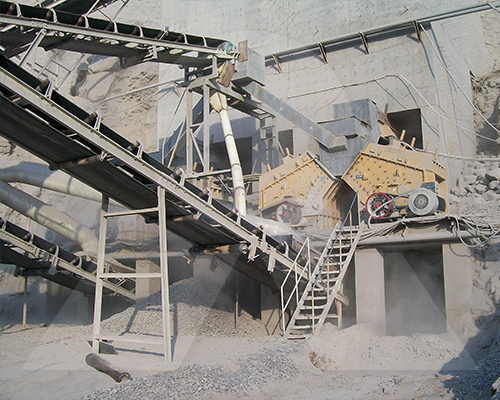
Plant performance is calibrated to ore hardness (Mohs and Protodyakonov scale) and required particle shape. Our primary and secondary crushing circuits are configured with chamber optimization for the specific rock type.
- Primary Jaw Crushers: Manganese steel (Mn14Cr2) jaws with optimized nip angle for reduced flakiness index on abrasive igneous feeds.
- Secondary Cone Crushers: Alloy mantle/bowl liners (ASTM A128) selected based on silica content; automated CSS adjustment maintains consistent top-size control.
- Tertiary Impact Crushers: High-chrome (27% Cr) blow bars for production of manufactured sand meeting ASTM C33 fineness modulus requirements.
Technical Parameters by Application
| Application | Key Aggregate Property | Test Standard | Typical Quarry Product Specification |
|---|---|---|---|
| Structural Concrete | Abrasion Resistance (Los Angeles) | ASTM C535 / EN 1097-2 | LA Value: < 25% |
| Asphalt Wearing Course | Particle Shape (Flakiness Index) | BS EN 933-3 | Flakiness Index: < 15% |
| Railroad Ballast | Toughness & Durability (Micro-Deval) | AASHTO T 327 | Micro-Deval Loss: < 10% |
| Drainage & Filter Media | Uniformity Coefficient (Cu) | ASTM D2487 | Cu: 2.0 - 4.0 |
Quality Assurance & Traceability
All processed material is subject to a lot-based QA regime. Each shipment is accompanied by a certificate of analysis detailing gradation, specific gravity, absorption, and deleterious material content, ensuring traceability from quarry face to project site. Our plants operate under continuous monitoring for dust suppression (PM10 compliance) and noise attenuation, integral to our operational permitting.
From Quarry to Site: Our Proven Supply Chain and Customization Process
Our integrated supply chain is engineered for deterministic delivery of dimension stone and aggregates, from bedrock extraction to final site placement. This closed-loop process, governed by ISO 9001 and MSHA standards, ensures material integrity and traceability at every stage.
Primary Extraction & Beneficiation
- Selective Quarrying: Geotechnical analysis guides block extraction to match the structural and aesthetic requirements of each project, minimizing natural fissures and maximizing yield.
- Hard Rock Processing: Our primary and secondary crushing stations are configured with manganese-steel (Mn-14% to 18%) jaw and cone crushers, selected for optimal comminution based on feed hardness (typically 4-7 Mohs for local granites and basalts).
- Capacity & Throughput: Plants are designed for a sustained throughput of 450-600 TPH (tons per hour), with surge capacity to maintain consistent feed to finishing lines.
Technical Customization & Fabrication
Client specifications drive the material flow into dedicated finishing lines. We provide full traceability from quarry bench to finished product.
| Process Stage | Key Technical Parameters | Typical Outputs / Standards |
|---|---|---|
| Crushing & Sizing | Feed size: ≤ 24"; Product gradation: ASTM C33 / Caltrans Class 2; TPH: 450-600 | Base rock, drain rock, processed aggregate |
| Sawing & Splitting | Diamond wire/blade specs tailored to mineral hardness; block tolerance: ±1/8" | Ashlar, veneer stone, rough flagstone |
| Surface Finishing | Abrasive grit sequence (60 to 3000); pressure calibration (PSI) for thermal or mechanical finishing | Honed, flamed, bush-hammered, polished finishes |
| Quality & Logistics | Dimensional compliance: ASTM C615/C616; load optimization for CA legal weight limits | Palletized stone, bulk aggregate, project-specific sequencing |
Functional Advantages of the Integrated Chain
- Geologic Consistency: Sourcing from company-owned quarries guarantees uniform mineralogy and compressive strength (typically 15,000-25,000 PSI for our granitic stones) across large projects.
- Adaptive Processing: Crusher mantles and concaves are alloy-graded (e.g., T-13% Mn steel for abrasive feed) and swapped based on real-time wear analytics to maintain product spec.
- Just-in-Time Logistics: Our fleet of end-dumps and lowboys, routed via optimized GIS mapping, ensures on-site delivery windows are met, reducing site staging burdens.
- Technical Collaboration: Our project engineers work directly with civil and structural teams to specify stone characteristics—such as absorption, density, and modulus of rupture—suited to the environmental and load-bearing demands of Southern California.
The result is a supply chain that functions as a material science extension of your project team, delivering certified geological assets with the reliability of a manufactured component.
Trusted by Builders and Architects: Case Studies and Client Testimonials
Project: Coastal Bluff Residence, La Jolla
Architectural Firm: M. Thorne & Associates
Material Supplied: 480 cubic yards of premium decomposed granite (DG) for permeable paving and structural fill.
Technical Specifications & Performance:
- Material Integrity: DG sourced from our Moreno Valley quarry, consistently graded to meet ASTM D1241 for coarse aggregate subbase. Low clay content (<2%) ensured minimal expansion and superior compaction.
- Engineering Solution: The project required a fill material with high permeability (1.2 in/hr achieved) and a minimum CBR value of 80 for slope stability. Our on-site testing confirmed the material exceeded both parameters.
- Client Verification: "The consistency of every load was critical for the engineered fill design. The quarry's quality control, providing certified mill test reports with each shipment, eliminated guesswork and kept the geotechnical engineer satisfied. Their operation is a model of precision."
Project: Los Angeles County Metro Rail Extension, Segment 7
General Contractor: Coastal Pacific Constructors
Material Supplied: 85,000 tons of Class 2 Aggregate Base (AB) and 3" minus crushed rock for drainage layers.
Technical Specifications & Performance:
- Scale & Compliance: Supplied consistent product at a sustained rate of 850 TPH to meet a critical path schedule. All material certified to meet Caltrans Section 200 specifications.
- Processing USP: Our tertiary crushing circuit, equipped with high-chrome alloy blow bars and Mn-steel liners, is calibrated for the region's hard, abrasive Franciscan complex rock. This produces a cubical fracture with <10% abrasion loss (LA Rattler test), essential for long-term structural integrity under dynamic loading.
- Client Verification: "We've sourced from multiple quarries for this project. Their plant's ability to maintain spec on the aggregate's gradation and plasticity index, even during peak demand, was unmatched. The density achieved in the field passed inspection on the first pass every time, which speaks to the material's quality."
Project: University of California, Irvine - Sciences Complex
Landscape Architect: Terra Design Collaborative
Material Supplied: 220 tons of ¾" gold decomposed granite for pedestrian plazas and 120 tons of custom-screened buff-colored crusher fines for planting beds.
Technical Specifications & Performance:
- Aesthetic & Functional Control: Utilized our dedicated fines processing line, which allows for precise separation of minus-200 mesh material to control dust. Color consistency was managed by sourcing from a single, identified geologic vein for the project's duration.
- Material Science: The chosen DG has a naturally high silica content, promoting stable surface cohesion when compacted, while maintaining permeability. It resisted cementation, a common issue with inferior materials.
- Client Verification: "The aesthetic requirement was a uniform, warm hue that wouldn't stain. The technical requirement was a stable, accessible surface. They delivered on both with a product that performed exactly as their technical data sheet predicted. Their consultation on installation moisture content was invaluable."
Core Technical Capabilities Supporting Project Success
- Geologically-Mapped Reserves: Selective mining from characterized deposits ensures predictable material properties—from abrasion resistance to color—lot-to-lot.
- Advanced Comminution Circuit: Plant configured with jaw, cone, and vertical shaft impact crushers allows for optimization of crush curves for specific applications, maximizing yield of in-spec product.
- Quality Assurance Protocol: In-house lab performs daily testing for gradation, specific gravity, absorption, and deleterious materials. Full documentation (MTRs) accompanies each shipment.
- Hard Rock Specialization: Equipment and processes are engineered for materials with unconfined compressive strength (UCS) ranging from 15,000 to 35,000 psi, common in Southern California's geology.
Get Your Project Started: Request a Quote and Expert Consultation
To initiate a formal quote and technical consultation, provide your project parameters. Our engineering team will analyze your geological data and production targets to specify equipment and material solutions that meet rigorous operational and financial benchmarks.
Core Technical Consultation Scope:
- Material Specification Analysis: Review of feed material hardness (Mohs scale), abrasiveness index, and silica content to specify crusher liners and wear parts in optimal manganese-steel grades (e.g., 14%, 18%, 21% Mn) or proprietary alloys for maximum service life.
- Circuit Capacity Optimization: Calculation of required Tons Per Hour (TPH) across primary, secondary, and tertiary crushing stages, ensuring balanced flow and identifying potential bottlenecks.
- Compliance & Certification Verification: Equipment and process alignment with relevant industry standards (e.g., MSHA, OSHA, ISO 9001 for quality management, CE marking for European market access).
- Lifecycle Cost Modeling: Beyond initial capital expenditure (CAPEX), we provide detailed analysis of operational expenditure (OPEX), including wear part consumption rates, energy efficiency metrics, and projected mean time between failures (MTBF).
Submit for Preliminary Technical Assessment:
| Parameter | Details to Provide |
|---|---|
| Material Profile | Primary rock type (e.g., granite, basalt, limestone), unconfined compressive strength (UCS in MPa), and feed size distribution. |
| Production Goals | Target final product specifications (sizes, gradation) and required sustained TPH capacity. |
| Site Constraints | Available footprint, power supply particulars, and any existing equipment for integration. |
| Project Timeline | Expected procurement window and planned commissioning date. |
Forward detailed specifications or geological reports to our project engineering desk. You will receive a preliminary system schematic, a competitive quotation with transparent line-item costing, and a scheduled consultation with a senior applications engineer.
Frequently Asked Questions
How often should we replace wear parts in our quarry crushers?
Replace jaw plates and cone liners every 600-800 hours for granite (Mohs 6-7). Use premium 18% manganese steel with water quenching. Monitor wear patterns; uneven wear indicates incorrect feed or pressure. Schedule replacements during planned maintenance to avoid unplanned downtime from catastrophic failure.
What's the best crusher setting for varying stone hardness in SoCal?
For softer sandstone (Mohs 3-4), use a wider CSS and higher throughput. For hard granite, reduce CSS and increase hydraulic pressure by 15-20%. Always verify with a particle size analysis. Adjust mainframe pre-load and tramp release settings accordingly to optimize yield and protect the eccentric assembly.
How do we control excessive vibration in our primary crusher?
First, conduct laser alignment of the motor and crusher sheaves. Imbalance is often in the rotor; perform dynamic balancing. Ensure foundation bolts are torqued to spec with Nord-Lock washers. For persistent issues, install seismic-grade vibration pads and monitor with a permanent wireless accelerometer system.
What lubrication is critical for quarry conveyor head pulleys?
Use a synthetic, extreme-pressure (EP) grease with moly disulfide for bearings (prefer SKF or Timken). Re-lubricate every 250-300 operating hours. Crucially, purge old grease completely to prevent seal failure from over-packing. Monitor bearing temperature with infrared guns; a 15°F rise indicates impending failure.
How can we optimize hydraulic system performance in high-dust environments?
Implement a dedicated filtration loop with 10-micron absolute filters. Use high-viscosity index (VI) anti-wear hydraulic fluid (e.g., Mobil DTE 20 Series). Check and clean cooler fins weekly. Set pressure relief valves 10% above operating max and test quarterly. Seal all rod cylinders with multi-labyrinth wipers.
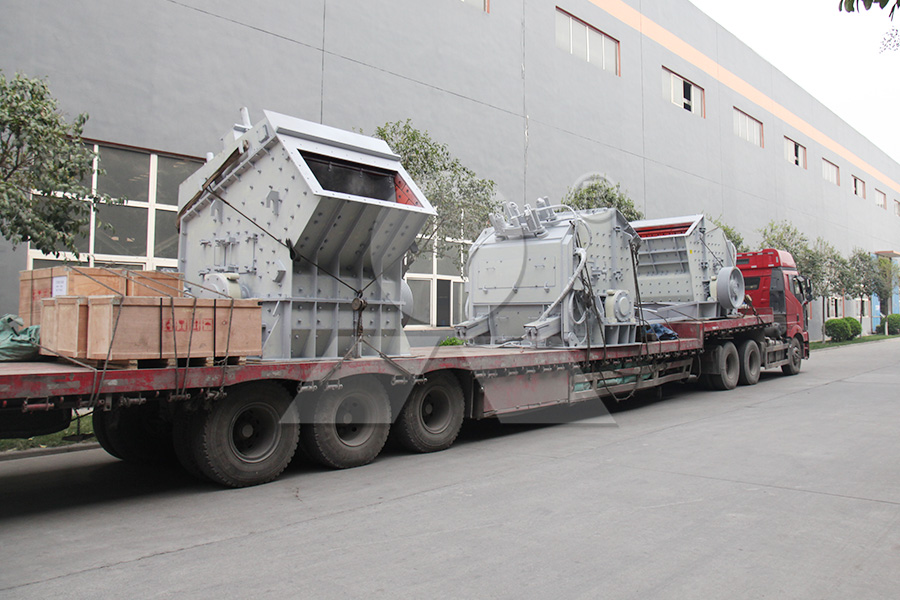
What's the most effective way to extend screen deck life on abrasive stone?
Use polyurethane modular decks for <2" aggregate and hardened steel wire mesh for larger feed. Tension decks to 6,000-7,000 N using a calibrated tensioning tool. Apply anti-blinding systems (ultrasonic or ball trays) and conduct weekly visual inspections for fatigue cracks at the hook strips.