Nestled within the mineral-rich terrains of West Africa, Côte d'Ivoire is emerging as a compelling frontier for gold exploration and development. At the forefront of this exciting new chapter is Newcrest Mining, a global leader with a proven track record of responsible, large-scale operations. The company's strategic entry into the nation represents more than just an expansion of its asset portfolio; it signifies a long-term commitment to unlocking value through partnership and technical excellence. By applying its deep expertise in exploration and ore processing to Côte d'Ivoire's promising geology, Newcrest is poised to play a pivotal role in shaping the future of the country's mining sector. This venture promises not only to deliver substantial economic benefits but also to set new standards for sustainable and innovative mining practices in the region.
Unlocking Côte d'Ivoire's Gold Potential: Newcrest's Strategic Investment and Exploration
Côte d'Ivoire's Birimian greenstone belts represent a significant, yet underexplored, gold endowment. Newcrest's strategic entry is defined by a systematic, technology-driven exploration methodology and the deployment of processing solutions engineered for the region's specific geological and operational challenges. Our approach moves beyond traditional prospecting to integrate advanced geophysical surveys, targeted drilling, and predictive modelling, de-risking targets and accelerating the path to resource definition.
Exploration & Target Generation Methodology
Our exploration strategy is built on a multi-disciplinary foundation:
- High-Resolution Geophysics: Employing airborne magnetic and gravity gradiometry surveys to map subsurface structures and lithological contacts at a district scale, identifying primary controls on gold mineralization.
- Geochemical Vectoring: Systematic soil and rock chip sampling, analyzed via modern assay techniques, to define anomalous gold-in-soil patterns and pathfinder element halos critical for drill targeting.
- Structural Analysis: Leveraging 3D geological modelling software to interpret fault systems, shear zones, and fold hinges that act as conduits for hydrothermal fluids, focusing drilling on high-probability structural traps.
- Tier-1 Target Prioritization: Applying Newcrest's proprietary prospectivity criteria, which weigh factors such as structural complexity, alteration intensity, and scale potential, to concentrate investment on assets capable of supporting large-scale, long-life operations.
Engineering for Regional Ore Characteristics
Prospective ore bodies in Côte d'Ivoire often present with variable hardness and abrasive mineralogy. Our processing plant designs are pre-emptively engineered for this variability, ensuring high availability and recovery rates from the outset.
| System Component | Technical Specification | Functional Rationale for Côte d'Ivoire Context |
|---|---|---|
| Primary Crushing | Gyratory crusher with Mn-steel (ASTM A128 Grade B3/B4) concave liners. | Optimized for high-capacity (TPH) throughput of competent, abrasive meta-sedimentary and granitic ore; superior wear life reduces downtime. |
| SAG/Ball Mill Liners | High-Cr white iron alloy plates & lifters (ISO 13521:1999). | Engineered to withstand impact and sliding abrasion from variable ore hardness; metallurgy ensures consistent grinding efficiency. |
| Slurry Pumping | Heavy-duty centrifugal pumps with Ni-hard 4 (ASTM A532) or rubber linings. | Material selection is application-specific: Ni-hard for coarse, abrasive tails; rubber for corrosive/acidic conditions in leach circuits. |
| Carbon-in-Leach (CIL) | Tanks constructed to ASME BPVC standards with high-efficiency dual-impeller agitators. | Ensures structural integrity for large-volume tanks and optimal cyanide-oxygen distribution for complex sulphide-associated gold recovery. |
Operational & Sustainability USP
The strategic investment is underpinned by operational excellence and an unwavering commitment to leading environmental and social governance (ESG) standards.
- Modular, Scalable Plant Design: Initial processing modules are engineered for rapid commissioning, with plant layouts permitting future expansion to 5,000+ TPH without major structural re-engineering, aligning resource growth with capital efficiency.
- Advanced Comminution Circuitry: Incorporation of high-pressure grinding roll (HPGR) technology or variable-speed drives on SAG mills for optimal specific energy consumption (kWh/t), a critical factor given regional power infrastructure.
- Water Management & Tailings: Closed-circuit water recycling systems designed to >85% efficiency, and tailings storage facilities (TSFs) engineered in accordance with the Global Industry Standard on Tailings Management (GISTM) from feasibility.
- Local Capacity Building: Implementation of structured technical training programs aligned with ISO 18436 standards for vibration analysis and ISO 55000 for asset management, developing a national workforce of certified maintenance and reliability engineers.
Advanced Exploration and Resource Development: Maximizing Yield in Côte d'Ivoire's Gold Belts
Advanced exploration in Côte d'Ivoire’s gold belts, such as the prolific Birimian greenstone belts, requires a systematic, data-driven approach to move from target generation to resource definition with precision. Our methodology integrates high-resolution geophysical surveys, targeted diamond drilling, and advanced geometallurgical modeling to de-risk projects and define ore bodies with a high degree of confidence. The objective is not merely discovery, but the delineation of economically extractable resources that align with long-term, high-yield mining strategies.
Core Technical Methodology:
- High-Definition Survey Integration: Airborne magnetic and radiometric surveys are calibrated with ground-based induced polarization (IP) and electromagnetic (EM) techniques to map subsurface structures and sulfide distributions at depths exceeding 500 meters. This data fusion creates a 3D geological model that guides phased drilling programs.
- Structured Diamond Drilling Programs: HQ and NQ diameter core drilling provides intact samples for critical analysis. Core logging adheres to JORC (2012) and NI 43-101 standards, with density determined by the wax immersion method. Sampling follows a strict QA/QC protocol, including insertion of certified reference materials, blanks, and duplicates at a minimum rate of 1 in 20.
- Geometallurgical Domaining: Ore is not treated as a homogeneous mass. Samples undergo advanced mineralogical analysis (QEMSCAN, SEM) to establish hardness (Ab values), grindability (Bond Work Index), gravity recovery potential, and cyanide consumption characteristics. This allows for the creation of process domains, enabling predictive modeling of plant throughput and recovery.
Resource Development & Mine Planning Optimization:
Defined resources are engineered for maximum extraction efficiency. This involves block modeling with conditional simulation to assess grade uncertainty and optimal pit shell generation using Lerchs-Grossmann algorithms. The focus is on designing a mine plan that maximizes net present value (NPV) while maintaining operational flexibility.
Critical Comminution Circuit Design Parameters for Hard Rock Birimian Ore:
Birimian-hosted gold ore in Côte d'Ivoire is typically characterized by high unconfined compressive strength (UCS), often ranging from 150-250 MPa. The comminution circuit must be designed for this specific hardness profile to achieve target throughput and optimal liberation size.
| Circuit Stage | Primary Function | Key Equipment Specification | Performance Parameter |
|---|---|---|---|
| Primary Crushing | Coarse size reduction of ROM ore. | Gyratory or jaw crusher with manganese steel (Mn14% to 18%) liners. | Accept feed size up to 1,400mm, reduce to P80 of 150-200mm. |
| SAG/Ball Milling | Fine grinding for gold liberation. | SAG mill with high-carbon steel shells; Ball mill with classified chrome-moly alloy (Gr 7) grinding media. | Designed for ore-specific Bond Ball Mill Work Index (12-18 kWh/t). Target grind P80 of 75-150µm. |
| High-Pressure Grinding Rolls (HPGR) | (If applicable) Energy-efficient tertiary crushing. | Roll surfaces with tungsten carbide studs in a wear-resistant matrix. | Operate at specific pressing forces >4.0 N/mm² for competent ore. |
Material & Engineering Specifications for Durability:
- Wear Components: Critical wear parts in material handling and processing are specified from alloy steels (e.g., AR400, AR500 for liners, chutes) and polyurethane composites for abrasion resistance, directly impacting plant availability and maintenance cost.
- Pumping & Piping: Slurry pumps are specified with high-chrome white iron (27% Cr) impellers and casings to handle abrasive cyclone underflow. Pipeline systems are designed to ISO 9001 standards, with wear loops in high-velocity sections.
- Structural Integrity: All major structural steelwork for processing plants is designed to Eurocode 3 (EN 1993) and fabricated from S355JR grade steel, with non-destructive testing (NDT) per ISO 5817 for critical welds.
Operational USPs for Yield Maximization:
- Adaptive Processing: Real-time grade control data from blast hole sampling is integrated with autonomous haulage and stockpile management to feed blended ore to the plant, stabilizing head grade and optimizing recovery circuit performance.
- Throughput Assurance: Plant design incorporates a minimum 10% surge capacity in crushing and conveying circuits, ensuring sustained nameplate throughput of 10-15 Mtpa despite ore hardness variability.
- Recoveries: Target overall gold recoveries exceed 92%, achieved through a tailored flowsheet that may integrate gravity concentration for free-milling gold, followed by leaching and carbon-in-pulp (CIP) or carbon-in-leach (CIL) for refractory components.
Sustainable and Responsible Mining Practices: Ensuring Environmental and Social Stewardship
Our commitment to sustainable and responsible mining in Côte d'Ivoire is engineered into every operational phase, from material selection to site closure. This is not an ancillary function but a core technical discipline that ensures long-term project viability and social license to operate.
Technical Foundations of Environmental Stewardship
- Advanced Materials for Durability and Containment: Critical wear components in processing plants, such as mill liners and slurry pump volutes, are manufactured from proprietary high-chrome white iron and abrasion-resistant (AR) steel alloys. These materials, selected for their exceptional hardness (exceeding 600 BHN) and impact resistance, minimize particulate generation from wear and extend maintenance cycles, directly reducing waste and energy consumption per ton of ore processed.
- Geochemical and Hydrological Management: Our Tailings Storage Facility (TSF) design adheres to the Global Industry Standard on Tailings Management (GISTM) and incorporates multi-layer composite liners with high-density polyethylene (HDPE) geomembranes. This system, coupled with a network of piezometers and seepage collection trenches, ensures robust containment and continuous monitoring of geotechnical stability and water quality.
- Process Water Optimization: The plant employs a closed-circuit water recycling system, achieving a recycle rate exceeding 85%. Clarifier thickeners and filter press technology are used to maximize water recovery from tailings, drastically reducing freshwater draw from local sources. Water quality is managed to ISO 14001:2015 standards, with real-time monitoring of key parameters (pH, TSS, cyanide, metals).
- Energy Efficiency in Comminution: The grinding circuit, often the site's largest energy consumer, is optimized through advanced process control. This system dynamically adjusts mill load and feed rate based on real-time ore hardness (as measured by SAG Power Index (SPI) and Bond Ball Mill Work Index). Coupled with high-efficiency motors (IE3/IE4 class) and variable speed drives, this reduces specific energy consumption (kWh/t) for a given throughput (TPH).
Engineered Social Stewardship and Community Integration
- Local Content and Capacity Building: Our procurement strategy prioritizes qualified local suppliers, with technical specifications (e.g., ISO 9001, CE marking) ensuring quality and safety parity. We implement structured vocational training programs aligned with the national competency framework, focusing on transferable skills in mechanical fitting, electrical instrumentation, and heavy vehicle operation.
- Predictive Social Impact Management: We utilize geospatial data and social baselines to model and monitor impacts. This engineering approach to social risk includes:
- Vibration and Air Quality Monitoring: Deploying networked seismographs and particulate matter (PM10, PM2.5) sensors around the site perimeter, with data publicly reported.
- Integrated Water Resource Modeling: Using hydrological models to quantify and manage the mine's water balance in the context of community and agricultural needs.
Performance Parameters and Commitments
| Aspect | Key Parameter / Standard | Operational Target / Commitment |
|---|---|---|
| Water Management | Freshwater Intensity | < 0.25 m³ per tonne of ore processed |
| Energy & Emissions | GHG Emission Intensity | Annual reduction aligned with 1.5°C pathway (Science Based Targets initiative) |
| Tailings Management | Governance Standard | Conformance with Global Industry Standard on Tailings Management (GISTM) |
| Biodiversity | Net Impact | No Net Loss (NNL) of critical natural habitat, guided by IUCN protocols |
| Social Investment | Local Procurement | > 60% of total procurement spend from nationally registered suppliers |
Our operational philosophy in Côte d'Ivoire is to integrate these technical and management systems seamlessly, ensuring that environmental protection and social development are non-negotiable outputs of the mining process, measured and reported with the same rigor as production metrics.
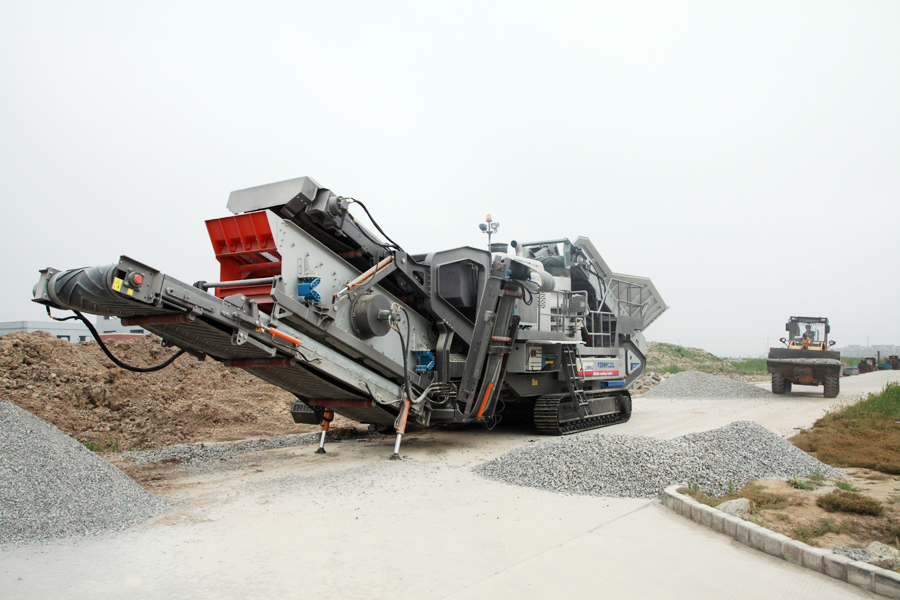
Operational Excellence and Technical Innovation: Driving Efficiency in Gold Extraction
Operational excellence in gold extraction is predicated on a rigorous, data-driven approach to metallurgy and mechanical systems. At our Côte d'Ivoire operations, this is achieved through the strategic integration of advanced material science and purpose-engineered processing technologies, designed to maximize recovery rates while minimizing operational expenditure and environmental footprint.
Core Technical Philosophy: Engineered for Abrasive Ores
The ore bodies in our jurisdiction present specific challenges, including variable hardness and high abrasivity. Our processing circuits are not off-the-shelf solutions but are custom-configured with components selected for extreme durability and sustained performance under continuous, high-tonnage operation.
- Primary Crushing & Milling: Gyratory crushers and SAG/ball mills are lined with high-chrome and manganese steel (Mn-steel) alloys, specifically selected for their work-hardening properties and impact resistance. This extends liner life significantly, reducing downtime for maintenance and lowering consumable costs per tonne.
- Slurry Handling & Classification: High-density slurry pumps feature wear parts manufactured from specialized alloys (e.g., ASTM A532 Class III Type A) to resist erosive wear. Cyclone clusters are engineered for precise particle size classification, ensuring optimal feed to downstream recovery processes.
- Material Flow Optimization: The entire circuit is designed for seamless integration, with conveyor systems, chutes, and hoppers lined with ultra-high molecular weight polyethylene (UHMW-PE) or ceramic composites to prevent material adherence and reduce maintenance.
Technical Innovation in Gold Recovery
Beyond robust comminution, recovery efficiency is driven by advanced separation and extraction technologies.
- Gravity Concentration: Initial free gold recovery is achieved through high-G-force centrifugal concentrators (e.g., Knelson, Falcon), which provide high capture rates for coarse and fine gold particles, reducing the load on subsequent leaching circuits.
- Leaching & Adsorption: Our carbon-in-leach (CIL) circuits utilize state-of-the-art, mechanically agitated tanks with optimized oxygen injection systems to ensure maximum gold dissolution kinetics. Activated carbon is managed through automated column systems, ensuring consistent loading and elution efficiency.
- Process Control & Automation: The entire plant is governed by a distributed control system (DCS) and programmable logic controllers (PLCs) that continuously monitor and adjust key parameters: pulp density, pH, cyanide concentration, and oxygen levels. This real-time optimization ensures recovery performance is maintained at the apex of the metallurgical curve.
Performance Parameters & Standards Compliance
All equipment selection and plant design adhere to stringent international standards for safety, quality, and environmental management, including ISO 9001 (Quality), ISO 14001 (Environmental), and ISO 45001 (Occupational Health & Safety). Key operational parameters are engineered to meet the following benchmarks:
| System Component | Key Performance Parameter | Design Benchmark | Operational Focus |
|---|---|---|---|
| Primary Crushing Circuit | Throughput Capacity | 2,500 - 3,000 TPH (Tonne Per Hour) | Consistent feed size reduction to -150mm. |
| Milling Circuit (SAG/Ball) | Grinding Efficiency | P80 of 75µm for leaching feed | Optimizing power draw and media consumption. |
| CIL Circuit | Leach Retention Time | 24-36 hours per train | Maximizing dissolution with optimized chemistry. |
| Overall Plant | Gold Recovery Rate | >92% (dependent on ore type) | Continuous metallurgical accounting and circuit tuning. |
Sustaining Excellence Through Technical Rigor
Our commitment extends beyond initial commissioning. A dedicated team of metallurgists, process engineers, and reliability specialists employs predictive maintenance strategies, vibration analysis, and thermography to anticipate equipment needs. This proactive approach, combined with a culture of continuous improvement rooted in Six Sigma and Lean methodologies, ensures that our Côte d'Ivoire operations remain at the forefront of technical efficiency in gold extraction.
Economic Impact and Community Partnership: Fostering Local Development in Côte d'Ivoire
The economic impact of a modern mining operation extends far beyond the direct extraction of resources. In Côte d'Ivoire, our approach is engineered to integrate with and strengthen the local economic ecosystem, creating a resilient and mutually beneficial partnership with host communities. This is achieved through a structured, technically-grounded framework that prioritizes local capacity building, supply chain development, and transparent revenue management.
Local Procurement & Supply Chain Development
A core mechanism for fostering development is the intentional localization of our supply chain. This is not merely a policy but a technical procurement strategy designed to build durable local industries capable of meeting the exacting standards of industrial mining.
-
Technical Capacity Building: We establish vendor qualification programs aligned with international standards (ISO 9001, ISO 45001). This includes direct technical support for local workshops in areas such as:
- Fabrication & Wear Parts: Training on the machining and welding of high-abrasion-resistant steels (e.g., AR400, AR500 plate) for liners, chutes, and truck beds.
- Specialized Services: Developing local capability in precision laser alignment for conveyor systems, vulcanizing of high-tension conveyor belts (ST-1000 to ST-3150), and the safe handling of hydraulic fluids and lubricants meeting ISO viscosity grades.
- Quality Assurance: Implementing QC protocols for locally produced concrete aggregates, compliant with ASTM C33 for construction in processing plant infrastructure.
-
Infrastructure Multiplier Effect: The development of mine-access roads, water management systems, and power distribution networks is designed with dual-use in mind. These projects utilize locally sourced materials (crushed aggregate, laterite) and labor, and their specifications often exceed the immediate needs of the mine to deliberately enhance regional connectivity and utility access for surrounding communities.
Fiscal Contribution & Transparent Governance
The project contributes directly to the national and regional economy through predictable, audited fiscal channels. This financial impact is structured for long-term stability.
| Contribution Channel | Mechanism & Standard | Direct Economic Outcome |
|---|---|---|
| Taxes & Royalties | Adherence to the Ivorian Mining Code and transparent reporting aligned with the EITI (Extractive Industries Transparency Initiative) standard. | Provides predictable revenue for national and regional budgets, funding public services and infrastructure. |
| Local Employment | Structured graduate programs and apprenticeships, with skills certification (e.g., ISO 31000 for risk management, MSHA-equivalent safety training). | Creates high-skilled, long-term careers. Knowledge transfer builds a permanent technical workforce within the country. |
| Local Content Investment | Direct investment in local joint-venture partnerships and SME development funds, with performance KPIs. | Catalyzes the growth of ancillary industries, creating a self-sustaining economic hub beyond the mine's lifecycle. |
Community Partnership & Social Infrastructure
Our community investment is engineered for sustainability, focusing on creating autonomous systems rather than temporary aid. Partnerships are established through formal agreements with local governance structures, with clear deliverables and joint monitoring.
- Water Management Synergy: Water treatment facilities, engineered to process mine-affected water to WHO potable standards, are often scaled to provide surplus capacity for community access. This involves robust, maintainable technology (e.g., reverse osmosis, clarifier systems) with training provided to local operators.
- Energy Infrastructure: Where feasible, mine power infrastructure (substations, distribution lines) is designed to allow for future grid interconnection, providing a foundation for regional energy stability and economic development.
- Agricultural Development: Leveraging geotechnical and hydrological data from site studies, we support agro-engineering projects—such as efficient irrigation systems and soil stabilization—to enhance local agricultural productivity and food security.
The ultimate measure of this integrated approach is the creation of a resilient local economy equipped with technical skills, industrial capability, and critical infrastructure. This ensures that the value generated by the mining operation leaves a permanent, positive legacy in Côte d'Ivoire, characterized by enhanced local capacity and sustainable development.
Future Growth and Expansion Plans: Securing Long-Term Value in West Africa
The long-term viability of our Côte d'Ivoire operations is engineered through a multi-faceted expansion strategy focused on resource conversion, technological integration, and infrastructure hardening. Our plans are predicated on extending mine life, de-risking the asset base, and systematically lowering the all-in sustaining cost (AISC) profile. This is not speculative growth but a phased, capital-efficient execution of defined resource potential.
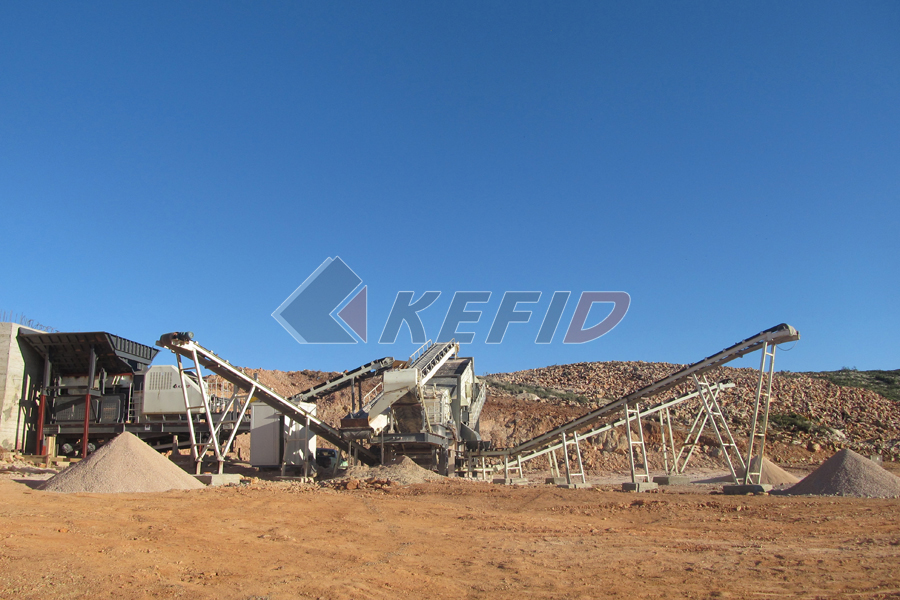
Core Strategic Pillars for Expansion:
- Advanced Orebody Knowledge & Resource Conversion: Aggressive infill and step-out drilling campaigns are targeting the conversion of Inferred resources to Measured and Indicated categories. This is supported by 3D geotechnical and geochemical modeling to define optimal future mining fronts and stope designs, directly informing reserve growth.
- Processing Plant Capacity & Hardness Adaptation: The cornerstone of expansion is debottlenecking the primary processing circuit to sustainably increase throughput. This involves:
- Primary Crushing & Milling Upgrades: Evaluation of high-capacity gyratory crusher liners and the integration of high-pressure grinding rolls (HPGR) technology to manage increasing ore hardness (targeting Bond Work Index >18 kWh/t) with greater energy efficiency.
- Classification & Recovery Optimization: Installation of additional cyclone capacity and the implementation of advanced froth cameras and particle size analyzers for real-time flotation and leaching circuit control, maximizing recovery rates for complex sulphide ores.
- Material Science in Asset Integrity: Expansion longevity depends on equipment survivability in abrasive laterite and hard rock environments. Our planned capital investments specify:
- Wear Component Standardization: Utilization of ASTM A128 Grade B-4 (12-14% Mn) steel for all primary crusher liners, apron feeder pans, and chute work, with chromium carbide (CrC) overlay applied in high-wear transfer points.
- Pipeline & Pump Durability: Specification of ISO 3183 Category L450 (X65) steel line pipe with internal polyurethane or ceramic lining for slurry transport, paired with hard-metal (27% chrome white iron) lined pumps for critical tailings and cyclone feed duties.
Technical Parameters for Phased Plant Expansion:
| Expansion Phase | Target Throughput (TPH) | Key Hardware Focus | Ore Hardness (F80, mm) | Primary Comminution Strategy |
|---|---|---|---|---|
| Phase 1 (Debottlenecking) | +15% from baseline | Cyclone cluster upgrade, conveyor speed optimization | 150 - 200 | Existing SAG mill optimization with advanced process control (APC) |
| Phase 2 (Sustained Growth) | +30-40% from baseline | HPGR pre-crush circuit, tertiary crushing module | 200 - 250 | Hybrid HPGR & Ball Mill circuit for reduced specific energy consumption |
| Phase 3 (Long-Term Scale) | +60%+ from baseline | Parallel processing train, expanded leach tanks | Variable (incl. refractory) | Dedicated milling line for higher-grade refractory ore, with BIOX® feasibility studies. |
Securing the Value Chain: Beyond the mine gate, expansion includes hardening site infrastructure to ISO 55000 asset management standards. This encompasses upgrading onsite power generation capacity with high-efficiency, dual-fuel capabilities, constructing sealed, engineered haul roads with certified lateritic gravels, and expanding water management facilities to ensure zero-discharge compliance through all climate cycles. Our commitment is to transform the resource base into a resilient, low-cost production hub, firmly establishing long-term value for all stakeholders in West Africa.
Frequently Asked Questions
How do you optimize wear parts replacement cycles for Newcrest Côte d'Ivoire's specific ore abrasiveness?
Monitor wear rates using laser scanning. For highly abrasive ore, specify high-chrome white iron (e.g., 27% Cr) or through-hardened AR500 steel liners. Implement predictive maintenance via telemetry to schedule replacements during planned downtime, maximizing part life and avoiding unplanned failures.
What machinery adaptations are required for varying ore hardness (Mohs 5-7) in a single deposit?
Utilize modular crusher jaws and cone mantles with different material specifications. For harder ore (Mohs 7), deploy mantles made of TeroTec® or similar high-manganese steel with optimized heat treatment. Adjust crusher settings like CSS (closed-side setting) and hydraulic pressure in real-time based on ore feed sensor data.
What are the critical vibration control protocols for large primary gyratory crushers?
Implement a multi-stage strategy: ensure foundation meets dynamic load specs, use shear rubber mounts or spring isolators. Continuously monitor with tri-axial accelerometers. Balance rotating masses precisely and conduct laser alignment of drive trains quarterly to keep vibration velocities below 4.5 mm/s RMS.
What specialized lubrication is required for high-load, high-dust environments in grinding mills?
Use synthetic extreme-pressure (EP) greases with solid lubricant additives (e.g., molybdenum disulfide) for trunnion bearings. For gear drives, specify ISO VG 680 or higher grade gear oils with high thermal stability and anti-wear additives. Employ automated, centralized lubrication systems with dust-purged fittings.
How do you manage hydraulic system reliability for excavators in high ambient temperatures?
Specify hydraulic fluids with high viscosity index (VI > 150) and superior anti-wear properties (e.g., Denison HF-2 certified). Implement auxiliary oil coolers and insulated lines. Maintain system cleanliness to NAS 1638 Class 8/9. Regularly test fluid for water content and TAN (Total Acid Number).
What is the best practice for conveyor belt splice integrity in humid, abrasive conditions?
Use thermally vulcanized splices with STL (Steel Transverse Lugs) rip-resistant belts. Ensure splice preparation follows strict ISO 15236 standards. Control tension with laser-guided tools and monitor with splice RFID tags. Apply ceramic lagging on drive pulleys to reduce slip and wear.