Ghana Bans Illegal Mining to Protect Environment and Economy
In 2023, the Government of Ghana intensified its crackdown on illegal mining, commonly known locally as "galamsey," declaring a nationwide ban on all unauthorized mining activities. This decisive action followed years of escalating environmental degradation, water pollution, and threats to public health linked to unregulated mining operations.
Illegal mining has long plagued Ghana, one of Africa’s top gold producers. According to the Ministry of Lands and Natural Resources, illegal small-scale mining has contributed to the destruction of over 70% of the country’s water bodies, including major rivers such as the Pra, Offin, and Ankobra. A 2021 study by the World Bank estimated that mining pollution had rendered many of these water sources unsafe for drinking and irrigation, affecting millions of Ghanaians. .jpg)
In response, President Nana Akufo-Addo’s administration launched "Operation Halt II" in 2022, a military-assisted initiative aimed at dismantling illegal mining networks. This operation involved the deployment of personnel from the Armed Forces, Environmental Protection Agency (EPA), and the Minerals Commission. As reported by Ghana’s state-owned media, more than 1,000 illegal mining sites were shut down between 2022 and 2023, and over 300 excavators and dredging machines were seized.
The government has also taken legislative steps to strengthen enforcement. Amendments to the Minerals and Mining Act (Act 703) now impose stiffer penalties, including fines of up to 5 million Ghanaian cedis (approximately USD 410,000) and prison sentences of up to 15 years for those involved in illegal mining. Foreign nationals caught engaging in unauthorized mining face deportation and permanent bans from re-entering the country.
Environmental restoration is another key component of the government's strategy. The Forestry Commission, in partnership with international organizations such as the United Nations Development Programme (UNDP), has initiated reforestation projects in severely affected regions like the Ashanti and Western North areas. As of mid-2023, over 10,000 hectares of degraded land had been earmarked for rehabilitation.
Despite these efforts, challenges remain. Critics argue that the ban disproportionately affects small-scale miners who rely on the activity for livelihoods, especially in rural communities with limited economic alternatives. In response, the government established the Small-Scale Mining Legalization Secretariat to help artisanal miners obtain proper licenses and transition into legal operations. Additionally, the $75 million Ghana Mining Sector Support Programme, supported by the World Bank, aims to formalize the small-scale mining sector and promote sustainable practices. 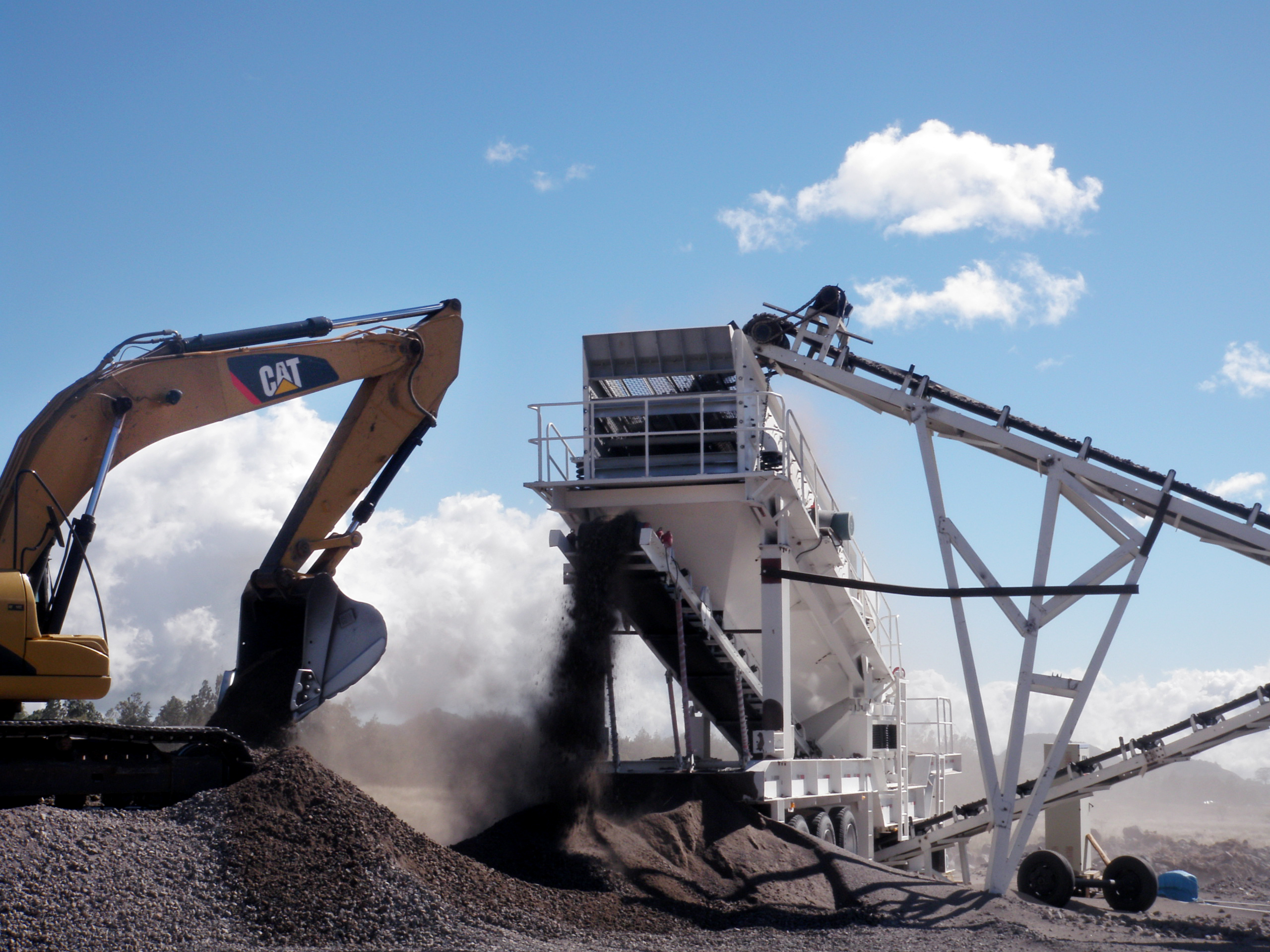
The ban on illegal mining reflects Ghana’s commitment to balancing economic development with environmental stewardship. As stated by Minister of Lands and Natural Resources Samuel Abu Jinapor in a 2023 parliamentary address, “We cannot trade our natural heritage for short-term gains. Protecting our rivers, forests, and farmlands is non-negotiable.”
With sustained enforcement, community engagement, and investment in legal alternatives, Ghana aims to reclaim its ecological integrity while ensuring responsible mineral exploitation for future generations.