Estimating the Cost for a Crusher Plant
Setting up a crusher plant involves significant capital investment, and accurately estimating costs requires careful consideration of multiple factors. Below is a breakdown of key cost components based on industry standards and real-world project data.
1. Equipment Costs
The primary expense is the crusher itself, with prices varying by type and capacity:
- Jaw Crusher: $50,000–$250,000 (for capacities 50–500 TPH)
- Cone Crusher: $150,000–$500,000 (higher efficiency for hard materials)
- Impact Crusher: $80,000–$300,000 (suitable for softer materials)
Secondary equipment like screens, conveyors, and feeders can add another $100,000–$500,000 depending on plant size. 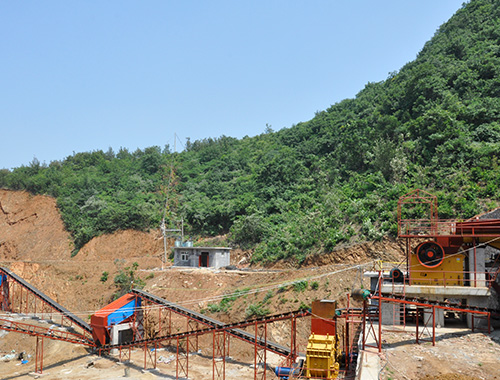
2. Site Preparation & Infrastructure
- Land Clearing & Grading: $10,000–$50,000
- Concrete Foundations: $20,000–$100,000 (for crusher bases and support structures)
- Utility Connections (Power/Water): $15,000–$75,000
3. Installation & Labor
Professional installation typically costs 10–20% of equipment value:
- For a mid-range plant ($1M equipment), expect $100,000–$200,000 in labor and assembly costs.
4. Permitting & Compliance
Regulatory costs vary by region but may include: 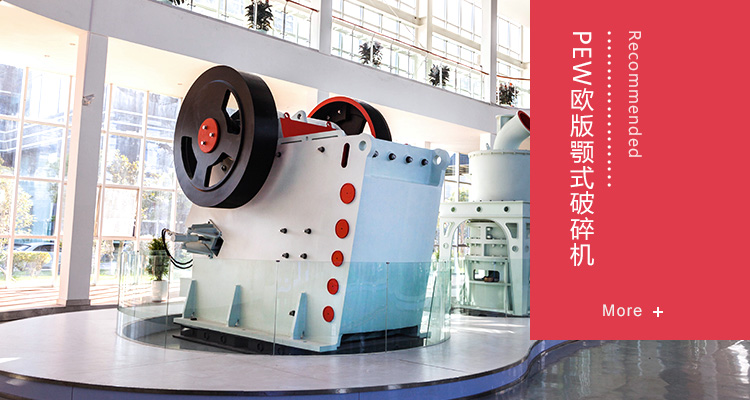
- Environmental permits: $5,000–$50,000
- Noise/dust control systems: $20,000–$100,000
5. Operational Costs
Ongoing expenses include:
- Fuel/Power: $10–$30 per ton processed (diesel generators increase costs)
- Maintenance: ~3–5% of equipment value annually ($30,000–$100,000/year for a $2M plant)
- Labor Wages: 2–5 operators at $40,000–$70,000/year each
Total Estimated Cost Range
A small to medium crusher plant (100–300 TPH) may cost $1M–$5M, while large-scale operations (500+ TPH) can exceed $10M.
Key Variables Affecting Cost
- Material hardness (affects wear part replacement frequency).
- Location (remote sites increase transport/logistics costs).
- Automation level (higher upfront cost but reduces long-term labor expenses).
For precise estimates, consult manufacturers like Metso Outotec or Sandvik and obtain site-specific quotes from contractors. Historical project data from mining or aggregate industries can also provide benchmarks.