In the demanding world of aggregate production and mineral processing, operational efficiency is measured in tonnes per hour. Bridging the critical gap between ambitious project goals and tangible on-site results requires crushing solutions engineered not just for power, but for precision across a vast spectrum of throughput demands. This exploration delves into the advanced machinery and strategic plant designs that transform raw feed into valuable product, seamlessly scaling from a robust 40 to a monumental 1000 tonnes per hour. We will examine how modern technology, from versatile mobile crushers to high-capacity stationary systems, provides the flexibility to match capacity precisely with project scale, ensuring optimal productivity, cost-efficiency, and reliability for operations of every size.
Maximize Production Efficiency: How Our Crushing Solutions Scale from 40 to 1000 Tonnes Per Hour
Our modular crushing philosophy is engineered to deliver precise throughput scaling from 40 to 1000 tonnes per hour (TPH) without compromising mechanical integrity or operational efficiency. This is achieved through a core platform of ISO 21873 and CE-certified mobile, semi-mobile, and stationary plants, where component selection is dictated by feed material characteristics and required final product specifications.
Core Engineering for Scalable Throughput
The linear scaling of capacity is not a matter of simply enlarging components. It is a systematic engineering process focused on stress distribution, wear management, and power transmission.
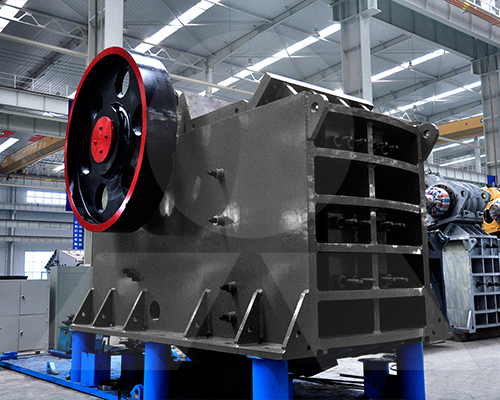
- Jaw Crushers (40-800 TPH): Employ a deep crushing chamber and an aggressive nip angle, fabricated from premium 18-22% Manganese Steel (Mn-steel) with optional alloy inserts for highly abrasive feeds. The kinematics of the swing jaw are optimized at each size to maximize the throughput-to-stroke ratio, ensuring efficient reduction of high-strength ores (up to 350 MPa compressive strength).
- Cone Crushers (150-1000 TPH): Utilize multi-layered crushing chambers (standard, coarse, fine) and advanced hydraulic systems for real-time CSS adjustment and overload protection. Key wear components like mantles and concaves are cast from T-400 series high-grade alloy steel, providing optimal balance between toughness for impact and hardness for abrasion resistance in secondary and tertiary stages.
- Primary Impactors & Gyratories (400-1000+ TPH): Designed for high-volume, primary reduction of non-abrasive to moderately abrasive materials. Rotors are of solid steel or welded plate design, dynamically balanced to ISO 1940 G2.5 standard, and fitted with monolithic Martensitic or Chrome-Iron blow bars for severe service conditions.
Functional Advantages of the Modular System
- Unified Control Architecture: All plants, regardless of size or configuration, operate via a single SCADA-based control system, allowing for consistent operational protocols and simplified training across your fleet.
- Adaptive Material Flow: Intelligent hopper, feeder, and conveyor design ensures choke-fed crushing chambers at every scale, which is critical for maximizing throughput and liner life. Variable frequency drives (VFDs) on feeders allow precise tonnage matching between stages.
- Strategic Wear Part Optimization: Wear part geometry and metallurgy are specified based on the specific duty (e.g., high-impact primary vs. abrasive tertiary), not just the machine model. This extends service intervals and maintains consistent product gradation.
- Serviceability by Design: Common access platforms, hydraulic setting adjustment, and standardized tooling interfaces are maintained across the capacity range, minimizing downtime for maintenance and liner changes.
Technical Parameters for Capacity Scaling
The following table illustrates how key parameters evolve within a product line (e.g., Jaw Crusher series) to achieve the targeted capacity range while processing granite (approx. 250 MPa compressive strength).
| Model Series | Feed Opening (mm) | Max. Feed Size (mm) | Motor Power (kW) | CSS Range (mm) | Capacity Range (TPH)* |
|---|---|---|---|---|---|
| JC-M | 800 x 500 | 450 | 75 - 90 | 50 - 150 | 40 - 180 |
| JC-L | 1200 x 800 | 700 | 132 - 160 | 75 - 200 | 150 - 400 |
| JC-XL | 1500 x 1200 | 1000 | 200 - 250 | 100 - 250 | 350 - 800 |
*Capacity is dependent on feed material density, hardness, and gradation. Values are for reference based on standard dry granite.
Ensuring Efficiency Across the Spectrum
Efficiency at 40 TPH is as critical as at 1000 TPH. Our solutions ensure this through:
- Precise Power Application: Correctly sized motors and drives eliminate energy waste from under- or over-utilization.
- Layer-Based Crushing Chamber Design: Chamber profiles are computer-modeled to ensure optimal inter-particle crushing and desired product shape at each stage, reducing recirculating load and power draw per tonne.
- Integrated Screening: On-board or in-circuit screening with sized screen decks ensures closed-circuit operation, preventing finished product from undergoing unnecessary reduction and increasing system-wide throughput.
This engineered scalability guarantees that your operation invests only in the necessary capacity and capability, with a clear, technically sound pathway for future expansion.
Adapt to Any Project: Versatile Crushing Solutions for Diverse Material and Site Requirements
Our crushing systems are engineered to meet the specific geomechanical and operational demands of any project, from processing soft limestone to the most abrasive taconite or high-grade ore. The core philosophy is modular adaptability, ensuring peak performance across varying feed sizes, moisture content, and required product specifications without compromising structural integrity or throughput.
Core Engineering for Material Adaptability:
- Wear Component Metallurgy: Critical wear parts, such as jaw plates, concaves, and blow bars, are cast from proprietary, high-grade manganese steel (Mn14% to Mn22%) and alloy steels. These are heat-treated to achieve optimal microstructures, balancing hardness for abrasion resistance with toughness to withstand impact fatigue and prevent catastrophic failure.
- Crusher Chamber Optimization: Chamber geometries and kinematics are precisely calculated for different material characteristics. Aggressive nip angles and high stroke for hard, competent rock; cascading flow and inter-particle crushing configurations for softer, abrasive materials.
- Drive & Power Transmission: Heavy-duty bearings (spherical roller, cylindrical roller) and high-torque hydraulic or V-belt drives are selected based on the required crushing force and duty cycle, ensuring reliable operation under fluctuating load conditions.
Configuration Flexibility for Site Constraints:
- Modular Plant Design: Primary, secondary, and tertiary crushing and screening modules can be arranged in multiple flow sheets (open or closed circuit) and physically configured for space-limited, steep, or irregular greenfield or brownfield sites.
- Mobility & Foundation Requirements: Solutions range from stationary, heavily-founded plants for 1000 TPH primary crushing to track-mounted or wheeled mobile units with integrated feeders and conveyors for multi-site or phased projects requiring rapid relocation.
- Dust Suppression & Noise Abatement: Systems are designed to integrate with dry fog, foam, or water spray dust control and acoustic enclosures to meet stringent environmental (EPA) and occupational health (MSHA, OSHA) regulations in sensitive locations.
Technical Specifications & Compliance:
All equipment is designed, manufactured, and tested to relevant international standards for structural design, mechanical safety, and performance.
| System Aspect | Key Parameter & Standard | Project Application Implication |
|---|---|---|
| Structural Frame | Designed per ISO 8525 (steel structures), FEM 1.001 rules. | Guarantees longevity under dynamic loads, suitable for high-capacity stationary installations. |
| Machine Safety | CE Marked, compliant with EU Machinery Directive 2006/42/EC. | Ensures safeguarding of rotating parts, hydraulic systems, and access platforms for global deployment. |
| Bearing Life (L10) | Calculated per ISO 281 for >30,000 hours at design load. | Predictable maintenance intervals and reduced risk of unscheduled downtime in remote operations. |
| Capacity Range | 40 to 1000 TPH, verified per ISO 1940 for rotor balance (impact crushers). | Scalable throughput with assured mechanical stability; capacity is guaranteed for defined feed material (e.g., granite @ 1600 kg/m³, Wi=15 kWh/t). |
Operational Versatility:
- Feed Size Adaptability: Wide opening jaw crushers and large feed hoppers accept run-of-mine material, while grizzly feeders and scalping screens can be configured to bypass fines, optimizing crusher efficiency.
- Product Shape Control: Adjustable crusher settings (CSS, rotor speed, throw) and the selection of crushing chambers (e.g., coarse, medium, fine) allow precise control over final product gradation and particle shape (cubicity) for aggregate or downstream process requirements.
- Automation Integration: Standard interfaces for PLC control systems enable real-time adjustment of feeder speed, crusher load, and setting regulation to maintain target TPH and product size amidst variable feed conditions.
Engineered for Durability: Robust Design and Advanced Technology in High-Capacity Crushing
The core of a high-capacity crushing circuit is not merely power, but engineered resilience. Systems processing 40 to 1000 tonnes per hour (TPH) must withstand sustained, high-impact loading and abrasive wear from diverse feed materials, from granite to iron ore. Our design philosophy integrates robust mechanical architecture with advanced material technology to ensure structural integrity and operational continuity over extended campaigns.
Material Science & Wear Component Engineering
Wear parts are the consumable interface with the material. We specify premium alloys, with compositions tailored to specific crushing actions and abrasion indices.
- Primary Crushing (Jaw & Gyratory): Mantles, concaves, and jaw plates utilize modified Hadfield Austenitic Manganese Steel (11-14% Mn). Its unique work-hardening property, achieving up to 550 BHN in service, provides exceptional impact resistance and longevity under high compression forces.
- Secondary/Tertiary Crushing (Cone & Impact): Liners and blow bars are cast from multi-alloy martensitic steels (e.g., T500, 400HB). These alloys offer superior hardness (400-500 HB) from the outset, optimized for abrasive conditions. Strategic application of tungsten carbide (WC) wear inserts in critical zones combats extreme abrasion in applications like quartzite or taconite processing.
- Structural Fabrication: Main frames, crusher bodies, and feed hoppers are constructed from high-tensile, low-alloy steel plate (Q345B/ ASTM A572 Gr. 50). Critical stress areas are reinforced with heavy-duty ribbing and continuous welds, with all major welds subjected to Non-Destructive Testing (NDT).
Robust Mechanical Design Principles
Durability is engineered into the system's kinematics and load management.
- Heavy-Duty Eccentric & Bearing Assemblies: Forged, heat-treated steel eccentrics and oversized spherical roller bearings are specified to handle peak loads. Bearing selection is based on a minimum L10 life calculation exceeding 50,000 hours under rated capacity.
- Hydraulic System Integration: Modern crushers feature hydraulics not just for adjustment, but for protection. Hydroset™-style systems and overload release cylinders allow for real-time CSS adjustment under load and automatic tramp iron release, preventing catastrophic downtime.
- Advanced Chamber Geometries: Computer-modeled crushing chambers ensure optimal nip angles, stroke, and speed for the target capacity and product shape. This maximizes throughput while distributing wear evenly across liners.
Functional Advantages of the Engineered System
- High Uptime & Predictable Maintenance: Durable components and accessible service points enable planned liner changes and reduce unplanned stoppages.
- Adaptability to Ore Variability: Robust construction and hydraulic controls allow the system to maintain performance despite fluctuations in feed hardness (e.g., from 150 MPa to over 350 MPa compressive strength) or feed size distribution.
- Sustained TPH Output: The combination of high-inertia rotors, powerful drives, and wear-resistant chambers ensures the rated throughput (40-1000 TPH) is maintained throughout the liner life, not just when liners are new.
- Compliance & Safety: Designs are validated to relevant ISO 21873 (Mobile crushers), ISO 9001 (Quality), and CE machinery directives. Structural safety factors exceed industry norms for dynamic loading.
Technical Specifications: Core Component Standards
| Component Category | Key Specifications | Standard / Grade | Purpose |
|---|---|---|---|
| Frame & Structure | Plate Thickness, Rib Density | Steel Grade: Q345B / A572 Gr. 50 | Absorb dynamic forces, resist fatigue |
| Wear Liners (Primary) | Manganese Content, Heat Treatment | ASTM A128 Gr. B2/B3 | Work-hardening impact resistance |
| Wear Liners (Secondary) | Hardness, Chrome/Moly Alloying | Martensitic Steel, 400-500 HB | High abrasion resistance |
| Shaft & Eccentric | Forging, Ultrasonic Testing | DIN 1.6582 / 34CrNiMo6 | Transmit high torque, resist bending |
| Main Bearings | Dynamic Load Rating, L10 Life | ISO 281, Spherical Roller Type | Support radial & axial loads |
This engineered approach transforms raw capacity into reliable, predictable production—the defining metric for any high-tonnage operation.
Optimize Operational Costs: Energy-Efficient and Low-Maintenance Crushing for Long-Term Savings
Operational cost optimization in crushing is an engineering discipline focused on reducing Total Cost of Ownership (TCO). The primary levers are energy consumption per tonne processed and the frequency, duration, and cost of maintenance events. Superior machine design and material selection directly dictate long-term financial performance.
Core Engineering Principles for Cost Reduction
- Advanced Chamber Geometry & Kinematics: Optimized nip angles and stroke profiles maximize the size reduction per compression cycle, directly reducing specific energy consumption (kWh/tonne). Efficient material flow minimizes choke-feeding and reduces idle running power draw.
- High-Efficiency Drive Systems: Direct drive configurations, coupled with high-inertia flywheels, smooth out load peaks and allow the use of high-efficiency motors (IE3/IE4 class). This reduces current inrush and thermal stress on electrical systems, translating to lower demand charges and improved power factor.
- Predictive Maintenance Architecture: Integrated condition monitoring ports for vibration, temperature, and pressure enable a shift from calendar-based to data-driven maintenance. This prevents catastrophic failure and allows for planned component replacement during scheduled downtime.
Material Science: The Foundation of Wear Life & Uptime
Wear part longevity is the single largest variable in ongoing consumable costs. Selection is based on feed material abrasiveness (SiO2 content) and impact energy.
| Application Profile | Recommended Alloy | Key Properties & Standards | Expected Outcome |
|---|---|---|---|
| High Abrasion / Low Impact (e.g., Granite, Abrasive Ores) |
Work-Hardening Austenitic Manganese Steel (Mn14%, ~1.2% C) | ISO 13521:1999(E). Achieves >550 HB surface hardness through deformation. High toughness to resist cracking. | Maximized liner life in abrasive environments, optimal cost-per-tonne for jaw crusher liners and cone crusher mantles/concaves. |
| High Impact / Moderate Abrasion (e.g., Taconite, Gabbro) |
Martensitic Chromium Steel (18-22% Cr) | High compressive strength (>2000 MPa) and consistent hardness (550-700 HB). Superior fracture toughness compared to white iron. | Exceptional resistance to fracture under high-energy impact, suitable for primary gyratory mantles and cone crusher main frames. |
| Severe Abrasion (e.g., Quartzite, Sand & Gravel) |
High-Chromium White Iron (26% Cr, 2.8% C) | Maximum hardness (700-850 HV) and ASTM A532 Class III Type A microstructure for abrasion resistance. Lower impact toughness. | Used strategically in final crushing stages (e.g., vertical shaft impactor tips, anvils) where pure abrasion dominates. |
Mining-Specific Operational Advantages
- Capacity Stability: A crusher maintaining its rated TPH over the full liner life avoids costly circuit bottlenecks. This requires chamber designs that compensate for wear, maintaining a consistent product gradation.
- Ore Hardness Adaptability: Quick-adjustment systems for crusher settings (e.g., hydraulic CSS adjustment on cone crushers) allow rapid adaptation to changing ore body hardness, ensuring constant product size and optimal throughput without manual intervention.
- Structured Maintenance Access: Designs incorporating centralized grease banks, rear-frame hydraulics for liner changes, and tool-less access panels reduce mean time to repair (MTTR) from hours to minutes, directly increasing plant availability.
Quantifying Long-Term Savings
The financial advantage is realized through a direct reduction in two key metrics:
- Cost per Tonne (Consumables & Energy): Higher-grade alloys and efficient drives lower the variable cost of operation.
- Operating Cost per Hour (Downtime): Robust design and predictive maintenance protocols maximize mechanical availability, ensuring revenue-generating operation.
Investment in engineered crushing solutions is amortized over decades of service. The focus on metallurgy, drive efficiency, and serviceability is a strategic decision that secures lower operating margins and higher plant utilization for the life of the mine.
Technical Specifications: Detailed Breakdown of Capacity, Power, and Configuration Options
Capacity Specifications
Capacity (TPH) is a function of feed material characteristics, crusher configuration, and discharge setting. The stated 40–1000 TPH range is achieved under standard conditions with bulk density of 1.6 t/m³ and material compressive strength ≤ 200 MPa. For abrasive or high-silica ores, capacity can be derated by 15–25%.
- Primary Crushing (40–600 TPH): Jaw crushers and primary gyratory crushers dominate this range. Capacity is primarily governed by feed opening dimensions and the closed side setting (CSS). A 1200x900mm jaw crusher, for example, typically achieves 250–350 TPH at a 150mm CSS on hard granite.
- Secondary/Tertiary Crushing (100–1000 TPH): Cone crushers and impact crushers provide reduction ratios up to 1:10. Here, capacity is critically dependent on cavity design, eccentric throw, and crusher speed. A well-configured 500 HP cone crusher in a fine liner configuration can produce 200–350 TPH of -25mm aggregate.
Power & Drive Systems
Power requirements are directly correlated with crushing force and volumetric throughput. All drives are compliant with IEC/ISO standards, with motors typically rated for IP66 protection and Class F insulation.
- Direct Drive vs. V-Belt: High-inertia jaw and primary gyratory crushers often employ V-belt drives to absorb load fluctuations and provide motor protection. Cone crushers frequently use direct drive via flexible couplings for maximum power transmission efficiency.
- Power Range: Equipment in this capacity spectrum utilizes motors from 75 kW (100 HP) to 560 kW (750 HP). Specific power consumption averages 0.8–1.2 kWh per tonne, varying with material hardness and reduction ratio.
Core Configuration Options
Configuration is selected based on feed gradation, required product shape, and circuit design (open or closed).
| Crusher Type | Typical Capacity Range (TPH) | Optimal Feed Size | Key Configuration Variables | Primary Application |
|---|---|---|---|---|
| Jaw Crusher | 40 – 600 | Up to 80% of gape width | CSS, Eccentric Shaft Speed, Jaw Plate Profile (straight/curved) | Primary crushing of hard, abrasive ores. |
| Cone Crusher | 100 – 1000 | Up to 90% of feed opening diameter | Cavity Design (standard/fine/extra-fine), Eccentric Throw, CSS, Crushing Chamber Pressure | Secondary/Tertiary crushing for precise product shaping and size control. |
| Horizontal Shaft Impactor (HSI) | 150 – 800 | Secondary: Moderate Tertiary: Small | Rotor Diameter/Speed, Number & Design of Martensitic Blows Bars, Crushing Chamber Geometry | High-reduction ratio for medium-hard, non-abrasive materials; excellent cubical shape. |
| Vertical Shaft Impactor (VSI) | 200 – 600 | Tertiary/Fines Crushing | Rotor Speed, Feed Rate, Cascade Flow Regulation | Manufactured sand production, fine grinding, and high-value shape correction. |
Critical Wear Part Specifications
Long-term capacity retention is dependent on wear part metallurgy and design.
- Jaw/Concave/Mantle Liners: Fabricated from high-grade austenitic manganese steel (Mn14%–18%, Cr2%–4%) or TIC (Tungsten Carbide Insert) reinforced alloys for extreme abrasion. Brinell hardness ranges from 200–550 HB for optimal wear life versus fracture resistance.
- Blow Bars & Impact Elements: Utilize multi-alloy compositions (high-chrome cast iron, martensitic steel) with ceramic matrix composites available for highly abrasive feeds. Wear life is a direct function of impact velocity and feed abrasiveness index (Ai).
- Bearings & Seals: Heavy-duty spherical roller bearings (ISO 15:2017) are standard. Labyrinth seals, often supplemented with positive-pressure air systems (CE certified), prevent dust ingress and ensure bearing service life exceeds 30,000 hours.
Adaptability & Control Systems
Capacity optimization requires integration with intelligent control systems.
- Automated Setting Regulation: Hydroset systems for cone crushers and hydraulic toggle systems for jaw crushers allow real-time CSS adjustment under load to maintain target product size and compensate for wear.
- Load & Condition Monitoring: Integrated sensors monitor main shaft position, crushing pressure, power draw, and bearing temperature. Data is fed into PLC systems for automatic choke-feed control and predictive maintenance alerts, ensuring sustained throughput at specified power efficiency.
Proven Performance: Case Studies and Testimonials from Industry Leaders Using Our Solutions
Case Study 1: High-Abrasion Iron Ore Processing, Pilbara Region, Australia
Client: A Tier-1 mining conglomerate.
Challenge: Sustaining a contracted 650 TPH throughput while processing highly abrasive, high-silica hematite ore (Bond Work Index >18 kWh/t). Premature wear on competitor crusher liners caused unacceptable downtime for mantle and concave changes, jeopardizing plant availability.
Solution: Installation of our primary gyratory crusher, equipped with a proprietary, layered Mn-steel alloy concave system. The metallurgy is engineered for progressive hardening under impact, with a core toughness (measured via Charpy V-notch testing) to resist cracking and a surface hardness exceeding 450 HB for abrasion resistance.
Results & Testimonial:
"The crusher's performance has been integral to achieving our 95% plant availability target. The liner life increased by over 40% compared to our previous setup, directly translating to fewer maintenance windows and predictable cost per tonne. The engineering support during commissioning, particularly on the hydraulic setting adjustment system, ensured we met our ramp-up schedule without incident."
- – Senior Plant Superintendent
Technical Parameters & Outcome Summary:
| Parameter | Previous Solution | Our Implemented Solution | Outcome |
|---|---|---|---|
| Avg. Liner Life (Million Tonnes) | 1.8 | 2.5 | +38.9% increase |
| Avg. Throughput (TPH) | 625 | 658 | Consistently above design capacity |
| Unplanned Stops (per quarter) | 3-4 | 0-1 | >67% reduction |
| Key Material Spec | Standard Mn-18 | Proprietary Alloy Grade XT-450 | Superior work-hardening profile |
Case Study 2: Versatile Aggregate & Railway Ballast Production, Nordic Region
Client: A national infrastructure contractor.
Challenge: A single mobile crushing plant fleet needed to service multiple, geographically dispersed sites with varying feed material (granite, gneiss, recycled concrete) and produce precisely graded products for different applications, including stringent railway ballast specifications (EN 13450).
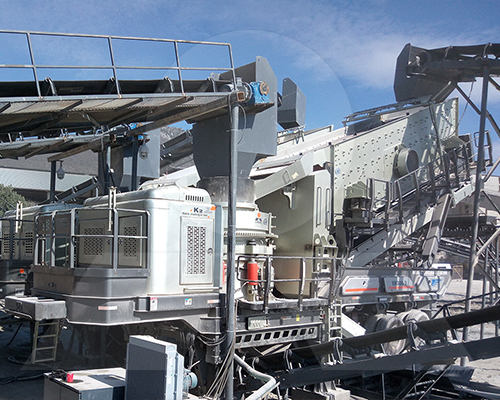
Solution: Deployment of our track-mounted, hybrid-electric crushing and screening plant with a capacity range of 220 to 400 TPH. The core of the solution was a high-precision cone crusher with an ASRi+ (Automatic Setting Regulation) intelligent control system and interchangeable crushing chamber profiles.
Results & Testimonial:
"The flexibility is exceptional. We switch from producing 40mm base course to 63mm railway ballast in under 10 minutes via the touchscreen. The ASRi+ system constantly monitors and compensates for wear, guaranteeing a consistent product curve. The CE-certified safety interlocks and dust suppression system were critical for compliance on urban projects."
- – Project Director
Functional Advantages Delivered:
- Rapid Adaptability: Interchangeable mantle/bowl liner profiles and crusher speed settings allow optimization for different product shapes and material hardness without component changes.
- Product Consistency: Integrated load and pressure sensors feed data to the ASRi+ system, enabling real-time CSS adjustment to maintain output specifications within ±3mm tolerance.
- Site Compliance: Full encapsulation, noise levels below 85 dB(A) at 10 meters, and integrated spray systems meet strict urban and environmental permits.
Case Study 3: High-Capacity Copper Porphyry Primary Crushing, Andean Region, South America
Client: A major copper producer.
Challenge: Debottlenecking the primary crushing stage to support a mill expansion, requiring a reliable 1000 TPH capability at a high-altitude site (over 3,500m) with feed including abrasive and occasionally sticky ore.
Solution: Engineering and supply of a heavy-duty jaw crusher designed for extra-long service intervals. Key features included a robust, forged eccentric shaft (manufactured to ISO 148-1 standards), oversized anti-friction bearings, and a modular, bolt-together frame to simplify logistics and installation in a remote location.
Results & Testimonial:
"This crusher was a capital project designed for the next 20 years of operation. The design accounted for our altitude with derated motors and enhanced cooling. The bolt-together frame saved weeks in erection time. Most importantly, its massive throughput handles our peak feed rates without bridging or stalling, providing a consistent -200mm product to the SAG mill feed conveyor."
- – Head of Mine Operations
Engineering USPs Validated:
- Altitude & Duty Derating: All motors, drives, and lubrication systems were engineered with significant safety margins for high-altitude operation, ensuring nameplate capacity is delivered on-site.
- Maintenance-Driven Design: Hydraulic toggle tensioning and wedge systems allow for safe, rapid adjustment of closed-side settings. Lifting points and service platforms are integral to the design.
- Structural Integrity: Finite Element Analysis (FEA)-optimized frame design ensures sustained performance under peak load conditions, with a safety factor exceeding industry norms for this duty class.
Frequently Asked Questions
How often should wear parts be replaced in this capacity range?
Replacement cycles depend on ore abrasiveness. For granite (Mohs 6-7), high-manganese steel (e.g., ZGMn13Cr2) jaws/liners last 450-550 hours. Monitor wear profiles; replace at 70% wear depth to prevent throughput loss. Implement a predictive schedule based on tonnage and hardness data, not just runtime.
Can the crusher handle varying ore hardness within the 40-1000 tph range?
Yes, with adjustable hydraulic settings. For hard ore (Mohs >6), increase crushing chamber pressure to 180-200 bar and reduce CSS. For softer material, decrease pressure to optimize particle shape and reduce wear. Always verify motor amperage stays within 90% of rated load during adjustment.
What vibration mitigation is required for high-capacity primary crushing?
Install crusher on a reinforced concrete mass block (minimum 1.5x machine weight). Use premium German FAG or Swedish SKF spherical roller bearings with continuous condition monitoring. Dynamic balancing of the rotor/eccentric shaft is mandatory during assembly to keep vibration velocity under 4.5 mm/s.
What are the critical lubrication requirements for 1000 tph operation?
Use ISO VG 320 extreme pressure gear oil with anti-wear additives. For bearings, a centralized automatic grease system (e.g., Lincoln) with lithium complex grease is essential. Maintain oil temperature below 60°C via integrated cooler. Sample oil quarterly for spectrometric wear debris analysis.
How is product size consistency maintained across the full capacity range?
Utilize the crusher's hydraulic adjustment system to dynamically control the Closed Side Setting (CSS). For cone crushers, maintain constant feed level and power draw. Implement an automated control system that adjusts CSS and feed rate based on real-time chamber pressure and motor load.
What is the power supply requirement for a 1000 tph crushing setup?
A dedicated high-voltage supply (typically 6kV or 10kV) is required for drives above 400kW. Use soft starters or VFDs for motors >250kW to manage inrush current. Ensure total installed power (crusher, feeders, conveyors) has a 15-20% design margin. Power factor correction to >0.95 is critical.