In India's rapidly evolving construction landscape, the demand for high-quality manufactured sand is surging, driven by infrastructure development and environmental restrictions on river sand mining. This pivotal shift has placed sand making plants at the forefront of the industry, making the analysis of their investment cost a critical consideration for entrepreneurs and established firms alike. The financial outlay for such a plant is not a single figure but a spectrum, influenced by a complex interplay of factors including capacity, technology, automation, and location. Navigating this investment requires a clear understanding of both the initial capital expenditure and the long-term operational economics. This exploration delves into the key cost components and variables that define the financial blueprint of establishing a profitable and efficient sand manufacturing unit in the competitive Indian market.
Maximizing ROI: How Our Sand Making Plants Reduce Operational Costs in India
The primary lever for maximizing ROI on a sand making plant in India is not the initial capital outlay, but the total cost of ownership over its operational lifespan. Our engineered plants are designed to systematically reduce the three dominant cost centers: wear part consumption, energy expenditure, and unplanned downtime. This is achieved through a foundation of advanced material science, precision engineering, and mining-specific design logic.
Core Cost-Reduction Engineering
-
Wear Part Economics & Material Science: The highest recurring cost in sand production is wear part replacement. Our vertical shaft impactors (VSIs) and jaw/cone crushers utilize proprietary alloy grades, not generic Mn-steel.
- Rotors & Anvils: Fabricated from multi-component high-chromium alloys (e.g., 27% Cr) with precise heat treatment. This creates a martensitic matrix with embedded carbides, yielding a superior hardness-toughness balance for Indian abrasive aggregates (granite, basalt, quartzite).
- Cavity Designs: Engineered for optimal stone-on-stone or rock-on-metal crushing, minimizing direct metal-to-abrasive contact and redirecting wear to the rock mass itself.
- Result: Wear life increases of 30-60% over standard OEM parts, directly lowering cost-per-ton of sand produced.
-
Energy Efficiency through Intelligent Design: Power is the largest variable operating cost.
- Optimal Crushing Chamber Geometry: CFD-optimized chambers ensure efficient rock acceleration and fracture in the VSI, maximizing kinetic energy transfer and reducing recirculating load.
- High-Efficiency Drive Systems: Utilization of IE3-class or higher motors coupled with precisely matched V-belt or direct drive systems minimizes transmission losses.
- Adaptive Operational Control: PLC systems can modulate feeder rates and crusher speed based on amp draw, preventing overloading and operating at the peak of the power-efficiency curve.
-
Mining-Grade Reliability & Uptime: Unplanned stoppages are a severe ROI drain. Our plants are built to mining standards, not generic industrial standards.
- Robust Structural Fabrication: Heavier-duty chassis, reinforced stress points, and anti-vibration mounts to withstand continuous high-TPH (200-500 TPH+) operation with high hardness feed.
- Predictive Maintenance Enablement: Designed with integrated sensor points (vibration, temperature) and easy access for inspection, allowing for condition-based maintenance instead of reactive breakdowns.
- Sealed & Protected Bearings: Labyrinth seals and pressurized air-purge systems (optional) prevent ingress of fine silica dust, the primary cause of bearing failure in sand plants.
Technical Specifications & Adaptability
Our plants are not one-size-fits-all. ROI is maximized by matching the plant's technical parameters to your specific feed material and product gradation requirements.
| Parameter | Standard Range | Impact on Operational Cost |
|---|---|---|
| Feed Size | Up to 60mm (VSI dependent) | Optimized for direct feed from secondary crusher, reducing pre-crushing stages. |
| Capacity (TPH) | 50 - 500+ TPH | Correct sizing eliminates under-utilization (idle capex) or over-stressing (high wear). |
| Motor Power (VSI) | 150 kW - 500 kW | Precisely sized for target TPH and rock hardness, avoiding over-powered energy waste. |
| Rock Hardness Adaptability | Up to 55 HRC (e.g., Abrasive Quartzite) | Chamber designs & alloy selections are specified for your material, not a generic average. |
| Key Wear Part Life | 300 - 1000+ hours | Defined for your specific feed material during technical proposal, enabling accurate cost forecasting. |
Standards & Certification as a Reliability Proxy
Compliance with international engineering standards is a non-negotiable baseline for long-term, low-cost operation. All core machinery conforms to:
- ISO 9001:2015: For quality management in design and fabrication.
- CE Marking: Indicating conformity with EU safety, health, and environmental protection directives, reflecting rigorous design protocols.
- Aggregate Product Shape Certification: Ensures cubical output meets IS:383 and other concrete/asphalt standards, commanding premium pricing to further enhance ROI.
Ultimately, the lowest-cost sand making plant is the one that produces the highest net tonnage of in-spec material over its lifecycle at the lowest sustained operating cost. Our engineering focus shifts the financial calculus from purchase price to profit-per-ton, ensuring your investment is amortized against maximum productive output.
Tailored Solutions for Indian Quarries: Optimizing Production and Efficiency
The operational reality of Indian quarries—characterized by diverse feed materials like granite, basalt, river gravel, and iron ore—demands solutions engineered for specific geologies, not generic equipment. A tailored plant design is the primary lever for controlling long-term operational expenditure (OPEX) and maximizing return on investment. Optimization hinges on the precise alignment of crusher mechanics, wear material science, and system flow with your site's unique parameters.
Core Technical Considerations for Tailored Design:
- Feed Material Analysis & Crusher Selection: The abrasiveness index (AI), silica content, and compressive strength of your feed rock dictate the optimal crushing principle. For highly abrasive granite or quartzite, a high-speed VSI (Vertical Shaft Impactor) with a rock-on-rock anvil ring is often specified for superior cubicity and lower wear cost per ton versus a traditional HSI (Horizontal Shaft Impactor). For softer limestone, an HSI may offer higher throughput at a lower capital cost.
- Wear Part Metallurgy: This is a critical OPEX driver. Standard manganese steel (Mn-14) is insufficient for sustained Indian conditions.
- Primary Zones: Utilize composite alloys (e.g., high-chrome iron blow bars, ceramic-insert liners) in high-impact areas to resist micro-fracturing.
- Secondary/ Tertiary Zones: Specify tailored Mn-steel grades (e.g., modified Mn-18 or Mn-22) with optimized heat treatment for the specific abrasion-impact balance of your material.
- System Integration & Automation: A plant is more than the sum of its crushers. Tailoring involves designing the entire material flow.
- Optimized screening deck configurations and crusher closed-side settings (CSS) are calculated to minimize recirculating load, directly reducing energy consumption and wear.
- Integration of programmable logic controller (PLC) systems with load-monitoring sensors allows for real-time adjustment of feed rates and automatic clearing of tramp metal, protecting the crusher and ensuring consistent product gradation.
Functional Advantages of a Tailored Plant:
- Maximized Asset Uptime: Synchronized component selection reduces bottlenecks, allowing the plant to operate consistently at its designed TPH capacity.
- Predictable Wear Cost: Application-specific wear parts last longer and follow a more predictable replacement schedule, enabling accurate budget forecasting.
- Grade Consistency: Precise control over crushing stages and air-classification in the sand circuit ensures continuous production of in-specification concrete sand and plaster sand, commanding premium market prices.
- Adaptability: A well-designed plant can accommodate a defined range of feed material variations without significant reconfiguration or performance loss.
Technical Parameters for VSI Configuration (Example):
The following table illustrates how key machine parameters are scaled and selected based on quarry requirements.
| Quarry Profile & Goal | Recommended VSI Rotor Type | Typical Power Range | Expected Product Yield (Sand) | Key Wear Part Consideration |
|---|---|---|---|---|
| Hard, Abrasive Ore (Granite/Basalt); Premium Cubical Sand | Bi-Flow or Rock-on-Rock | 200 - 400 kW | 40-50% of feed | High Chrome (27%+) Tip Cavities & Anvils; Tungsten Carbide Tips |
| Moderate Abrasiveness (River Gravel/Limestone); High-TPH Manufactured Sand | Open Rotor or Shoe & Anvil | 110 - 250 kW | 50-65% of feed | Martensitic Steel Alloy Shoes; Composite Wear Plates |
Standards & Certification: Insist on equipment designed and manufactured to international standards such as ISO 9001 for quality management and bearing the CE marking, indicating conformity with EU health, safety, and environmental directives. This is non-negotiable for ensuring structural integrity, operational safety, and reliability under continuous heavy-duty cycles.
Ultimately, the most cost-effective sand plant is one whose technical specifications are derived from a detailed analysis of your quarry's geology and production targets. This engineered approach minimizes specific energy consumption (kWh/ton) and cost per ton (INR/ton) over the plant's lifecycle, delivering superior efficiency compared to an off-the-shelf solution.
Advanced Technology for Consistent High-Quality Sand Output
The capital investment in a sand making plant is directly justified by its ability to produce consistent, specification-grade manufactured sand (M-Sand) that reliably replaces natural sand. This consistency is not an accident but the result of deliberate engineering in crusher design, material science, and process control. Advanced plants move beyond basic rock-on-rock or rock-on-metal crushing to integrated systems engineered for specific feed material and final product gradation.
Core Technological Pillars:
- Wear Part Material Science: The economics of sand production hinge on wear life. Leading plants utilize high-chrome or manganese steel (Mn-18%, Mn-22%) alloys for impellers, anvils, and feed tubes. These materials offer superior impact absorption and abrasion resistance, directly reducing cost-per-ton by extending operational intervals between replacements. For highly abrasive feeds (e.g., granite, quartzite), specialized martensitic or ceramic composite liners are deployed.
- Precision Crushing Chamber Design: Modern vertical shaft impactors (VSIs) and high-speed cone crushers feature optimized cascade and rotor designs. This controls the rock's trajectory and impact energy, ensuring efficient fracturing along natural grain boundaries to produce cubical particles while minimizing wasteful, flaky slivers that are detrimental to concrete workability and strength.
- Automated Process Control & Monitoring: Consistency is managed by intelligent systems. Programmable Logic Controllers (PLCs) with human-machine interface (HMI) panels monitor key parameters like feed rate, crusher load, and motor amperage. Closed-loop systems can automatically adjust feed via vibrating feeders to maintain optimal crushing conditions, ensuring stable output gradation irrespective of feed variability.
Functional Advantages of Advanced Systems:
- Superior Product Shape & Gradation: Engineered to yield a high percentage of cubical particles, directly enhancing the compressive strength and durability of concrete.
- Adaptability to Ore Hardness: Configurable rotor speed and crushing chamber geometry allow a single plant to process a range of materials from limestone (soft) to granite (very hard) without significant compromise on output or wear.
- Moisture Tolerance: Advanced closed-rotor VSI designs can handle feed with higher moisture content than basic open-rotor designs, reducing pre-drying requirements and increasing seasonal operational windows.
- Dust Minimization: Integrated air circulation systems and water spraying nozzles at transfer points are engineered to suppress dust, ensuring compliance with environmental (CPCB) norms and reducing material loss.
Technical Parameters of a Modern VSI Crusher Core:
| Parameter | Specification Range | Impact on Output & Cost |
| :--- | :--- | :--- |
| Rotor Diameter | 750 mm - 1400 mm | Dictates maximum feed size and potential throughput (TPH). |
| Max Feed Size | 45 mm - 65 mm | Determines required primary crushing stage setup. |
| Motor Power | 200 kW - 600 kW | Directly correlates with capacity and energy cost; modern IE3/IE4 motors improve efficiency. |
| Throughput (TPH) | 70 - 350+ TPH | Core capacity defining plant scale. Dependent on feed material and closed-side setting. |
| Typical Wear Life (Anvils/Impellers) | 120 - 600 hours | Varies massively with material (e.g., limestone vs. quartzite). Defines operational maintenance cost and downtime. |
Standards & Certification: Reputable plant manufacturers design and build equipment to international standards such as ISO 9001 for quality management and CE marking for safety. The crushers themselves are often tested and certified for performance metrics. The resulting M-Sand should consistently meet relevant Indian standards (IS 383 Zone-II) for use in concrete.
Ultimately, the technology's value is measured in predictable, low-variance output. This consistency reduces waste, ensures compliance with construction specifications, and provides a stable return on investment by delivering a premium, reliable product to the market. The marginally higher initial capital outlay for such technology is amortized over superior product pricing, lower maintenance downtime, and extended plant lifecycle.
Durability and Low Maintenance: Engineered for India's Harsh Conditions
The long-term cost of ownership for a sand making plant is overwhelmingly dictated by the durability of its core components and the frequency of maintenance stoppages. In the Indian context—characterized by highly abrasive silica, granite, and basalt feed materials, combined with extreme heat, dust, and continuous operation demands—this is not a secondary feature but the primary economic determinant. A plant engineered for these conditions directly mitigates operational expenditure (OPEX), protecting your capital investment.
Core Material Science & Construction
The wear life of crusher components is a function of material grade and metallurgical integrity. Premium plants utilize specialized alloys far beyond standard cast iron.
- High-Chrome / Martensitic Steel for Impellers & Anvils: These are the heart of impact crushing. Premium grades (e.g., Cr26, Cr27Mo2) offer a unique combination of high surface hardness (650+ HB) for abrasion resistance with a tough inner core to withstand impact shocks from uncrushables. This results in a superior wear life-to-cost ratio compared to standard manganese steel in abrasive applications.
- Work-Hardening Manganese Steel (Mn14, Mn18) for Jaws & Concaves: For jaw crushers and cone crushers in secondary stages, austenitic manganese steel is specified. It uniquely hardens under impact and pressure, forming a continually renewing wear-resistant surface layer ideal for less abrasive but tougher feed materials.
- Cascade & Rock-on-Rock Configuration: Modern VSI crushers are designed to utilize the feed material itself as a protective wear lining. A cascade of material in the crushing chamber and precise rotor design ensures wear is concentrated on the feed stock, not just the metal components, drastically reducing wear part consumption.
Engineering for Operational Continuity & Ease
Durability extends beyond material selection to system design that minimizes downtime.
- Hydraulic Adjustment & Assistance: Critical wear components like crusher settings and cavity clearing are managed via hydraulic systems, allowing for adjustments and clearing of blockages in minutes without manual disassembly, even during operation in some models.
- Modular & Replaceable Wear Parts: Key wear sections are designed as self-contained modules or symmetrical parts that can be rotated or replaced quickly. This extends service intervals and reduces the skill level required for replacement.
- Sealed & Conditioned Bearing Assemblies: Centralized, automated grease lubrication systems with protective labyrinth seals are essential to prevent dust ingress—the leading cause of bearing failure in Indian environments. Some premium units feature temperature sensors for predictive maintenance.
Technical Specifications & Standards Compliance
A plant's durability is quantified and verified through its design parameters and adherence to international manufacturing standards.
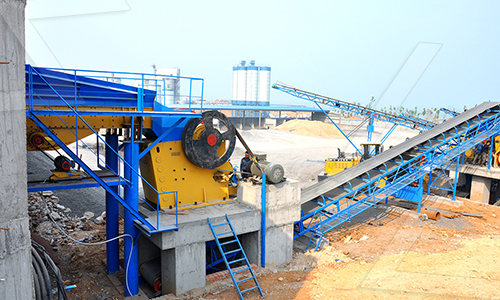
| Parameter | Specification Implication | Impact on Durability & Maintenance |
|---|---|---|
| Rotor Diameter & Speed | Larger diameter, optimal speed (55-70 m/s tip speed) ensures correct stone-on-stone action and reduces unnecessary wear on metal components. | Maximizes product yield per wear part cycle. |
| Feed Size & Capacity (TPH) | A plant rated for 200 TPH but consistently run at 250 TPH will suffer exponentially higher wear. Correct sizing is critical. | Prevents over-stress, ensures design-level component life. |
| Drive Power (kW) | Adequate installed power ensures the crusher can handle peak loads and hard feed without stalling, which causes repeated impact damage. | Prevents cascading mechanical failures from overload conditions. |
| Compliance (ISO, CE) | Certification ensures structural integrity, welding quality, and component sourcing meet international engineering standards, not just local price-point fabrication. | Guarantees baseline material quality and design safety factors. |
The Direct Cost Correlation
The initial premium for a plant engineered with these features is justified through a predictable, lower cost-per-ton over the asset's life. It translates to:
- Reduced inventory and cost of wear parts.
- Less frequent and shorter maintenance shutdowns, maximizing production uptime.
- Lower labor costs for maintenance and part changes.
- Stable, consistent output gradation over longer periods, ensuring product quality.
In summary, specifying a plant with genuine, grade-specific alloy components, intelligent maintenance-friendly design, and proven capacity for local ore hardness is not an increase in capital cost—it is the most effective method of controlling the total cost of sand production.
Comprehensive Support and Installation Services Across India
A significant portion of the total installed cost of a sand making plant is attributed to the quality and scope of support and installation services. Professional execution in this phase directly influences plant longevity, operational efficiency, and long-term cost-per-ton metrics. Our nationwide network of field engineers and project managers ensures technical precision from site assessment to commissioning.
Core Technical Service Pillars:
-
Pre-Installation Site & Material Audit: Our engineers conduct a comprehensive analysis of your feed material (aggregate, granite, basalt, iron ore) to determine its Abrasion Index (AI) and Silica (SiO₂) content. This data is critical for selecting optimal wear liner alloys (e.g., 18% Mn-steel vs. high-chrome white iron) and configuring crusher parameters (rotor speed, feed rate) to maximize component life and product shape.
-
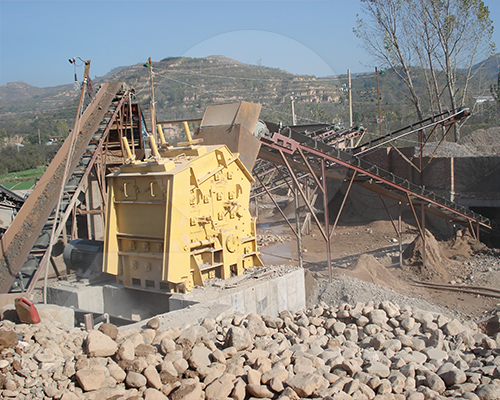
Foundation & Structural Planning: We provide detailed foundation drawings accounting for dynamic loads and vibration frequencies specific to your plant's TPH (Tons Per Hour) capacity. This includes specifications for reinforced concrete grades and anchor bolt layouts to ensure structural integrity under continuous, high-impact operation.
-
Supervised Installation & Alignment: Precision mechanical alignment of the crusher rotor, drive sheaves, and vibrating screens is paramount. Our technicians use laser alignment tools to achieve tolerances within 0.05mm, preventing premature bearing failure, excessive vibration, and belt wear, thereby safeguarding your capital investment.
-
Electrical & Control System Integration: We oversee the integration of PLC-based control panels with motors, sensors, and peripheral equipment (feeders, conveyors). This ensures seamless automation for optimal crusher chamber loading, real-time monitoring of power draw (kW), and automated safety shut-offs.
-
Performance Commissioning & Calibration: The plant is commissioned under load to calibrate and fine-tune all operational parameters. We establish baseline metrics for product gradation, dust emission levels (within CPCB norms), and energy consumption (kWh/ton), delivering a plant optimized for your specific operational targets.
-
Nationwide Critical Spares Network: To minimize downtime, strategically located warehouses stock high-wear, mission-critical components. This includes, but is not limited to:
- Rotor tips, back-up tips, and distributor plates in various alloy grades.
- Cavity wear liners (upper & lower) and screen decks.
- Drive belts and specialized bearing assemblies.
Technical Support Scope Table:
| Service Phase | Key Technical Activities | Direct Impact on Plant Cost & Performance |
|---|---|---|
| Phase 1: Planning & Audit | Material lab testing, geotechnical site assessment, flow simulation. | Prevents undersizing/oversizing; ensures correct metallurgy selection, reducing wear cost by 20-40%. |
| Phase 2: Installation | Foundation casting verification, laser alignment of drive trains, crusher leveling. | Ensures design efficiency, prevents chronic mechanical faults, and protects warranty conditions. |
| Phase 3: Commissioning | Load testing, gradation curve optimization, dust suppression system tuning. | Validates guaranteed TPH capacity and product shape (cubicity index), ensures regulatory compliance. |
| Phase 4: Operational Support | Remote monitoring (SCADA), predictive maintenance scheduling, wear part audits. | Maximizes uptime, allows for planned maintenance, and provides accurate forecasting of consumable costs. |
All installation and commissioning protocols adhere to ISO 9001:2015 quality management standards and relevant CE marking directives for machinery safety. This systematic, engineering-led approach to support transforms the plant from a capital purchase into a predictable, high-return production asset.
Transparent Pricing and Customizable Options to Fit Your Budget
Transparent pricing is engineered by deconstructing the plant into its core technical modules, each with a defined cost driver. The final quotation is not a black box but a bill of materials and engineering hours, directly correlated to the performance specifications required for your feed material and output goals.
The primary cost variables are:
- Crusher Core & Wear Parts Metallurgy: The choice between standard high-chrome cast iron, premium Ni-hard alloys, or manganese steel (Mn-14 to Mn-22) for liners, rotors, and anvils dictates both initial cost and long-term operational expense. Harder, more abrasive feed (e.g., granite, quartzite) necessitates higher-grade alloys, impacting the unit price.
- Drive & Power Train Configuration: Fixed-speed versus variable-frequency drives (VFDs) for crusher motors offer a cost/benefit trade-off. VFDs provide soft-start capability and optimal power draw for fluctuating feed but come at a premium.
- Structural Fabrication Standards: Plant chassis and support structures built to generic standards versus heavy-duty mining-grade (ISO 8528) specifications affect steel tonnage, welding quality, and longevity, with clear cost implications.
- Automation & Control Tier: Costs scale from basic PLC-based start/stop panels to fully integrated SCADA systems with real-time performance monitoring, wear tracking, and remote access.
Customization is a function of applied material science and process engineering, not merely optional add-ons. Key customizable technical parameters that directly align with budget and ROI include:
| Customization Parameter | Technical & Budget Impact | Typical Range/Options |
|---|---|---|
| Throughput (TPH) | Scales the size/power of all components: crusher, feeders, conveyors, screens. The most significant cost driver. | 30 TPH to 200+ TPH |
| Feed Hardness & Abrasiveness | Determines crusher type (e.g., VSI for abrasive, HSI for limestone) and mandatory wear part metallurgy. | < 20 MPa (soft) to > 250 MPa (very hard, abrasive) |
| Product Gradation & Shape | Influences crusher cavity design, rotor speed, and the need for a closed-circuit with a return conveyor and screen. | Cubical (for premium concrete) vs. General construction sand |
| Dust Suppression Level | Differentiates between basic spray nozzles and a fully encapsulated plant with bag filter systems. | Dry Fog Systems to Full Enclosure with Pulse-Jet Baghouses |
A responsible budget fit is achieved through lifecycle cost analysis, not just capital expenditure. We model scenarios such as opting for a robust primary feeder to ensure consistent crusher cavity filling, which protects the high-cost rotor assembly from uneven wear. This represents a strategic upfront investment that reduces cost-per-ton over the plant's operational life. Similarly, specifying CE-certified motors and ISO 9001 fabrication may carry a marginal initial premium but mitigates risk and ensures compliance for long-term project financing and operation.
Frequently Asked Questions
How does ore hardness (Mohs scale) impact the cost of a sand making plant in India?
Harder ores (Mohs 7+) accelerate wear on impellers and anvils. Plants for such materials require premium high-chromium cast iron or ceramic composite liners, increasing initial cost by 15-25%. A proper geological report is essential to specify the correct wear material grade and avoid catastrophic premature failure.
What is the true cost impact of wear parts replacement cycles in a VSI crusher?
Frequent replacement of low-quality wear parts cripples ROI. Specify genuine, heat-treated high-manganese steel (Mn18Cr2) or tungsten carbide tips. A quality rotor assembly from a reputable OEM can last 600-800 hours in abrasive conditions, versus 200-300 for generic parts, drastically reducing downtime and long-term cost per ton.
How critical is vibration control in a sand plant's operational cost?
Excessive vibration indicates imbalance or bearing wear, leading to foundation damage and catastrophic shaft failure. Invest in plants with real-time vibration sensors (ISO 10816-3 standard) and dynamically balanced rotors. Proper installation on a reinforced concrete base is non-negotiable to protect your capital investment.
What lubrication system specifics affect long-term maintenance costs?
Centralized, automated grease systems with moisture-resistant, lithium-complex EP-2 grease are mandatory for high-speed bearings. Specify plants with SKF or FAG bearings and temperature monitoring. Manual greasing intervals are unreliable and cause 70% of premature bearing failures, leading to expensive unplanned stoppages.
How does plant adaptability to feed size variation influence overall cost?
A rigid plant chokes on oversized feed, causing blockages and rotor damage. The cost must include a robust primary crushing stage and an automated feed control system. Adjustable cascade and feed tube configurations prevent surging, ensuring steady-state operation and protecting the VSI from impact loads.
Why do hydraulic cover opening systems justify a higher initial investment?
Manual maintenance access increases downtime and safety risks. A hydraulic system allows for quick (under 10-minute) inspection and replacement of wear parts without internal disassembly. This feature directly reduces labor costs and production losses, paying for itself within months in a high-utilization scenario.