Africa's vast mineral wealth, from cobalt and copper to gold and diamonds, presents a compelling frontier for global mining enterprises. For companies seeking to mine in Africa, the continent offers immense geological potential alongside a complex landscape of both opportunity and responsibility. Success hinges not only on navigating evolving regulatory frameworks and infrastructure challenges but also on forging genuine partnerships with local communities and governments. The modern extractive industry in Africa is increasingly defined by a commitment to sustainable and ethical practices, recognizing that long-term viability is inextricably linked to shared value creation and environmental stewardship. This article explores the critical considerations and strategic approaches for mining firms aiming to unlock Africa's subterranean riches while contributing positively to its dynamic future.
Navigating Africa's Mining Landscape: Strategic Entry and Operational Success
Strategic entry into Africa's mining sector requires a foundation built on robust engineering and material science, not just financial modeling. Operational success is determined by equipment integrity, process adaptability, and a deep understanding of the continent's unique geological and infrastructural context.
Core Engineering Principles for African Operations
- Material Integrity: African orebodies, particularly hard rock deposits in the Copperbelt or West African cratons, demand superior wear resistance. Specify excavator buckets, crusher liners, and mill components fabricated from high-grade, air-quenched abrasion-resistant (AR) steel (e.g., JFE EH400, SSAB Hardox 450-500) or chromium-molybdenum alloys. For highly abrasive or corrosive environments, consider Ni-Hard castings or ceramic-lined components for critical wear zones.
- System Adaptability: Fixed, high-capacity processing plants are vulnerable to feedstock variability. A modular design philosophy, utilizing skid-mounted or containerized crushers, scrubbers, and gravity separation modules, allows for phased capital deployment and rapid reconfiguration. This is critical for navigating fluctuating ore grades and accessing remote sites with limited foundation requirements.
- Power and Logistics Resilience: Design for intermittent grid power. Primary equipment should be compatible with hybrid power systems (diesel gen-sets coupled with PV/battery storage). Conveyor drives, pump motors, and control systems must tolerate voltage fluctuations. Component standardization across the fleet reduces spare parts inventory complexity.
Technical Specifications for Feasibility & Execution
Equipment selection must be justified by measurable parameters that directly impact throughput (TPH) and recovery rates. Avoid generic specifications.
| System Component | Critical Parameter | African Operational Consideration |
|---|---|---|
| Primary Crushing | Feed size, Compressive Strength (MPa) | Gyratory vs. Jaw crusher selection based on pit geometry and ultimate tensile strength of ore. |
| Grinding Circuit | Work Index (kWh/t), Ore Abrasiveness | SAG/ball mill sizing must account for high silica content; specify liner metallurgy accordingly. |
| Bulk Material Handling | TPH, Lift Height, Particle Abrasiveness | Conveyor idler bearing class (C4/C5), belt rating (PIW), and impact bed design for lump size. |
| Slurry Handling | Specific Gravity, % Solids, Particle Size Distribution | Pump metallurgy (high-chrome alloy for tailings), seal type, and NPSH calculations for warm climates. |
Operational Continuity through Technical Standards
Adherence to international technical standards is non-negotiable for insurer and financier confidence. It also ensures interoperability and safety.
- Mechanical Integrity: All pressure vessels, piping, and structural fabrications must comply with ASME VIII, API, or equivalent. Lifting equipment requires valid certification (ISO 4309, FEM).
- Electrical Safety: Electrical installations must meet IEC 60079 for hazardous areas and IEC 60364 for general installations. Motor and control gear should have an IP rating of at least IP55 for dust and water ingress protection.
- Process Control: Implement a SCADA system with redundant architecture, using industrial protocols (e.g., Modbus TCP, Profinet). Data historization is critical for predictive maintenance and metallurgical accounting.
Strategic Procurement & Local Content
Technical specifications must govern procurement to mitigate risk. Engage local fabricators early, but provide detailed welding procedure specifications (WPS) and material test certificates (MTC) requirements. Forge partnerships based on capacity to execute to print, not just cost. A technically sound local partner, properly qualified, becomes a strategic asset for maintenance and rapid turnaround.
Comprehensive Mining Solutions: From Exploration to Extraction and Compliance
Successful African mining operations require integrated solutions engineered for specific geological and infrastructural challenges. This demands a partner with deep technical expertise across the entire value chain, from initial survey to final reclamation, with a relentless focus on operational integrity and regulatory adherence.
Exploration & Site Assessment
Precision in the initial phase dictates long-term viability. We deploy advanced geophysical surveying, coupled with core sample analysis using X-ray fluorescence (XRF) and inductively coupled plasma (ICP) spectrometry. This data informs a three-dimensional geological model, critical for accurate resource estimation under JORC or NI 43-101 standards, forming the bedrock of your bankable feasibility study.
Extraction & Material Processing
The core of operational efficiency lies in equipment selection and circuit design, tailored to local ore characteristics and throughput demands.
- Primary Crushing & Hard Rock Adaptation: Gyratory and jaw crushers are specified with high-grade manganese steel (Mn14, Mn18, Mn22) liners, selected based on the silica content and compressive strength (typically 150-350 MPa) of the ore body. This maximizes wear life in highly abrasive environments.
- Comminution Circuit Optimization: SAG and ball mill configurations are calculated based on Bond Work Index and feed size distribution. Liners and grinding media are alloy-specified (e.g., high-chrome steel for corrosion resistance) to achieve target grind sizes while minimizing specific energy consumption (kWh/t).
- High-Capacity Material Handling: Conveyor systems are engineered for the required tonnage per hour (TPH), with idlers meeting ISO 1537 standards and belts rated for fire resistance (DIN 22102) and impact resistance at transfer points.
- Separation & Beneficiation: Dense Media Separation (DMS) plants for diamond/ferrous metals, or flotation circuits for base metals, are designed with modular, containerized units for rapid deployment. Critical components like slurry pumps feature hard metal alloys (e.g., AISI 4140) to handle erosive and corrosive pulps.
Technical Specifications for Primary Processing Plant (Modular Reference Design)
| Parameter | Specification Range | Notes |
|---|---|---|
| Design Capacity | 500 - 2,500 TPH | Scalable via parallel modular units. |
| Max Feed Size | 900 - 1400 mm | Dependent on primary crusher model. |
| Product Size (Primary) | 150 - 250 mm | Adjustable based on downstream circuit. |
| Power Integration | Dual-fuel (Diesel/Electric) or Hybrid-ready | Ensures uptime in areas with grid instability. |
| Structural Standard | ISO 8528 for gensets, CE marked components. | Non-negotiable for insurance and finance. |
Compliance & Operational Integrity
African jurisdictions require meticulous adherence to national mining codes and international norms. Our solutions are built with this framework from the ground up.
- Environmental Management: Integrated water recycling circuits (>85% reuse target), dust suppression systems meeting ISO 23875 (air quality for enclosures), and geosynthetic-lined containment structures.
- Health & Safety: Equipment complies with ISO 19438 for safety of machinery. Structural designs account for regional seismic data. All control systems include functional safety (IEC 61508) layers.
- Regulatory Documentation: We provide the technical dossiers necessary for permitting, including Environmental and Social Impact Assessments (ESIAs), Mine Closure Plans, and equipment certification packages for customs clearance.
The transition from capital project to sustained production is managed through structured commissioning and operator training programs, ensuring your asset performs to its engineered specifications from day one.
Advanced Technology for Efficient and Sustainable Resource Recovery
Advanced processing technology is no longer a luxury but a fundamental requirement for operational viability in Africa. The continent's diverse and often complex ore bodies—from high-grade hard-rock deposits to deeply weathered, abrasive laterites—demand robust, adaptable, and intelligent recovery systems. Success hinges on deploying equipment engineered with superior material science and designed for maximum throughput with minimal environmental footprint and energy consumption.
Core Technological Pillars: Material Science and Engineering
The foundation of efficient recovery is equipment longevity under extreme stress. This is dictated by advanced metallurgy and precision manufacturing.
- Wear Component Superiority: Critical wear parts, such as crusher mantles, concaves, and mill liners, must be cast from proprietary high-chrome white iron or manganese steel alloys. These materials offer optimal balance between hardness for abrasion resistance and ductility to withstand impact fatigue, directly reducing downtime and cost per ton.
- Structural Integrity: Main frames and housings for primary crushers and screens are fabricated from high-tensile, quenched, and tempered steel plate. This ensures structural stability under dynamic loads, preventing misalignment and premature failure, which is critical for remote operations.
- Standardization and Certification: All major processing equipment should carry CE marking and be designed to relevant ISO standards (e.g., ISO 21873 for mobile crushers). This provides assurance of design integrity, manufacturing quality, and compliance with international safety protocols.
Functional Advantages for African Operations
The selection of crushing, screening, and beneficiation technology must be dictated by the specific ore characteristics and site logistics. Key advantages to prioritize include:
- Adaptive Comminution Circuits: Jaw and gyratory crushers with optimized kinematics and chamber designs to handle fluctuating feed sizes and extreme hardness (up to 350 MPa compressive strength). Cone crushers with hydraulic adjustment and clearing systems allow real-time optimization of product size and automatic recovery from tramp metal events.
- High-Capacity, Dry Processing Pre-Sorting: Deployment of sensor-based ore sorting technology (XRT, laser) for waste rejection prior to energy-intensive grinding. This can reduce mass pull to the mill by 30-50%, drastically cutting water usage, tailings volume, and energy consumption—a decisive advantage in arid or sensitive regions.
- Modular and Semi-Mobile Plant Design: Pre-assembled, skid- or trailer-mounted processing modules enable faster commissioning, scalability, and potential relocation. This reduces civil works, capital lock-in, and provides flexibility for phased pit development or satellite ore bodies.
- Intelligent Process Control: Integration of variable frequency drives (VFDs) on conveyors and mills, coupled with PLC/SCADA systems using real-time data from load, pressure, and particle size sensors. This automates for peak efficiency, stabilizing throughput (TPH) and protecting equipment from overload conditions.
Technical Parameters for Primary Station Selection
Selecting the correct primary crushing solution is a cornerstone decision. The following table outlines key considerations for stationary versus mobile/semi-mobile options.
| Parameter | Stationary Primary Crusher (Gyratory/Jaw) | Mobile/Semi-Mobile Primary Crusher (Jaw/Impact) |
|---|---|---|
| Typical Capacity Range | 1,500 - 12,000+ TPH | 400 - 3,000 TPH |
| Optimal Application | High-tonnage, long-life (>10 years) mine with centralized plant. | Greenfield start-up, phased expansion, or multiple-pit mining with varying haul distances. |
| Feed Size Capability | Very large (up to 1.5m lumps). | Large (up to 1.0m lumps). |
| Relocation Feasibility | Very low; requires major dismantling. | High; integral chassis or modular design allows pit-following. |
| Key Engineering Consideration | Requires massive reinforced concrete foundation and extensive feed infrastructure (ramp, dump pocket). | Requires stable, compacted platform but minimal fixed civil works. Direct feed from excavator or shovel is standard. |
| Sustainability Impact | Higher initial embodied energy in civil works. Lower energy per ton at ultimate scale. | Lower initial ground disturbance. Potential for higher diesel usage if not electrically driven, but eliminates mine truck haulage to a fixed point. |
Sustainable Recovery Integration
Efficiency is the primary driver of sustainability. Advanced technology reduces the resource intensity of every ton produced.
- Water Recycling Circuits: High-rate thickeners and paste plants for tailings management are non-optional. Closed-loop water systems achieving >85% recycle rates are technically achievable and critical for license to operate.
- Energy Recovery: Regenerative drives on downhill conveyors can feed power back into the grid. Optimized grinding circuits using high-pressure grinding rolls (HPGR) as a tertiary or quaternary stage can reduce specific energy consumption by 20-30% compared to ball milling alone.
- Dust and Noise Suppression: Integrated spray systems with chemical surfactants for dust suppression at transfer points, and acoustic enclosures for motors and gearboxes, are engineered features that must be specified at the procurement stage, not retrofitted.
The strategic deployment of this technology tier mitigates geological risk, contains operational costs, and provides demonstrable evidence of environmental stewardship to host governments and communities. The capital investment is justified by a lower operational cost profile, reduced closure liabilities, and a more resilient, socially-licensed operation.
Robust Infrastructure and Logistics Support for Remote Operations
Establishing a viable mining operation in Africa hinges on the deployment of infrastructure engineered for extreme remoteness, variable climates, and minimal local support. This demands a systems-engineering approach, where every component—from the primary crusher to the power substation—is selected for durability, modularity, and logistical efficiency. Success is not merely about having equipment on site; it is about creating a resilient, self-sufficient industrial ecosystem.
Core Infrastructure Philosophy: Designed for Deployment and Autonomy
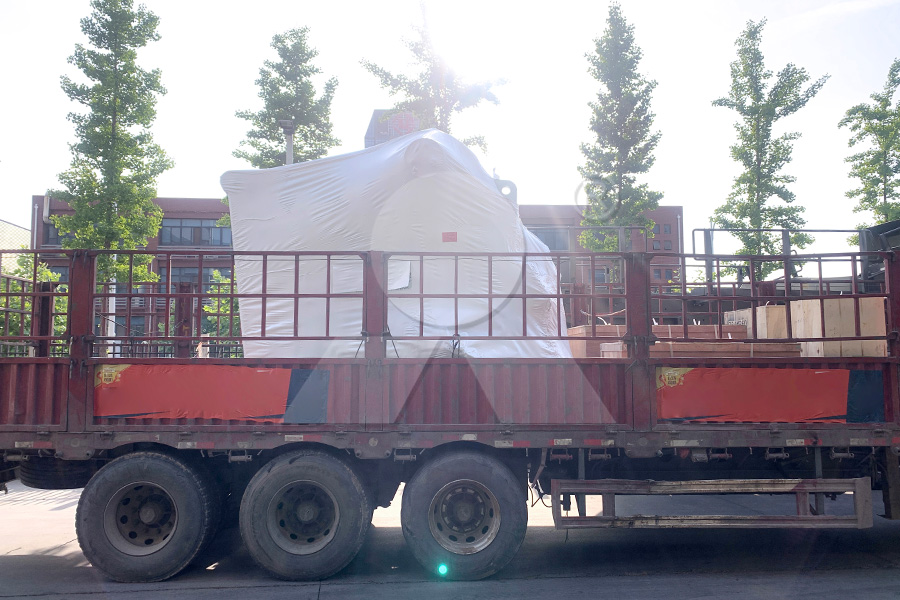
The logistical challenge of moving thousands of tons of equipment to a greenfield site dictates a design paradigm centered on modularization and containerization. Process plants are engineered as skid-mounted or modular units, with pre-assembled, pre-tested circuits for crushing, grinding, and concentration. This reduces on-site construction time by up to 40% and limits the need for specialized local labor. Power generation must be planned for total off-grid capability, typically integrating heavy-fuel oil (HFO) or diesel generators with scalable hybrid solar-battery systems to mitigate fuel logistics and cost. A dedicated, secure airstrip capable of handling C-130 class aircraft is non-negotiable for critical personnel transport and emergency medevac.
Material and Engineering Specifications for Harsh Environments
Component longevity in abrasive and corrosive conditions is a direct function of material science. Critical wear parts are not generic; they are specified to match the specific ore geochemistry and operational stress.
- Primary Crushing & Material Handling: Gyratory and jaw crusher liners utilize austenitic manganese steel (Mn14, Mn18) for high-impact absorption, with modified grades (Mn18Cr2, Mn22Cr2) for added abrasion resistance in siliceous ores. Conveyor idlers and pulleys are specified with ISO 1525-1 compliant sealing (e.g., Labyrinth, Triple-lip) to exclude dust and moisture, with frames fabricated from ASTM A572 high-strength, low-alloy steel.
- Comminution Circuit: Ball mill and SAG mill liners are cast in high-chrome white iron (HCWI, 15-27% Cr) or nickel-chrome white iron for superior abrasion resistance. Grinding media is classified by hardness (BHN) and chemical composition (high-carbon, forged steel) to optimize grind efficiency and consumption rates (g/kWh).
- Structural & Site Infrastructure: All structural steel for process buildings, conveyor gantries, and fuel farms must meet ISO 8501 standards for surface preparation (Sa 2.5) and be coated with a multi-layer epoxy-polyurethane system for UV and chemical resistance. Plate thickness for critical chutes, hoppers, and bins includes a minimum 6mm wear allowance.
Logistics and Maintenance: Operationalizing Remote Support
Robust infrastructure is meaningless without a parallel logistics chain to sustain it. This requires militaristic planning for spares, maintenance, and supply continuity.
- Strategic Spares Holding: A predictive spares inventory, co-developed with OEMs, is maintained both on-site and at a regional hub (e.g., Johannesburg, Durban, Walvis Bay). This inventory is based on Mean Time Between Failure (MTBF) data and lead times for critical, long-lead items like crusher main shafts, gearbox assemblies, and large-bore mill bearings.
- Modularized Maintenance: Major components are designed for in-situ repair or rapid swap-out. Hydraulic adjustment systems for crushers, cartridge-style bearing assemblies for pumps and fans, and modular slurry valve bodies minimize downtime and technician hours.
- Fuel and Consumables Security: On-site fuel storage capacity is engineered for a minimum 30-day operation at full load, with secondary containment and leak detection systems per API 650. Drilling, blasting, and chemical reagent supply contracts must include buffer stock clauses and multiple routing options to mitigate port or border delays.
Technical Parameters for Infrastructure Planning
Key decision-making requires quantification. The following parameters should be baseline requirements in feasibility studies and vendor specifications.
| System Component | Critical Parameter | Specification Benchmark | Rationale |
|---|---|---|---|
| Crushing Plant (Primary) | Throughput Capacity | 10-20% above nameplate TPH for peak feed | Accommodates ore variability and ensures downstream feed stability. |
| Conveyor System | Belt Rating & Idler Class | DIN 22101/ISO 1525, Class C5/C6 (Heavy Duty) | Withstands impact from lump ore and ensures longevity in 24/7 operation. |
| Power Generation | Prime Power Rating | ISO 8528-1, G2 (≤10% voltage dip) or G1 (≤5% dip) performance | Essential for stable operation of large mill drives and processing controls. |
| Water Management | Tailings & Process Water Recovery | >85% recycle rate for entire circuit | Reduces freshwater demand and mitigates environmental risk. |
| Communications | Network Redundancy | Dual, independent satellite links (e.g., VSAT + LEO) with fiber-optic site backbone | Guarantees data continuity for SCADA, telemetry, and remote expert support. |
The ultimate metric of infrastructure robustness is sustained availability under isolation. Every system must be specified not for ideal conditions, but for the reality of deferred maintenance windows, limited crane capacity, and supply chain interruptions measured in weeks, not days. The capital premium for this level of engineering is the direct and necessary cost of operational insurance in Africa's most promising, yet demanding, terrains.
Technical Specifications: Engineered for Africa's Diverse Geological Challenges
The African continent presents a unique convergence of extreme geological conditions, from highly abrasive banded iron formations and hard rock quartzites to deeply weathered, sticky lateritic deposits. Standard, off-the-shelf equipment consistently fails under these compounded stresses, leading to catastrophic downtime and unsustainable operating costs. Our engineering philosophy is built on a foundation of material science and purpose-driven design to deliver predictable performance in unpredictable environments.
Core Material & Structural Engineering
- Primary Wear Components: Critical wear parts, including jaw plates, cone mantles, crusher liners, and bucket teeth, are cast from proprietary high-chrome white iron (HCWI) alloys and through-hardened Hadfield manganese steel (11-14% Mn). These materials are selected for their optimal balance of hardness (up to 700 HB for abrasion resistance) and inherent toughness (for impact absorption), with specific grades deployed based on the dominant wear mechanism of your site.
- Structural Integrity: Main frames, chassis, and support structures are fabricated from high-tensile, low-alloy steel (e.g., ASTM A572 Grade 50). Critical weldments undergo stress-relieving and non-destructive testing (NDT) via ultrasonic or magnetic particle inspection to eliminate failure points under dynamic loading.
- Corrosion Mitigation: For operations in coastal or high-humidity regions, a multi-stage protection system is applied, comprising abrasive blast cleaning (SA 2.5 standard), a high-build zinc-rich epoxy primer, and polyurethane topcoats. Critical electrical and hydraulic components are housed in IP66-rated enclosures.
Mining-Specific Performance Parameters
Equipment is not selected by model number alone, but by its validated capability to handle your specific mine plan's key parameters.
| Parameter | Specification Range | Engineering Rationale |
|---|---|---|
| Feed Capacity | 200 - 2,500 TPH | Scalable plant design matched to resource definition and lifecycle planning, with dynamic feed control systems to manage surge loads. |
| Ore Hardness (Compressive Strength) | 150 - 350 MPa | Crusher chamber geometries, eccentric throws, and liner profiles are optimized for the crushability curve of your ore, maximizing reduction efficiency and minimizing recirculating load. |
| Abrasion Index (Ai) | 0.1 - 0.6 | Directly dictates material selection for liners and transfer points. High-Ai ores mandate premium ceramic-lined chutes and adjustable impact beds on conveyor systems. |
| Moisture & Clay Content | Up to 25% cohesive material | Incorporation of pre-screening, modular scalping decks, and direct drive grizzly feeders with active deck cleaning to prevent blinding and maintain flow. |
Functional Advantages for Operational Resilience
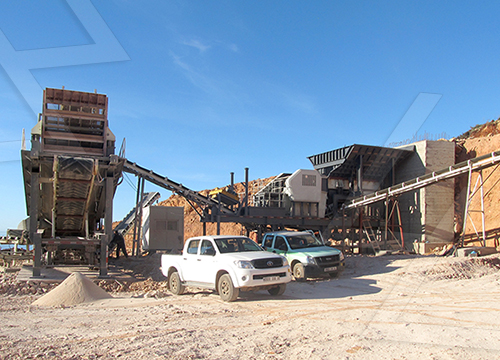
- Modular, Road-Transportable Designs: Primary crushing and screening plants are engineered in modular sections compliant with regional road transport regulations, enabling rapid deployment and relocation with minimal civil works.
- Adaptive Power Systems: Configurable for high-voltage grid connection, on-site HFO generation, or hybrid diesel-electric setups, with built-in redundancy for critical circuits to ensure continuity in remote locations.
- Dust & Noise Suppression: Integrated, high-pressure misting systems with programmable logic controller (PLC) timers for dust control at transfer points. Acoustic enclosures for prime movers and crushers engineered to meet World Bank/IFC performance standards.
- Centralized Greasing & Condition Monitoring: Automated, single-point lubrication systems for all major bearings. Provision for continuous vibration, temperature, and pressure monitoring feeds, with outputs compatible with major fleet management software platforms.
All systems are designed, manufactured, and tested to ISO 9001:2015 quality management standards, with critical safety components certified to relevant ISO (e.g., ISO 13849 for safety controls) and CE directives. Final factory acceptance testing (FAT) includes a full load simulation to verify throughput and power draw before shipment.
Proven Track Record: Trusted Partnerships and Regulatory Expertise
Our partnerships are built on a foundation of shared technical objectives and a mutual understanding of the African mining landscape's unique material challenges. We have successfully commissioned and optimized operations where abrasive ores, from high-silica gold to banded iron formations, demand specific metallurgical solutions. Our expertise extends beyond equipment supply to integrating systems that meet both international standards and stringent local regulatory frameworks.
Technical Execution and Compliance
- Material-Specific Engineering: We specify wear materials based on comprehensive ore analysis. This includes the application of high-chrome white iron for slurry pumps, AR400/500 abrasion-resistant steel for chute liners, and custom manganese steel (Mn14%, Mn18%, Mn22%) grades for crusher jaws and mantles to match the specific impact and abrasion indices of your deposit.
- Standards-Based Validation: All supplied machinery and processes are designed to comply with relevant international standards (ISO 9001, ISO 14001) and carry necessary CE certification. We navigate the complex web of local national standards, ensuring all documentation and equipment certifications satisfy ministerial and departmental requirements for mine operation permits.
- System-Wide Optimization: Our focus is on plant-wide efficiency. We analyze and specify for key parameters such as target throughput (TPH), feed size distribution, product P80, and ore work index to ensure crushing and grinding circuits are not just individually robust, but harmonized for optimal uptime and lowest cost per ton.
Regulatory and Partnership Navigation
We maintain active engagements with mining ministries, geological surveys, and environmental agencies across multiple jurisdictions. This proven track record facilitates:
- Expedited Licensing Support: Providing technically accurate documentation for prospecting, exploration, and mining license applications that align with national mining codes.
- Environmental & Social Governance (ESG) Integration: Engineering solutions that incorporate water recycling systems, dust suppression technologies, and noise abatement measures directly into the plant design to meet environmental impact assessment (EIA) stipulations.
- Local Content Fulfillment: Developing technically sound implementation plans for local procurement and skills development that satisfy regulatory requirements and build sustainable community relations.
| Partnership Phase | Core Technical Deliverables | Regulatory Interface |
|---|---|---|
| Feasibility & Planning | Ore characterization reports, flow sheet development, preliminary CAPEX/OPEX models based on equipment selection. | License application support, preliminary environmental scoping studies. |
| Engineering & Procurement | Detailed mechanical and process design, specification of alloy grades and equipment packages (e.g., crushers rated for specific compressive strength, mills sized for work index). | Submission of certified equipment dossiers, customs clearance technical documentation. |
| Construction & Commissioning | Installation supervision, plant performance acceptance testing (e.g., verifying TPH capacity and product size distribution). | Coordination with inspectorates for final operational approvals and compliance sign-offs. |
| Operations & Optimization | Wear life monitoring, process audits, implementation of upgrade packages for yield improvement. | Ongoing compliance reporting assistance, adaptation to evolving regulatory amendments. |
Frequently Asked Questions
How can we optimize wear parts replacement cycles in high-abrasion African ores?
Use high-manganese steel (e.g., Hadfield Grade 11-14% Mn) for crusher liners and bucket teeth. Implement predictive maintenance via laser scanning for liner thickness. Pair with hardfacing on high-wear areas. This extends cycles by 30-40% in highly siliceous ores, reducing downtime and parts logistics costs.
What machinery adaptations are critical for varying ore hardness (Mohs 3 to 7)?
Configure primary crusher (jaw/gyratory) hydraulic settings and mantle/bowl liner profiles for each hardness band. For hard ore (Mohs >6), use ultra-high tensile strength steel with secondary quenching. For softer ore, adjust crusher speed and chamber geometry to prevent packing, ensuring optimal throughput and energy efficiency.
How do we manage excessive vibration in large rotary drills and crushers?
Conduct laser alignment and dynamic balancing of rotors during installation. Use SKF or Timken spherical roller bearings with continuous condition monitoring. Install custom-engineered vibration dampers on crusher foundations. This protects structural integrity and prevents premature failure of shafts and gears in high-impact environments.
What are the non-negotiable lubrication protocols for dusty, high-temperature operations?
Implement a centralized, automated lubrication system (e.g., Lincoln or Graco) with synthetic, high-viscosity index oils. Use double-labyrinth seals on all bearings. Specify extreme pressure (EP) additives for gearboxes. Daily grease analysis for contamination prevents 80% of bearing failures in >45°C ambient temperatures.
How should we configure screening plants for high-moisture, sticky lateritic ores?
Opt for banana screens with polyurethane screen decks and heated decks or ball-tray systems to prevent blinding. Adjust screen inclination and vibration amplitude dynamically. Install high-frequency screens for fine, sticky material. This maintains separation efficiency and prevents costly process bottlenecks.
What is the best strategy for hydraulic system reliability in remote locations?
Use Eaton or Bosch Rexroth variable displacement pumps with pressure-compensated controls. Implement 3-micron absolute filtration and scheduled oil analysis. Maintain hydraulic fluid temperature below 60°C with integrated air-oil coolers. Standardize hose and fitting kits to simplify field repairs and minimize system contamination.