Chromium Ore Beneficiation Plant: Processes and Applications
Chromium ore beneficiation refers to the series of physical and chemical processes used to upgrade the quality of raw chromite ore extracted from mines. The primary objective is to increase the chromium-to-iron (Cr/Fe) ratio and reduce impurities such as silica, alumina, and other gangue minerals. This upgraded concentrate is essential for efficient use in ferrochrome production, which is a critical input in stainless steel manufacturing.
Chromite ore, the main source of chromium, typically occurs in layered intrusions or ophiolite complexes. The most significant chromite deposits are found in South Africa, Kazakhstan, India, and Turkey. However, raw chromite ore often contains substantial amounts of gangue material, making beneficiation necessary before smelting.
The beneficiation process begins with crushing and grinding to liberate chromite grains from the host rock. Jaw crushers and cone crushers are commonly used for primary and secondary crushing, followed by ball or rod mills for fine grinding. Liberation size varies depending on the ore texture but generally ranges between 100 and 300 microns.
Gravity separation is the most widely employed method in chromite beneficiation due to the high specific gravity of chromite (4.0–4.8 g/cm³) compared to silicate gangue minerals (typically 2.6–2.8 g/cm³). Equipment such as shaking tables, jigs, spirals, and heavy media separation (HMS) units are used effectively in industrial plants.
Heavy media separation is particularly effective for coarse particles (above 6 mm). In this process, a suspension of finely ground magnetite or ferrosilicon in water creates a medium with controlled density. Chromite sinks while lighter gangue floats, allowing for efficient separation. For finer particles, spiral concentrators and shaking tables are preferred due to their ability to handle particle sizes from 75 µm up to 2 mm.
In some cases, especially with complex or fine-grained ores, magnetic separation may be applied. While chromite itself is weakly paramagnetic, certain associated minerals like magnetite can be removed using low-intensity magnetic separators. High-intensity magnetic separators may also assist in removing iron-bearing impurities.
Flotation techniques are less common but have been applied selectively where gravity methods are insufficient. Reverse flotation can remove siliceous gangue using cationic collectors at alkaline pH conditions.
Water management is critical in beneficiation plants due to environmental regulations and operational efficiency. Closed-circuit water recycling systems are standard practice to minimize discharge and conserve resources..jpg)
The final product—chromite concentrate—typically contains 42–50% Cr₂O₃ with a Cr/Fe ratio above 2:1 for metallurgical-grade applications. Non-metallurgical grades may have lower specifications for use in refractories.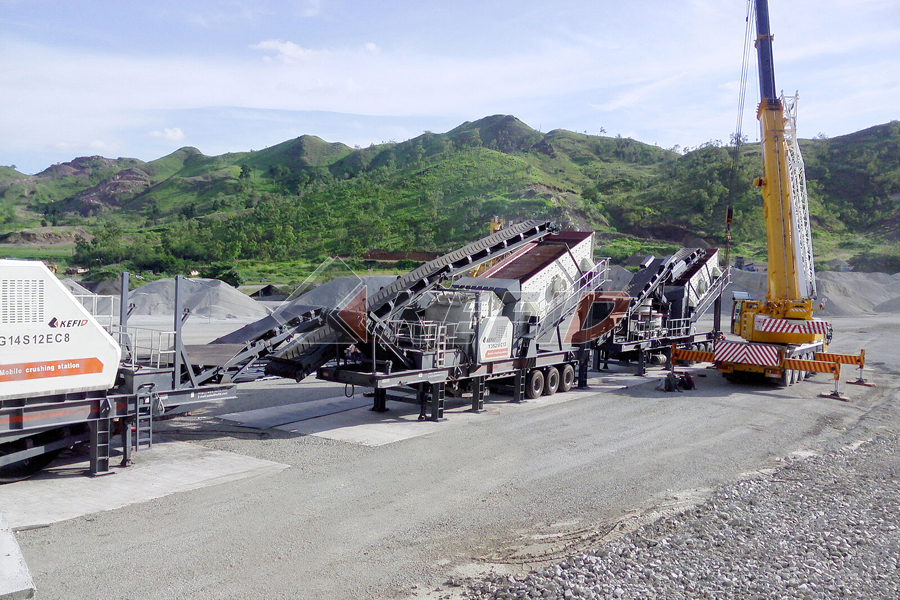
Modern chromium ore beneficiation plants integrate automation and process control systems to optimize recovery rates and maintain consistent product quality. Examples include the Kemi mine in Finland operated by Outokumpu and operations in South Africa’s Bushveld Complex managed by companies like Glencore and Samancor Chrome.
Environmental considerations include dust suppression during crushing, tailings management through engineered dams, and reclamation of mined areas—practices increasingly mandated by regulatory bodies.
In conclusion, chromium ore beneficiation is a vital step in transforming raw chromite into a valuable industrial commodity. Through well-established gravity-based methods supported by auxiliary techniques like magnetic separation and flotation when needed, modern plants efficiently produce high-quality concentrates that support global stainless steel production.
References:
- United States Geological Survey (USGS) Mineral Commodity Summaries – Chromium (2023)
- Gupta, C.K., & Mukherjee, T.K. (1990). "Extractive Metallurgy of Chromium." Hydrometallurgy.
- Biswas, A.K., & Davenport, W.G. (1994). "Extractive Metallurgy of Copper." Pergamon Press.
- Plaksin, I.N., et al. (1961). "Beneficiation of Chromite Ores." Tsvetnaya Metallurgiya.
- Industry reports from Outokumpu and Samancor Chrome operations.
- SME Mineral Processing Handbook – Nelson Jha (Ed.).