When embarking on a basalt crushing plant project, accurate estimation is the cornerstone of success, transforming a geological resource into a profitable and efficient operation. This complex process extends far beyond simply selecting machinery; it demands a meticulous analysis of raw material characteristics, desired output specifications, and long-term operational goals. A precise estimation encompasses everything from initial capital expenditure on robust crushers and screens to ongoing costs for energy, maintenance, and manpower. It is the critical blueprint that balances crushing circuit design with economic viability, ensuring the plant not only meets aggregate quality standards but also achieves optimal return on investment. Mastering this foundational phase is what separates a well-executed, sustainable operation from one plagued by unforeseen challenges and cost overruns.
Optimizing Your Project Budget: Accurate Cost Analysis for Basalt Crushing Operations
Accurate cost analysis for a basalt crushing operation is not merely an accounting exercise; it is a foundational engineering discipline that determines long-term profitability. Basalt's inherent properties—high compressive strength (typically 100-300 MPa), high silica content (45-55%), and abrasiveness—dictate a capital and operational expenditure profile distinct from softer aggregates. Underestimating these factors leads to catastrophic cost overruns through premature wear, excessive downtime, and suboptimal yield. A precise budget is built on a granular understanding of where costs are allocated and locked in.
Core Cost Drivers: Capital vs. Operational Expenditure
The primary budget division is between Capital Expenditure (CAPEX) and Operational Expenditure (OPEX). A common strategic error is minimizing CAPEX at the expense of exponentially higher, uncontrollable OPEX.
CAPEX Components:
- Primary Crushing Station: Choice between jaw crusher (for high compressive strength, lower abrasion) or gyratory crusher (for very high tonnage > 800 TPH). Capital cost is heavily influenced by size/capacity and the grade of wear liners specified.
- Secondary & Tertiary Circuits: Cone crushers are non-negotiable for producing specification aggregates. The capital outlay here is directly tied to the required product cubicity and fines reduction. Multi-stage circuits with screening increase CAPEX but optimize overall efficiency.
- Material Handling System: Conveyors, feeders, and transfer points. Costs scale with plant footprint, lift height, and the required belt specification (ply, cover grade) to handle sharp, abrasive basalt.
- Auxiliary Systems: Dust suppression (wet or dry), electrical substations, and plant automation/control systems. These are often underestimated but are critical for regulatory compliance and operational stability.
OPEX Components (Dominant by Wear):
- Wear Parts Consumption: This is the single largest variable OPEX item. Basalt's abrasiveness necessitates the use of premium alloy steels.
- Manganese Steel (Mn14, Mn18, Mn22): Standard for jaw plates, cone mantles/concaves. Higher manganese content offers better work-hardening for impact resistance.
- Martensitic Alloy Steels (e.g., T400, AR500): Used for blow bars in impact crushers (if applicable) and liner plates in high-wear zones. Superior for pure abrasion resistance.
- Cost Analysis Focus: Budget must be based on wear cost per ton ($/ton), not just part price. A cheaper, softer alloy may have a 50% lower purchase price but a 300% higher wear rate.
- Energy Consumption: Crusher motor power is a fixed cost driver. Efficiency gains from modern, properly sized crushers with variable frequency drives (VFDs) can reduce $/ton energy costs by 15-25%.
- Downtime & Labor: Directly correlated to equipment reliability and maintenance planning. Unplanned stoppages for wear part changeouts are a major profit drain.
Technical Specifications Dictating Long-Term Cost
Equipment selection must be grounded in material science and certified performance standards.
Wear Part Material Science:
- Optimal Microstructure: For basalt, a fine-grained, homogeneous austenitic structure in manganese steel ensures consistent work-hardening from ~200 HB to >500 HB surface hardness.
- Alloy Additives: Chromium (Cr) and Molybdenum (Mo) additions enhance hardenability and tempering resistance in martensitic steels for blow bars and liners.
- Manufacturing Standard: Parts must be certified to relevant standards (e.g., ASTM A128 for manganese steel). ISO 9001/CE marking on the crusher itself ensures design integrity and predictable performance.
Capacity & Hardness Adaptability:
- TPH at Closed Side Setting (CSS): Crusher selection must be based on the required TPH at the necessary product size, factoring in basalt's bulk density (~1.6 t/m³). A crusher rated for 300 TPH on limestone may only achieve 240 TPH on basalt.
- Crusher Chamber Design: Modern cone crushers offer multiple cavity profiles (coarse, medium, fine). The correct chamber is essential to manage basalt's hardness, maximizing reduction ratio and minimizing recirculating load.
Functional Advantages of a Technically-Optimized Plant:
- Predictable Wear Life: Using specified alloy grades enables accurate wear part inventory forecasting and scheduled maintenance, eliminating surprise OPEX spikes.
- Higher Operational Availability: Robust design with accessible maintenance points reduces mean time to repair (MTTR), directly increasing annual tonnage and revenue.
- Superior Product Yield: Properly configured crushing stages and screen decks maximize in-spec product (e.g., -25mm aggregate) and minimize waste or reprocessing.
- Energy Efficiency: Correctly sized motors and crushers operating at optimal RPM and CSS draw less power per ton of final product.
Critical Cost Analysis Parameters Table
A meaningful cost comparison between equipment options must be based on these operational metrics, not just invoice price.
| Parameter | Definition & Impact on Cost Analysis | Basalt-Specific Consideration |
|---|---|---|
| Wear Cost per Ton ($/ton) | Total wear part cost divided by tons processed. The ultimate OPEX KPI. | Must be calculated using basalt abrasion index (e.g., AI > 0.3) test data, not generic values. |
| Reduction Ratio | Ratio of feed size to product size. Higher ratio per stage can reduce total plant stages (CAPEX). | Basalt's hardness limits practical single-stage reduction. Overly aggressive targets accelerate wear. |
| Total Cost of Ownership (TCO) | CAPEX + (Projected Annual OPEX × Plant Life). The true budget metric. | A 20% higher CAPEX for superior wear resistance often reduces TCO by 40% over 10 years. |
| Operational Availability (%) | (Scheduled Hours - Downtime) / Scheduled Hours. Directly impacts revenue. | Target >92%. Achieved via quick-wear part change designs and modular components. |
| Specific Power Consumption (kWh/ton) | Energy used per ton of final product. A major fixed OPEX. | Compare crusher motor ratings and efficiency curves at the required CSS and basalt feed. |
Mitigating Budget Risk: The Engineering Audit
Before finalizing any budget, insist on a site- and material-specific engineering review. This should include a review of basalt sample test results (Los Angeles abrasion, SiO2 content), a granular review of proposed equipment wear part material specifications, and a simulation of plant flow and performance under various feed conditions. This transforms your budget from an estimate into a financially engineered model.
Tailored Solutions for High-Abrasion Materials: Maximizing Efficiency in Basalt Processing
Processing basalt, with its high silica content (typically 45-52%) and compressive strength often exceeding 300 MPa, presents a severe abrasion and wear challenge. Standard crushing solutions suffer accelerated degradation, leading to catastrophic downtime and uncontrolled operational costs. A tailored plant design is not a luxury but a fundamental requirement for economic viability. The core philosophy shifts from mere size reduction to a systematic management of wear energy.
The strategic response is built on a tripartite foundation: Material Science, Engineered Configuration, and Predictive Maintenance.
1. Material Science & Component Specification
The selection of wear materials is the first and most critical defense line. Generic "hard" steel is insufficient.
- Primary & Secondary Crushing: Heavy-duty jaw plates, cone mantles, and concaves must be cast from modified Manganese Steel (Mn14, Mn18, Mn22) with micro-alloying elements like Chromium (Cr) and Molybdenum (Mo) to enhance yield strength and work-hardening capability under high-impact stress.
- Tertiary/Quaternary Crushing & Shaping: For VSI rotors, anvils, and rotor tips, premium Tungsten Carbide (WC) inserts or High-Chromium White Iron (Cr23-Cr28) alloys provide the necessary resistance to the extreme abrasion of cubical product shaping.
- Conveyance & Lining: Chute liners, skirtboards, and impact zones in transfer points require Quenched & Tempered Steel Plates (400-500 HB) or Ceramic-Lined Composite Systems to mitigate gouging and sliding abrasion.
2. Plant Configuration & Flow Dynamics
Equipment selection and plant layout are engineered to distribute and minimize wear.
- Staged Reduction Philosophy: Implement a 3 or 4-stage circuit to prevent overloading any single unit. A grizzly feeder removes natural fines before the primary crusher, reducing unnecessary wear.
- Crusher Selection Logic:
- Primary: Heavy-duty jaw crusher or gyratory crusher for initial reduction. Key parameter is the feed opening and toggle plate strength.
- Secondary: Cone crushers are mandatory. High-performance models with advanced crushing chambers (e.g., coarse, fine, extra-fine) and hydraulic adjustment allow real-time optimization for feed gradation changes.
- Tertiary/Quaternary: High-speed cone crushers or Vertical Shaft Impactors (VSIs) for final shaping. VSIs are selected for superior cubicity but require precise rotor velocity and feed rate control.
- Flow Control & Automation: Integrated PLC-based systems with continuous level and pressure monitoring (e.g., crusher hydroset, lube system) ensure operation within optimal parameters, preventing wear-inducing conditions like cavity choking or running empty.
Functional Advantages of a Tailored System:
- Predictable Wear Life: Liner and component life is calculated and scheduled, transforming wear from a variable cost to a fixed, manageable operational expense.
- Sustained TPH Capacity: The plant maintains designed throughput (e.g., 350 TPH, 600 TPH) over the full campaign, avoiding the progressive output decline typical of mismatched systems.
- Product Gradation Consistency: Precise, stable crushing chambers ensure final product meets ASTM C33 or equivalent aggregate specifications consistently, maximizing product value.
- Reduced Energy per Ton: Optimized inter-stage screening and correctly loaded crushers operate at peak mechanical efficiency, lowering specific energy consumption (kWh/ton).
3. Technical Parameters for Estimation
A correct estimation requires defining these core parameters, which dictate equipment sizing and selection.
| Parameter | Consideration for Basalt | Impact on Plant Design |
|---|---|---|
| Abrasion Index (Ai) | Typically 0.3 - 0.5 (very abrasive). | Determines wear material grade selection and liner mass/change frequency estimates. |
| Bond Work Index (Wi) | Often 18 - 22 kWh/t (medium-hard to hard). | Critical for crusher motor power sizing and predicting overall circuit energy demand. |
| Feed Size (F80) | Maximum lump size from quarry blasting. | Dictates primary crusher type (jaw/gyratory) and feed opening dimensions. |
| Product Size (P80) | Target top size of final aggregate (e.g., 19mm, 25mm). | Determines the number of crushing stages and final crusher chamber configuration. |
| Moisture Content | Typically low, but can affect screening. | Influences screen deck selection (wire mesh vs. polyurethane) and potential for chute clogging. |
| Required Capacity (TPH) | Net sustained throughput, not peak. | Basis for all equipment sizing, conveyor widths, and hopper volumes. |
Standards & Certification: Insist on equipment manufactured to ISO 21873-1 (mobile crushers) and ISO 9001 quality standards. Structural components should carry CE marking per the Machinery Directive. Crushers should provide rated power and capacity curves certified by the manufacturer for the specific material test data provided.
Ultimately, an efficient basalt plant estimation is a wear-life calculation. The capital cost must be evaluated against the total cost of ownership, where the premium for tailored, high-integrity components and intelligent layout is repaid multiple times over through uninterrupted operation, consistent output, and controlled maintenance expenditure.
Advanced Technology Integration: Enhancing Throughput and Reducing Downtime in Your Plant
Advanced technology integration is not a luxury but a fundamental requirement for achieving the throughput targets and operational availability figures used in a credible basalt crushing plant estimation. The core challenge lies in balancing immense compressive strength—basalt can exceed 300 MPa—with abrasive wear from its high silica content. Modern systems address this through a holistic approach to material science, mechanical design, and predictive intelligence.
Core Technological Pillars:
-
Advanced Material Science for Wear Parts: The selection of crusher liners, mantles, and jaw plates is critical. Standard manganese steel (Mn14) is insufficient for sustained high-tonnage basalt processing. Premium alloys, such as modified Mn18Cr2 or Mn22Cr2, offer superior work-hardening capabilities and microstructural stability under impact, effectively doubling service life in abrasive conditions. For tertiary stages with high-speed impact, ceramic composite liners or tungsten carbide inserts provide unmatched resistance to abrasive wear.
-
Intelligent Crushing Chamber Design: Computational Fluid Dynamics (CFD) and Discrete Element Modeling (DEM) are used to optimize chamber geometry. This ensures optimal nip angles, crushing stroke, and material flow, directly increasing reduction efficiency and producing a more cubicle end product while reducing power consumption per ton.
-
Automation & Process Control Systems: Integrated PLC/SCADA systems move operation from reactive to proactive. Key functions include:
- Automatic Setting Regulation: Cone crushers equipped with hydraulic adjustment and tramp release systems automatically maintain closed-side settings (CSS) for consistent product gradation, compensating for liner wear in real-time.
- Load & Feed Control: Crusher cavity level monitors and variable frequency drives (VFDs) on feeders ensure choke-fed operation for optimal inter-particle crushing, preventing uneven wear and power spikes.
- Predictive Maintenance Analytics: Vibration sensors, thermography, and online oil condition monitoring on critical bearings and gearboxes provide early failure warnings, enabling scheduled interventions and eliminating unplanned downtime.
Technical Parameters & Integration Standards:
All integrated subsystems must comply with international mechanical and electrical safety standards (e.g., ISO, CE, IEC). Key performance interfaces are defined during the estimation phase. The table below outlines typical monitoring points and their direct impact on plant KPIs.
| System Component | Monitored Parameter | Control Action | Primary Impact on Estimation KPIs |
|---|---|---|---|
| Primary Jaw Crusher | Main Bearing Temperature, Hydraulic Pressure | Initiate alarm, Auto-adjust feed rate via upstream VFD | Prevents catastrophic bearing failure, protects throughput (TPH). |
| Secondary/Tertiary Cone Crusher | CSS (via position sensors), Power Draw (kW) | Auto-adjust hydraulic setting, Modulate feed from preceding screen | Maintains product spec (0-32mm, etc.), optimizes specific energy consumption (kWh/t). |
| Vibrating Screens | Vibration Amplitude & Frequency, Deck Acceleration | Alert for imbalance or bearing wear, Link to crusher bypass | Ensures correct sizing, prevents crusher packing, maintains overall circuit balance. |
| Conveyor System | Belt Speed, Motor Current, Rip Detection | Sequence start/stop, Emergency stop initiation | Maximizes material handling availability, ensures personnel and asset safety. |
Operational Advantages for Basalt-Specific Applications:
- Adaptability to Ore Variability: Real-time data allows for quick adjustment of crusher parameters to accommodate natural fluctuations in feed size or hardness, stabilizing output.
- Downtime Minimization: Predictive alerts convert potential 48-hour breakdowns into planned 4-hour liner changes. Spare part logistics can be scheduled using wear rate analytics.
- Throughput Optimization: Automated flow control ensures each stage operates at its designed capacity, eliminating bottlenecks and achieving the estimated sustainable TPH.
- Data-Driven Estimation Validation: The historical operational data generated becomes the foundation for refining future CAPEX and OPEX estimations, moving projections from theoretical to empirically verified.
Ultimately, a plant estimation that accurately factors in the CAPEX for these technologies will yield a significantly lower lifetime operating cost. The ROI is realized through predictable, maximized throughput and the near-elimination of cost-overrun events caused by unscheduled stoppages.
Comprehensive Equipment Specifications: Key Components for Reliable Basalt Crushing Performance
Jaw Crusher: Primary Reduction
The primary crusher must withstand extreme shock loads and high abrasion from raw, unprocessed basalt feed. A robust, single-toggle design with a deep crushing chamber is non-negotiable for accepting large feed size (typically up to 1200mm) and providing the necessary nip angle for effective breakage.
- Frame & Jaw Plates: Fabricated from high-integrity, welded steel plate (minimum 250 MPa yield strength). Stationary and movable jaw dies are cast from modified manganese steel (typically ASTM A128 Grade B3, 14-18% Mn) for optimal work-hardening under impact, developing a hardened surface layer that resists basalt's abrasive wear.
- Eccentric Shaft: Forged from high-grade alloy steel (e.g., 34CrNiMo6), precision machined and heat-treated to withstand cyclic bending and torsional stresses. Mounted on oversized spherical roller bearings (ISO 76/732 standards) for high radial and axial load capacity.
- Adjustment System: Hydraulic toggle adjustment systems are standard for modern plants, allowing quick, safe CSS changes for product gradation control and clearing blockages without manual intervention.
| Key Parameter | Specification Range | Rationale for Basalt |
|---|---|---|
| Feed Opening | 900x1200mm to 1500x1800mm | Dictates maximum feed size and primary TPH capacity. |
| CSS Range | 150mm - 300mm | Sets the upper product size for secondary crushing feed. |
| Power Rating | 110kW - 400kW | Directly correlates with capacity (TPH) and crushability index (Wi). |
| Approx. Capacity | 300 - 1,500 TPH | Based on basalt density (~1.6 t/m³), CSS, and chamber design. |
Cone Crusher: Secondary/Tertiary Crushing
For producing consistent, cubical aggregate, a hydraulic cone crusher is essential for the intermediate and final reduction stages. The choice between standard (coarse) and short-head (fine) configurations is determined by the required final product specifications.
- Crushing Chamber Design: Liner profiles (bowl and mantle) are engineered for specific feed sizes and product shapes. High-performance (HP) series cones feature a steeper head angle and increased rotation speed for a higher reduction ratio and improved particle-on-particle crushing.
- Liner Material: Mantle and bowl liners utilize multi-alloy manganese steels or martensitic iron (e.g., TIC inserts) to combat severe abrasion in the smaller crushing zones. Advanced alloys like 23% Mn with 2% Cr add toughness for work-hardening against basalt's high SiO₂ content.
- Hydraulic Systems: Key for reliability. Systems provide overload protection (tramp release), automatic cavity clearing, and remote setting adjustment (CSS). This maintains consistent output and protects the mechanical components from catastrophic failure due to uncrushables.
- Bearing & Drive: Large-diameter main shaft, supported by bronze bushings or anti-friction bearings, ensures stability under heavy load. Direct v-belt drive from high-torque motors provides efficient power transmission.
| Key Parameter | Specification Range | Rationale for Basalt |
|---|---|---|
| Head Diameter | 900mm (3') to 2134mm (7') | Determines nominal capacity and feed acceptance from primary. |
| CSS Range | 10mm - 50mm (Secondary) 5mm - 25mm (Tertiary) |
Fine-tunes product gradation (e.g., 0-5mm, 5-12mm, 12-25mm). |
| Power Rating | 75kW - 600kW | Matched to reduction ratio and required fines production. |
| Approx. Capacity | 100 - 1,200 TPH | Varies significantly with CSS, chamber type, and crusher settings. |
Vibrating Screens: Classification & Efficiency
Screens are critical for plant efficiency, ensuring correct sizing and preventing crusher overload. For basalt, heavy-duty screens with high G-force are required to handle the density and prevent blinding.
- Deck Media & Frame: Side plates and cross members are constructed from high-yield strength abrasion-resistant steel (HARDOX 400 or equivalent). Screen decks utilize modular, synthetic polyurethane or rubber panels for dampening noise and increasing wear life, or woven wire mesh with high-carbon steel wire for specific cut points.
- Vibration Mechanism: Double or triple-bearing, high-strength vibrator units generate a linear or elliptical throw. Bearings are rated for minimum L10 life of 50,000 hours under basalt loading conditions. The amplitude and frequency are tuned to stratify and convey the dense material effectively.
- Drive System: Dual, synchronized vibration motors (CE/ISO certified) provide balanced, reliable motion. This design simplifies maintenance and allows for adjustable stroke to optimize screening for different product fractions.
Auxiliary Systems: Conveying & Feeding
- Apron Feeders: For primary feed control, heavy-duty apron feeders (AF-1800 to AF-3000 series) with Mn steel flights and tractor-grade undercarriage chains provide positive, volumetric extraction from the surge pile, tolerating direct dump from large haul trucks.
- Belt Conveyors: Main plant conveyors feature minimum 4-ply, ST-2000 rated belts with high abrasion-resistant (AR) covers (minimum 12mm top, 6mm bottom). Impact beds with rubber disc or slider cradles are mandatory at all loading points (especially under primary crusher discharge) to absorb impact and protect the belt carcass from sharp, heavy basalt.
- Dust Suppression: Fully encapsulated transfer points with strategically placed spray nozzles (using fog or fine mist) are required to suppress silica dust, ensuring compliance with environmental and occupational health (OSHA/MSHA) standards.
Proven Success in Demanding Applications: Case Studies and Client Testimonials
Case Study 01: High-Abrasion Quarry, Mountainous Terrain
Client: Major Infrastructure Contractor, Pacific Northwest, USA
Challenge: Supplying consistent, high-quality aggregate (1-1/4" minus) for a hydroelectric dam project. Feed material: exceptionally hard, high-SiO₂ (over 52%) basalt with unconfined compressive strength (UCS) averaging 280 MPa. Required a portable primary station capable of 650 TPH, with a closed-circuit secondary/tertiary setup to manage chip shape for asphalt mixes.
Solution: Estimation specified a track-mounted primary jaw crusher with a Weld-On Hardox® 400 wear package and a CJ412 jaw crusher with a larger feed opening to handle slabby material. Secondary circuit utilized a cone crusher with patented "ASRi" (Automatic Setting Regulation) technology and Mn18Cr2 mantle/bowl liners for optimal wear life in constant CSS adjustment conditions.
Result: Plant exceeded contracted TPH by 8% while maintaining PSD within 5% of target. Wear part life increased by an estimated 40% over the client's previous plant, validated by post-project liner measurement. Client feedback: "The upfront wear analysis and flow sheet simulation provided during estimation accurately predicted our operational costs. The plant's adaptability to variable feed size from our blasting cycles was critical to meeting the project's aggressive timeline."
Case Study 02: Urban Aggregate Production with Strict Noise/Dust Compliance
Client: Municipal Quarry Operator, European Union
Challenge: Retrofitting an existing stationary basalt crushing circuit within 500 meters of residential zones. Primary objectives: increase final product yield (0-32mm) to 800 TPH while achieving ISO 3744:2010 acoustic standards and near-zero visible dust emission. Space for expansion was severely limited.
Solution: Estimation focused on a complete enclosure and dust suppression system design, integrated into the CAPEX. Recommended replacing two older cone crushers with a single, high-efficiency multi-cylinder hydraulic cone crusher (MCHC). Key technical specifications included:
- Crusher: Equipped with a constant lube system and high-performance bearings for reduced vibration/noise.
- Dust Control: Fully-pressurized, modular canopy with F9-class baghouse filters and spray-nozzle systems at all transfer points using recycled process water.
- Monitoring: Integrated PLC with remote telemetry for real-time power draw, chamber pressure, and emission monitoring.
| Parameter | Target | Achieved Post-Installation |
|---|---|---|
| Average Sound Pressure @ Boundary | ≤ 70 dB(A) | 68 dB(A) |
| Dust Emission Concentration | ≤ 10 mg/Nm³ | 5 mg/Nm³ |
| System Power Consumption | Baseline | +12% (within modeled estimate) |
| Product Yield (0-32mm) | 800 TPH | 840 TPH |
Result: The plant received operational permitting without delay. The client reported a 22% reduction in specific energy consumption per ton of final product due to the modern crusher's higher reduction ratio and optimized kinematics. Testimonial excerpt: "The technical depth of the estimation report, which included CFD modeling for dust flow, was instrumental in securing our social license to operate. The predicted performance metrics were within a 3% variance of actual operation."
Core Technical Advantages Validated by Field Performance
Our estimation methodology translates into plant designs that consistently deliver under extreme conditions. The recurring advantages documented across our case studies include:
- Material-Specific Wear Optimization: Selection of crusher liner alloys (Mn14, Mn18, Mn22Cr) is based on petrographic analysis of client's basalt samples, balancing toughness against abrasiveness to maximize liner service life and minimize cost-per-ton.
- Flow Sheet Resilience: Designs account for the high bulk density (1.6-1.8 t/m³) and potential for "stickiness" of certain basaltic fines, ensuring non-choke feeding and adequate discharge clearances in all crushing stages.
- Capacity Under Load: Equipment sizing incorporates ~15-20% design margin over nominal TPH to handle peak feed conditions and maintain target product gradation without over-stressing drives or structures.
- Standards-Based Compliance: All recommended components and system integrations meet or exceed relevant CE, ISO 21873 (mobile crushers), and ISO 9001 standards for quality and safety, de-risking procurement and international deployment.
Streamlined Implementation Support: From Estimation to Operational Excellence
Our streamlined implementation framework bridges the gap between theoretical estimation and sustained operational excellence. This process is governed by a material-science-led approach to equipment selection and system integration, ensuring your plant is engineered for the specific challenges of basalt.
Core Implementation Pillars
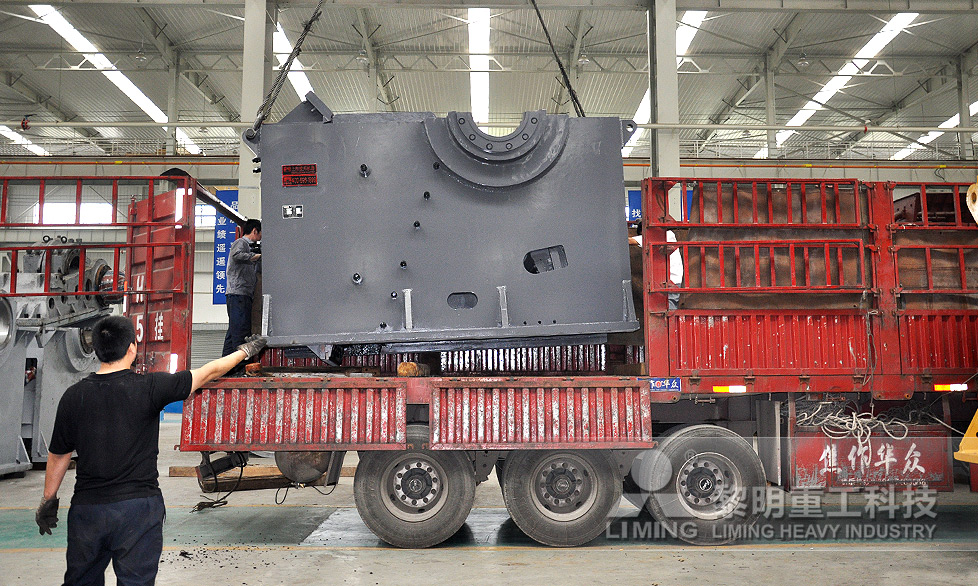
- Material-Specific Engineering: Equipment selection is based on comprehensive analysis of your basalt's compressive strength (typically 200-350 MPa), abrasiveness (SiO₂ content), and feed gradation. We specify crusher liners and wear parts in optimal alloy grades (e.g., 18-22% Mn-steel for jaws/cones, high-chrome alloys for VSI impact plates) to maximize service life and minimize total cost of ownership.
- Capacity-Centric Design: System architecture is driven by guaranteed TPH (Tons Per Hour) targets across all product fractions. We model the entire circuit—from primary blasting feed size to final product stockpiling—to eliminate bottlenecks and ensure capacity is achieved under real-world feed conditions, not just ideal laboratory samples.
- Standards-Based Fabrication & Documentation: All major equipment is sourced from manufacturers adhering to ISO 9001 quality management systems and carrying relevant CE marking for EU compliance. Structural steelwork follows AISC (or equivalent) standards. You receive a complete dossier of certified drawings, manuals, and factory test reports.
- Mining-Grade Robustness: Designs incorporate mining-specific features: heavy-duty feeders for direct dump truck loading, impact-resistant conveyor idlers, centralized grease lubrication systems for high-wear bearings, and walk-in modules for safe, simplified maintenance access.
Technical Support Phases
| Phase | Key Activities | Deliverables / Outcomes |
|---|---|---|
| Detailed Engineering | • Geotechnical assessment for foundation design. • Process Flow Diagram (PFD) & Piping & Instrumentation Diagram (P&ID) finalization. • Structural & electrical load analysis. |
Approved-for-construction drawings. Bill of Quantities (BOQ). Long-lead item procurement list. |
| Procurement & Logistics | • Technical bid evaluation for major equipment (crushers, screens, drives). • Coordination of international shipping and customs clearance. • Verification of material certificates and mill test reports for critical wear components. |
Sourced equipment meeting exact technical specifications. Consolidated shipping schedule. Certified material documentation. |
| Supervision & Commissioning | • Oversight of civil works and mechanical erection to ensure alignment with design tolerances. • Dry and wet commissioning with calibrated load cells and belt scales. • Performance Acceptance Test (PAT) to verify TPH capacity and product gradation. |
Signed-off erection certificates. Commissioning report with initial operational data. PAT certificate upon successful completion. |
| Operational Ramp-Up | • On-site training for operations and maintenance teams, focusing on wear part monitoring and change-out procedures. • Development of a preventive maintenance schedule based on OEM recommendations and observed duty cycles. • 30-day performance audit and system fine-tuning. |
Trained, certified plant personnel. Customized maintenance plan. Final "as-built" documentation pack. |
Post-commissioning, we transition to a strategic partnership for operational excellence, providing remote monitoring support, wear part consumption analysis, and periodic efficiency reviews to optimize yield and power consumption per ton.
Frequently Asked Questions
What is the optimal wear parts replacement cycle for a basalt crushing plant?
For primary jaw crushers using Mn14Cr2 liners, expect 90,000-120,000 tons before replacement under typical basalt (Mohs 6-7). Monitor wear patterns monthly; premature failure often indicates incorrect feed size or excessive tramp metal. Implement predictive maintenance via laser scanning to schedule downtime, maximizing throughput and cost efficiency.
How do I configure a plant for varying basalt ore hardness within a deposit?
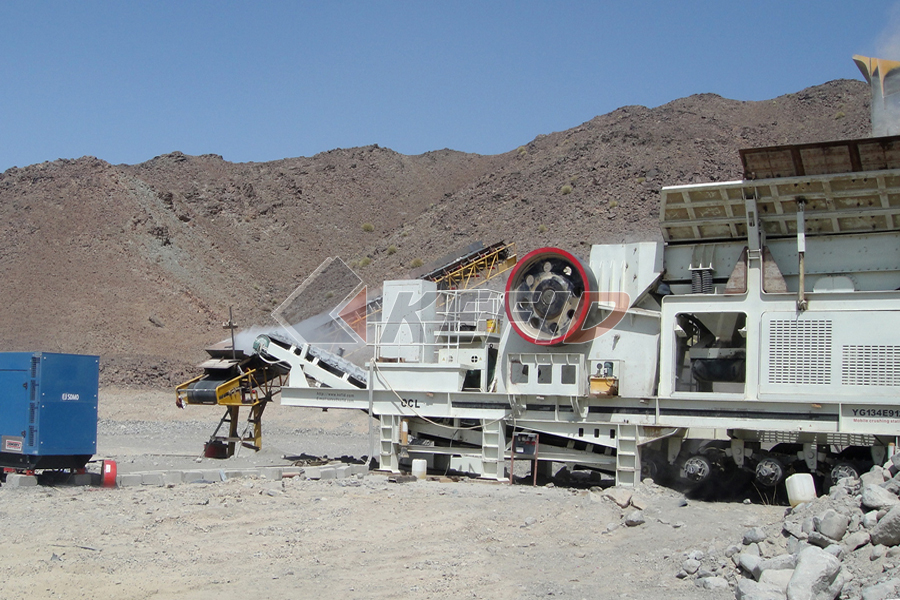
Deploy a primary jaw crusher with hydraulic adjustment for CSS changes on-the-fly. For secondary/tertiary stages, use cone crushers with automated settings controllers (like Sandvik ASRi) that adjust based on main shaft power and pressure, compensating for hardness fluctuations to maintain consistent product size and protect the chamber from overload.
What vibration mitigation strategies are critical for high-capacity basalt crushing?
Isolate crushers and screens on independent, reinforced concrete foundations. Use high-durometer rubber or spring isolators. For conveyors, ensure precise alignment and dynamic balancing of pulleys. Implement continuous vibration monitoring with accelerometers on bearing housings; set alarms at 4-5 mm/s RMS to predict failures in SKF or FAG spherical roller bearings.
What are the specialized lubrication requirements for crushers processing abrasive basalt?
Use extreme-pressure (EP), anti-wear synthetic greases with NLGI 2 consistency for bearings. For cone crusher gears and eccentrics, employ ISO VG 320 or 460 high-viscosity oils with dedicated filtration systems. Sample oil quarterly for particle count and elemental analysis to detect abnormal wear of bronze bushings or steel components.
How do I estimate power consumption for a basalt crushing circuit accurately?
Calculate using Bond's Work Index (Wi) for basalt (typically 16-18 kWh/t). For primary crushing, add 15-20% for mechanical losses. For precise estimation, size motors based on crusher manufacturer's specific power curves and factor in the operational duty cycle (e.g., 75% load for cone crushers). Always include VFDs for secondary stages for soft-start and energy savings.
What is the best liner profile design for jaw crushers in high-abrasion basalt applications?
Opt for a curved "W"-profile jaw plate design in modified ZGMn18Cr2 steel, post-heat treated for 220-250 HB hardness. This profile enhances nip angle and promotes inter-particle crushing, reducing wear. Pair with optimal feed arrangement to ensure even wear across the liner, extending life by 15-20% over standard designs.