In the relentless pursuit of efficiency and yield, modern gold mining has evolved far beyond the simple sluice boxes of the past. Today's operations are powered by sophisticated advanced process technologies integrated into highly engineered gold wash plants. These systems represent a paradigm shift, combining robust mechanical scrubbing with intelligent gravity separation, advanced screening, and precise water management to maximize recovery from even the most challenging alluvial and placer deposits. By leveraging modular designs, automated controls, and environmentally conscious recirculation, these plants deliver unparalleled operational consistency and reduced environmental impact. This exploration delves into the cutting-edge engineering that transforms raw material into refined value, showcasing how technological innovation is setting a new standard for productivity and sustainability in gold recovery.
Maximizing Gold Recovery in Challenging Environments
Challenging environments—characterized by high clay content, cemented gravels, extreme particle size distribution, or highly abrasive ores—demand a fundamental re-evaluation of wash plant design philosophy. Standard configurations fail under these conditions, leading to significant gold loss to tailings, excessive downtime, and unsustainable operating costs. Success hinges on a systems-engineering approach that integrates robust material handling, precision classification, and resilient recovery modules.
Core Engineering Principles for Harsh Conditions
- Material Science for Abrasion Resistance: Critical wear components, including scrubber liners, screen decks, and slurry pump volutes, are fabricated from proprietary high-chrome white iron or manganese steel alloys. These materials are selected not just for hardness, but for optimal work-hardening properties, where impact from ore actually increases surface hardness over time, extending service life in highly abrasive feeds by 300-500% over standard AR400 steel.
- Dynamic Scrubbing & Clay Breaker Systems: Traditional trommels can blind and become ineffective. Advanced plants employ high-torque, low-RPM log washers or paddle scrubbers with variable-speed drives. This provides the controlled, high-shear energy necessary to break apart cemented aggregates and dissolve clay matrices without pulverizing valuable gold, liberating it for downstream recovery.
- Precision Hydraulic Classification: Inconsistent feed or fine gold losses are often a failure of classification, not gravity separation. Multi-stage, cascading hydraulic classifiers or linear dewatering screens replace static grizzlies. These systems use controlled water flow and vibration to stratify material by specific gravity and size, ensuring only optimally sized feed reports to primary concentrators, drastically reducing volumetric load and improving concentrate grade.
- Adaptive Gravity Concentration Circuitry: A single recovery device is insufficient. The circuit must adapt to changing conditions. This involves a primary high-capacity concentrator (e.g., a centrifugal concentrator for -6mm feed) to handle bulk mass reduction, followed by a secondary finishing device (e.g., a shaking table or a selective sluice) to capture a broader range of gold particle sizes and shapes. Tailings from each stage are recursively processed, creating a closed-loop recovery system.
Technical Specifications for Resilience
| System Component | Critical Parameter | Specification for Challenging Ore | Rationale |
|---|---|---|---|
| Feed & Pre-Scrub Module | Drive Torque | Minimum 200% of rated load capacity | Ensures startup under fully loaded, cemented conditions without stalling. |
| Primary Screening | Screen Deck Type | Polyurethane modular panels with tapered apertures | Reduces blinding from clay; panels are easily replaced in sections to minimize downtime. |
| Slurry Handling | Pump Liner Material | ASTM A532 Class III Type A (High-Chrome Iron) | Maximum resistance to abrasive silicates and constant slurry flow. |
| Concentration Core | Centrifugal Bowl Liner | CNC-machined polyurethane with ceramic inserts | Provides ideal balance of wear life and precise riffle geometry retention for fine gold capture. |
| Plant Structure | Frame & Chassis | High-tensile steel (S355J2) with ISO 8528-compliant vibration isolators | Maintains structural integrity and alignment under dynamic, uneven loads; prevents harmonic vibration failures. |
Operational Protocol for Maximized Uptime
Recovery optimization is not a set-and-forget operation. It requires a data-informed methodology:
- Feed Characterization: Establish baseline metrics for ore hardness (Bond Work Index where applicable), clay percentage, and particle size distribution (PSD) before finalizing plant configuration.
- Modular Circuit Bypass: Design must include strategic bypass chutes and diverters. This allows operators to isolate and service a single module (e.g., a scrubber) while the rest of the plant continues running on bypassed material, maximizing operational availability.
- Real-Time Density Monitoring: Install nuclear density gauges or Coriolis flow meters on primary feed and concentrate lines. Tracking slurry density in real-time allows for immediate adjustment of water injection rates, maintaining optimal solids concentration for gravity separation efficiency.
- Concentrate Management: Implement an automated, timed cycle for primary concentrator bowl discharge to prevent overloading and gold loss. Secondary concentrate (from tables or sluices) should report to a secure, lockable collection vessel to minimize handling and security risk.
The ultimate metric is not peak recovery under ideal conditions, but sustained, high recovery throughput (TPH) over the life of the deposit, with predictable operating costs. This is achieved by engineering the entire system—from the metallurgy of its components to the logic of its process flow—to expect and overcome adversity as a standard operating condition.
Precision Engineering for Unmatched Operational Efficiency
Precision engineering is the non-negotiable foundation of a high-performance gold wash plant. It transcends basic assembly, representing a philosophy where every component’s design, material specification, and manufacturing tolerance is optimized for maximum throughput, longevity, and recovery in harsh mining environments. This systematic approach directly translates to lower cost per ton and superior return on investment.
Core Material Science & Fabrication Standards
The operational envelope of a wash plant is defined by its weakest material point. We engineer against failure through strategic material selection and certified fabrication.
- Critical Wear Component Alloy Specification: Trommel screens, scrubber drums, and slurry pump volutes are subjected to extreme abrasion. Standard mild steel is inadequate. Our engineering specifies high-grade abrasion-resistant (AR) steel plate (e.g., JFE EVERHARD, SSAB Hardox) with Brinell hardness ratings of 400-500 HB for impact zones, and specialized manganese steel (11-14% Mn) for components requiring work-hardening under continual impact. Chute liners and launders utilize ultra-high molecular weight polyethylene (UHMW-PE) or ceramic composite tiles for optimal wear life and material flow.
- Structural Integrity & Welding Protocols: The main chassis, hoppers, and support structures are fabricated from high-tensile steel. All critical welds are performed by certified welders following procedures qualified to ASME Section IX or equivalent, with non-destructive testing (NDT) such as magnetic particle inspection (MPI) applied to stress-critical joints. This ensures structural resilience under dynamic loading and during transport.
- Component Standardization & Certification: Bearings, gearboxes, hydraulic components, and motors are sourced from tier-one suppliers (SKF, Rexroth, Siemens, WEG) and are globally serviceable. Electrical control panels are built to IP65/66 ratings for dust and water ingress protection and comply with IEC/ISO standards. CE marking or other regional certifications are integrated into the design process, not added as an afterthought.
Functional Advantages of a Precision-Engineered Plant
- Optimized Mass Flow & Reduced Downtime: Engineered feed hoppers with cascading baffles and regulated discharge gates ensure a consistent, non-segregated feed rate to the scrubbing circuit, preventing surge loads and bottlenecks. This stability is critical for achieving rated TPH capacity.
- Superior Screening Efficiency: Precision-fabricated trommels with consistent aperture sizing and reinforced lifters provide effective scrubbing and accurate size classification. This maximizes liberation of gold-bearing clays and ensures undersize material is correctly presented to the concentration circuit.
- Enhanced Recovery System Stability: Slurry distribution launders and manifold systems are designed using computational fluid dynamics (CFD) principles to ensure even feed distribution across the entire width of concentration units like centrifugal concentrators or shaking tables. This eliminates "dead zones" and ensures every unit is operating at peak efficiency.
- Adaptability to Ore Body Variability: The plant’s design incorporates modularity and adjustable parameters. Screen angles, water injection points, and slurry densities can be precisely tuned in the field to adapt to changes in clay content, particle size distribution, and ore hardness without requiring structural modification.
Technical Parameters of Engineered Sub-Systems
| Sub-System | Key Engineering Parameter | Performance Implication |
|---|---|---|
| Scrubber/Trommel Module | Drum Diameter & Length, Drive Power (kW), Lifter Profile | Determines residence time, scrubbing energy, and peak clay-breaking capacity for specific ore hardness. |
| Vibrating Screen Deck | Deck Area (m²), G-Force, Mesh/Aperture Size | Defines classification efficiency and the split between coarse tailings and fine material for concentration. |
| Slurry Pumping System | Pump Model, Impeller Trim, Motor Power, Line Size | Ensures adequate head and volume to transport solids without settling or excessive wear, critical for hillside operations. |
| Concentration Circuit | Feed Pressure, Bowl Speed, Fluidizing Water Flow | Dictates the gravitational force and fluidization bed for optimal gold separation from gangue minerals. |
Ultimately, precision engineering is measured by sustained performance. It delivers a plant that not only meets its rated throughput on day one but maintains that efficiency through thousands of operating hours, with wear life and serviceability designed in from the outset. This reliability is the true driver of operational efficiency and profitability in gold alluvial and placer mining operations.
Advanced Modular Design for Rapid Deployment and Scalability
Advanced modular design in gold wash plants is an engineering philosophy centered on pre-engineered, standardized process skids that integrate to form a complete, high-performance recovery circuit. This approach transcends simple portability, focusing on systematic deployment, operational integrity, and future-proof scalability. The core principle is the decoupling of structural fabrication from site civil works, allowing parallel execution to slash project timelines by 40-60%.
Core Technical Specifications & Standards
Modular units are constructed to withstand the rigors of transport and harsh mining environments. Fabrication adheres to international structural and pressure vessel standards, with critical wear components certified for material composition.
| Parameter | Specification | Standard / Rationale |
|---|---|---|
| Frame Structure | High-tensile carbon steel (S355JR/GR.50) | ISO 630, EN 10025; provides structural rigidity for lifting and stacking. |
| Primary Wear Liners | Manganese Steel (11-14% Mn, ASTM A128) | Work-hardens under impact, superior to AR400 in high-abrasion slurry applications. |
| Slurry Pump Casings/Impellers | High-Chrome White Iron (27% Cr, ASTM A532) | Maximum abrasion resistance for continuous solids handling at high TPH. |
| Inter-module Connectivity | ANSI/ASME B16.5 Flange Standards | Ensures leak-free slurry and water piping between skids under dynamic load. |
| Certification | CE Marking & ISO 3834-2 (Welding) | Mandatory for global deployment; assures fabrication quality and safety compliance. |
Functional Advantages of the Modular Architecture
- Rapid Deployment: Pre-commissioned modules are shipped to site, requiring only placement on prepared pads, interconnection of utility umbilicals (slurry, water, power, control), and final system verification. This reduces wet commissioning from months to weeks.
- Precise Scalability: Plant capacity is increased in discrete TPH increments by adding parallel process modules (e.g., additional scrubber or jig modules) rather than undertaking a complete plant redesign. This allows capital expenditure to align precisely with ore body delineation.
- Geological Adaptability: The circuit can be reconfigured for changes in ore characteristics. A high-clay deposit may necessitate adding a primary scrubbing module, while a gravel-dominated alluvial deposit may call for enhanced screening capacity, all achieved through module swapping.
- Maintenance & Access: Modules are designed with integrated walkways, isolation valves, and component access from outside the structure. This permits maintenance or replacement of a single unit (e.g., a pump module) without shutting down the entire process line.
- Lifecycle Cost Management: Standardized components across modules reduce spare parts inventory. At site closure, the plant can be demonstrably decommissioned, refurbished, and redeployed to a new location, protecting asset value.
Mining-Specific Engineering Considerations
Scalability is not merely additive; hydraulic and metallurgical balance across the circuit must be maintained. Advanced designs incorporate distribution and collection headers with calibrated orifice plates to ensure even feed splitting to parallel modules. Control systems are inherently distributed, with each major module featuring a local PLC node communicating via a robust site network, allowing centralized monitoring and phased start-up sequences. The design accommodates specific ore hardness (Bond Work Index) and clay content through the selection of module internals—such as rubber versus manganese steel liners in scrubbers—and the provision for integrated attrition cells.
Robust Construction for Long-Term Reliability and Low Maintenance
The operational lifespan and total cost of ownership of a gold wash plant are fundamentally determined by the integrity of its construction. In remote, abrasive mining environments, structural and component failure is not an option. Our engineering philosophy prioritizes material selection and fabrication standards that exceed typical industrial duty cycles, ensuring continuous operation under high-tonnage, high-impact conditions.
Core Material Specifications & Fabrication Standards
- High-Stress Component Armor: Critical wear surfaces, including scrubber drums, trommel screens, and slurry launders, are fabricated from abrasion-resistant steel (AR400/500) or high-grade manganese steel. These alloys work-harden under impact, increasing surface hardness over time to resist cutting and gouging from silica and heavy clays.
- Primary Structural Framework: The main chassis, support legs, and walkway structures are constructed from heavy-duty, high-tensile carbon steel (e.g., ASTM A572 Grade 50). All primary welds are full-penetration, performed by certified welders, and subjected to non-destructive testing (NDT) to eliminate fault lines and ensure structural cohesion under dynamic loading.
- Corrosion Mitigation Strategy: All structural steel undergoes abrasive blast cleaning to SA 2.5 standard before the application of a multi-coat, high-build epoxy/polyurethane paint system. For components in constant contact with slurry, targeted use of stainless-steel (304/316) or urethane linings provides extended service life in corrosive, saline, or acidic process water.
- Certified Design & Manufacturing: Plant designs are validated per ISO 8525 (Mobile mining equipment) and relevant structural codes. Major fabricated components carry CE/PED certification where applicable, guaranteeing independent verification of design calculations, material traceability, and manufacturing quality control protocols.
Functional Advantages of Robust Construction
- Extended Mean Time Between Failures (MTBF): Superior wear materials drastically reduce unplanned downtime for component replacement, directly increasing annual available operating hours.
- Adaptability to Variable Feed: A rigid, over-engineered frame maintains precise alignment of screening and separation modules, ensuring consistent recovery performance even with fluctuating feed rates (TPH) and unpredictable ore hardness (e.g., transitioning from weathered saprolite to hard, abrasive conglomerates).
- Reduced Operational Complexity: Built-in longevity minimizes the frequency of major maintenance events. Common wear items are designed for modular replacement, often utilizing bolt-on liners, to simplify field servicing without requiring specialized welding or cutting equipment.
- Preserved Asset Value: A plant engineered with a 20-year design horizon, as opposed to a 5-year one, retains a significantly higher residual value and is capable of being redeployed across multiple projects over its lifetime.
Key Component Durability Parameters
| Component | Primary Material | Key Property | Expected Service Life* (Abrasive Feed) |
|---|---|---|---|
| Scrubber Drum Liners | Manganese Steel (11-14% Mn) | Work-Hardening up to 550 BHN | 4,000 - 6,000 Operating Hours |
| Trommel Screen Panels | AR400 Steel / Polyurethane | Abrasion Resistance / Flexibility | 2,000 - 3,000 Hours (Steel), 5,000+ Hours (Urethane) |
| Slurry Pump Wet Ends | High-Chrome Alloy (27% Cr) | Resistance to Sliding Abrasion | 1,200 - 2,000 Operating Hours |
| Primary Vibrating Deck | High-Yield Strength Steel Frame | Fatigue Resistance @ 900-1000 RPM | Structural Life: 60,000+ Hours |
*Service life estimates are indicative and highly dependent on specific feed characteristics (e.g., silica content, particle angularity) and operational practices.
Technical Specifications: Engineered for Peak Performance
Core Structural Integrity & Material Science
The structural chassis and high-wear components are fabricated from high-tensile, abrasion-resistant steel. Critical wear surfaces, such as those in scrubber drums, trommel screens, and slurry launders, are lined with certified manganese steel (typically 11-14% Mn, work-hardening to ~550 BHN) or specialized chromium carbide overlay plate. This ensures structural resilience against dynamic loads and maximizes service life in highly abrasive, wet-processing environments.
Precision Engineering & Process Control
- Modular, Bolt-Together Design: Enables rapid deployment, simplified transport, and future plant expansion or reconfiguration with minimal downtime.
- Optimized Hydraulic Systems: Closed-loop, proportional valve-controlled circuits provide precise, variable-speed control for trommel rotation, feeder vibration, and conveyor systems, allowing real-time adjustment to feed grade and viscosity.
- Advanced Screening Technology: Trommels employ modular, polyurethane or Mn-steel screen panels with computer-optimized aperture patterns to maximize screening efficiency and reduce blinding. High-frequency, linear-motion vibratory screens are available for fine separation duties.
- Integrated Water & Slurry Management: Engineered sumps, drop boxes, and launders with calculated slopes and turbulence control ensure consistent slurry flow and optimal retention time for gravity separation.
Certified Performance & Operational Specifications
All systems are designed, manufactured, and tested in compliance with international engineering and safety standards, including ISO 9001 for quality management and relevant CE directives for machinery safety.
| System Component | Key Parameter | Specification Range / Standard |
|---|---|---|
| Overall Plant | Design Capacity (TPH) | 50 - 500+ TPH (feed dependent) |
| Max Feed Size | Up to 250mm (configurable) | |
| Ore Hardness Adaptability | Engineered for materials with UCS up to 250 MPa | |
| Feed System | Primary Feeder | Vibrating Grizzly or Apron Feeder; variable speed control |
| Scrubbing & Screening | Trommel Drum | Diameter: 1.8m - 3.6m; Length: 4.9m - 10m+ |
| Drive System | Hydraulic direct drive or gear reducer; 0-12 RPM | |
| Gravity Concentration | Sluice Configuration | Expanded metal riffles, Hungarian-type, or hybrid systems |
| Concentrate Upgrade | Optional inline centrifugal concentrators (e.g., Knelson, Falcon type) | |
| Pumping & Hydraulics | Power Pack | ISO 4401 compliant valves; filtration to 10µ; NEMA 4X controls |
| Structural | Frame & Chassis | High-tensile steel (ASTM A572); corrosion-protected paint system |
Mining-Specific Functional Advantages
- Rapid Setup & Mobility: Pre-wired, pre-plumbed modules significantly reduce commissioning time and civil works requirements.
- Low-Water Recirculation Design: Efficient slurry routing and settling systems minimize fresh water make-up requirements, critical for operations in arid regions.
- Ruggedized Component Selection: Bearings, motors, and drives are selected with heavy-duty mining service factors, ensuring reliability in remote locations.
- Adaptable Process Flow: The modular design allows for the integration of ancillary systems such as dewatering screens, water recycling plants, and security enclosures as operational needs evolve.
Proven Results: Trusted by Mining Operations Worldwide
Our plants are engineered for continuous, high-volume operation in the most demanding alluvial and eluvial environments. The structural and wear-component integrity is non-negotiable, utilizing high-grade, abrasion-resistant materials to withstand variable ore hardness and ensure longevity under constant load.
Core Engineering & Material Specifications:
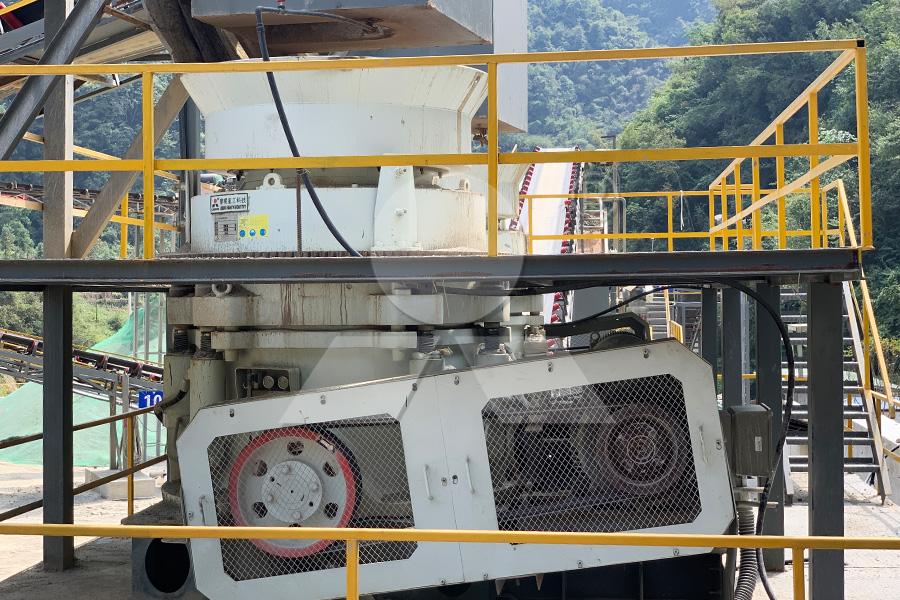
- Wear Life & Material Science: Critical wear surfaces, including scrubber drums, trommel screens, and slurry pump volutes, are fabricated from certified AR400 Mn-steel plate and proprietary high-chrome white iron alloys. These materials are selected for optimal balance between impact resistance and abrasion tolerance, directly reducing downtime for component replacement and lowering cost per ton.
- Structural & Process Integrity: Primary frames and support structures are constructed from heavy-duty S355JR structural steel, with all welding procedures adhering to AWS D1.1 standards. This ensures dimensional stability and resistance to fatigue, which is critical for maintaining precise screen angles and slurry flow dynamics across variable terrain.
- Certified Systems Integration: All electrical control panels, motors, and drive systems are CE/ISO certified, providing guaranteed performance metrics, operational safety, and global compliance. This standardization allows for predictable integration with existing site power and material handling infrastructure.
Operational Performance Data:
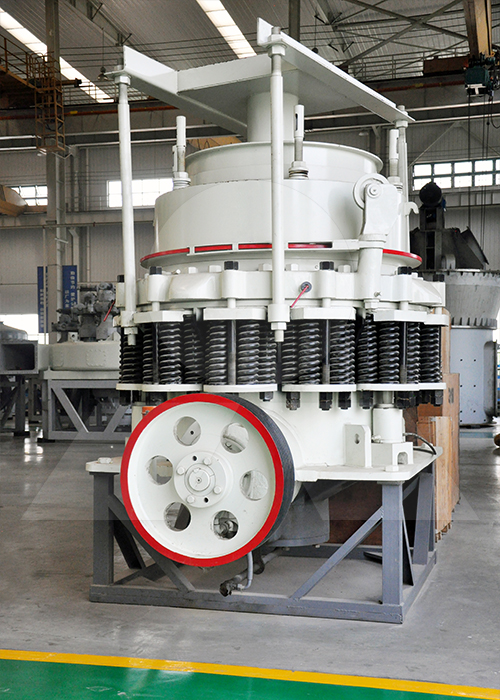
The following table summarizes typical plant configurations and their validated performance parameters in hard rock and heavily clay-bound alluvial operations.
| Model Class | Nominal Capacity (TPH) | Max Feed Size (mm) | Primary Scrubber Power (kW) | Key Material Specification |
|---|---|---|---|---|
| Heavy-Duty | 200 - 350 | 150 | 110 - 160 | Trommel: 12mm AR400; Pump: 27% Chrome Alloy |
| High-Capacity | 100 - 200 | 100 | 75 - 110 | Screen Sections: 10mm HARDOX 450 |
| Modular | 50 - 100 | 75 | 45 - 75 | Jig Beds & Sluices: 6mm AR400 Liner |
Mining-Specific Functional Advantages:
- Adaptive Feed Processing: Engineered to handle significant variance in clay content and ore abrasiveness without clogging or excessive wear. The scrubber and screen geometry are optimized for both disaggregation and efficient fines removal.
- High-Grade Recovery Efficiency: Concentrator stages (e.g., jigs, sluices) are tuned for specific gravity separation based on site-specific gold granulometry, maximizing recovery of both coarse and fine gold particles.
- Rapid Deployment & Relocation: Modular, skid-mounted design with standardized connectors minimizes commissioning time and facilitates relocation with minimal civil works, a critical factor for campaign-based or remote alluvial operations.
- Low Operational Complexity: Robust mechanical design and logical control systems reduce the skill threshold for effective operation and maintenance, ensuring consistent throughput and recovery with available site personnel.
These systems are deployed across tertiary gravels, saprolitic deposits, and ancient river channels, from the permafrost conditions of Siberia to the tropical climates of West Africa and the arid deserts of Australia. Their performance is validated by sustained throughput and predictable mechanical availability, forming the core of production-critical material scrubbing and concentration circuits.
Frequently Asked Questions
How do I optimize wear parts replacement cycles in high-abrasion gold wash plants?
Use high-manganese steel (e.g., Hadfield Grade 1) for critical liners and screens, which work-hardens under impact. Implement predictive maintenance via laser scanning of wear patterns. Schedule replacements based on processed tonnage of specific ore types, not just time, to minimize unplanned downtime and maximize part life.
What is the best approach for adapting a wash plant to ores of varying hardness (Mohs 3-7)?
Install a modular trommel/scrubber section with interchangeable screen panels and liner thicknesses. For harder ore (Mohs 6+), use a two-stage scrubber with a low-RPM primary drum for breakage, followed by high-pressure water jets. Adjust hydraulic drive pressures and motor amperage limits accordingly to handle increased torque demand.
How can I control excessive vibration in large, portable wash plant structures?
Conduct a dynamic analysis to identify resonant frequencies. Install tuned mass dampers on the main support deck and use isolation mounts (e.g., Lord Corporation or Vibro-Dynamics) for motors and vibrating screens. Ensure the plant is leveled on compacted ground; improper support is a primary cause of structural vibration and fatigue cracks.
What are the critical lubrication requirements for trommel bearings in a 24/7 operation?
Use high-temperature, water-resistant extreme-pressure (EP) grease (NLGI Grade 2) with molybdenum disulfide. Automate lubrication via centralized systems (e.g., Lincoln or Graco) with intervals set by bearing temperature monitors (not just hours). For slewing rings, specify sealed, pre-lubricated units from brands like SKF or Timken to prevent wash water ingress.
How do I optimize water and sluice performance for fine gold recovery in clay-rich ore?
Employ a high-velocity clay scrubber with internal breaker bars ahead of the wash plant. In sluices, use a multi-stage design: a primary riffle section (carpet or miner's moss) followed by a secondary concentrating unit (e.g., a centrifugal concentrator). Precisely control feed density and water pressure to maintain optimal slurry viscosity for separation.
What is the most effective method for managing hydraulic system overheating in remote locations?
Oversize the reservoir and install air-oil or water-oil heat exchangers. Use variable displacement piston pumps (e.g., Bosch Rexroth) to reduce cycling and heat generation. Monitor fluid temperature and cleanliness rigorously with onboard sensors. Specify synthetic high VI hydraulic fluid to maintain viscosity across extreme ambient temperature swings.