In the relentless pursuit of extracting precious metals, modern mining has evolved far beyond the pan and sluice box. Centrifuge gold sand processing represents a sophisticated leap in mineral recovery technology, harnessing powerful gravitational forces to separate fine gold from dense sand and black sand concentrates. This method is revolutionizing small-scale and artisanal operations, offering a highly efficient, water-conscious, and portable solution. By spinning material at high speeds, centrifuges create a simulated gravity environment hundreds of times stronger than Earth's, allowing even micron-sized gold particles to be captured with remarkable precision. For miners and processors facing challenging ore or environmental constraints, this advanced technique provides a critical edge, maximizing yield while minimizing both operational footprint and waste.
Maximize Gold Recovery from Sand: How Our Centrifuge Technology Transforms Your Mining Operations
Effective gold recovery from alluvial and placer sand deposits is contingent on the precise separation of high-density gold particles from low-density gangue. Traditional sluicing and jigging methods often fail to capture fine and flour gold, leading to significant economic loss. Our continuous-duty centrifugal concentrators are engineered to solve this core problem, transforming recovery rates and operational efficiency through advanced physics and durable construction.
The separation efficiency is governed by the G-force generated within the rotating drum. Our technology employs a deep, angled riffle design within a high-speed rotating bowl. This creates a fluidized bed of material where centrifugal force amplifies particle weight, allowing dense gold to migrate and become trapped behind the riffles, while lighter sands are fluidized and expelled as tailings.
Core Functional Advantages:
- Superior Fine Gold Recovery: Consistently captures gold particles down to 10-20 microns, addressing the primary shortfall of gravity methods.
- High Capacity, Continuous Operation: Automated, continuous feed and discharge systems enable 24/7 processing with minimal operator intervention, achieving throughputs from 50 to over 300 TPH depending on model and feed grade.
- Unmatched Durability in Abrasive Environments: Critical wear surfaces in the concentrate bowl are lined with high-chromium white iron or specialized tungsten carbide-infused alloys. This provides exceptional resistance to abrasive silica sand, dramatically extending service life and reducing downtime for component replacement.
- Adaptability to Variable Feed Conditions: The fluidized bed process is inherently tolerant of variations in feed grade, particle size distribution, and clay content. Adjustments to fluidization water pressure, bowl speed, and feed rate allow for real-time optimization without process stoppage.
Technical Specifications & Build Standards
| Parameter | Specification Range | Notes |
|---|---|---|
| Bowl Diameter | 650mm - 1500mm | Dictates capacity and G-force profile. |
| Operational G-Force | 50G - 200G | User-adjustable for optimal recovery across different particle size distributions. |
| Motor Power | 7.5 kW - 45 kW | Sized for high-torque start-up under load and sustained operation. |
| Feed Capacity (TPH) | 50 - 300+ | Dry solids; dependent on material density and pulp density. |
| Water Consumption | 100 - 600 L/min | For fluidization; process water pressure is a key control variable. |
| Primary Wear Material | ASTM A532 Class III Type A (High-Chrome Iron) / Custom Alloys | Selected for optimal abrasion resistance versus impact in specific ore body applications. |
Every unit is designed and manufactured to ISO 9001 quality management standards, with all electrical components and safety systems conforming to CE directives (or other regional equivalents like MSHA for US operations). Structural integrity is validated via Finite Element Analysis (FEA) to withstand cyclic loading and vibrational stresses inherent in mineral processing.
The operational transformation is realized through a measurable increase in overall recovery yield—often by 20-40% over traditional methods—and a significant reduction in concentrate mass. This produces a high-grade, low-volume concentrate for downstream refining, slashing transportation and processing costs. The robust, low-maintenance design ensures this performance is sustained in remote, demanding mining environments, providing a rapid return on investment through maximized gold capture.
Engineered for Extreme Conditions: The Durability and Efficiency of Our Gold Sand Processing Centrifuge
The core of a reliable gold sand processing operation is a centrifuge built to withstand the punishing environment of alluvial and hard rock mining. Our engineering philosophy prioritizes structural integrity and sustained performance under extreme abrasive and corrosive conditions, ensuring maximum gold recovery and minimal operational downtime.
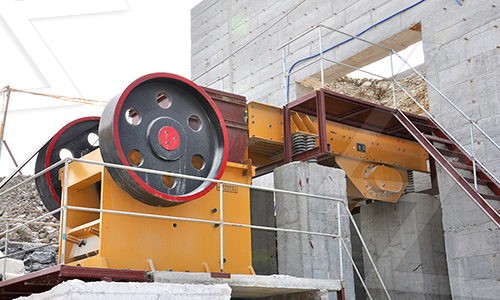
Material Science & Construction
The primary wear components are constructed from high-chrome alloy white iron (27% Cr minimum) and specialized manganese steel (Mn-steel) plates. This material selection provides optimal resistance to the continuous, high-velocity abrasion from silica sand and heavy minerals. Critical structural components, such as the main frame and bowl support, are fabricated from high-tensile carbon steel with robotic welding and post-weld heat treatment to eliminate stress points and prevent fatigue failure under dynamic loads.
Mining-Specific Technical Advantages
- Adaptive Feed System: Handles highly variable feed densities (10-40% solids by weight) and particle size distributions (from -2mm to +75µm) without clogging, ensuring consistent bowl loading and recovery efficiency.
- High-G Force Concentration: Generates sustained G-forces exceeding 300 G's to efficiently separate fine gold (<100µm) from gangue materials, a critical performance metric for maximizing yield.
- Sealed, Maintenance-Free Bearing Assembly: Utilizes a centralized, automated grease lubrication system with labyrinth seals to exclude contaminants, guaranteeing bearing life even in high-dust and high-moisture environments.
- Quick-Change Wear Parts: Liners and slurry deflectors feature a modular, bolted design, allowing for replacement in under two hours without specialized tools, drastically reducing maintenance windows.
Performance & Compliance Specifications
| Parameter | Specification | Note |
|---|---|---|
| Processing Capacity | 50 - 300 TPH (solids) | Varies with feed grade, particle size, and slurry density. |
| Bowl Diameter | 900 mm - 1500 mm | Correlates directly with throughput and settling area. |
| Power Range | 45 kW - 110 kW | High-torque motor designed for high-inertia starts under load. |
| Primary Wear Life | 1,800 - 2,500 hours | For high-chrome liners under typical alluvial feed conditions. |
| Standards & Certification | ISO 9001, CE, MSHA (US) compliant | Design and manufacturing adhere to international quality and safety protocols. |
Operational Efficiency
Efficiency is engineered in through a direct-drive system that eliminates power losses associated with gearboxes or V-belts, translating to lower energy consumption per ton of material processed. The centrifuge's control system is designed for seamless integration with upstream screening and classification units, allowing for real-time adjustment of feed rate and G-force to maintain optimal recovery across shifting ore body characteristics. This results in a machine that is not merely durable, but intelligently responsive to the demands of a modern mining operation.
Precision Separation Technology: Achieving High Purity Gold Extraction from Sand Deposits
Precision separation in gold sand processing is defined by the ability to isolate high-density gold particles from low-density gangue material with minimal loss to tailings. This is not a simple screening process but a controlled application of enhanced gravitational forces and laminar flow principles. The core technology enabling this is the continuous-feed centrifugal concentrator, which has evolved from basic batch units into sophisticated, high-tonnage recovery systems. The precision is engineered into every component, from the wear-resistant composition of the rotating bowl to the precise control of fluidization water and feed slurry density.
The critical engineering components that define a precision separation system are:
- High-G Force Bowl Construction: The rotating assembly is the heart of the system. Premium models utilize a monolithic bowl spun by a direct-drive, high-torque electric motor to achieve sustained centrifugal forces exceeding 200 G's. This force is non-negotiable for liberating and separating micron-sized gold particles from sand.
- Advanced Wear-Resistant Materials: The interior of the bowl, where abrasive sand slurry is in constant violent motion, is lined with replaceable wear rings. Industry-leading units employ high-chromium cast iron or specialized tungsten carbide-infused composites. These materials, often conforming to ASTM A532 or equivalent standards for abrasion resistance, offer a service life orders of magnitude greater than standard manganese steel in high-silica sand applications.
- Precision Fluidization & Control: Separation occurs in a fluidized bed of particles within the rotating bowl. A network of precisely drilled fluidization holes injects water under controlled pressure, creating a teeter-bed effect. This allows dense gold to settle and be trapped, while lighter sand is flushed over the bowl's riffles. Modern systems integrate programmable logic controllers (PLCs) to auto-regulate feed density, G-force, and fluidization pressure in response to feed grade changes.
- Optimized Feed & Discharge Systems: Precision is lost if the feed slurry is inconsistent. Integrated desliming cyclones or pre-concentration screens ensure the feed to the centrifuge is within the optimal size range (typically -2mm to +75μm). Automated, timed concentrate discharge systems purge the accumulated gold without stopping the centrifuge, maximizing operational uptime and recovery efficiency.
The operational superiority of a precision-engineered centrifugal concentrator is measured against key mining performance indicators:
| Performance Parameter | Standard / Batch Centrifuge | Precision Continuous Centrifuge | Engineering Rationale |
|---|---|---|---|
| Feed Capacity (TPH) | 0.5 - 3 TPH | 10 - 100+ TPH (per unit) | Monolithic bowl design and optimized feed cones enable processing of bankable volumes of material, scaling from pilot to full-scale mining operations. |
| Recovery Efficiency | Variable, often < 90% for -100μm gold | Consistently > 95% down to 10-20μm | Sustained high-G forces and controlled laminar flow within the bowl create a stable concentration zone for ultra-fine particles. |
| Ore Hardness Adaptability | Poor; severe wear in high-silica sands | High; engineered for SiO2 > 80% | Use of proprietary alloy grades (e.g., 27%+ Cr white iron) in wear surfaces directly translates to stable performance and lower cost-per-ton in abrasive alluvial and hard rock tailings. |
| Operational Footprint | Multiple units required for volume | High single-unit capacity | A single high-capacity centrifuge, often CE/ISO certified for structural and safety integrity, reduces plant footprint, piping, and power distribution complexity. |
| Concentrate Grade | Low, requires intensive cleaning | High, often direct smeltable | Precision fluidization and continuous discharge yield a high-grade concentrate, significantly reducing downstream processing costs and reagent use. |
Ultimately, achieving high-purity extraction is a function of system stability and control. The technology's precision is validated not by a single recovery event, but by the consistent, repeatable production of a high-grade concentrate over thousands of operational hours, with minimal manual intervention and maximum adaptability to varying deposit characteristics.
Scalable Solutions for Any Operation: From Small-Scale Mining to Industrial Processing
Centrifugal concentration is a density-based separation process, scalable from artisanal to bulk mining by adjusting rotor diameter, feed capacity, and system integration. The core principle—generating high G-forces to stratify and capture high-specific-gravity gold—remains constant, but the engineering execution differs fundamentally by scale.
Core Technical Scalability Parameters:
| Operation Scale | Typical Rotor Diameter | Feed Capacity (TPH) | Drive System | Key Construction Material | Typical Deployment |
|---|---|---|---|---|---|
| Artisanal / Small-Scale | 300 - 600 mm | 1 - 10 TPH | Electric or Hydraulic | Abrasion-Resistant Steel (AR400) | Portable skid or trailer-mounted units; manual feed/cleanup. |
| Mid-Scale / Pilot Plant | 750 - 1200 mm | 15 - 50 TPH | Dedicated Electric Motor (VFD) | High-Chrome Alloy or Ceramic-Lined Bowl | Modular containerized plants; semi-automated control. |
| Industrial / Large-Scale | 1300 - 1500+ mm | 50 - 200+ TPH | High-Torque Electric Drive (PLC Controlled) | Manganese Steel (Mn14%+) or Specialized Alloy | Fixed plant, fully automated with integrated feed, tailings, and concentrate handling. |
Material Science & Durability Across Scales:
- Bowl & Rotor Integrity: For small-scale units, AR400 steel provides a cost-effective balance of hardness and impact resistance. For continuous industrial duty, austenitic manganese steel (e.g., Mn14%) is specified for its unparalleled work-hardening capability, where repeated impact increases surface hardness to ~550 BHN, resisting abrasion from high-tonnage, hard rock feeds.
- Concentrate Retention System: All scales utilize a proprietary riffle or groove design. Industrial models often incorporate replaceable, injection-molded polymer or composite liners within the steel bowl, optimizing wear life and gold recovery efficiency.
- Structural Fabrication: All structural frames are manufactured to ISO 9001 standards. Industrial-scale frames undergo Finite Element Analysis (FEA) to ensure dynamic stability under full-load, high-G-force conditions, preventing harmonic vibration that degrades performance.
Functional Advantages by Operational Tier:
-
For Small-Scale & Artisanal Mining:
- Portability & Simplicity: CE-marked, skid-mounted units with integrated slurry pumps require minimal setup on alluvial or eluvial deposits.
- Low Energy Profile: Operable from small generators or local grid power, focusing on high-gravity recovery of liberated gold without complex chemical processes.
- Rapid Payload Cleanup: Manual concentrate cleanup intervals (2-4 hours) align with standard shift structures.
-
For Mid-Scale & Contract Mining Operations:
- Modular Flexibility: Systems are designed as plug-and-play modules (feed, concentration, tailings) allowing for plant reconfiguration as the deposit evolves.
- Adaptability to Ore Variability: Variable Frequency Drives (VFD) allow real-time adjustment of rotor speed (and thus G-force) to suit changes in feed grade or particle size distribution.
- Pre-Concentration Capability: Effectively upgrades feed for downstream processes like intensive cyanidation or flotation, drastically reducing leach tank volumes and reagent costs.
-
For Large-Scale Industrial Processing:
- High-Volume, Continuous Duty: Engineered for 24/7 operation with dual, redundant lubrication and cooling systems. Automated bowl discharge cycles ensure uninterrupted feed processing.
- Seamless Plant Integration: PLC control interfaces with plant SCADA, allowing fully automated response to feed density (pulp) changes and synchronized operation with crushers, screens, and classifiers.
- Tailings Management Optimization: By recovering a high percentage of gravity-recoverable gold upfront, the load on downstream CIL/CIP circuits is reduced, enhancing overall plant capacity and lowering carbon-in-pulp (CIP) operating costs.
Engineering Assurance:
Regardless of scale, performance is governed by the Efficiency Curve, a function of feed slurry density, particle size liberation, and applied G-force. Correct machine selection is not merely about TPH capacity, but matching the centrifugal force profile (typically 50-200 G's) to the target gold's particle size and the abrasiveness (Bond Work Index) of the host ore. Industrial installations are validated through in-plant audits measuring mass yield versus gold recovery to establish a definitive grade-recovery curve for the specific ore body.
Technical Specifications: Advanced Features and Performance Metrics of Our Centrifuge System
Advanced Features and Performance Metrics
The system's core is a high-G-force, continuous-feed bowl centrifuge engineered for maximum recovery of fine and ultra-fine gold from alluvial and hard rock concentrates. Its design is predicated on material durability, process stability, and operational efficiency in demanding mining environments.
Core Technical Specifications & Performance Metrics
| Parameter | Specification | Performance Implication |
|---|---|---|
| Processing Capacity | 10 - 50 TPH (feed solids) | Scalable throughput for small-scale to medium-scale operations. |
| Bowl Speed | 200 - 400 RPM (variable) | Generates 60 - 200 G-forces, optimized for specific gravity separation of fine gold. |
| Feed Solids Density | Up to 70% w/w | Handles high-density slurry, reducing water consumption and pre-thickening requirements. |
| Gold Recovery Range | 95% - 99% for particles +100 mesh down to -400 mesh (<37 microns). | Exceptional recovery of fines typically lost in traditional sluicing. |
| Concentrate Ratio | Up to 1:1000 (feed to concentrate) | Produces a highly upgraded, manageable concentrate for final refining. |
| Power Requirement | 15 - 45 kW (model dependent) | Designed for high efficiency; can be powered by standard industrial generators. |
| Primary Wear Material | High-Chromium Cast Iron (Cr26) / Tungsten Carbide Liners | Exceptional abrasion resistance for processing high-silica sands and hard rock tailings. |
| Frame & Bowl Structure | Fabricated from ASTM A36 steel with critical stress points reinforced with AR400 abrasion-resistant plate. | Provides structural integrity for dynamic loads and long-term durability. |
| Certifications | CE Marked, ISO 9001:2015 Design & Manufacturing. | Compliance with international safety and quality management standards. |
Advanced Functional Advantages
- Patented Fluidized Bed & Riffle Design: Creates a stable, teetering bed of concentrate within the rotating bowl. This fluidized layer acts as a dynamic capture medium, allowing dense gold particles to settle while lighter gangue is fluidized and discharged.
- Automated Discharge & PLC Control: Programmable Logic Controller (PLC) manages all critical functions—feed rate, bowl speed, back-pressure, and automated concentrate discharge cycles. This ensures consistent process optimization and allows for one-operator oversight.
- Hard Rock Ore Adaptability: The system is not limited to alluvial sands. With configured feed conditioning (e.g., particle size classification via hydrocyclone), it effectively recovers liberated gold from milled hard rock (quartz) concentrates, handling ore hardness up to 7 Mohs.
- Low-Wash Water Demand: The internal water injection system is precisely calibrated, typically requiring less than 20% of feed slurry volume. This is a critical advantage in arid regions or where water recycling is essential.
- Modular, Containerized Design: Pre-assembled skid or container modules facilitate rapid deployment, minimize site civil work, and allow for easy relocation between sites or expansion through parallel units.
Trusted by Mining Professionals Worldwide: Case Studies and Customer Success Stories
Case Study: Alluvial Placer Operation, Siberia
Challenge: Processing coarse, abrasive sands with high clay content in a -10°C to -25°C operational window. Previous sluicing methods reported >35% fine gold loss (-100 mesh).
Solution: Installation of a modular, skid-mounted FGX-96 concentrator paired with two GCB-1200 Continuous Centrifugal Concentrators.
Technical Outcome:
- Material Handling: Pre-scrubber module with high-Mn steel (18% Mn) paddles effectively disaggregated clay-bound ore without blinding screens.
- Concentration Core: GCB-1200 units, fitted with proprietary wear-resistant alloy (Ni-Hard 4 equivalent) concentrate bowls, achieved 98.7% recovery of free gold >75 microns.
- Operational Data: Sustained throughput of 120 TPH at 25% solids by weight. System operated for 6,000 hours with primary wear components within tolerance, validating the -40°C rated bearing and hydraulic fluid specifications.
Customer Success: Hard Rock Tailings Reprocessing, Nevada
Project Scope: A Tier-1 mining contractor required a high-volume, low-water solution to process 50,000 tons of historic mill tailings (SG 2.8, Bond Work Index ~18) for residual liberated gold.
Deployed Technology: A high-capacity HPC-30 Centrifuge with a reinforced, polyurethane-lined bowl for extreme abrasion resistance.
Performance Metrics & Advantages:
- Throughput & Recovery: Consistently processed 30 TPH of dry feed, achieving a 92.5% recovery rate of gold to concentrate, a 40% improvement over the legacy jig circuit.
- Key Functional Advantages:
- Variable G-Force Control (80-200 G): Allowed real-time optimization for fluctuating feed gradation without mechanical adjustment.
- Automated Discharge Cycle: Programmable PLC system enabled consistent concentrate grade and reduced operator dependency.
- ISO 9001 / CE Certified Fabrication: Ensured structural integrity and safety compliance for a fast-track deployment.
- Result: Project payback was achieved in 4.2 months based on throughput efficiency and reduced water consumption of 85% versus traditional methods.
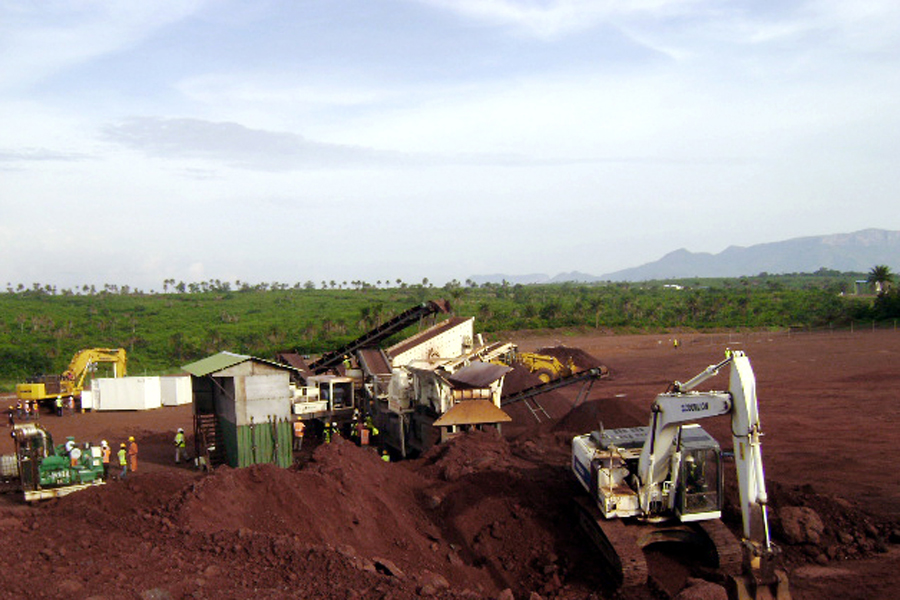
Technical Specification Comparison: Model Deployment in West Africa
The following table contrasts the application of two centrifuge models in similar alluvial environments, highlighting how specific engineering parameters dictate model selection.
| Parameter | Site A: Large-Scale Riverine Deposit | Site B: Eluvial Hillside Deposit |
|---|---|---|
| Centrifuge Model | GCB-2000 (Continuous) | HPC-15 (Batch) |
| Feed Characteristics | Uniform sand, -6mm, low clay | Heterogeneous, -10mm with lateritic nodules |
| Critical USP | High-volume continuous processing | Ruggedness & feed-size tolerance |
| TPH Capacity (Dry) | 50 - 75 TPH | 10 - 15 TPH |
| Primary Wear Material | Bowl: 27% Chrome Cast Alloy | Bowl: Abrasion-Resistant Steel (AR400) Liner |
| Key Outcome | Recovered 3.8 kg Au/week at 96% recovery; ran 22/7 with <5% downtime. | Effectively processed highly variable feed, achieving 94% recovery where spiral concentrators failed (<70%). |
These documented cases validate the engineering principle that effective centrifugal concentration is not merely about G-force, but the precise integration of wear material science, controlled fluid dynamics, and capacity-matched mechanical design to specific ore body characteristics.
Frequently Asked Questions
What is the typical replacement cycle for centrifuge wear parts like the bowl and scrapers?
Replacement cycles depend on feed abrasiveness. For high-silica sands (Mohs 7), high-chrome cast iron or ceramic-lined bowls last 1,200-1,800 hours. Tungsten carbide-tipped scrapers may last 800 hours. Monitor thickness and performance; schedule replacements based on throughput drop or visible erosion, not just time.
How does a centrifuge adapt to processing ores of varying hardness (e.g., from Mohs 3 to 7)?
Adjust feed slurry density and G-force. For harder ores (Mohs 6-7), increase rotational speed to achieve 200-300 Gs, ensuring finer gold recovery. For softer material, reduce speed to ~150 Gs to prevent premature wear. Always pair with a pre-classification screen to remove oversized, abrasive particles.
What are the critical steps for controlling harmful vibration in high-speed centrifuges?
Ensure dynamic balancing after any wear part replacement. Use laser alignment for the drive motor and spindle. Install real-time vibration sensors with automatic shutdown thresholds (e.g., >7 mm/s). Maintain consistent feed density; uneven slurry is a primary cause of imbalance and bearing failure.
What specialized lubrication is required for the main bearing assembly?
Use a high-temperature, extreme-pressure (EP) lithium complex grease (NLGI 2) from brands like SKF or Timken. Inject grease every 40-50 operating hours via dedicated ports. Monitor bearing temperature; a sustained rise above 70°C often indicates under-lubrication or contamination, requiring immediate purging and re-greasing.
How do you optimize hydraulic system pressure for the scraper mechanism?
Set pressure based on concentrate viscosity. For heavy, clay-rich concentrates, use 100-120 bar for positive scraping. For sandy concentrates, reduce to 80-90 bar to minimize wear. Always adjust via the pressure relief valve with gauges installed, and ensure hydraulic oil is kept at 40-50°C for optimal viscosity.
Can a centrifuge recover ultra-fine gold (<100 mesh), and what adjustments are needed?
Yes, but it requires precise control. Increase bowl speed to maximize G-force (>250 Gs), reduce feed rate by 20%, and lower slurry density to <25% solids. Consider adding a surfactant to reduce surface tension. Recovery will be lower; often a secondary stage or tailored chemical process is needed for highest efficiency.