Sand and gravel processing is a cornerstone of modern infrastructure, supplying the bulk materials that form the backbone of roads, bridges, residential and commercial construction worldwide. In 2023, the United States alone extracted roughly 1.2 billion metric tons of sand and gravel, accounting for over 80 percent of the nation’s total aggregate production (U.S. Geological Survey). The efficiency, quality, and environmental stewardship of processing operations directly influence construction costs, project timelines, and the sustainability of natural resources. Contemporary processing plants combine advanced crushing, screening, washing, and grading technologies with rigorous water‑recycling and dust‑control measures, enabling producers to meet stringent specifications while minimizing ecological footprints.
The extraction phase begins with surface mining, typically using excavators or draglines to remove overburden and expose the raw material. Once the deposit is accessed, the material is loaded onto haul trucks and transported to a processing facility. At the plant, the first critical step is size reduction. Primary crushers—often jaw or gyratory units—break the material into manageable pieces, followed by secondary and tertiary crushers (cone or impact) that achieve the target particle size distribution required for specific applications such as concrete aggregate, asphalt mix, or fill material.
Screening follows crushing to separate the product into distinct size fractions. Vibrating screen decks equipped with multiple layers of mesh allow simultaneous classification of sand, fine gravel, and coarse gravel. Modern plants employ automated control systems that adjust screen angles and vibration frequencies in real time, optimizing throughput and reducing the need for manual intervention. The resulting fractions are then directed to dedicated storage silos or stockpiles, where they await further processing or shipment. 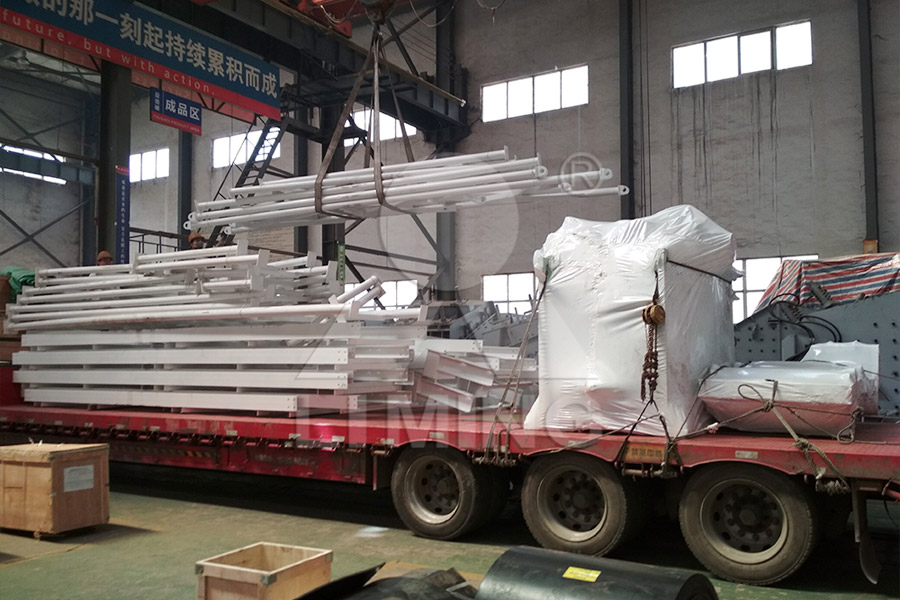
Washing is essential for producing high‑quality sand and fine aggregate. Mechanical scrubbers and hydro‑cyclones remove silt, clay, and organic matter that can impair concrete strength and durability. Water consumption in washing operations has historically been a concern; however, many facilities now incorporate closed‑loop water‑recycling systems. According to a 2022 report by the National Stone, Sand & Gravel Association, plants that employ water reclamation can reduce fresh‑water usage by up to 70 percent, reusing sediment‑laden water after sedimentation and filtration.
Quality control is embedded throughout the processing chain. Laboratory testing of aggregate samples—measuring parameters such as gradation, specific gravity, Los Angeles abrasion, and sulfate content—ensures compliance with standards set by organizations like ASTM International and the American Association of State Highway and Transportation Officials (AASHTO). Real‑time monitoring devices, such as laser particle‑size analyzers, provide immediate feedback, allowing operators to adjust crusher settings or screen configurations without halting production.
Environmental management has become a defining feature of modern sand and gravel processing. Dust suppression techniques, including water misting, foam generators, and enclosed conveyor systems, limit particulate emissions that can affect nearby communities and worker health. The U.S. Environmental Protection Agency’s National Ambient Air Quality Standards (NAAQS) for particulate matter (PM10 and PM2.5) drive the adoption of these controls. Moreover, reclamation plans are required in most jurisdictions; after mining, the land is reshaped, topsoil is replaced, and native vegetation is re‑established to restore ecological function.
Sustainability pressures are also reshaping the market. The construction sector’s growing demand for “green” aggregates has spurred the integration of recycled materials into processing streams. Crushed concrete, reclaimed asphalt pavement (RAP), and industrial by‑products such as slag can be blended with virgin sand and gravel, reducing the need for new extraction. A 2021 life‑cycle assessment published in Construction and Building Materials found that incorporating 30 percent recycled aggregate into concrete mixes can lower carbon emissions by up to 15 percent without compromising structural performance.
Technological innovation continues to enhance efficiency. Mobile processing units, mounted on trailers or trucks, bring crushing, screening, and washing capabilities directly to remote or temporary sites. These units reduce haul distances, lower fuel consumption, and enable rapid response to project‑specific material needs. Additionally, digital twins—virtual replicas of processing plants—allow engineers to simulate equipment configurations, predict bottlenecks, and test process improvements before physical implementation.
Economic considerations remain paramount. The cost of aggregate production is heavily influenced by energy consumption, labor, and compliance expenses. Energy‑intensive crushers have seen incremental efficiency gains through variable‑frequency drives and optimized feed rates, cutting electricity use by 5–10 percent on average. Labor productivity is bolstered by automation; robotic loaders and automated guided vehicles (AGVs) reduce manual handling, enhance safety, and maintain consistent material flow. Compliance costs, while unavoidable, are increasingly offset by the long‑term savings associated with water recycling, dust control, and land reclamation, which mitigate potential fines and community opposition.
Looking ahead, the sand and gravel industry faces both challenges and opportunities. Global demand is projected to rise by roughly 4 percent annually through 2030, driven by rapid urbanization in emerging economies and the ongoing renewal of aging infrastructure in developed nations (World Bank, 2023). Simultaneously, heightened scrutiny over environmental impacts—particularly the depletion of riverine sand and the associated ecosystem disruptions—has prompted stricter permitting regimes and the exploration of alternative sources such as manufactured sand (M‑sand) produced from crushed rock. 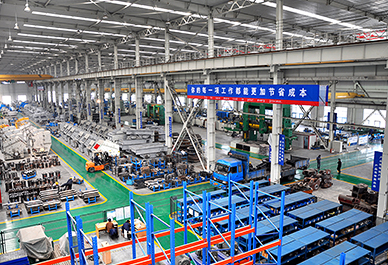
In response, producers are investing in research and development to improve the performance of manufactured sand, ensuring it meets the same durability and workability criteria as natural sand. Pilot projects in the United Kingdom and Australia have demonstrated that M‑sand can achieve comparable compressive strength in concrete when properly graded and washed.
In summary, sand and gravel processing is a highly integrated operation that balances technical precision, environmental responsibility, and economic viability. By leveraging advanced crushing and screening equipment, implementing water‑recycling and dust‑control systems, and embracing recycled aggregates, the industry can sustain the material supply essential for global development while mitigating its ecological footprint. Continuous innovation—through mobile plants, digital twins, and alternative aggregate sources—will be critical to meeting rising demand and adhering to evolving regulatory standards, ensuring that sand and gravel remain reliable foundations for the built environment.