Books on Vibrating Screens: Essential Resources for Engineers and Technicians
Vibrating screens are critical components in various industrial processes, especially in mining, aggregate processing, and bulk material handling. Their primary function is to separate particles by size, ensuring efficient material classification. A solid understanding of vibrating screen design, operation, and maintenance is essential for maximizing performance and minimizing downtime. Several authoritative books provide in-depth knowledge on the subject, drawing from engineering principles, industry practices, and real-world applications.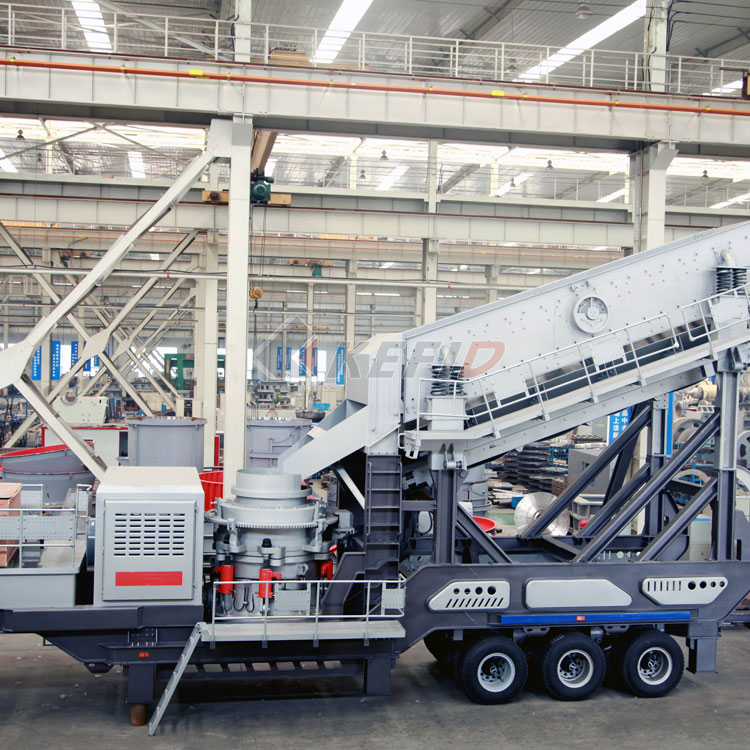
One of the most respected references is “Screening in Mineral Processing: Theory and Practice” by B. A. Wills. Originally developed as part of the Wills’ Mineral Processing Technology series, this book offers comprehensive coverage of screening principles, equipment types, and operational variables. Wills details the mechanics of particle stratification and passage through screen apertures, factors affecting screening efficiency, and methods for optimizing screen performance. The text is widely used in academic and industrial settings and is based on extensive research and industry data..jpg)
Another key resource is “Mineral Processing Technology: An Introduction to the Practical Aspects of Ore Treatment and Mineral Recovery”, also by B. A. Wills and J. Finch. This book includes a dedicated chapter on screening, explaining the design and function of vibrating screens within the broader context of mineral processing circuits. It discusses screen motion types—such as linear, circular, and elliptical—and their suitability for different materials and feed conditions. The authors reference industry standards and case studies, making the content both practical and technically sound.
For those seeking a more mechanical and design-focused perspective, “Mechanical Design of Process Equipment” by D. S. Miller and R. J. Manahan provides valuable insights. While not solely dedicated to vibrating screens, this book includes engineering principles relevant to their structural integrity, vibration analysis, and fatigue resistance. It draws upon ASME and ISO standards for equipment design, offering calculations for stress, deflection, and dynamic loading—critical considerations in screen frame and spring support systems.
Practical guidance on operation and troubleshooting can be found in “Industrial Screens and Screening Practice” by T. Allen. Although less commonly cited in academic circles, this work is valued by plant engineers for its hands-on approach. Allen discusses screen media selection—woven wire, polyurethane, and modular panels—based on abrasion resistance, open area, and wear life. He also addresses common issues such as blinding, pegging, and reduced throughput, offering mitigation strategies backed by field experience.
Additionally, technical manuals from leading screen manufacturers, such as those from Metso, Sandvik, and Weir Minerals, serve as important supplementary resources. These documents, while not traditional books, are rigorously tested and reflect real-world performance data. They include specifications, maintenance schedules, and failure analysis reports, often aligned with ISO 10816 standards for vibration severity in machinery.
Academic journals such as Minerals Engineering and Powder Technology also publish peer-reviewed studies on vibrating screen dynamics, screening efficiency models, and new screening technologies. These sources often reference findings that later appear in textbooks, ensuring that the information is up-to-date and scientifically validated.
In conclusion, books on vibrating screens offer engineers and technicians a foundation in both theoretical and applied knowledge. From Wills’ comprehensive treatment of screening in mineral processing to practical handbooks on screen media and mechanical design, these resources are grounded in engineering principles and industry experience. For professionals seeking reliable, evidence-based information, these texts remain indispensable.