Green Mining in Indonesia: Balancing Economic Growth and Environmental Stewardship
Indonesia, one of the world’s largest producers of nickel and other critical minerals, is increasingly focusing on green mining initiatives to align its extractive industries with global sustainability goals. With rising global demand for minerals essential to electric vehicle (EV) batteries and renewable energy technologies, Indonesia is positioning itself as a key player in the clean energy transition—while facing mounting pressure to minimize the environmental and social impacts of mining activities.
Nickel, a core component in lithium-ion batteries, accounts for a significant portion of Indonesia’s mining output. According to the U.S. Geological Survey (USGS), Indonesia ranked as the world’s top nickel producer in 2023, responsible for over 50% of global supply. Much of this production comes from the islands of Sulawesi and Halmahera, where large-scale nickel laterite deposits are exploited through open-pit mining and processed using high-pressure acid leaching (HPAL) or rotary kiln-electric furnace (RKEF) methods.
However, traditional nickel processing has raised environmental concerns, particularly due to deforestation, soil erosion, water contamination, and greenhouse gas emissions. In response, the Indonesian government and private sector have begun adopting green mining principles aimed at reducing ecological footprints and promoting responsible resource development.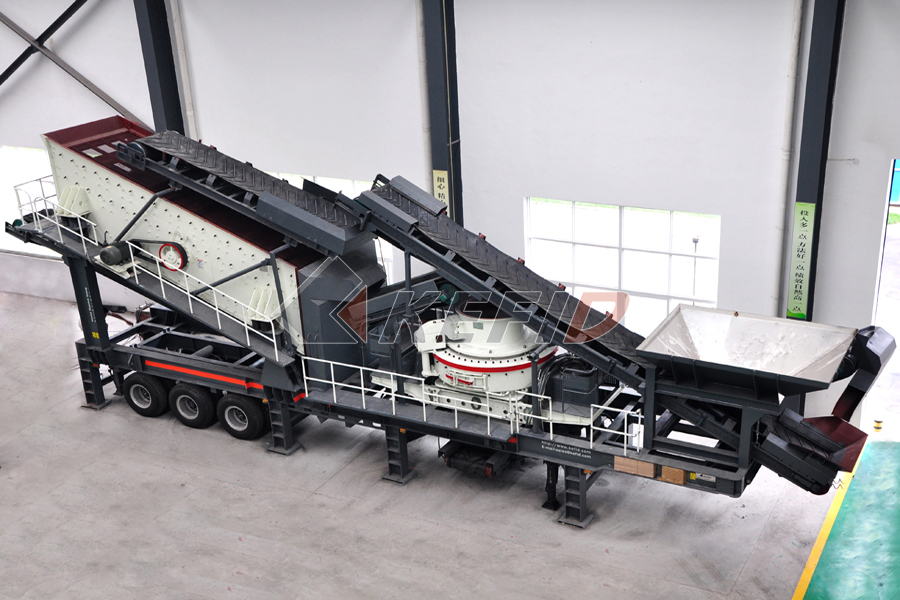
One notable development is the implementation of stricter environmental regulations. In 2020, Indonesia banned the export of unprocessed nickel ore to encourage domestic value-added processing, a policy intended to drive investment in cleaner, more sustainable refining technologies. This ban, enforced under Government Regulation No. 1/2021 on Mineral and Coal Mining Business Activities, has led to a surge in the construction of smelters within the country. As of 2023, Indonesia has over 40 operational or under-construction nickel smelters, according to data from the Ministry of Energy and Mineral Resources (ESDM).
Among these, several projects emphasize low-carbon processing. For example, the HPAL facilities being developed in North Maluku, such as those operated by PT Vale Indonesia and its partners, incorporate closed-loop water systems and aim to reduce sulfur dioxide emissions through advanced gas capture technology. Although HPAL processes are energy-intensive and pose risks of acid leakage, improvements in chemical recovery and tailings management are gradually being implemented to meet international environmental standards..jpg)
In addition, renewable energy is being increasingly integrated into mining operations. The Indonesian government has encouraged the use of hydropower, solar, and geothermal sources to power mining and processing facilities. For instance, the Morowali Industrial Park in Central Sulawesi has begun incorporating solar microgrids to supplement energy needs, reducing reliance on diesel generators. According to a 2022 report by the Institute for Essential Services Reform (IESR), a Jakarta-based energy think tank, increasing renewable energy use in industrial zones could reduce carbon emissions from mining by up to 30% by 2030.
Rehabilitation and reforestation are also central to green mining efforts. Mining companies are required under Indonesian law to set aside funds for post-mining land rehabilitation. PT Aneka Tambang (Antam), a state-owned mining enterprise, reports having rehabilitated over 4,000 hectares of mined land between 2015 and 2022, primarily through native species reforestation and community-based land-use programs.
Despite these advancements, challenges remain. Environmental watchdogs, including WALHI (the Indonesian Forum for Environment), have documented cases of illegal mining, inadequate environmental impact assessments (AMDAL), and community displacement linked to nickel projects. A 2023 investigation by Amnesty International highlighted concerns about water pollution affecting local fisheries and agricultural land near mining zones in Sulawesi.
To address these issues, third-party certifications and monitoring are gaining traction. The Initiative for Responsible Mining Assurance (IRMA), for example, has begun engaging with Indonesian mining firms to adopt standardized sustainability benchmarks. Additionally, international buyers such as Hyundai and Toyota are requiring suppliers in Indonesia to comply with responsible sourcing frameworks like the OECD Due Diligence Guidance.
Looking ahead, Indonesia’s green mining trajectory will depend on consistent enforcement of regulations, transparent monitoring, and inclusive stakeholder engagement. The country’s National Long-Term Development Plan (RPJPN) 2025–2045 includes sustainability targets for the mining sector, such as achieving carbon neutrality in key mineral processing hubs by 2040.
In conclusion, green mining in Indonesia represents both an opportunity and a challenge. By leveraging technological innovation, regulatory reform, and international collaboration, Indonesia can transform its mining sector into a model of sustainable development—supporting global clean energy goals without compromising its rich biodiversity and local communities.
—
Sources: U.S. Geological Survey (USGS) Mineral Commodity Summaries 2023; Ministry of Energy and Mineral Resources of Indonesia (ESDM); Institute for Essential Services Reform (IESR); Amnesty International Report "Nickel’s Dirty Secret" (2023); Government Regulation No. 1/2021; PT Antam Sustainability Reports; Initiative for Responsible Mining Assurance (IRMA).