Limestone Mining and Its Use in Machinery
Limestone, a sedimentary rock composed primarily of calcium carbonate (CaCO₃), plays a significant role in various industrial applications, including construction, agriculture, and chemical manufacturing. While limestone itself is not typically used as a direct component in machinery, its derivatives and byproducts are integral to the production, operation, and maintenance of industrial equipment.
One of the primary ways limestone contributes to machinery is through its use in the production of steel. In integrated steel mills, limestone functions as a flux during the iron-making process in blast furnaces. It is added to remove impurities such as silica, phosphorus, and alumina from molten iron by forming slag. This purification process ensures the production of high-quality steel—an essential material for manufacturing durable machinery components such as gears, shafts, and structural frames. According to the U.S. Geological Survey (USGS), metallurgical-grade limestone is a critical raw material in steelmaking, with global demand closely tied to industrial output..jpg)
In addition to steel production, ground limestone is used as a filler material in polymers and rubber compounds used in machinery parts. For example, calcium carbonate fillers improve stiffness and dimensional stability in plastic components such as housings, gears, and conveyor parts. These fillers can reduce material costs while maintaining acceptable mechanical performance. Studies published by the Mineral Products Association (MPA) indicate that finely ground calcium carbonate enhances wear resistance and reduces friction in certain polymer-based machine elements.
Another indirect application lies in environmental control systems within industrial machinery operations. Limestone is widely used in flue gas desulfurization (FGD) systems installed in power plants that supply energy to manufacturing facilities. In wet scrubbing systems, limestone slurry reacts with sulfur dioxide (SO₂) emissions from combustion processes to produce gypsum. By reducing air pollution from energy-generating equipment, limestone helps ensure compliance with environmental regulations—critical for continuous operation of large-scale industrial machinery.
Moreover, limestone-derived products such as quicklime (CaO) and hydrated lime (Ca(OH)₂) are employed in wastewater treatment systems associated with heavy machinery maintenance. These chemicals neutralize acidic wash-down waters and precipitate heavy metals from runoff generated during equipment cleaning processes. The American Foundry Society notes that lime-based treatments are standard practice in foundries where metal casting machines operate continuously.
It should be clarified that limestone is not used structurally within most mechanical systems due to its relatively low hardness and susceptibility to acid erosion. However, its role as a processing agent and raw material precursor makes it indispensable across sectors that design, build, or maintain industrial equipment.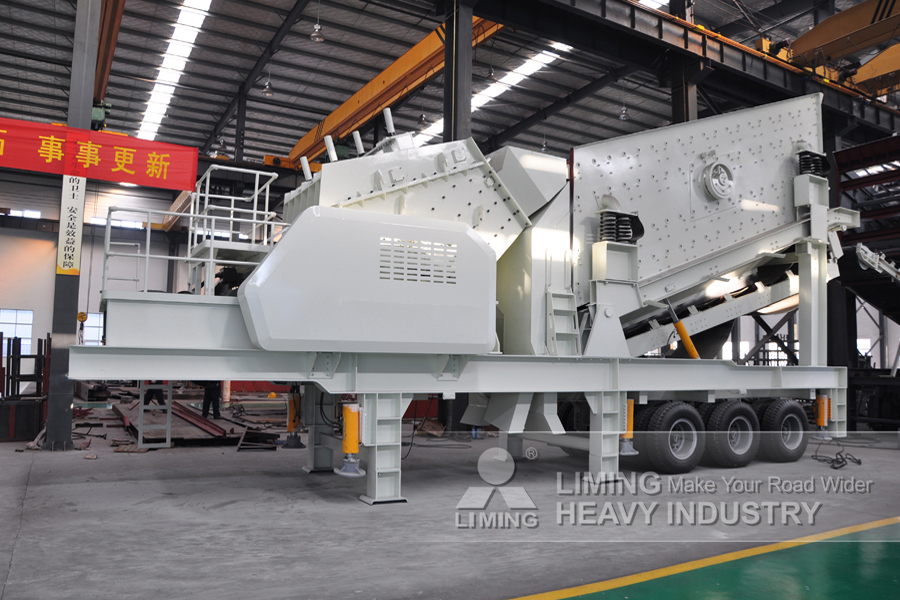
In summary, while limestone does not serve as an engineering material within machinery itself under normal conditions, it supports machinery production through steelmaking fluxes, polymer additives, pollution control systems, and maintenance-related environmental management. Reliable data from geological surveys and industry associations confirm these applications are well-established within modern industrial practice.
Sources:
- U.S. Geological Survey (USGS) Minerals Yearbook – Lime (2022)
- Mineral Products Association (MPA), UK – "Uses of Calcium Carbonate"
- American Foundry Society – Environmental Best Practices Guide
- World Steel Association – Steel Production Process Overview