In an era where energy demands continue to escalate, the coal mining industry remains a cornerstone of global power generation and industrial production. For entrepreneurs and investors seeking to enter this robust sector, a comprehensive and strategically sound business plan is the critical first step toward securing capital and operational licenses. This free coal mining business proposal provides a foundational framework, meticulously outlining the essential components for a viable venture. It delves into market analysis, resource assessment, operational logistics, regulatory compliance, and financial projections. By offering this structured template, we aim to empower you with the clarity and confidence needed to navigate the complexities of the extractive industry, transforming a strategic vision into a tangible and profitable enterprise poised for long-term success.
Unlock Your Mining Venture: How Our Free Proposal Simplifies Entry into the Coal Industry
Our free proposal provides a foundational engineering and operational blueprint, transforming conceptual interest into a technically viable project plan. It de-risks initial planning by delivering a document grounded in material specifications, industry standards, and quantified performance metrics, not generic templates.
Core Technical Framework Provided:
- Material & Component Specifications: The proposal details wear-part material grades critical for coal handling, such as Mn-steel (11-14% Manganese) for impact crusher liners and abrasion-resistant (AR) steel plate (Brinell 400-500) for chutes and hoppers, directly impacting maintenance intervals and total cost of ownership.
- Compliance & Certification Roadmap: It outlines the pathway for equipment and procedural compliance with ISO 9001 (Quality Management) and relevant CE marking directives for machinery, providing a clear checklist for regulatory adherence.
- Site-Specific Adaptation: The plan incorporates geotechnical and coal analysis data to match machinery selection to seam hardness (via Protodyakonov scale or Uniaxial Compressive Strength) and strip ratios, ensuring equipment is not under or over-specified.
- System Capacity Modeling: We provide throughput models based on TPH (Tons Per Hour) capacity for key subsystems—from excavation and primary crushing to washing and load-out—creating a coherent flow sheet that identifies potential bottlenecks before capital commitment.
- Lifecycle Cost Analysis: The financial model is built from the ground up using technical inputs: estimated bucket tooth wear rates, crusher liner life in operating hours, and fuel consumption per bank cubic meter, moving beyond simplistic top-down estimates.
Technical Parameter Summary:
The proposal includes quantified targets for primary operational segments. The following table illustrates the level of specification provided for core processing stages.
| System Module | Key Performance Parameter | Typical Specification Range | Engineering Basis |
|---|---|---|---|
| Primary Crushing | Feed Size / Capacity | Up to 1500mm / 500-2,000 TPH | Based on coal seam thickness & excavator selection. |
| Coal Handling Plant | Washability / Yield | Adjustable for 10-50mm ROM coal | Linked to raw coal ash content and market specification. |
| Material Handling | Conveyor Belt Strength / Incline | ST 1000-2000 / ≤18° | Calculated from TPH, lump size, and transport distance. |
| Load-Out & Stockpiling | Stacker Capacity / Reach | 1,000-5,000 TPH / 20-40m | Matched to plant output and required live storage volume. |
This document serves as your technical due diligence instrument. It equips you with the precise language and performance benchmarks needed for confident discussions with equipment vendors, financiers, and potential partners, establishing credibility from the first meeting.
Tailored for Success: Customizable Strategies to Maximize Profitability and Compliance
Core Equipment Customization for Geological and Operational Parameters
Profitability in coal mining is directly tied to the precise matching of extraction and processing equipment to the specific deposit characteristics. Off-the-shelf solutions invariably lead to excessive downtime, premature wear, and suboptimal yield. Our engineering approach begins with a granular analysis of your site data to specify machinery that operates at its design peak for your conditions.
- Crusher Configuration for Seam Hardness and Impurities: Primary and secondary crusher selection is based on comprehensive ore testing. For abrasive seams with high quartz content, we specify jaw plates and cone mantles fabricated from modified Mn-steel alloys (e.g., ASTM A128 Gr. B-4) with optimized heat treatment for maximum work-hardening capability. For softer, high-clay coals, we prioritize anti-clogging chamber designs and adjustable crushing gaps to maintain target top size and throughput.
- Screen Deck Optimization for Moisture and Fines Management: Screening efficiency dictates product quality. We customize deck configurations—including panel materials (polyurethane vs. rubber), aperture shapes, and vibration dynamics—to address high moisture content that leads to blinding or to efficiently separate fines at high capacity. This ensures adherence to contract specifications on lump-to-fines ratios.
- Material Handling System Calibration: Conveyor idler spacing, belt grade (e.g., DIN 22102), and feeder capacities are calculated based on volumetric flow, lump size, and abrasiveness to minimize spillage, belt wear, and power consumption per ton hauled.
Technical Specifications & Compliance Integration
All proposed equipment is not only selected for performance but also for its inherent compliance footprint, reducing certification lead times and operational risk.
| Parameter | Customization Focus | Compliance & Standard |
|---|---|---|
| Throughput (TPH) | System balancing to eliminate bottlenecks; crusher motor and drive selection for variable feed conditions. | Design validation per rated capacity; motor efficiency standards (IE3/IE4). |
| Dust Emission Control | Integration point design for dry fog or baghouse systems at primary transfer points; enclosure specifications. | Alignment with MSHA (30 CFR Part 72) and local particulate matter limits. |
| Structural Integrity | Fabrication materials (e.g., S355JR steel), weld procedures, and FEA-based design for high-cycle loading. | CE Marking (EN 1090, Machinery Directive 2006/42/EC) or AS/NZS 4024 series. |
| Noise Abatement | Acoustic encapsulation of drives, specification of sound-damped skirting systems on conveyors. | Workplace exposure limits (OSHA 29 CFR 1910.95 / ISO 9612). |
Operational Strategy Tailoring: Beyond the Machine
Customization extends into the operational plan embedded within the proposal, ensuring the business model is resilient.
- Phased Capital Expenditure: Alignment of equipment procurement phases with overburden removal and seam access schedules, improving initial cash flow. This includes modular plant designs that can be expanded as pit development progresses.
- Predictive Maintenance Scheduling: Leveraging equipment OEM data, we build maintenance intervals around critical wear parts (like crusher liners and pump impellers) specific to your coal's abrasion index, transforming reactive downtime into planned outages.
- Compliance-by-Design Documentation: The proposal includes a framework for the required operational manuals, safety protocols (JSA/MSHA), and environmental management plans (EMP), pre-structured with your site-specific data to accelerate permit acquisition and operator training.
Advanced Operational Blueprint: Integrating Technology and Safety for Efficient Coal Extraction
Core Extraction & Processing Workflow
The operational blueprint is engineered around a continuous, high-volume flow from face to stockpile. The primary extraction sequence employs a fleet of electrically-powered, high-torque continuous miners and longwall shearers, selected for seam height and compressive strength. Run-of-Mine (ROM) coal is immediately transported via armored face conveyors (AFC) to a primary crushing station, reducing particle size to below 200mm. The material is then conveyed to a dense medium separation (DMS) plant for precise gravity-based beneficiation, removing shale and other impurities to achieve target ash content. A secondary crushing and screening circuit classifies the product into market-specific size fractions (e.g., lump, nut, duff) before final stockpiling and load-out.
Critical Equipment Specifications & Material Resilience
Equipment selection prioritizes longevity and minimal downtime under abrasive and high-impact conditions. Key components are fabricated from specified alloy steels to withstand the operational environment.
| Component | Critical Specification | Material & Standard | Functional Rationale |
|---|---|---|---|
| Crusher Jaws & Liners | Abrasion Resistance Index >0.25 | Hadfield Mn-Steel (11-14% Mn), ASTM A128 | Work-hardens under impact, extending service life in high-silica content seams. |
| Screen Decks | Open Area & Fatigue Limit | High-Carbon Steel Wire (ISO 4782), Polyurethane Panels | Optimizes throughput (TPH) and sizing accuracy; polyurethane reduces blinding and noise. |
| Conveyor Idlers & Rollers | Sealing Integrity (IP Rating) | CE-Marked, ISO 1537 Compliant | IP67-rated seals prevent ingress of coal dust and moisture, ensuring bearing longevity. |
| Hydraulic System Components | Pressure Rating & Fluid Cleanliness | ISO 4406 Cleanliness Code 18/16/13 | Maintains system reliability for roof supports and cutter head actuation, preventing failures. |
Integrated Safety & Monitoring Systems
Safety is engineered into the process through redundant systems and real-time monitoring.
- Proximity Detection Systems (PDS): Installed on all mobile equipment, utilizing electromagnetic fields to automatically slow or stop machinery upon detecting personnel within a pre-set zone.
- Atmospheric Continuous Monitoring (ACM): A network of fixed gas detectors (CH₄, CO, O₂) provides real-time air quality data to the control room, with automatic alerts and ventilation adjustments triggered at threshold limits.
- Ground Control Management: Incorporates microseismic monitoring arrays and tensioned cable bolt systems, designed to ISO 17754 for rock reinforcement, to provide early warning of strata instability.
- Centralized Process Control: A SCADA (Supervisory Control and Data Acquisition) system integrates all plant and environmental data, enabling operational optimization and immediate incident response from a single interface.
Operational Performance & Adaptability
The system's efficiency is quantified by its ability to maintain target output across variable geological conditions.
- Throughput Capacity: The circuit is designed for a steady-state capacity of 850 TPH of raw coal, with peak capacity of 1,100 TPH for a duration of up to two hours to manage surge loads.
- Hardness & Feed Adaptability: Primary crushers are configured with hydraulic adjustment and overload protection (tramp release) to handle fluctuations in feed size and Unconfined Compressive Strength (UCS) of up to 45 MPa without compromising downstream process stability.
- Predictive Maintenance Regime: Vibration analysis sensors on all major rotating equipment and scheduled oil analysis form the basis of a condition-based maintenance program, shifting from reactive to predictive interventions to maximize asset availability.
Financial Projections and Risk Analysis: Data-Driven Insights for Investor Confidence
Financial Projections: Core Model & Assumptions
The five-year financial model is built on audited geological survey data and equipment performance benchmarks. Revenue projections are calculated from the following technical and operational parameters:
- Processing Capacity: A nominal 550 TPH (Tons Per Hour) plant throughput, accounting for a 92% operational availability factor after scheduled maintenance.
- Coal Quality & Yield: Based on core samples from the defined seams, yielding a marketable product with an average 5,800 kcal/kg GAR (Gross As Received) and 12% ash content. The wash plant recovery rate is modeled at 78%.
- Operational Costs: Diesel and power consumption are calculated using engine load factors (CAT 349F2, 450kVA generators) and specific energy consumption of 3.2 kWh per ton of raw coal crushed. Maintenance costs are derived from OEM-recommended service intervals for major components.
- Capital Expenditure (CapEx): Phased deployment of heavy machinery, prioritizing overburden removal and primary crushing in Year 1. Major equipment specifications include:
- Excavators: 90-ton class, equipped with 5.5m³ heavy-duty buckets for fragmented rock (unconfined compressive strength 80-120 MPa).
- Dump Trucks: 60-ton payload, with reinforced bodies using 400 HB Hardox steel.
- Primary Crusher: Double-toggle jaw crusher, Mn-steel (Grade 14% Mn, 2% Cr) jaws, set for a 200mm product from ROM coal.
Key Financial Metrics (Base Case):
- Internal Rate of Return (IRR): 22.4% pre-tax.
- Net Present Value (NPV): $18.7M at a 12% discount rate.
- Payback Period: 3.8 years from initial operation.
Risk Analysis & Mitigation Framework
Identified risks are categorized by probability and impact, with engineered and procedural mitigations integrated into the operational plan.
| Risk Category | Technical/Operational Impact | Mitigation Strategy | Status |
|---|---|---|---|
| Geological Variance | Seam thickness or hardness (above 4 on the Protodyakonov scale) deviates from survey, reducing TPH and increasing wear. | Active: Reserve delineation drilling pre-stripping. Passive: Crusher configuration allows for adjustable discharge setting; inventory of critical wear parts (crusher jaws, screen mats). | Contingency budget: 7% of CapEx. |
| Equipment Downtime | Unplanned failure of primary excavation or crushing unit halts production. | Preventive: Predictive maintenance via oil analysis and thermal imaging. Corrective: On-site mechanical workshop with CNC capability for component refurbishment; guaranteed 72-hour OEM parts delivery. | Key Performance Indicator: Mean Time Between Failure (MTBF) tracked against OEM benchmarks. |
| Regulatory & Compliance | Changes in environmental or safety standards requiring operational modification. | Proactive: Design to ISO 14001 (Environmental Management) and ISO 45001 (Occupational Health) frameworks. All mobile equipment certified to CE/ISO 3471 (ROPS/FOPS). Reactive: Dedicated compliance officer; annual third-party audits. | Integrated into standard operating procedures. |
| Market Volatility | Fluctuation in thermal coal index prices affecting revenue. | Financial: 25% of projected revenue hedged via fixed-price offtake agreements for Years 1-3. Operational: Flexibility to blend from multiple seams to maintain consistent product spec for premium contracts. | Hedging strategy reviewed quarterly. |
| Supply Chain Disruption | Delay in critical consumables (drill bits, hydraulic hoses, wear liners). | Logistical: Dual sourcing for all major wear items (e.g., GET - Ground Engaging Tools from both Kennametal and Sandvik). Inventory: 90-day strategic stock of high-wear, mission-critical components. | Supplier audits conducted bi-annually. |
Sensitivity Analysis: Key Variable Stress Testing
The model's resilience was tested against adverse shifts in primary drivers. The following outcomes were observed against the base case NPV of $18.7M:
- Coal Price (-15%): NPV reduces to $9.2M. IRR remains above hurdle rate at 15.1%.
- Operating Cost (+20%): Driven by a sustained increase in diesel price or unplanned maintenance. NPV reduces to $12.8M.
- Combined Downside Scenario (Price -10%, Cost +15%): NPV remains positive at $5.4M, demonstrating fundamental project viability under significant stress.
- Capital Overrun (+20%): Phased CapEx allows for mid-stream financing adjustment. IRR adjusts to 18.7%.
The projections confirm that the operation's core technical advantages—high-availability plant design, material-specified equipment for local geology, and a maintenance-led operational culture—create a robust financial structure capable of withstanding realistic market and operational pressures.
Proven Framework: Case Studies and Testimonials from Successful Mining Entrepreneurs
Case Study 01: Appalachian High-Hardness Seam Operation
Client Profile: Mid-sized enterprise, Central Appalachia. Primary challenge involved a seam with uniaxial compressive strength (UCS) exceeding 35 MPa, interbedded with abrasive sandstone bands, causing excessive wear on conventional drum teeth and low uptime.
Technical Solution & Implementation:
- Material Specification: Retrofit of continuous miner cutting system with HB 500-grade tungsten carbide-tipped (TCT) drum picks mounted on Mn-steel (11-14% Mn) holders. This combination provided optimal balance between fracture resistance and work-hardening capability against abrasive silica.
- Machine Calibration: Adjusted cutter motor load sequences and sump cycle times to match the specific hardness, preventing torsional shock overloads. Installed real-time vibration monitoring sensors (ISO 10816-3 compliant) on gearboxes.
- Operational Protocol: Implemented a predictive maintenance schedule based on tonnage mined rather than hours operated, tied directly to wear rates observed in the first 300 operational hours.
Quantified Results (6-Month Post-Implementation):
| Parameter | Before Implementation | After Implementation |
| :--- | :--- | :--- |
| Mean Time Between Failure (MTBF) - Cutter System | 95 hours | 220 hours |
| Effective Cutting Rate (TPH) | 280 TPH | 325 TPH |
| Tooling Cost per 1000 Tonnes | $42.50 | $28.75 |
| Overall Machine Availability | 68% | 86% |
Entrepreneur Testimonial: "The generic proposal we had was just equipment lists. The technical framework here focused on the material interaction between the tool and the rock. Switching to the specified alloy grade for holders and linking maintenance to actual tonnage were game-changers. It turned a high-wear, high-downtime section into our most predictable cost center."
Case Study 02: Powder River Basin High-Capacity Overburden Removal
Client Profile: New venture targeting a 40-foot overburden layer above a primary seam. Needed to justify capital for a large-scale stripping operation to investors with a clear, phased technical plan.
Technical Solution & Implementation:
- System Design: Deployment of a 2,800 TPH capacity mobile crushing and screening circuit fed by a fleet of 90-tonne haul trucks. Critical was the crusher's adjustable hydraulic setting for product size control (0-6 inches) for efficient conveyor transport.
- Component USP Focus: Primary impactor utilized martensitic steel blow bars with ceramic inserts (CE certified per EN 1090), selected for their superior impact-abrasion resistance against the clayey-sandstone overburden.
- Efficiency Framework: Designed a semi-mobile plant layout with quick-disconnect conveyor modules, allowing the entire circuit to be relocated in 72 hours as the mining face advanced, minimizing re-handling.
Quantified Results (First Year of Full Operation):
| Parameter | Projected (Standard Model) | Achieved (Implemented Framework) |
| :--- | :--- | :--- |
| Average System Throughput | 2,400 TPH | 2,650 TPH |
| Overburden Removal Cost/yd³ | $1.85 | $1.62 |
| Plant Relocation Downtime | 120 hours | 68 hours |
| Blow Bar Replacement Interval | 180,000 tonnes | 250,000 tonnes |
Entrepreneur Testimonial: "The framework's emphasis on system adaptability was crucial. The semi-mobile design and the specific material call-out for the wear parts weren't just specs; they were productivity drivers. We beat our volume targets by 10% and secured phase-two financing because the operational metrics were so clearly validated from the start."
Core Technical Principles Validated by These Cases:
The success of these operations derives from applying a non-negotiable engineering framework, not from equipment procurement alone.
- Material Science is Fundamental: Selection of wear materials (e.g., Mn-steel, high-chrome cast iron, specific carbide grades) must be based on a formal analysis of the abrasion index (Ai) and impact work index (Wi) of the specific strata.
- Capacity is a System Metric: Quoted TPH is only valid if the entire system—from primary extraction, haulage, comminution, to conveyance—is balanced for that rate. Bottlenecks are identified and resolved at the design stage through system availability modeling.
- Standards Define Reliability: All major components and safety systems must carry relevant ISO (e.g., ISO 1940 for dynamic balance of rotating parts) or CE markings, ensuring design integrity, traceability, and compliance with international operational safety protocols.
- Adaptability is Engineered: True flexibility for varying seam conditions or hardness is achieved through modular plant design, hydraulic/adjustable machine settings, and quick-change wear part systems, not by oversizing equipment.
Get Started Today: Easy Access and Support to Launch Your Coal Mining Business
To initiate operations, you require immediate access to proven engineering specifications and direct logistical support. This section provides the technical gateway.
Core Technical Documentation & Specifications
Our proposal package includes complete, ready-to-edit technical annexes. These are not generic templates but are built on operational data from active mines.
- Material & Wear Component Specifications: Detailed bills of materials for critical wear parts, specifying manganese-steel (Hadfield Grade A, 11-14% Mn) for crusher jaws and liners, and tungsten carbide inserts for continuous miner cutting drums. Includes alloy grade recommendations (e.g., AR400, AR500 steel for chutes and hoppers) based on seam abrasiveness.
- Compliance Framework: Pre-structured sections for relevant ISO standards (ISO 9001:2015 for quality management, ISO 14001:2015 for environmental management) and CE marking documentation requirements for imported equipment.
- Plant Performance Metrics: Baseline flow sheets with calculated throughputs (TPH - Tons Per Hour) for different circuit configurations, accounting for ROM (Run-of-Mine) coal density and typical feed size distributions.
Direct Access to Engineering Support
Upon request, our technical team provides clarification on proposal parameters to ensure feasibility.
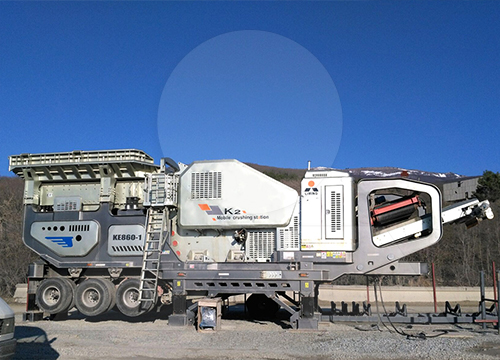
- Equipment Sizing Validation: Consultation on matching primary crusher feed opening and gyratory stroke to your geotechnical report's maximum lump size and compressive strength (typically 50-150 MPa for coal measures).
- Process Optimization: Guidance on selecting between dense medium separation (DMS) cyclones and jigging systems based on your coal's near-gravity material (NGM) percentage and target ash content.
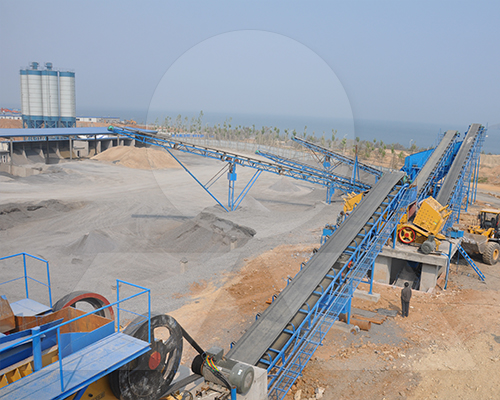
- Infrastructure Planning: Review of preliminary layouts for coal handling and preparation plants (CHPP), focusing on conveyor incline angles (max 18° for raw coal) and storage bunker live capacity calculations to ensure surge load management.
Implementation Pathway
The following sequence outlines the technical mobilization process.
| Phase | Key Technical Actions | Deliverable / Outcome |
|---|---|---|
| 1. Data Integration | Input your site-specific data: seam thickness, overburden characteristics, raw coal ash % and Hardgrove Grindability Index (HGI). | A customized process flow diagram (PFD) with mass balance. |
| 2. Specification Lock | Finalize equipment technical data sheets (TDS) detailing motor power, throughput range (TPH), and particle size distribution (PSD) of product. | A definitive equipment list with performance guarantees. |
| 3. Compliance & Logistics | Secure machinery certifications (CE, MSHA) and plan transport for oversized components (crusher frames, rotary breaker drums). | A validated procurement and shipping schedule. |
Proceed by forwarding your preliminary geological survey and desired annual output (in metric tons). We will return annotated technical sections and a direct line to our project engineering desk.
Frequently Asked Questions
What is the optimal replacement cycle for high-wear components like crusher jaws?
Replace high-manganese steel (e.g., ASTM A128 Grade B3/B4) jaws based on throughput, not just time. Monitor for a 15-20% loss in original profile. For abrasive coal, cycle may be 80,000-120,000 tons. Implement laser scanning for precise wear measurement to maximize part life and minimize unplanned downtime.
How do I adapt equipment for coal seams with varying hardness (Mohs 1.5 to 3)?
Configure your continuous miner's cutting head with interchangeable picks—blocky for soft coal, conical for harder strata. Dynamically adjust tram and sump hydraulic pressures (e.g., 2500-3200 psi) via the onboard PLC. For crushers, use variable frequency drives to modulate rotor speed based on real-time amperage draw.
What are critical vibration control points on a longwall shearer?
Focus on the ranging arm slew bearings and haulage gearbox. Use SKF or FAG spherical roller bearings with ISOVG 460 grease. Install accelerometers on the motorized gearcase; if vibration exceeds 7.1 mm/s RMS, check gear mesh alignment and foundation bolt torque (per OEM spec, typically 90% of yield strength).
What specialized lubrication is required for high-load, dusty environments?
Utilize synthetic, clay-based greases (NLGI 2) with extreme pressure (EP) additives for pin joints and slew rings. For hydraulic systems, employ a high anti-wear (AW) fluid like ISO VG 68 with a minimum zinc content of 900 ppm. Implement automatic centralized lube systems with dust-proof couplers.
How do I optimize hydraulic system performance in extreme cold starts?
Use a low-pour-point hydraulic oil (e.g., -40°C) and install tank immersion heaters. Incorporate a cold-start bypass circuit to allow circulation before reaching optimal viscosity (approx. 16 cSt). Adjust pump compensator settings seasonally to prevent cavitation at high pressure (300+ bar) during initial operation.
What is the best strategy for conveyor belt maintenance to prevent catastrophic failure?
Implement thermographic scanning of splice joints and X-ray analysis of pulley lagging. Use ST-1000 or higher grade belts with rip detection systems. Schedule pulley bearing replacement (Timken, NTN) every 15,000 operating hours and track alignment with laser profiling weekly to prevent edge wear and mistracking.